


Author
Elena Karkalanova
News
Why the Bulgarian school in Dortmund is known as the “Doctors’ school”
Dimitrinka Niklina: If even just one child had learned Bulgarian, it would have been worth it
Monday 27 July 2026 08:15
Monday, 27 July 2026, 08:15
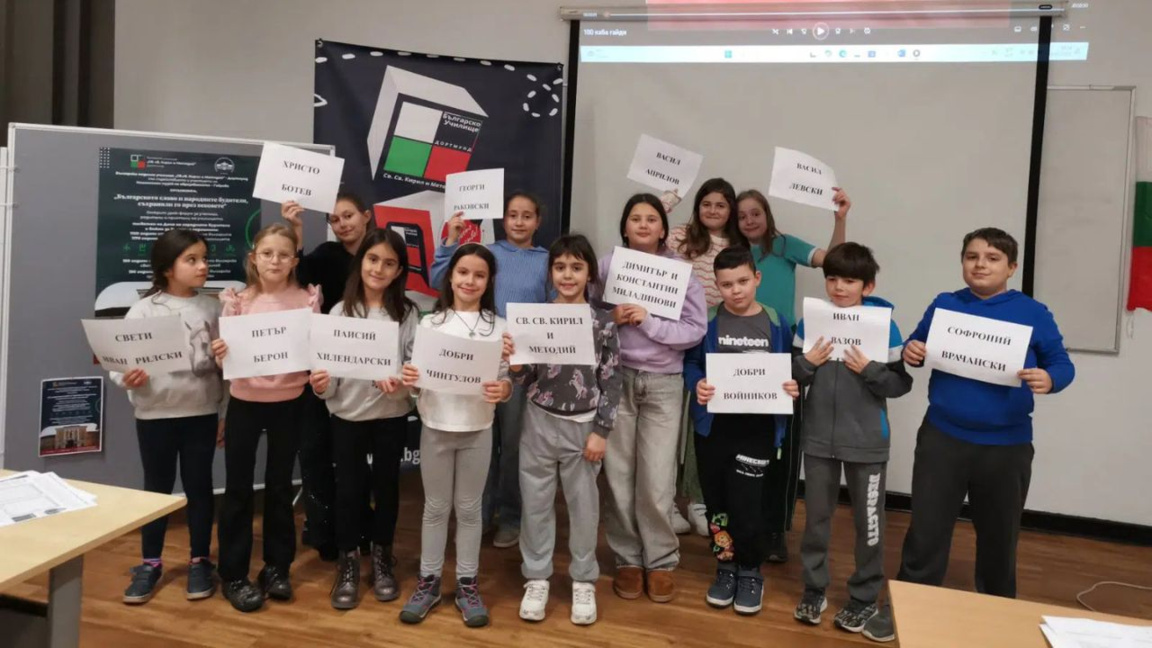
PHOTO bgschuledortmund.de
Font size
Nearly 422,000 Bulgarian citizens live in Germany, according to the country's immigration authorities, a figure that does not include Bulgarians who have acquired German citizenship. Almost a quarter of them have settled in North Rhine-Westphalia, Germany's most populous state. It is here, in the city of Dortmund, that the Sts Cyril and Methodius Bulgarian Sunday School has been welcoming children for the past eight years. It was founded by a group of Bulgarians determined that their language should remain more than something spoken only at home.
Its head, Dimitrinka Niklina, is a civil engineer by profession who has also studied European law. During the week she works in her field, while her weekends are dedicated to the school and the association that runs it. Last academic year, 62 children attended the school, which also offers online classes for families living farther away.
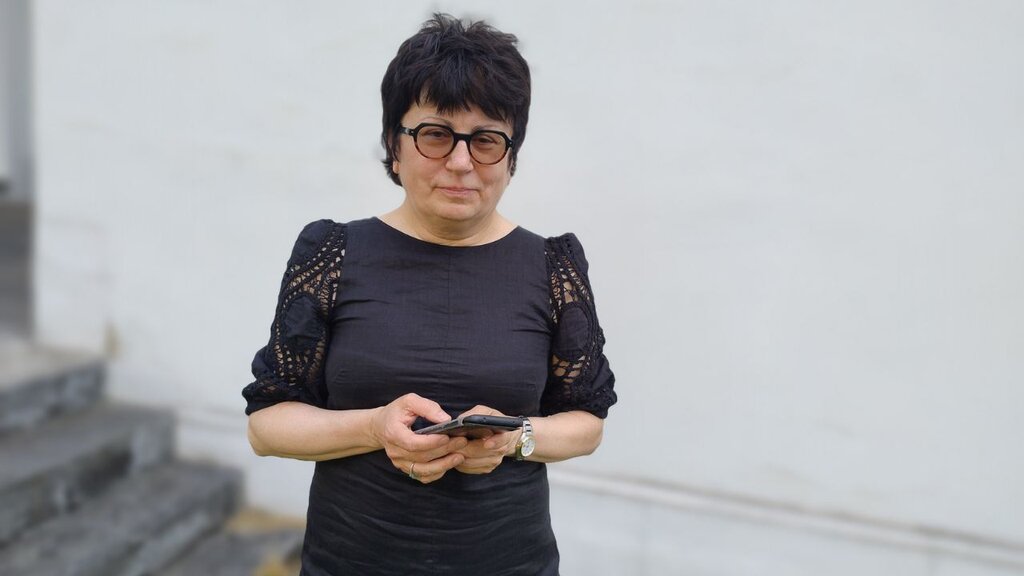
Dimitrinka Niklina
PHOTO Elena Karkalanova
“How do we attract them? We simply do what we believe is worthwhile. When you do something with heart, soul and inspiration, people find you. Nothing is done for its own sake or because we feel we 'have to'. We do it because we believe it matters. I always tell parents and colleagues what drives us: even if just one child learns Bulgarian, we have fulfilled our mission.”
The Bulgarian community in Dortmund is hard to define in a single phrase. It brings together people from very different professional, educational and personal backgrounds. According to Dimitrinka Niklina, that diversity is what makes the community so special.
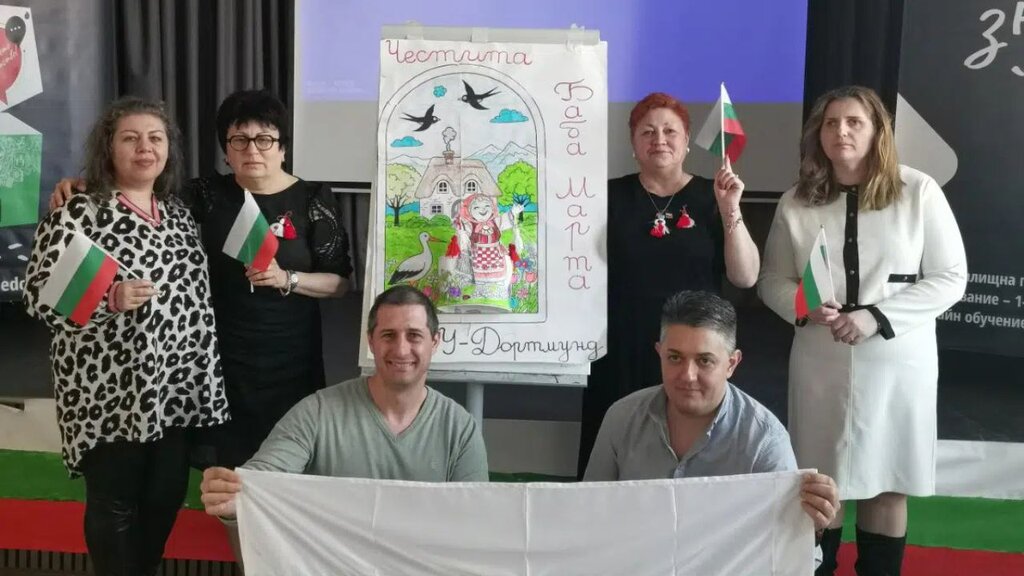
Celebrating Baba Marta and the upcoming National Day of Bulgaria.
PHOTO bgschuledortmund.de
“The Bulgarian community in Dortmund is very diverse. Many people rely, to some extent, on the social welfare system because the jobs they do do not provide enough income for them to support themselves independently. But at the other end of the spectrum, we also have a large community of doctors. We often joke that ours is the 'doctors' school' because 14 of our families are doctors.
“Most of the community also consists of Bulgarians whose mother tongue is not Bulgarian. I have great admiration for them. Even though Bulgarian is not their first language, they want to be part of a Bulgarian school and want their children to learn the language. I find that incredibly important and meaningful.”
Dimitrinka Niklina has herself lived in Germany for nearly a decade. In her view, professional success there depends not only on qualifications but also on a person's attitude to work and to society.
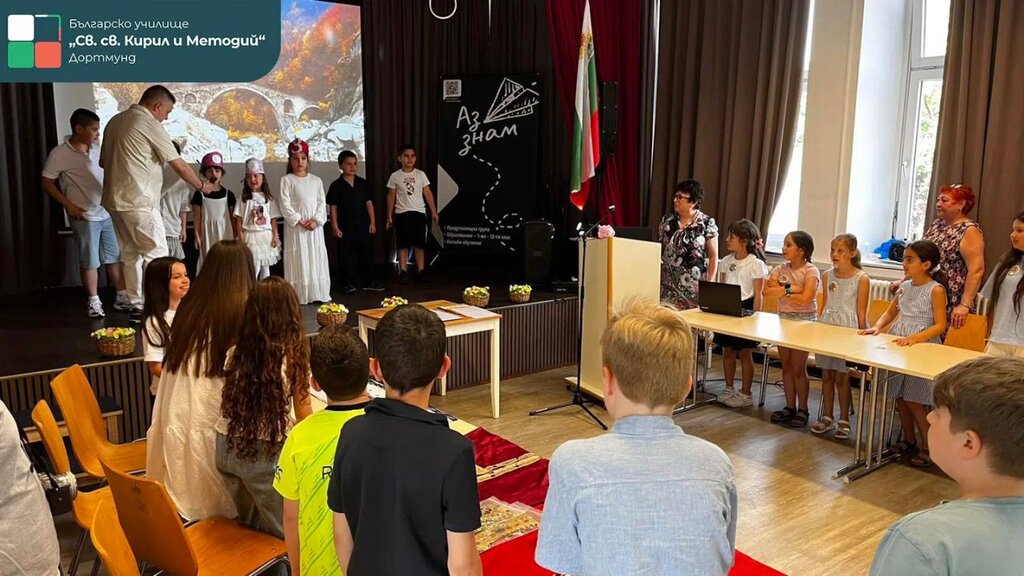
PHOTO bgschuledortmund.de
“Germany gives people the chance to work. People emigrate for different reasons, but for those with professional qualifications Germany offers exceptional opportunities. You can quickly find your place doing what you do best. Professional expertise matters, but it is not the only thing.
“Germany also values creative thinking and people who contribute to society. Community involvement is highly respected there. If an employer asks whether you are engaged in voluntary or community work, the answer is seen as a real asset.”
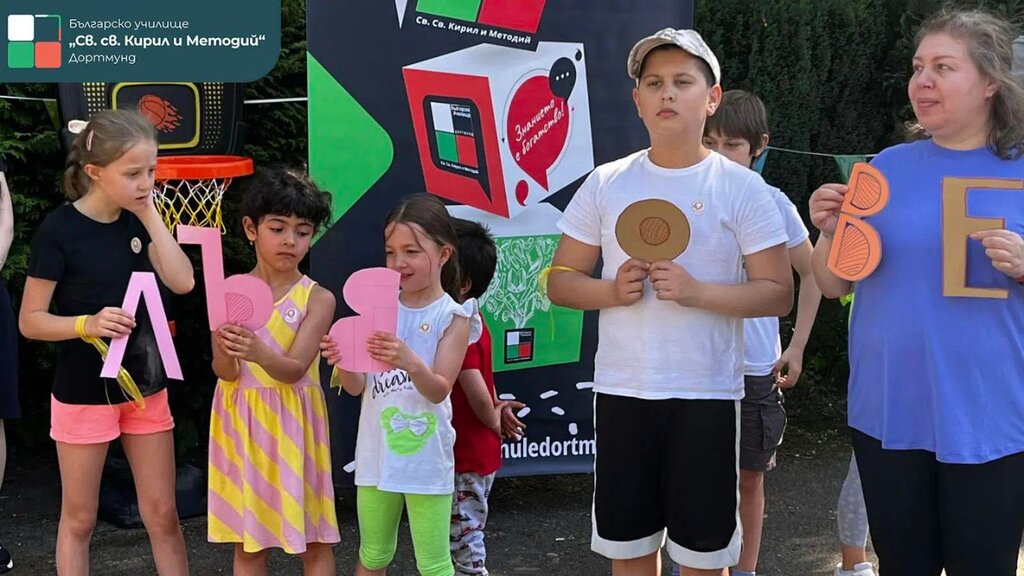
Защо наричат българското училище в Дортмунд "лекарското"
PHOTO bgschuledortmund.de
That is also the direction in which Dimitrinka Niklina hopes Bulgaria will develop. She believes Bulgarians must be prepared to build a well-organised and prosperous country one step at a time.
“Hard work is always rewarded. Not through chaos, but through consistency,” she says, adding: “Everyone has their own vision of the future – for their country, their people and their family. But we can become better only if we roll up our sleeves and get to work.”
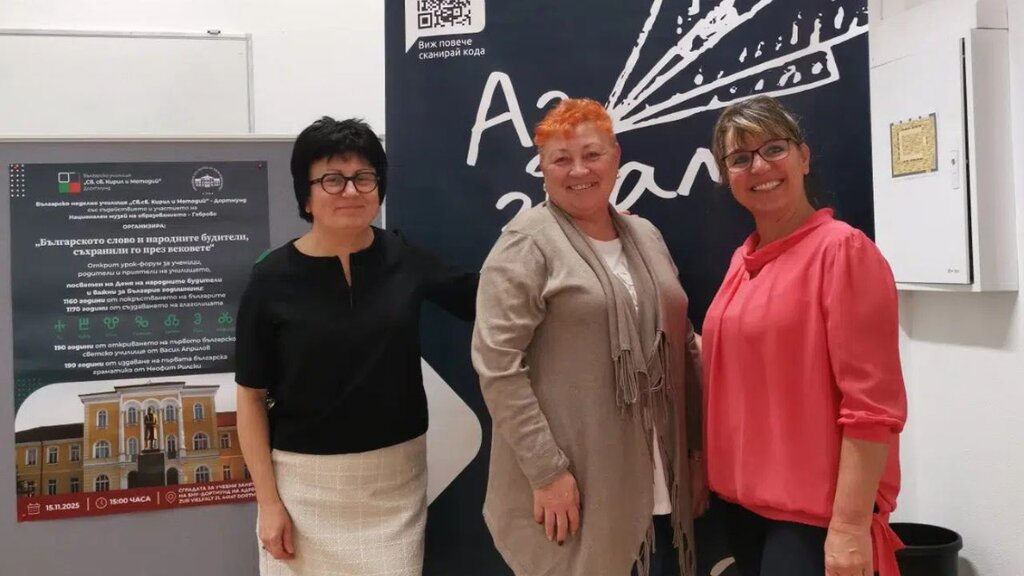
Dimitrinka Niklina with fellow teachers at the school.
PHOTO bgschuledortmund.de
For Dimitrinka Niklina, working at the Sunday school is not a second career but a way of staying connected to Bulgaria. So when asked what her homeland means to her, she does not hesitate:
“Everything that keeps me going in this life.”
This publication was created by: Elizabeth Radkova