


Author
Yoan Kolev
Thursday 30 July 2026 20:56
Thursday, 30 July 2026, 20:56
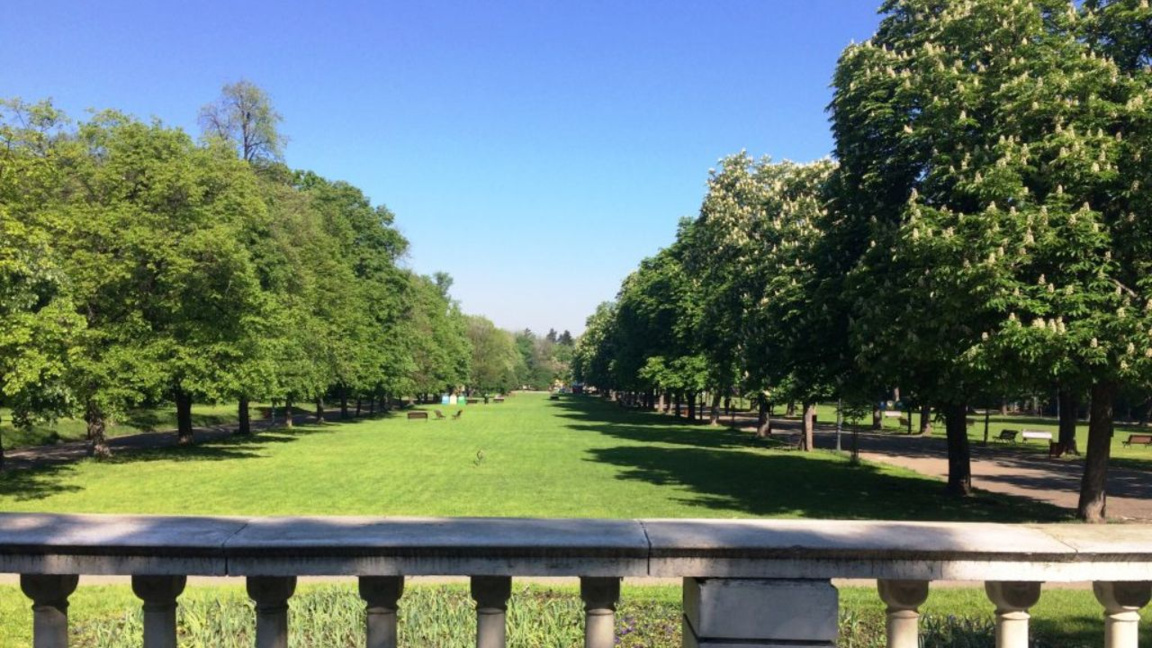
PHOTO borisovagradina.com
Font size
Borisova Gradina, or Tsar Boris' Garden, is one of the favourite places for both Sofia residents and visitors to the Bulgarian capital. The park is widely used for walks, meeting friends and outdoor exercise, particularly by people living in the surrounding neighbourhoods.
The park owes its beginnings to Sofia Mayor Ivan Hadzhienov, who launched the project in 1882. He became embroiled in heated debates with municipal councillors who initially saw little point in investing in it. Nevertheless, he pressed ahead with his plans, inviting Daniel Neff, the Swiss-born gardener to the Romanian royal court, to lay the foundations of what would become Sofia's largest and most iconic park.
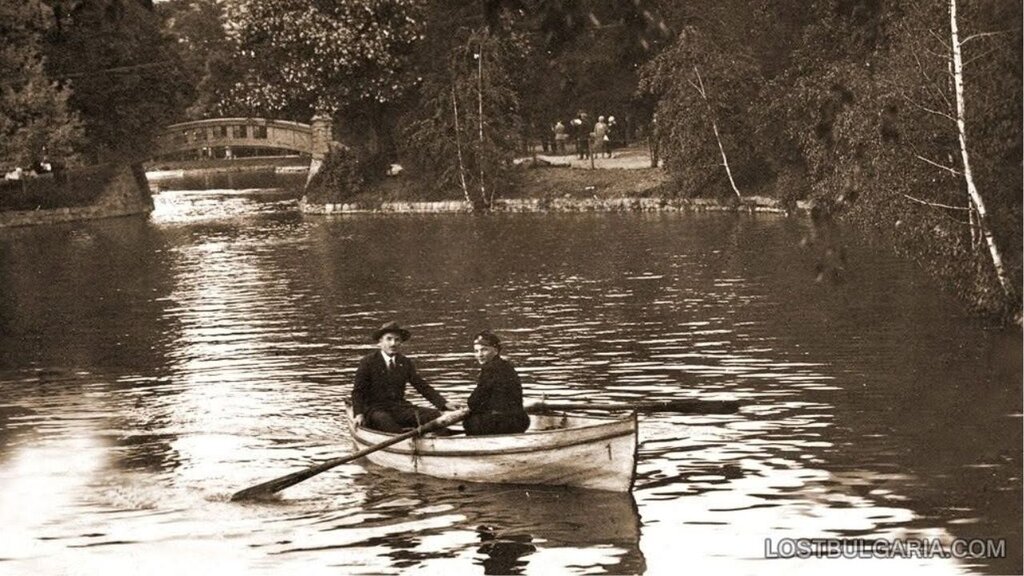
Ariana lake.
PHOTO lostbulgaria.com
With the help of architect Todor Bulev – a leading authority on the history of Bulgarian architecture, former vice-president of the Union of Architects in Bulgaria for two terms and its president for one – we revisit some of the fascinating stories behind the landmark sites scattered throughout the park.
"Public green spaces are a relatively recent phenomenon in the history of European urban planning," says architect Bulev. "By the end of the 19th century, Bulgaria was still lagging behind in terms of urban development, but when it came to public parks, we were quick to adopt the latest European ideas. Borisova Gradina and the City Garden are good examples of this, as they both began to take shape around the same time. Most of Bulgaria's larger towns also created major public parks in their centres during that period."
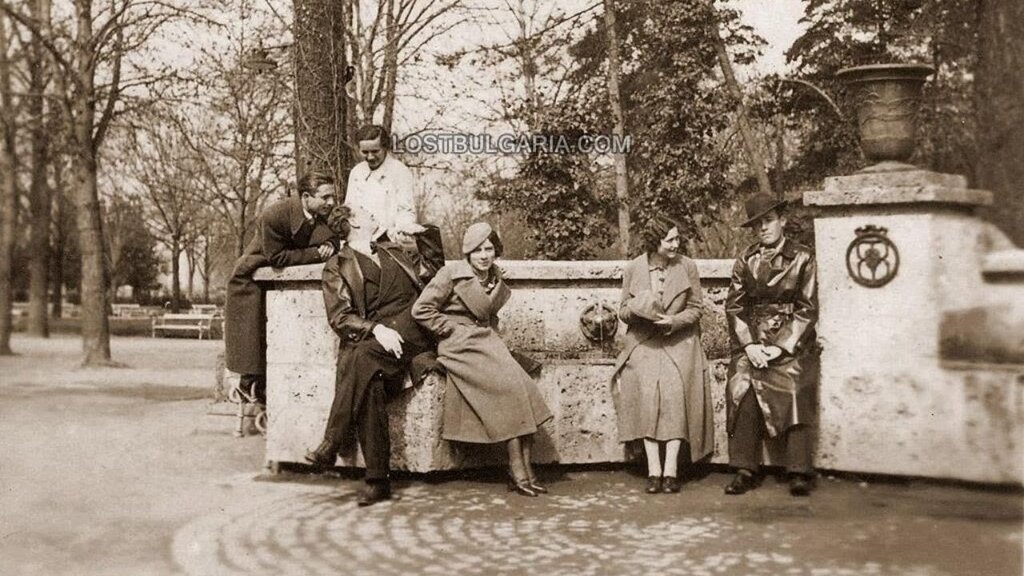
PHOTO lostbulgaria.com
When it was established, Borisova Gradina was one of the first parks in the country to be located outside the city's built-up area. Daniel Neff oversaw its development and maintenance for the next 10 to 15 years, followed later by his sons. In 1888, Ariana Lake was created at the initiative of Tsar Ferdinand. Along with the two promenades leading to the Fish Pond - known to Sofia residents as the Lily Pond because of its many water lilies - it forms part of the park's historic core.
The park is also home to tennis courts established in 1896 by foreign diplomats and business representatives. They became part of Bulgaria's first tennis club.
"The development of this vast area gave the land around the tennis courts the character of a landscaped park. However, almost no landscaping work was carried out in the rest of what is now Borisova Gradina, and it is more like a forest. That part has remained more or less as it was 40 or 50, even 80 years ago," architect Bulev explains.
An iconic figure in the park's history is Georgi Duhtev from Burgas, who looked after Sofia's green heart between 1934 and 1944.
"Georgi Duhtev created the Sea Garden in Burgas, but he also managed Borisova Gradina for ten years. He was responsible for Duck Lake and numerous sports grounds."
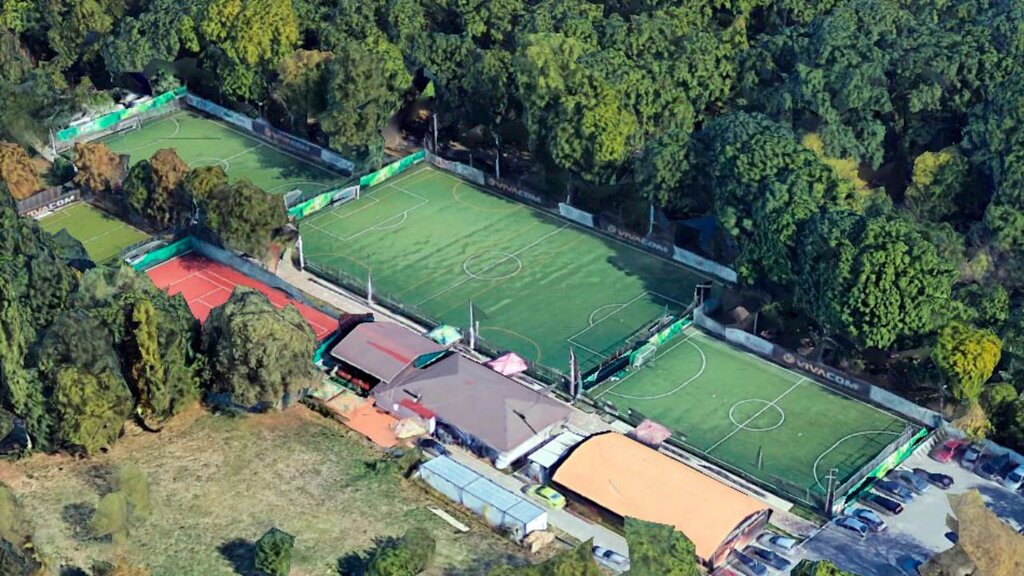
PHOTO sportnasofia2000.com
More sports facilities were built in the park after 1944.
"By today's standards, there are arguably too many sports facilities in the park. But from the very beginning, their construction was a natural process. After all, what better place to build sports facilities than a park?" asks architect Bulev.
Since its creation, Borisova Gradina has undergone many transformations and stages of development. Since 1989, the question of how this exceptional green oasis in the heart of the city should evolve has remained open and has been the subject of ongoing debate.
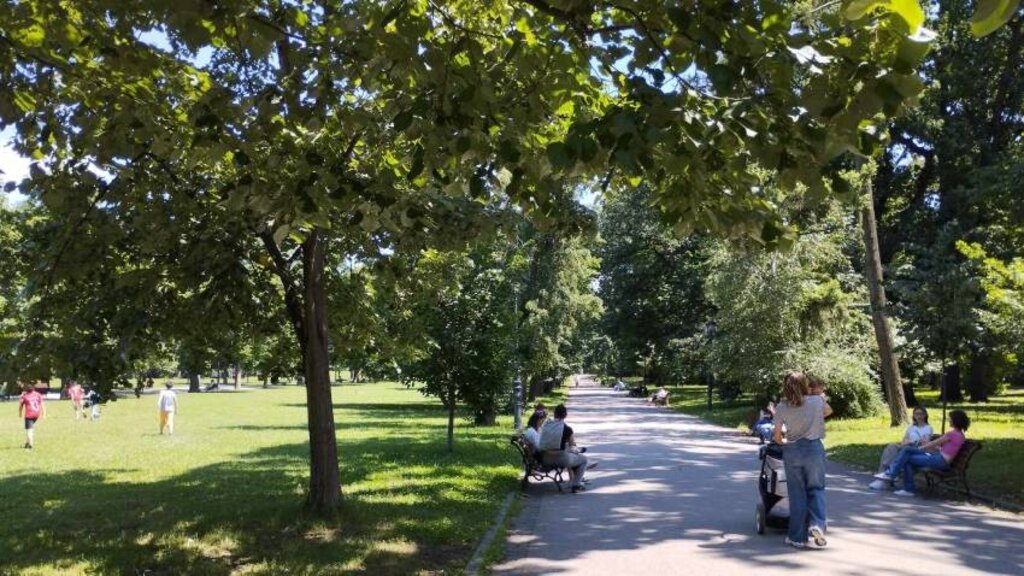
PHOTO Miglena Ivanova
The park is once again at the centre of controversy. The Municipal Expert Council on Spatial Planning has returned the current detailed development plan for revision. The plan aims to provide lasting, legally guaranteed protection for Sofia's largest and most iconic park by preserving its public character and restoring the public functions of key historic sites. It cannot be reconsidered before the spring of 2027.
Editor: Desislava Semkovska
This publication was created by: Elizabeth Radkova