


Author
Alexandra Karamihaleva
News
The man who keeps Bulgaria's memory alive in Hungary
Keeping Bulgaria's heritage alive in Budapest: A conversation with Tosho Donchev
Tuesday 4 August 2026 17:16
Tuesday, 4 August 2026, 17:16
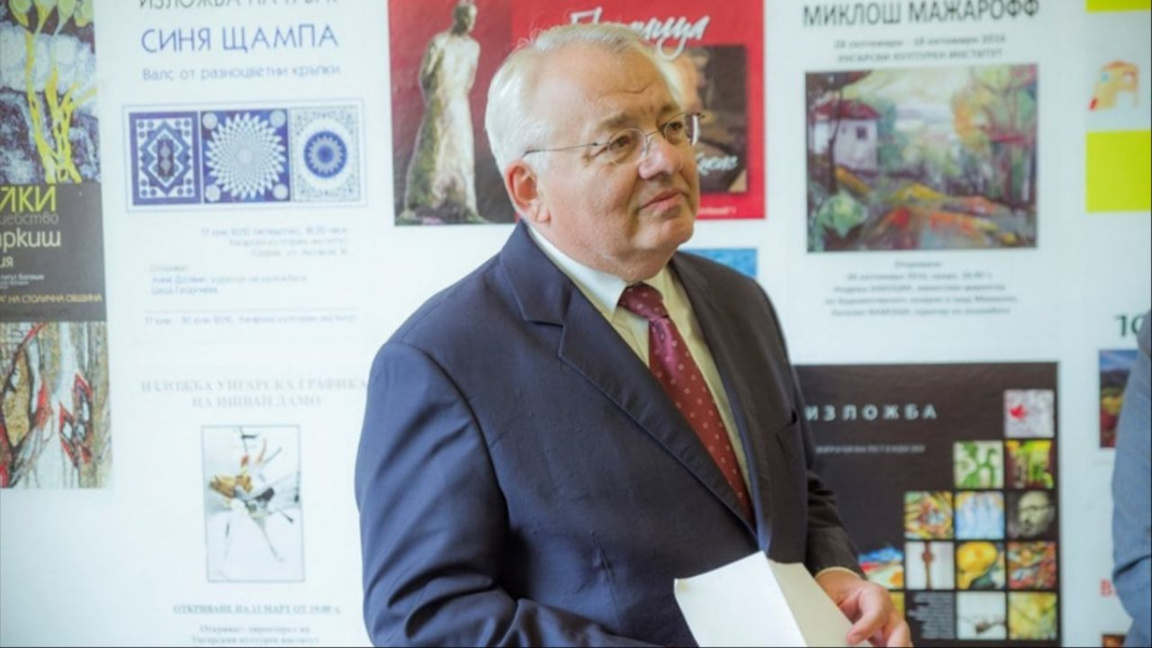
PHOTO bg-patriarshia.bg
Font size
When people think of the Bulgarian diaspora abroad, they often picture the waves of emigration of recent decades. In Hungary, however, one of the country's oldest Bulgarian communities traces its roots back more than a century to the vegetable growers who settled there, bringing with them not only seeds but also their faith, language and traditions. They built churches and schools through their own donations, creating institutions that still serve the community today.
One of the most dedicated guardians of that heritage is Tosho Angelov Donchev. Born in Budapest in 1944 during the Second World War, he has travelled a remarkable path – from a child playing in the courtyard of the Bulgarian Orthodox Church of Sts Cyril and Methodius to a sociologist, bilingual author and former state secretary who headed Hungary's Office for National and Ethnic Minorities.
Throughout his life, Donchev has remained deeply committed to Bulgaria's community in Hungary.
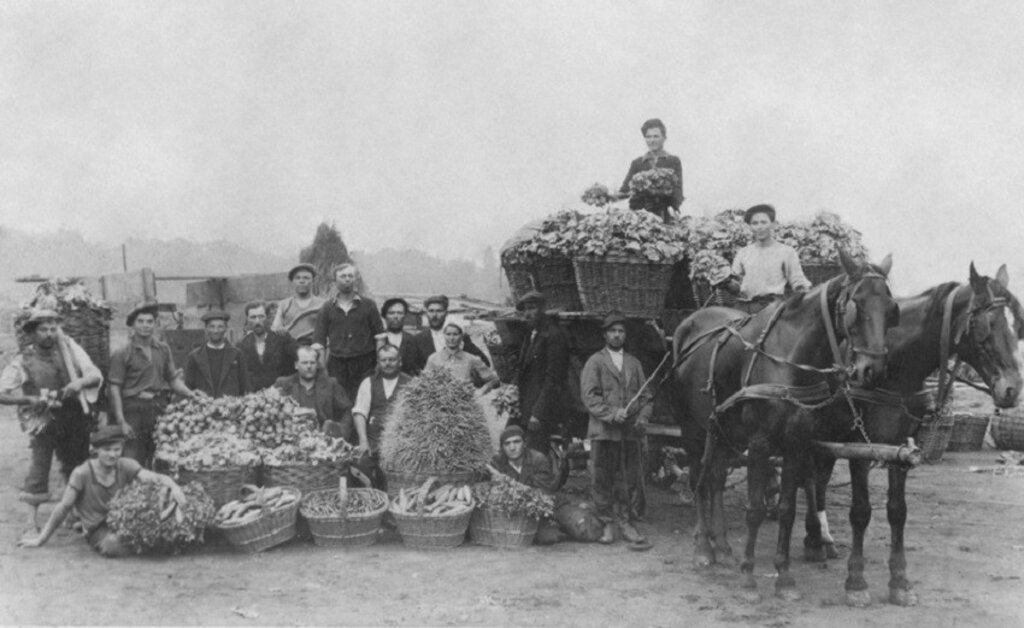
PHOTO lyaskovets.net
"Earlier I worked for the Bulgarian Association as director of its Cultural Centre. Later I chaired the Bulgarian National Self-Government. We also led the Round Table of Ethnic Minorities, from which Hungary's 1993 Law on National and Ethnic Minorities emerged. So I have always been deeply connected with the fate of our community," Donchev says.
Asked about his earliest memories of the Church of Sts Cyril and Methodius in Budapest, he smiles as he recalls his childhood.
"It is difficult to say because my father took me to church every Sunday from a very early age, while my mother usually stayed at home. What I remember most is not so much a solemn atmosphere as a warm, relaxed, family-like feeling among the Bulgarian community."
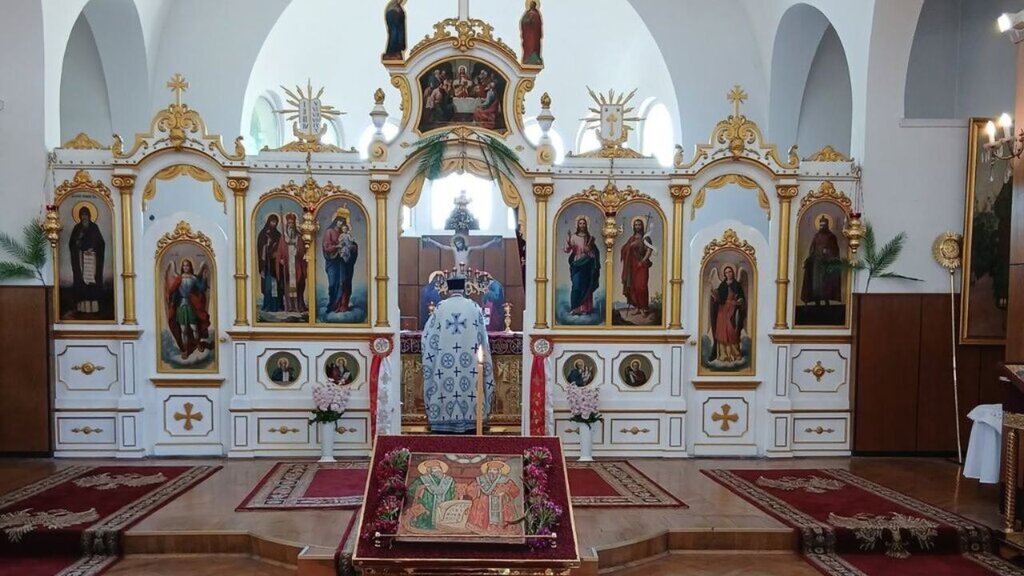
PHOTO Facebook / Sts. Cyril and Methodius Bulgarian Orthodox Church, Budapest
His memories naturally lead to the question of whether he was baptised in the same church. The circumstances of his birth made that impossible.
"By God's will, I was baptised. I was born in 1944, before the communists came to power. Because of the war and the bombing, my family could not take me to church. The priest came to our home and baptised me in a washbasin. Only afterwards was I brought to the church," he recalls.
He is proud that, although the baptism took place in Hungary, it was performed by a Bulgarian Orthodox priest.
"I was baptised by a Bulgarian priest and grew up as an Orthodox Bulgarian."
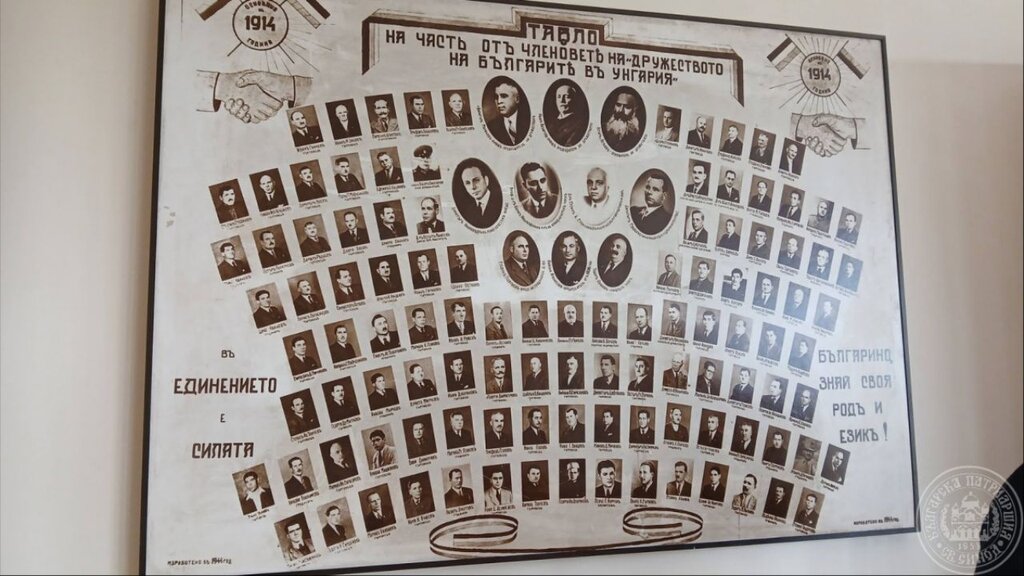
PHOTO bg-patriarshia.bg
Today, the Bulgarian presence in Budapest is centred around a unique complex where the church, school and cultural centre stand side by side. Together, the three institutions remain the main pillars of Bulgarian identity in Hungary.
Donchev's story is the story of a community that has not merely survived but flourished through solidarity and self-reliance. From an improvised wartime baptism to today's modern Bulgarian Cultural and Educational Centre, the thread of Bulgarian Orthodox faith and cultural identity has remained unbroken for generations.
For the Bulgarians of Budapest, faith and culture are not abstract ideas. They live on in the church built by their forebears, in the voices of children in the schoolyard, and in the legacy of the Bulgarian vegetable growers whose community has endured for more than a century.
Editor: Desislava Semkovska
This publication was created by: Elizabeth Radkova