


Author
Ivo Ivanov
Wednesday 5 August 2026 14:14
Wednesday, 5 August 2026, 14:14
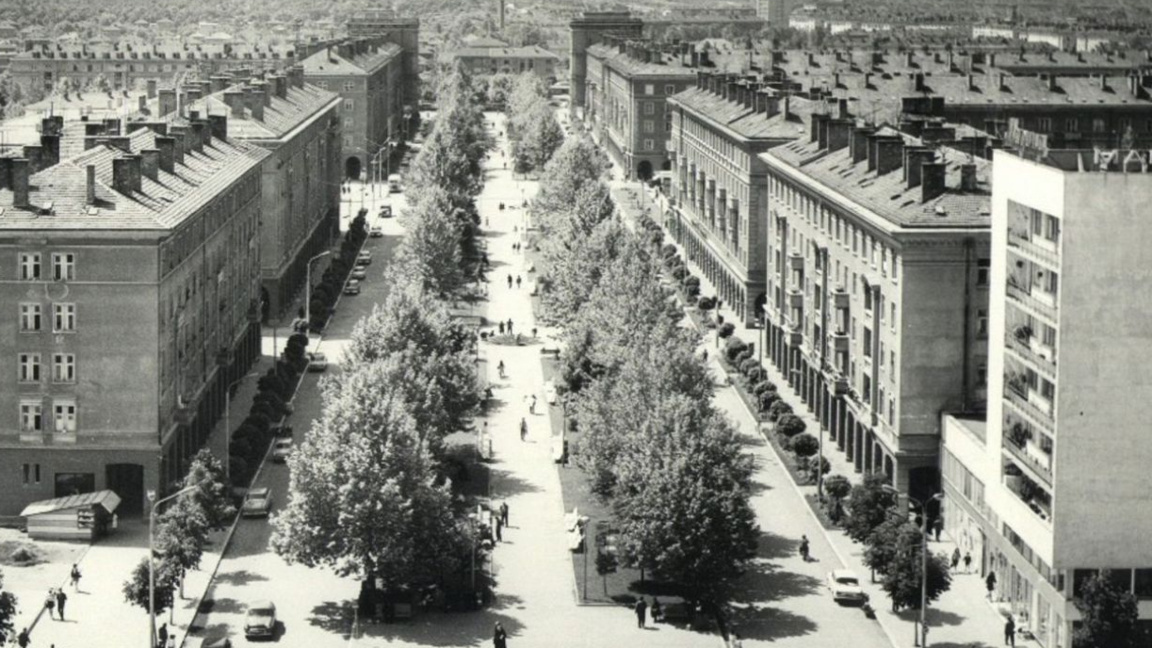
PHOTO Ivo Ivanov (the original is in the Historical Museum - Dimitrovgrad)
Font size
Dimitrovgrad is hosting national brigadier meeting on the occasion of the 80th anniversary of the organized Brigadier Movement in Bulgaria. The celebration is dedicated to the people who participated in the construction of significant infrastructure projects in post-war Bulgaria through voluntary work, enthusiasm and public engagement of young people wishing to build a new world.
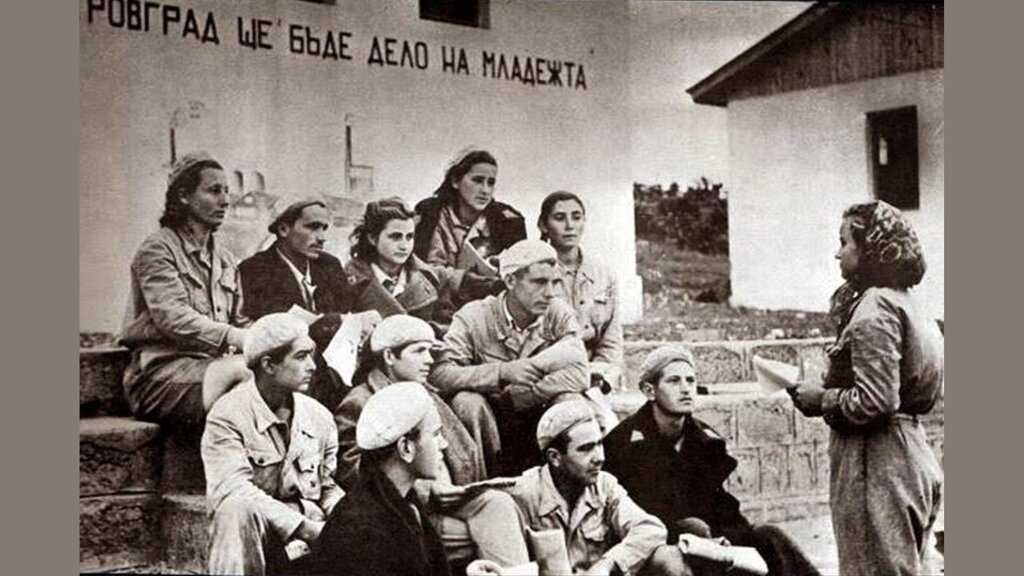
PHOTO Ivo Ivanov
On August 5, 1946, the Brigadier Movement in Bulgaria started. The First National Youth Construction Brigade "Georgi Dimitrov" began work on the Hainboaz Pass (today's Pass of the Republic). On this date in 1946, 2,075 brigadiers began digging a first-class road through the Balkan Mountain. In the following years, hundreds of thousands of young people from all over the country donated their free labour to the construction of the Pernik - Voluyak, Lovech - Troyan and Samuil - Silistra railway lines, the Koprinka and Rositsa dams, the Kurilo - Sofia - Plovdiv transmission line, etc.
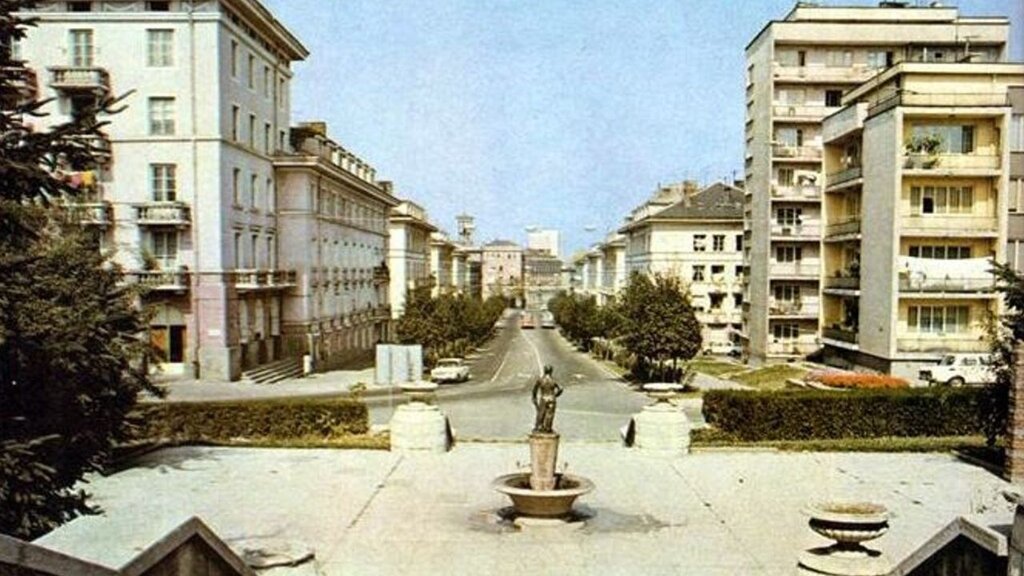
Dimitrovgrad was supposed to resemble the Soviet city of Komsomolsk-on-Amur
PHOTO Ivo Ivanov
Among the national sites of the movement is the city of Dimitrovgrad in Southern Bulgaria. It was formally created in 1947 by the unification of 3 villages located around the railway line of the "Orient Express" from Constantinople to Vienna. Because of the economic potential of the region around the Maritsa mining basin and the already existing cement plant "Vulkan", the communist authorities in Bulgaria began to build an industrial center, which was to become an emblem and symbol of the new social order.
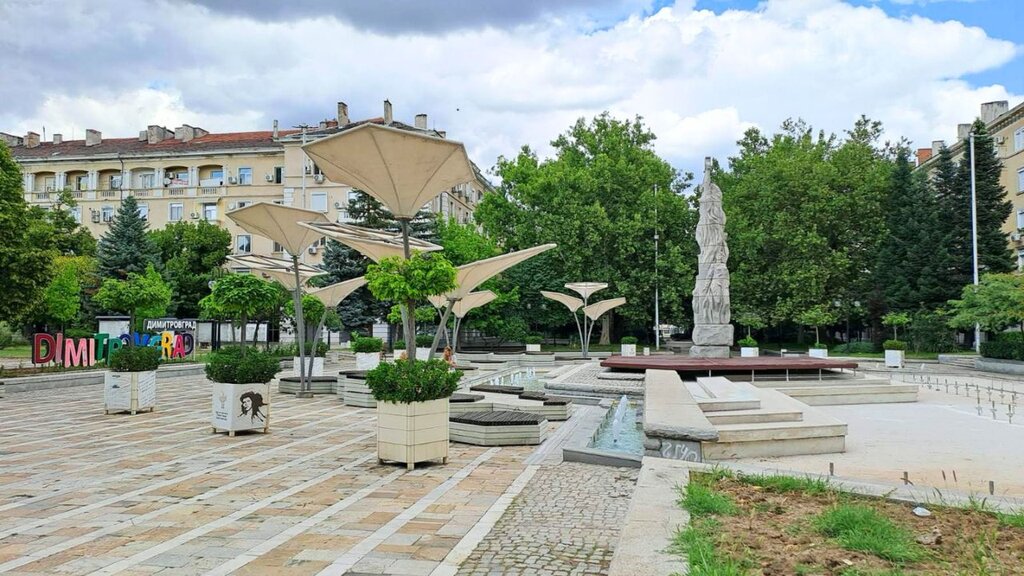
Dimitrovgrad was conceived as a green city with many alleys and parks.
PHOTO Ivo Ivanov
Dimitrovgrad was built by 50,000 brigadiers who arrived from 963 Bulgarian towns and villages. From 1948 to 1950, they worked in a brigade under the motto "We build the city, the city builds us!". They were inspired to put aside, at least temporarily, their personal interests and to work in conditions of almost soldierly equality in the name of the newly proclaimed national interest.
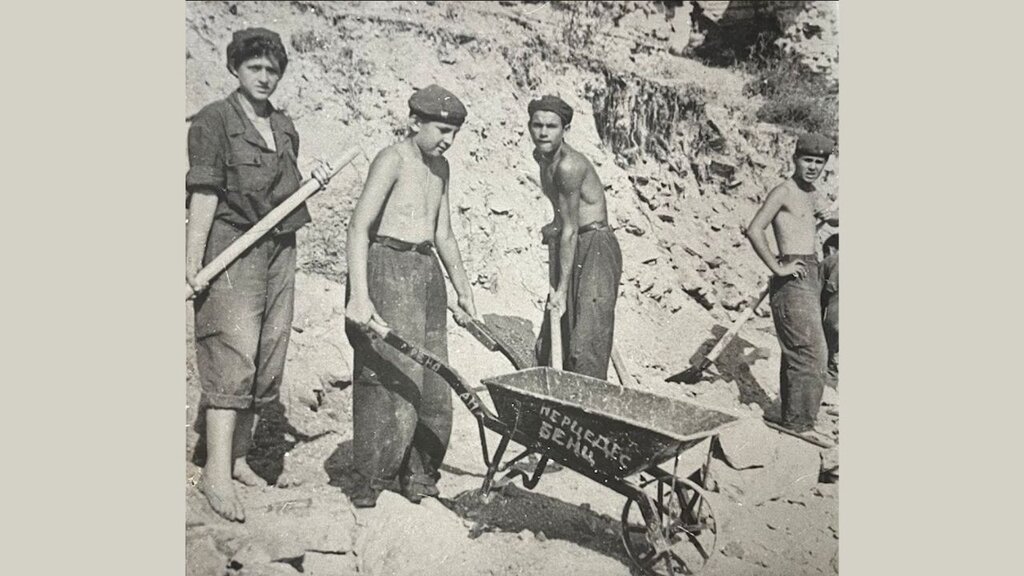
PHOTO Ivo Ivanov
If we refer to the age psychology of Prof. Spiridon Kazandjiev, these were young people experiencing a transition from puberty to adulthood. They wanted to leave the collapsed old world. Feeling threatened by the unknown, they react with a sense of courage, expressed in various forms such as chivalry, striving for independence from parents, teachers. Subconsciously, this is rebellion and they persisted against any restriction. In order not to become „antisocial elements“ and a threat to the regime, these strong characters were mobilized for a national cause by the new authorities and placed under strong camp discipline.
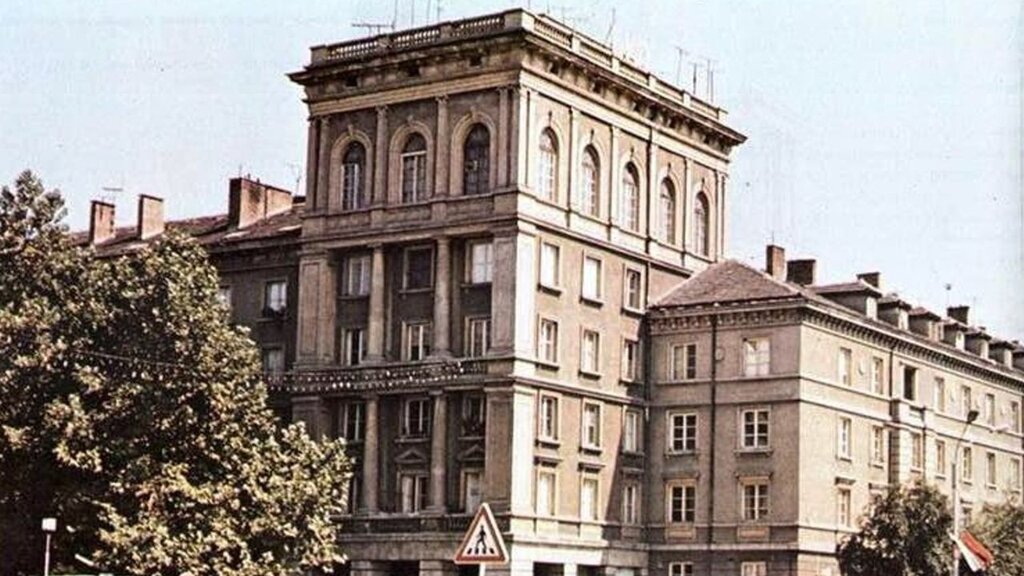
Facade from the 1960s in the Stalinist Empire Style
PHOTO Ivo Ivanov
Working on the construction sites of the Chemical Plant, the Cement Plant and the first apartment blocks in the city, paving the first streets and building the dam on the Maritsa River, some of the brigadiers decided to remain residents of Dimitrovgrad.
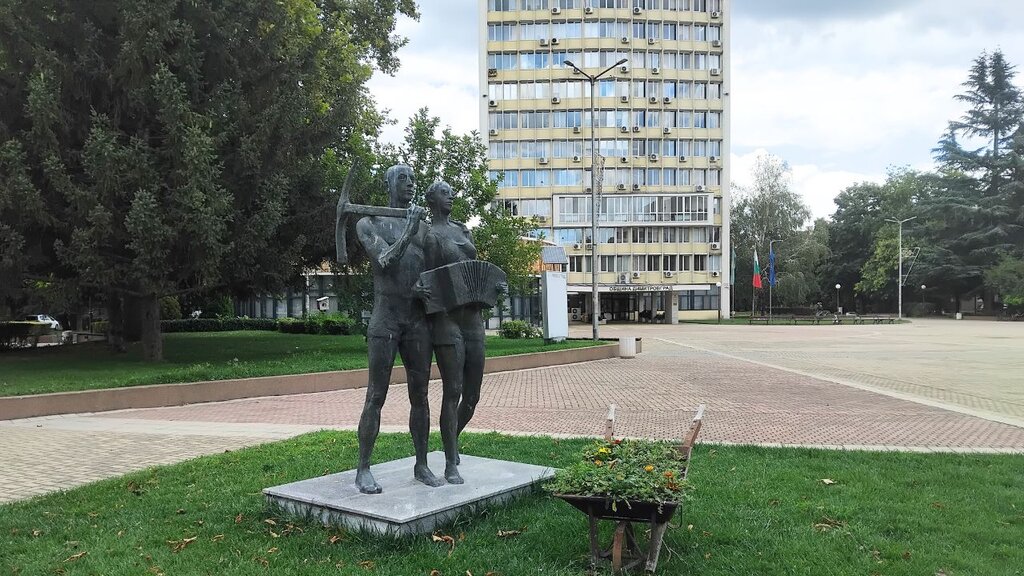
PHOTO Ivo Ivanov
The drama of today's Dimitrovgrad is elegiacally told in the documentary "City of Dreams" by director Svetoslav Draganov from 2012.
Dimitrovgrad is built in "Stalinist Empire Style". The facades were later supplemented after the 1970s by the architectural socialist modernism of the 20th century. The local authorities still want the urban planning, architectural and park ensembles of the 1950s-1970s to acquire the status of national cultural values. It is precisely because of its unique architecture that the city has been invited to participate in the European project for totalitarian tourism, the route of which includes 15 cities in Europe.
This publication was created by: Alexander Markov