


Author
Albena Bezovska
News
The divide between summer and winter
Bulgaria celebrates the Feast of the Transfiguration of the Lord
Thursday 6 August 2026 06:45
Thursday, 6 August 2026, 06:45
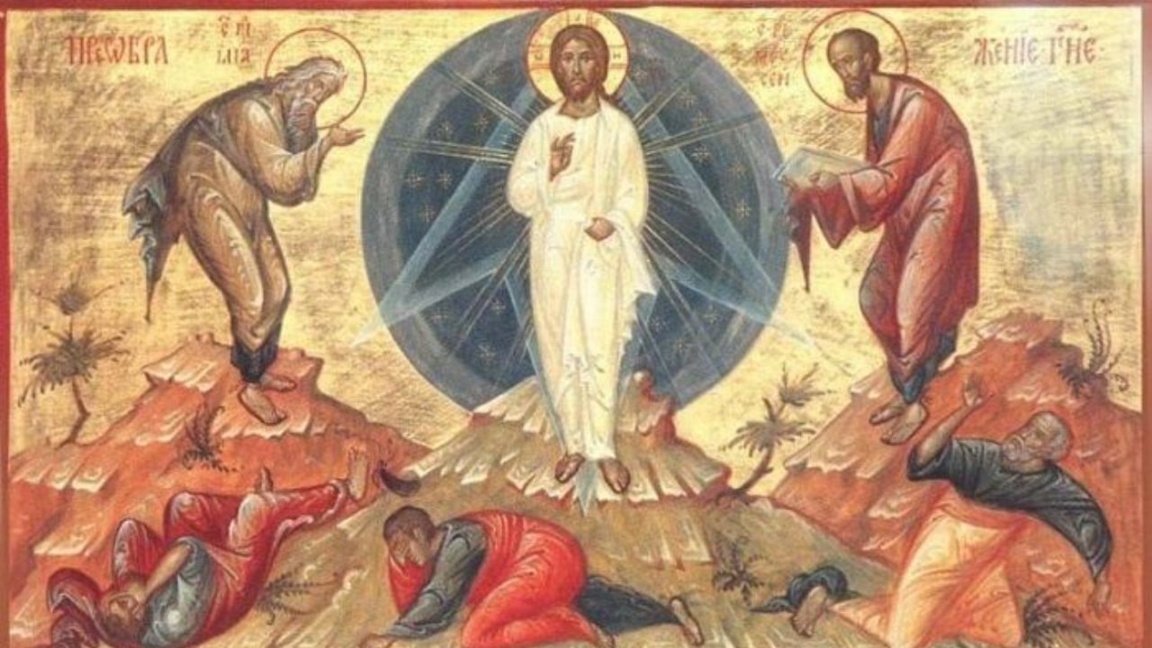
PHOTO bg-patriarshia.bg
Font size
On August 6, the Bulgarian Orthodox Church celebrates one of its great feasts - the Transfiguration of the Lord. The feast dates to the first centuries of Christianity and is associated with one of the most important Gospel events – the appearance of Jesus Christ in heavenly glory before three of his disciples - Peter, James and John. The feast of Transfiguration of the Lord is associated with change and new hope.
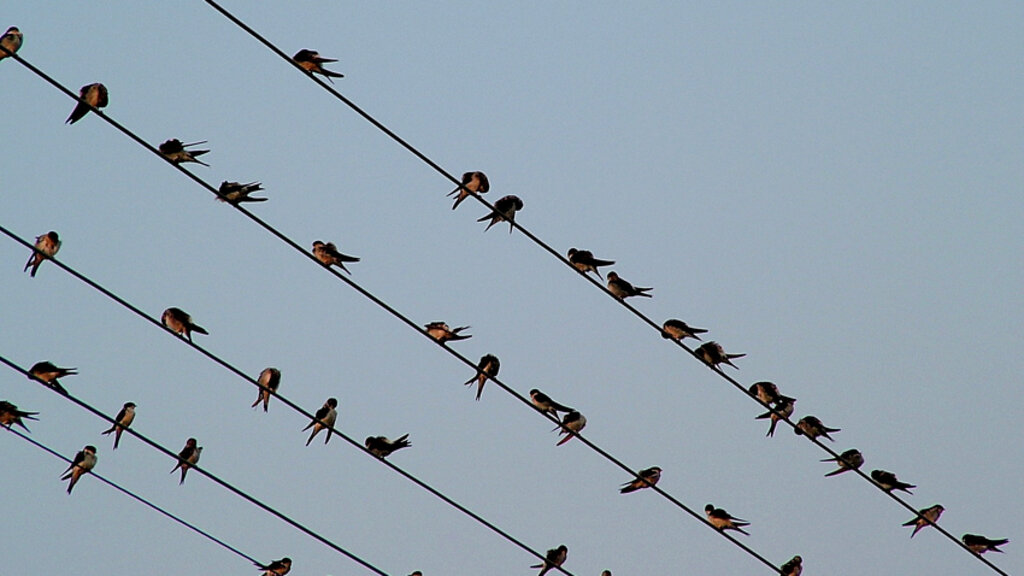
PHOTO BGNES
In popular belief the Transfiguration of the Lord (6 August) is a feast day marking the divide between summer and winter. The changes in the weather that are so important to us, humans affect everything – from the tilling of the land to animal husbandry. People have noticed that on or around this date the day begins to shorten, snakes and lizards take to their lairs and swallows fly off south. That is why it is said that on Transfiguration, the day “is broken”, turning its back on summer to face winter. In folklore there exist different beliefs connected with this Christian feast day.
Transfiguration falls during the Dormition fast leading up to Assumption day (August 15). According to the Bible, Jesus Christ took three apostles to Tabor to pray. On the mountain, Jesus began to shine with bright rays of light.
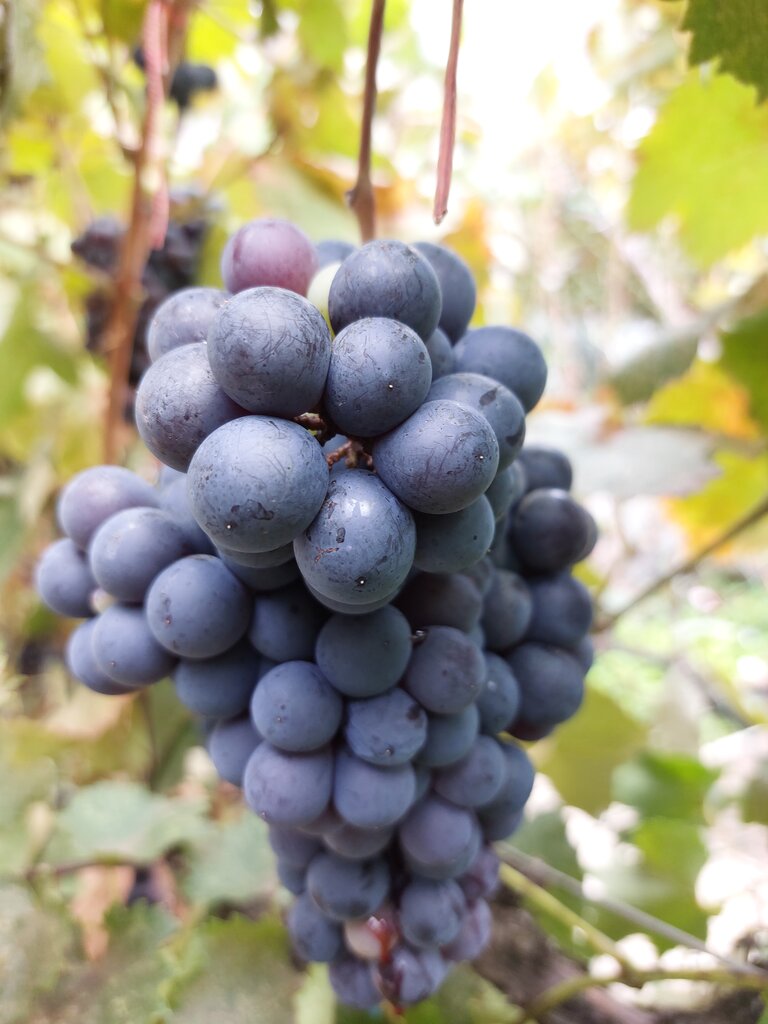
PHOTO Yanitsa Marova, BNR Plovdiv
There are different kinds of work prohibitions on Transfiguration - especially household chores like washing and laundering. Until that day grapes and blackberries are not to be eaten. Grapes are held in high esteem in Bulgarian tradition - not just the berries but the vine itself. Vines are depicted in embroidery, in intricate woodcarvings and iconostases. Wine (alongside bread) is thought to be the purest thing. “You can’t cast magic spells with bread and wine,” goes a popular saying.
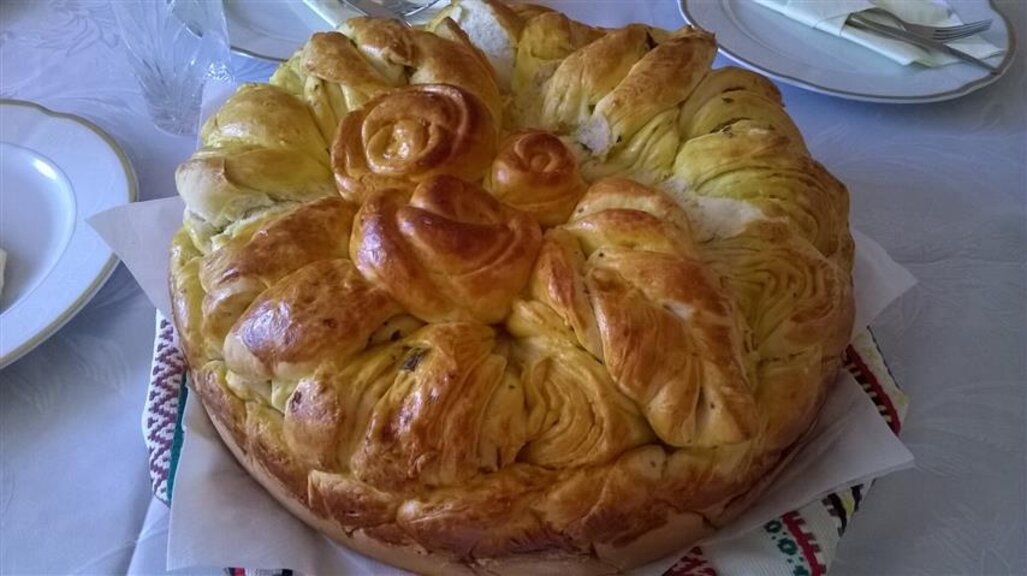
PHOTO Lidia Kamenova Personal archive
According to legends, blackberries are the work of the devil, though they have been known to and loved by Bulgarians for centuries. To this day blackberries are used to make jam and syrup; the fruit – fresh or dried – but also the leaves are used in folk medicine. Herbalists say that one variety of blackberry - cloudberries cure colds, mouth ailments, maladies of the respiratory and the digestive tract and alleviate discomfort connected with varicose veins and diabetes. According to one legend told by foremost Bulgarian ethnographer Dimitar Marinov, the devil created blackberries “to counter the grapes created by God”. The devil willed it so that blackberries would ripen earlier than grapes and thus enticed people into eating blackberries… which meant he owned them. That is why nobody must eat blackberries before eating grapes.
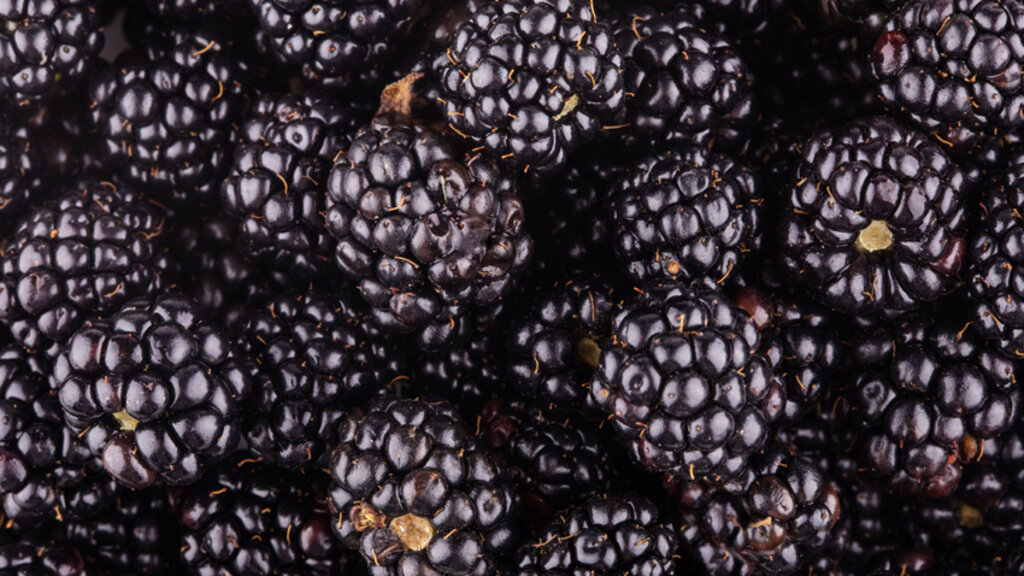
PHOTO BGNES
Early on Transfiguration day morning the first ripe grapes are taken to church. After the service when the grapes have been blessed, the women give them out to family members and neighbours. In some parts of the country other kinds of fruit are taken to church as well like apples, water melons, pears and… blackberries.
Once the fruit have been blessed, the ban on blackberries no longer applies. For the kapantsi (an ethnographic group of Bulgarians living in the region of Razgrad) this is a day when eating red grapes and red water melon is allowed – they believe this will prevent pockmarks.
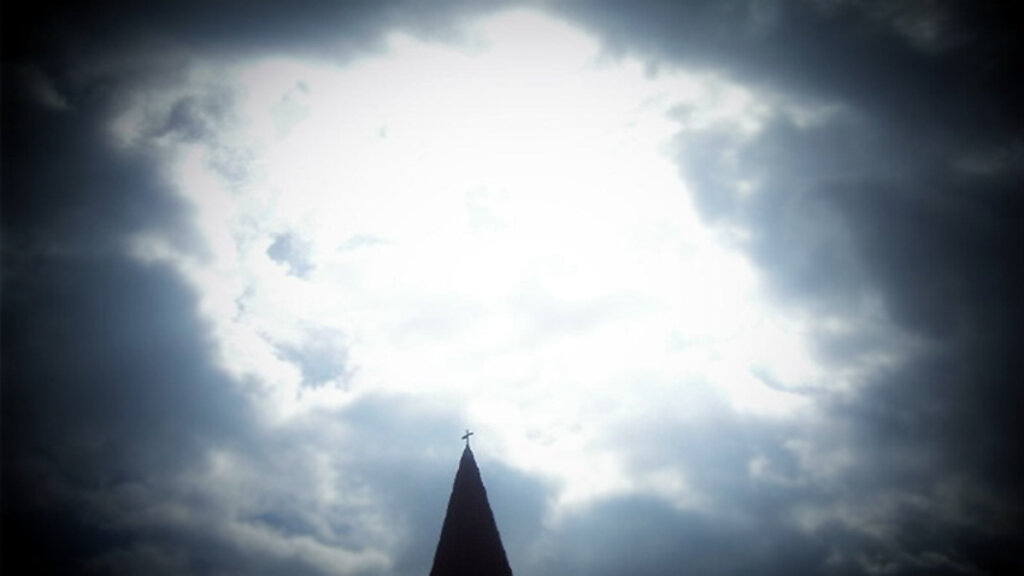
PHOTO pravoslavieto.com
Dimitar Marinov writes about a local ritual performed by the Pomak population in Petkovo village near Smolyan. On Transfiguration day the entire community gets together to dance the horo, usually near the cemetery. “On this day everyone makes a sacrifice – a beehive – and takes the honey to the priest, along with ritual bread; once the priest has blessed them they break the bread to give pieces, dipped in honey to all gathered,” the ethnographer writes.
On August 6 nature is transformed and that means people can change as well – or at least try to. There is one legend according to which a heavenly gate opens up in the sky and God himself appears to grant the wishes of the righteous. Only the righteous could see the heavenly gate and pray to God to grant their wishes. This is a belief that is also connected with Epiphany (6 January). In many parts of the country people would keep vigil through the night, peering up into the night sky in the hope of seeing the gates miraculously open.
English version: Milena Daynova
Originally published in 2016. Republished to mark the Feast of the Transfiguration on August 6.
This publication was created by: Elizabeth Radkova