


Author
Yanitsa Marova
Wednesday 12 August 2026 08:50
Wednesday, 12 August 2026, 08:50
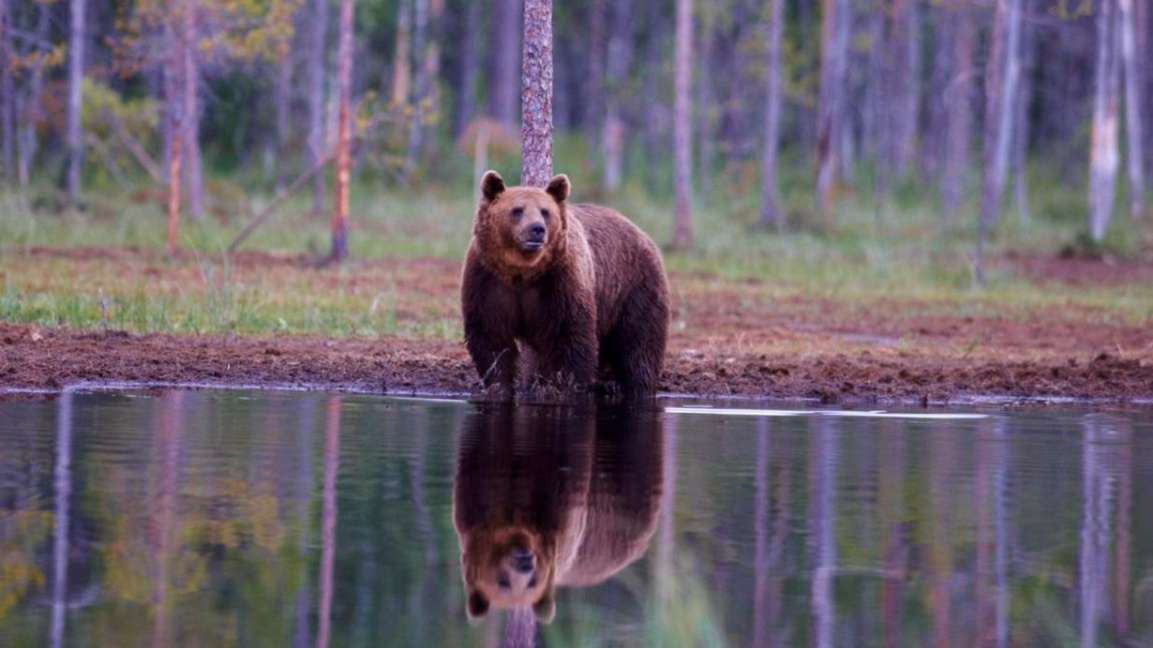
PHOTO wwf.bg
Font size
Borino becomes the first municipality in Bulgaria with a plan for
peaceful coexistence with bears, which will be implemented in stages.
The idea is for it to start operating comprehensively in the autumn and aims
at limiting conflicts through a combination of preventive measures -
electric fences, protected garbage containers, cameras and devices
that drive away bears with light and sound.
The first video cameras are expected to be installed this week. They
will monitor apiaries, flocks of sheep and tourist sites around which
bear visits have already been registered. This will identify the
so-called "hot spots" - the places through which the
animals most often reach human properties and food sources.
At
this stage, about seven to eight potential problem areas have been
identified. However, their number may change depending on new signals
and camera data.
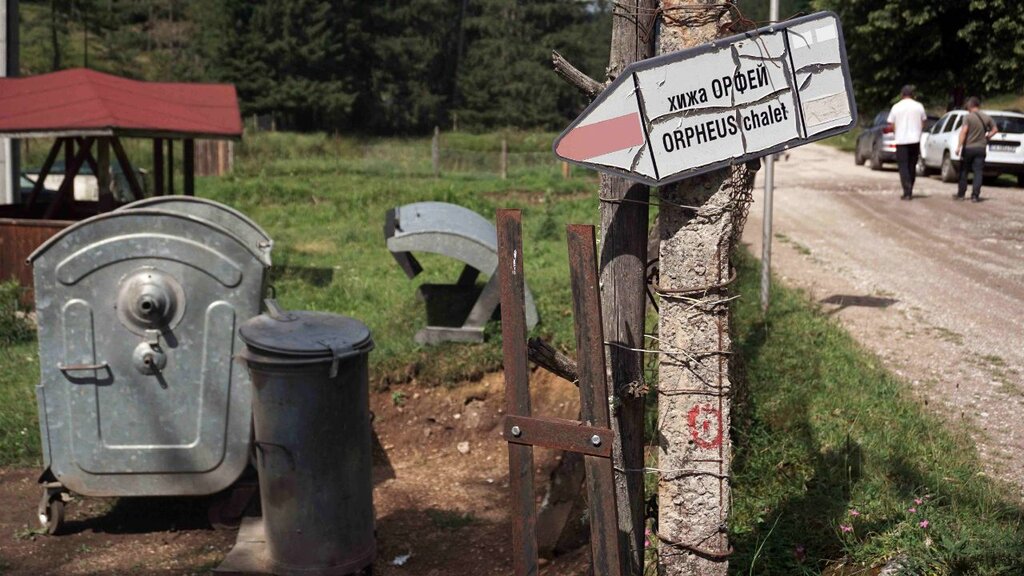
PHOTO wwf.bg
The installation of electric fences and
bear-proof waste containers is also expected to begin in September.
It is planned to initially provide between 20 and 30 electric fences,
as their number can increase if necessary.
The
electric fences will be provided free of charge to farmers, but they
will have to take care of the equipment. According to the experience
of other European countries, similar measures can almost completely
prevent bears from accessing apiaries and food waste containers
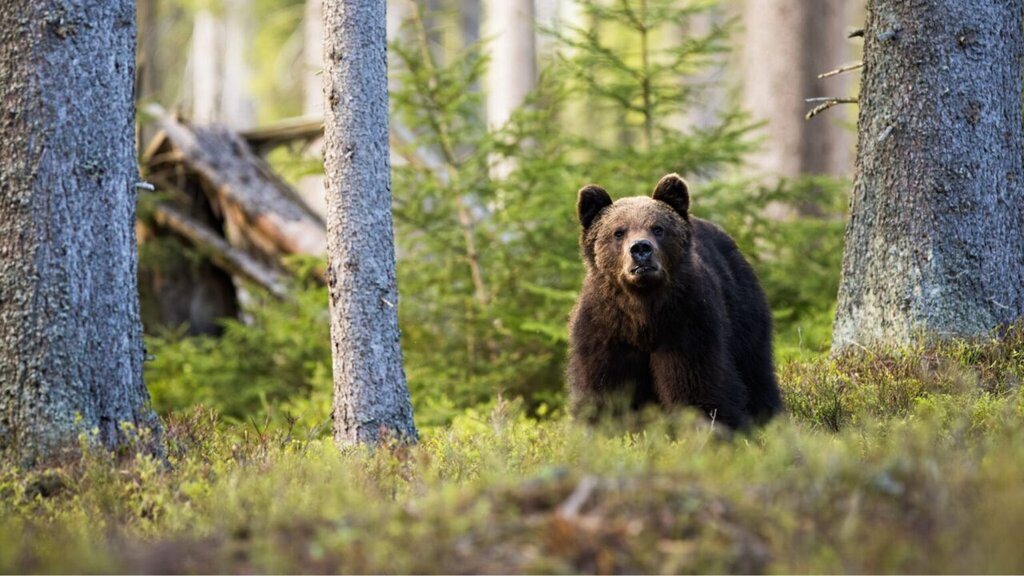
PHOTO krib.bg
In some Romanian towns located in an area with many bears, the combination of protected containers, electric fences and the removal of easily accessible food sources has reduced the problems to almost zero, experts say.
In Borino it is also planned to test devices for scaring away bears, which use a sudden flashing light and a variable high-frequency sound. The aim is to prevent bears from getting used to the signal. Similar technology has already been used successfully in Greece and Italy.
The problem of bears entering people’s neighbourhoods is exacerbated in years when there is not enough food in the wild. In 2023 and 2025, for example, a shortage of wild berries led to more cases of bears foraging around human settlements. Warm winters can also change the animals’ behaviour and easy access to food waste attracts them.
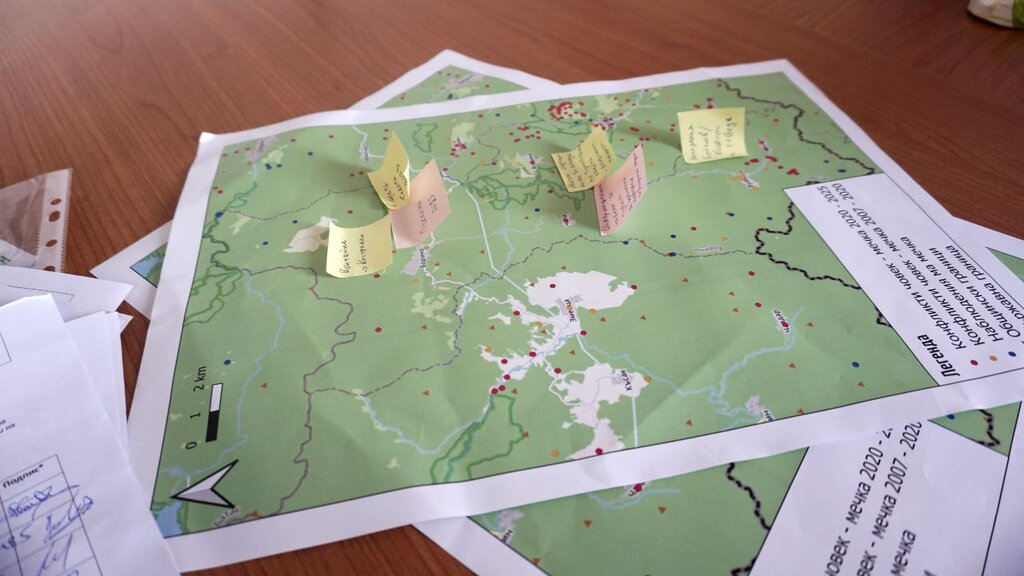
PHOTO wwf.bg
Among the most sensitive areas in the Rhodopes are the municipality of Banite and the area around Smilyan. According to experts, the depopulation of mountain villages is also important - old pastures and agricultural territories are gradually turning into dense forest areas and the remaining fruit trees provide additional food for the bears.
Along with the technical measures, educational activities with students are also planned in Borino. They will take place in the autumn, when the bears are particularly active.
Experts say that the goal is not to drive the animals out of the mountains, but to prevent them from becoming accustomed to human food. The bear plays an important role in the ecosystem – it spreads seeds, helps the natural regeneration of vegetation and feeds on dead animals, thus also performing a sanitary function. As a species that needs large territories, it is also a kind of indicator of the state of the mountain ecosystem.
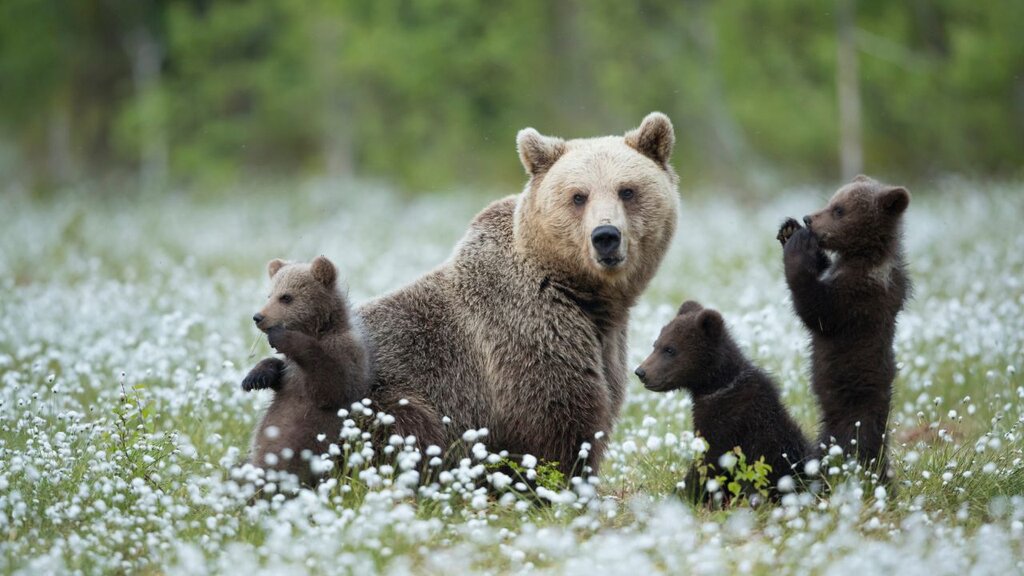
PHOTO wwf.bg
The exact number of brown bears in Bulgaria has not yet been established. Official estimates are for about 400-500 animals, while according to representatives of hunting and forestry circles, their number may exceed 1300. More accurate information is expected to be provided by genetic monitoring, during which about 4000 samples were collected last year. Their analysis should show not only the number of bears, but also their sex, family ties and genetic condition.
In Borino, the goal is clear – to prevent conflicts before they cause damage to the owners or dangerous habituation of the bears to human presence. The project is being implemented with the participation of the environmental organization WWF and the local authorities. Experience has been gained from the USA, Italy, Greece and several settlements in Romania, where similar measures are already yielding results.
This publication was created by: Alexander Markov