


News
Ivan Hinovski: Bulgaria’s еnergy sector is currently keeping the region afloat
Bulgaria’s energy system is operating under optimal conditions, says Bulgarian Energy and Mining Forum Chairman Ivan Hinovski
Wednesday 12 August 2026 13:18
Wednesday, 12 August 2026, 13:18

Ivan Hinovski
PHOTO Stefan Kunchev
Font size
Fuel prices have stabilised for now, as the market awaits any new shocks, energy expert Ivan Hinovski, chairman of the Bulgarian Energy and Mining Forum, told the Bulgarian National Radio (BNR).
“It has become common practice to expect shocks. However, we can say that we are in the best position in Europe because we are a fuel producer and our prices are relatively low. Our market is not experiencing any shocks and is not under pressure at the moment”, Ivan Hinovski said.
Ivan Hinovski recently warned that critically low water levels in the Danube River are threatening the cooling system of Bulgaria’s Kozloduy Nuclear Power Plant. In an interview for the “12+4” programme of the BNR’s Horizont channel, he explained:
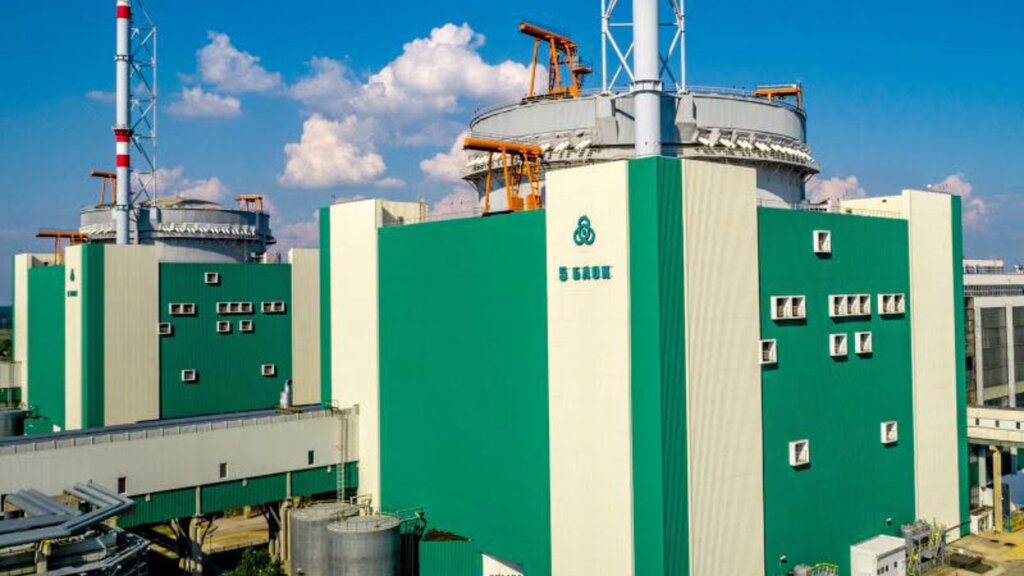
Kozloduy NPP
PHOTO Ministry of Energy-archive
“The Danube’s water level is crucial for the safe cooling of the Kozloduy Nuclear Power Plant, but it has stabilised over the past few days. Analysts have even reported a slight reversal in the trend, with the level rising by a few centimetres. There is still a safety margin. Kozloduy is a stable nuclear power plant when it comes to external cooling risks, as it was designed with such risks in mind. We still have a reserve of at least 10–15 centimetres in the Danube’s water level before any gradual shutdown of Units 5 and 6 would have to begin. I believe it will not come to that”, said Ivan Hinovski.
“The future Units 7 and 8 should have closed-circuit cooling towers'', the expert said. However, according to him, this approach has both advantages and disadvantages.
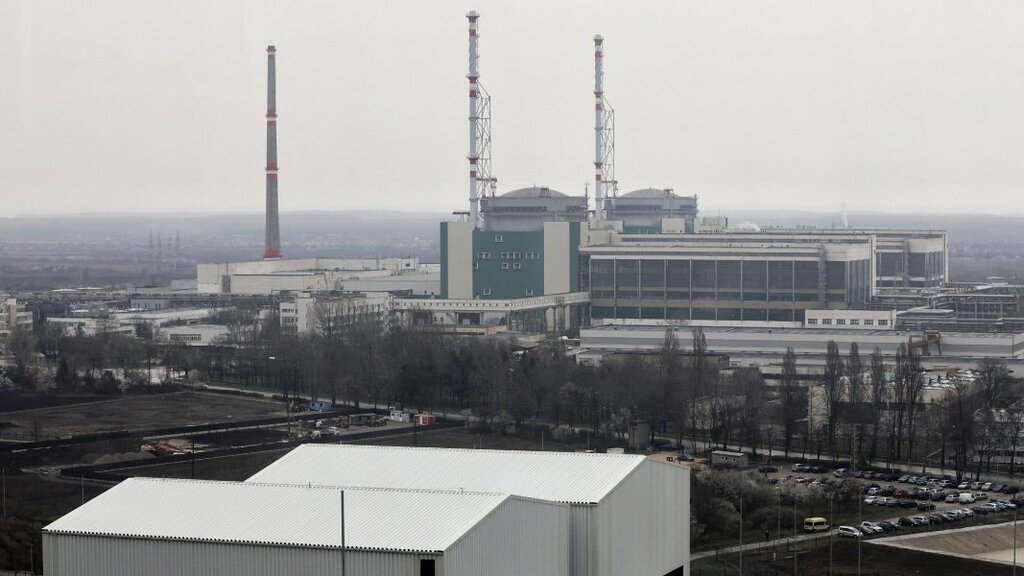
Kozloduy NPP
PHOTO BTA- archive
“It is safer because it does not depend on local fluctuations in the Danube’s water level, including temporary rises and falls. On the other hand, however, it requires more electricity for cooling, which means that the cost of electricity generation will be higher than with an open-loop system”, the expert explained, adding that the current conditions in the river will make the closed-loop system the preferred choice.
“Several days ago, the expert called for the coal-fired power plants at Maritsa East 2 and Bobov Dol to step up production. According to him, the plants are already taking advantage of the supply deficit in the region:
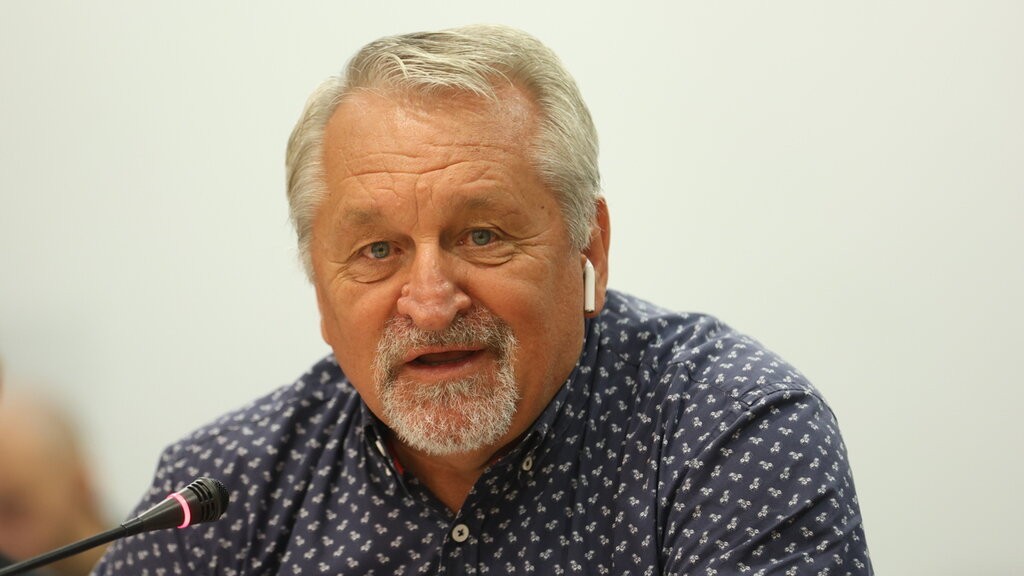
Ivan Hinovski
PHOTO BTA-archive
“At present, Bulgaria’s energy sector is helping to keep the region’s energy system afloat. We are exporting huge amounts of electricity, mainly to Romania, Serbia and North Macedonia, because we have managed to keep the Kozloduy Nuclear Power Plant operating at full capacity. In addition, the crisis in the region has prompted us to put almost all coal-fired power plants into operation. So, the mobilisation I spoke about has taken place”, said Ivan Hinovski.
According to Ivan Hinovski, Bulgaria does not have an energy strategy but has flexible energy investors. Regarding the role of photovoltaics in the stability of the grid as a whole, he said:
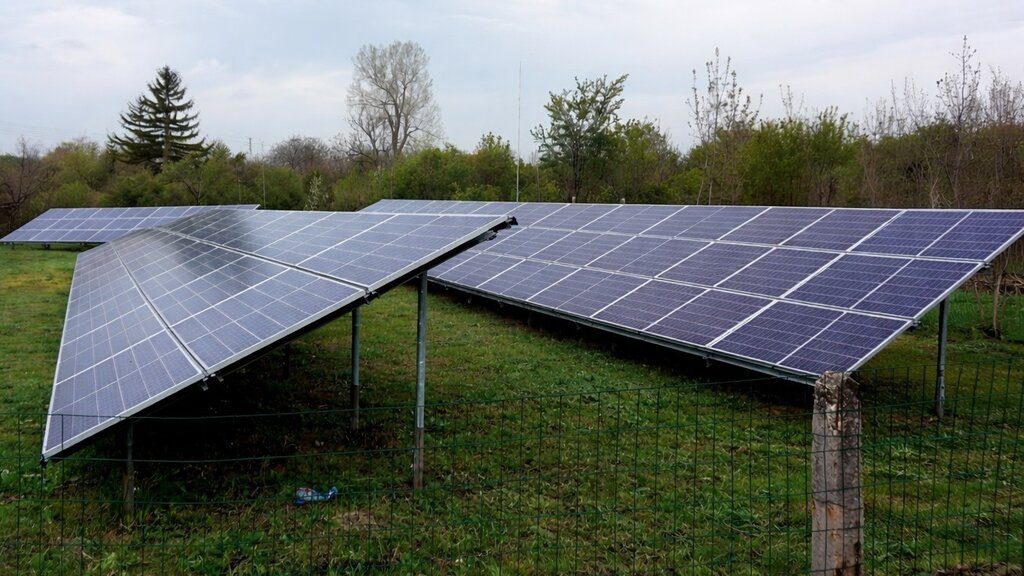
PHOTO Radio Vidin-archive
“Photovoltaics have their role as a modern technology and as an innovation. But Bulgaria went too far. The country made a major mistake by allowing a completely liberalised investment regime for photovoltaics.”
Ivan Hinovski pointed out that Bulgaria is currently a leader in photovoltaic energy storage systems, particularly battery storage. “This summer, based on applications for grid connections, we will reach 19,000 megawatts”, the expert said, adding that Bulgaria’s energy system is currently operating on an extremely optimal schedule for investors, the industry and the energy sector.
Edited by Elena Karkalanova
Interview by Lyudmila Zhelezova, Horizont channel-BNR
Translated by Kostadin Atanasov
This publication was created by: Kostadin Atanasov