


Author
Joan Kolev
Thursday 13 August 2026 14:45
Thursday, 13 August 2026, 14:45
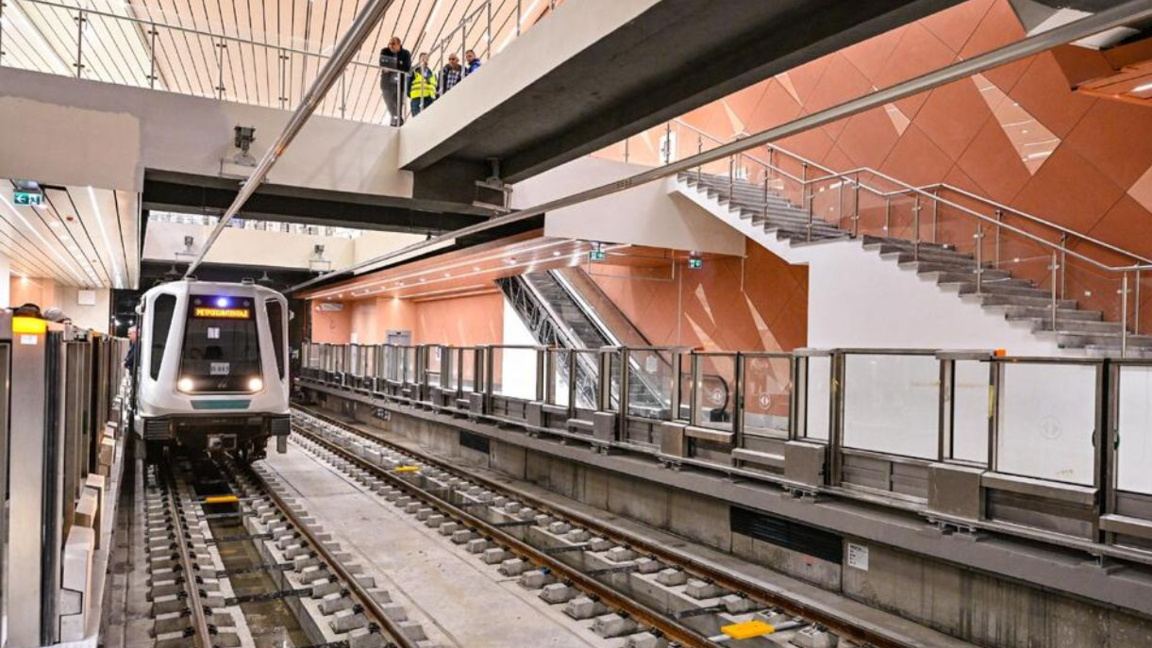
General Vladimir Vazov metro station in Sofia
PHOTO Sofia Municipality
Font size
Starting August 14, the underground metro network in Bulgaria’s capital Sofia will expand by three kilometres and three new stations: “Stadion Georgi Asparuhov,” “Vitinia,” and “Gen. Vladimir Vazov.” This will allow residents of Sofia’s northeastern neighborhoods to reach the heart of the city - the National Palace of Culture - in around 12 minutes.
Some 45,000 passengers are expected to use the new metro extension each day, which should improve not only public transport connectivity but also road safety in the Bulgarian capital.
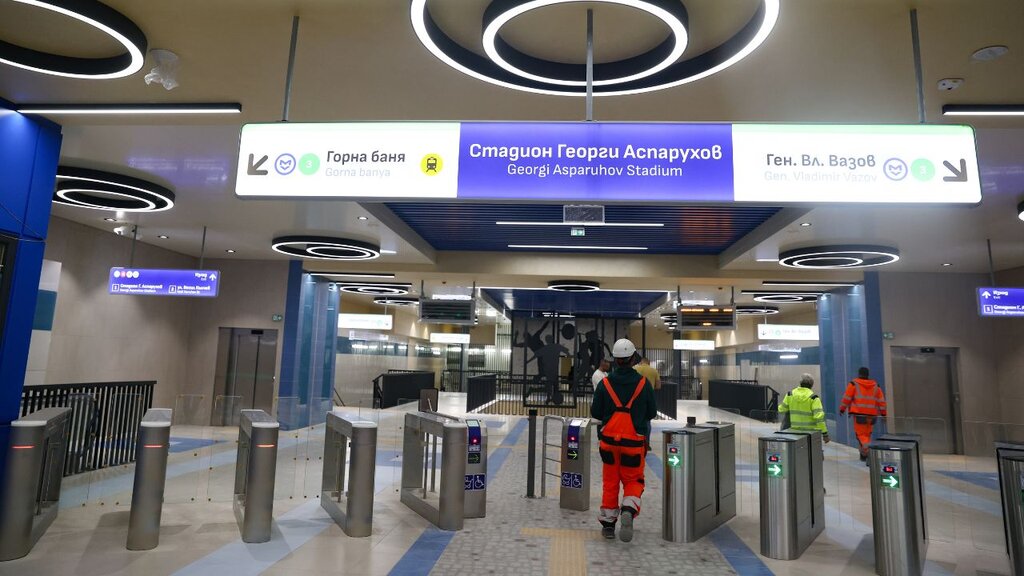
PHOTO BTA
“Thank you to the residents of the districts of "Hadzhi Dimitar", "Levski V", and "Levski G" for their patience, understanding, and cooperation during the construction of the metro line. With the opening of the new section, the results of years of work are now a reality - thousands of residents of these neighborhoods will have faster, more convenient, and environmentally friendly transport to different parts of Sofia. For us, this is an important step in the development of the Sofia Metro and in improving the city’s transport connectivity,” wrote Nikolay Naydenov, executive director of Metropoliten EAD, on the company’s Facebook profile.
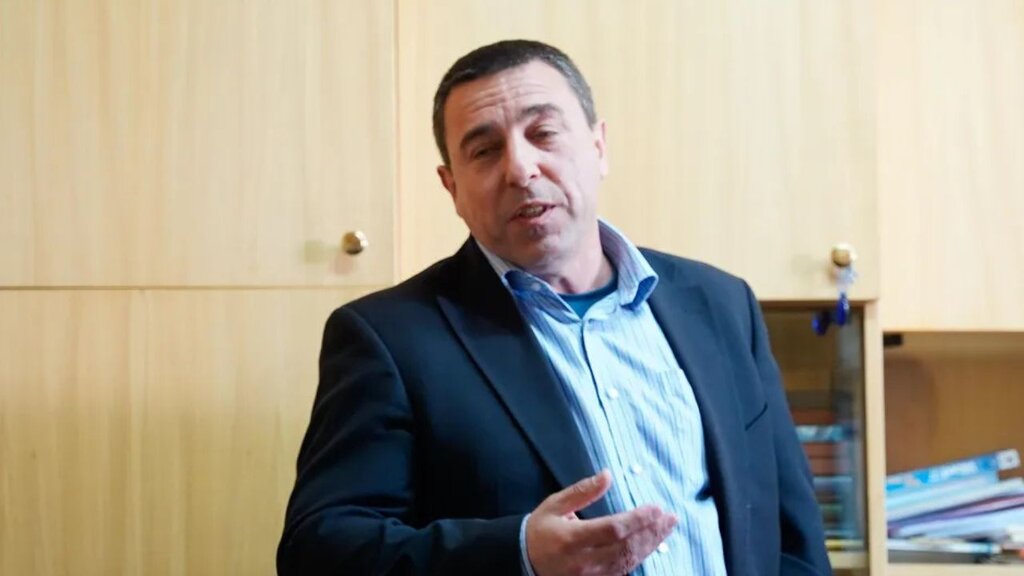
Nikolay Naydenov
PHOTO BGNES
The expansion of the metro is a strategic priority for Sofia Municipality, and the newly opened section is part of a larger project. In 2027, another six stations are expected to open toward "Geo Milev" and "Mladost" neighborhoods, along with one additional station in "Obelya".
The first metro train in the Bulgarian capital began operating 28 years ago, serving just eight stations along a 6.4-kilometre route. From 1998 to the present, the underground railway has expanded to 52 kilometres, with the metro now the preferred means of transport in Sofia.
Once the new stations are completed, the network will reach 61 kilometres, with approximately 650,000 passengers expected to use its 57 stations every day.
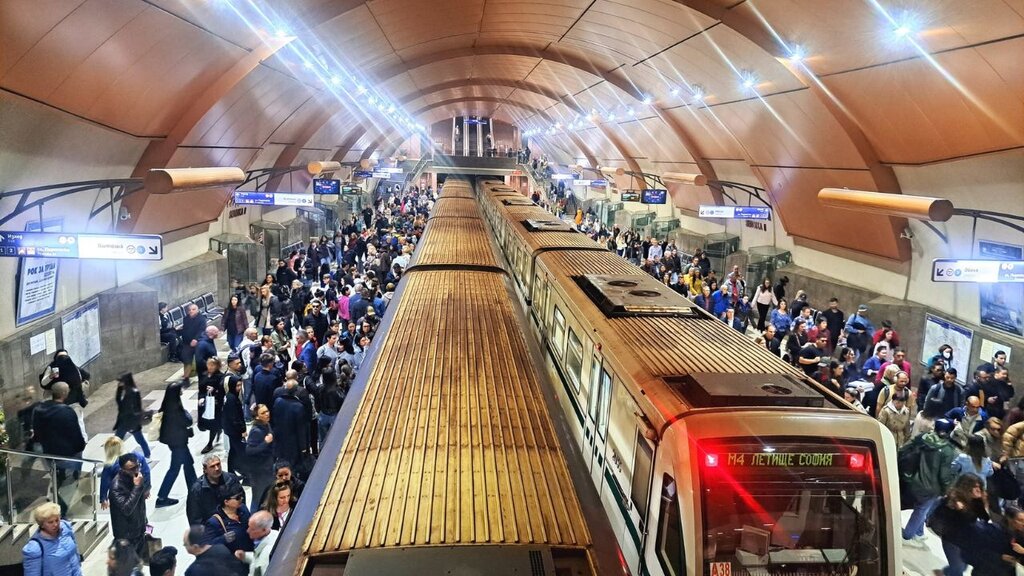
PHOTO Facebook / Sofia Metro
The first metro plans for Sofia date back to the late 1960s, but actual construction did not begin until the late 1970s. Progress was slow and fragmented, with construction repeatedly advancing and then stopping. Sofia residents were skeptical and often joked about the project and its future.
The first metro section nevertheless became a reality: two years before the end of the 20th century, the underground railway connected Sveta Nedelya Square in central Sofia with Lyulin, one of the city’s large residential districts. The diagonal connection between the Obelya and Mladost 1 neighborhoods was completed in 2009.
“Citizens will understand the importance of the metro when it operates as a system, rather than as just one metro corridor,” architect Petar Dikov explained at the time. He became Sofia’s chief architect in 2006 and a member of the board of Metropoliten EAD. Today, he is chairman of the Union of Bulgarian Architects and recalls how rapidly the Sofia Metro map has changed over the past 20 years, eventually developing into a four-line network.
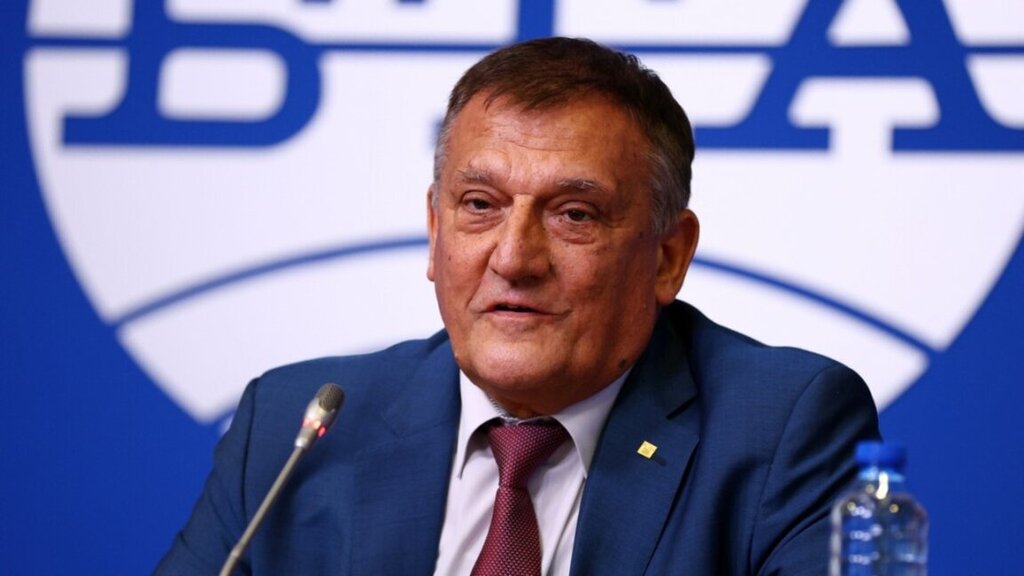
Architect Petar Dikov
PHOTO BTA
“After 2006, the major development of the Sofia Metro actually began. In September 2009, the section from Sveta Nedelya to Mladost metro station was opened - the first new section since the one inherited from the end of the previous century. That was when the most rapid development began, first toward the airport through Druzhba. Meanwhile, work on the second metro corridor also began.”
Gradually, residents came to appreciate the convenience of traveling underground - speed and predictability regardless of weather conditions. Nevertheless, some metro development projects have faced opposition, prompting routes to be reconsidered and changed. According to architect Dikov, these changes have often proved more cost-effective and beneficial. This was the case with the Third Metro Line, which is currently under construction.
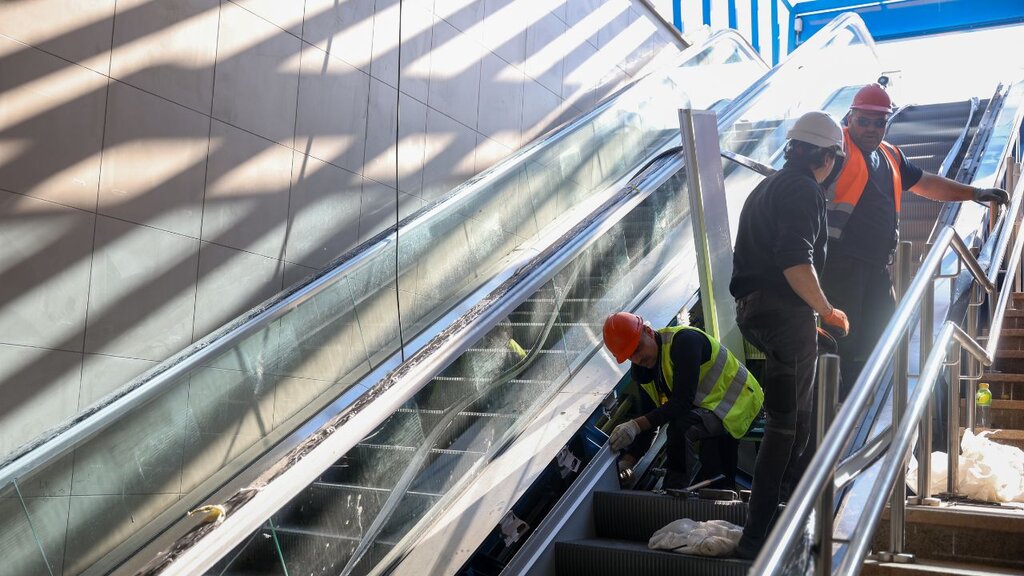
PHOTO BTA
“The original project was developed by Metropoliten Prague. I want to emphasize that the first project for the Third Metro Line followed Sofia’s 2006 General Development Plan. It was supposed to run along Tsar Boris III Boulevard as a light, above-ground metro. After Pirogov Hospital, it would go underground, and then along Botevgradsko Shosse boulevard it would again run as a light, above-ground metro,” Dikov recalls.
That project, which envisaged a combination of underground and above-ground sections, was not implemented following protests by the civic organization “Save the Metro,” which prompted the designers to consider a different approach and completely change the route. This also required an amendment to the city’s development plan.
“We then decided to connect the Ovcha Kupel neighborhood with the two branches of the metro - the eastern and western ones. At the time, Ovcha Kupel was the most disadvantaged neighborhood of Sofia. The other branch would run along Vladimir Vazov Boulevard, where there are many densely populated residential complexes in need of better transport. We extended the route along Vladimir Vazov Boulevard and established a connection with the Gerena Stadium - every stadium needs good transport links.”
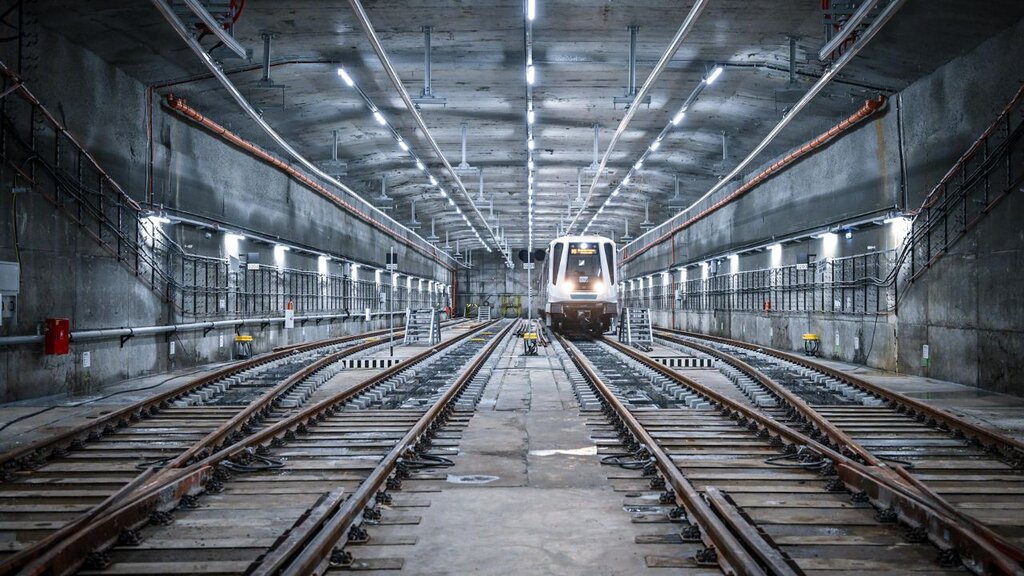
PHOTO Sofia Municipality
Thanks to European funding, the pace of construction has accelerated threefold. According to Sofia Municipality and Bulgaria’s Public Procurement Portal, the Second Metro Line was built with European funding under the Operational Programme “Transport,” receiving more than €500 million.
The Third Metro Line received funding in two stages - €185 million for the central section alone and another €68 million in grants for the second stage of construction. Total EU funding for the third line amounts to more than €350-400 million, including metro trains and extensions.
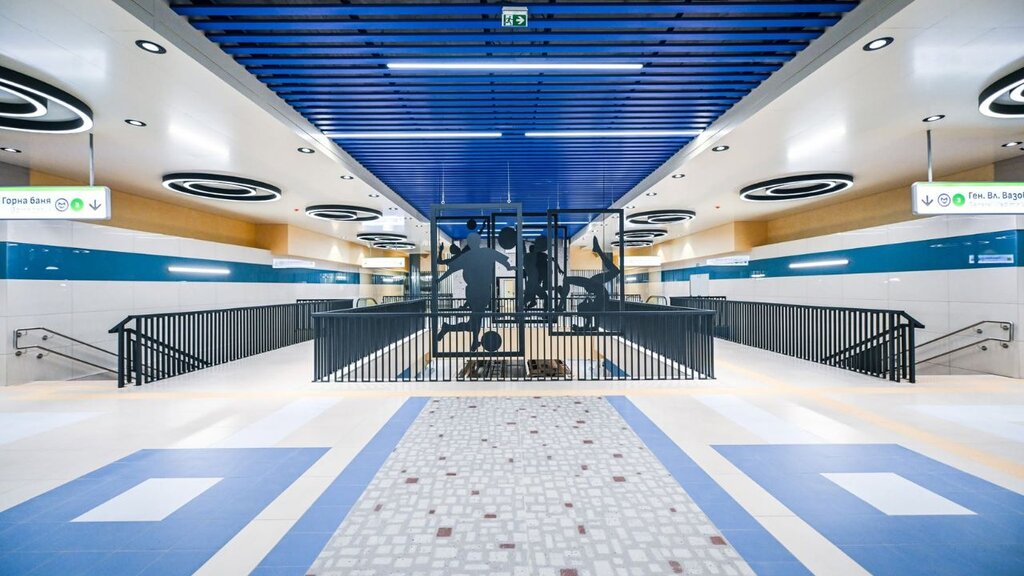
Stadium Georgi Asparuhov metro station
PHOTO Sofia Municipality
The construction of the new metro stations in Sofia is also being financed through European funds, together with co-financing from the municipal and state budgets. For the section along Vladimir Vazov Boulevard, the European Union is providing €144 million in funding.
It was recently announced that Sofia Municipality could receive another €265 million in European funding for public transport vehicles, part of which will be used to purchase 16 new metro trains.
As passengers travel comfortably and quickly, they will continue to hear the pleasant female voice announcing the stations of the Sofia Metro. It belongs to popular television journalist Nadya Obretenova.

Nadya Obretenova
PHOTO bnt.bg
“I have been recording the station announcements for the Sofia Metro since the very beginning. I don’t remember the year when I made the recording, but I was invited by the director of Metropoliten, engineer Stoyan Bratoev,” she told Radio Bulgaria.
Her professional interest in the development of the underground railway, however, goes beyond journalism. As an engineering student at Todor Kableshkov University of Transport, Obretenova completed an internship at the company responsible for designing the Sofia Metro. The political changes of 1989 and the suspension of work on this key infrastructure project forced her to turn toward journalism - a decision she says she has never regretted. Years later, however, she became the perfect person to announce the stations along the metro routes.
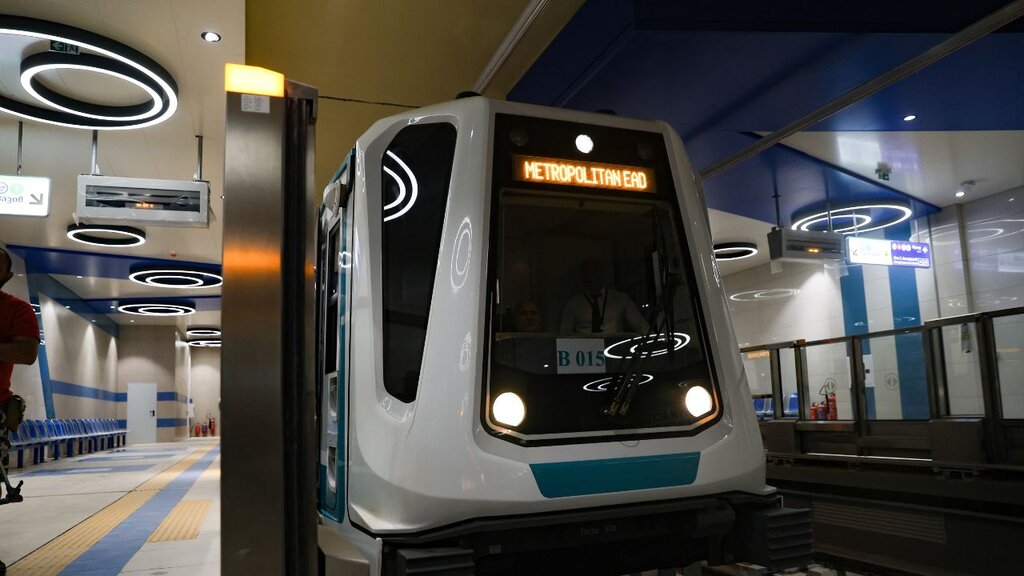
PHOTO BTA
“The most interesting thing is that when friends and acquaintances travel on the Sofia Metro and hear my voice, they think of me and realize that there’s something they haven’t told me or that we haven’t spoken recently. It’s very amusing that I often get calls from people I know, while in the background I can hear my own voice announcing the stations as they travel on the Sofia Metro. It was strange at first, but it doesn’t surprise me anymore.”
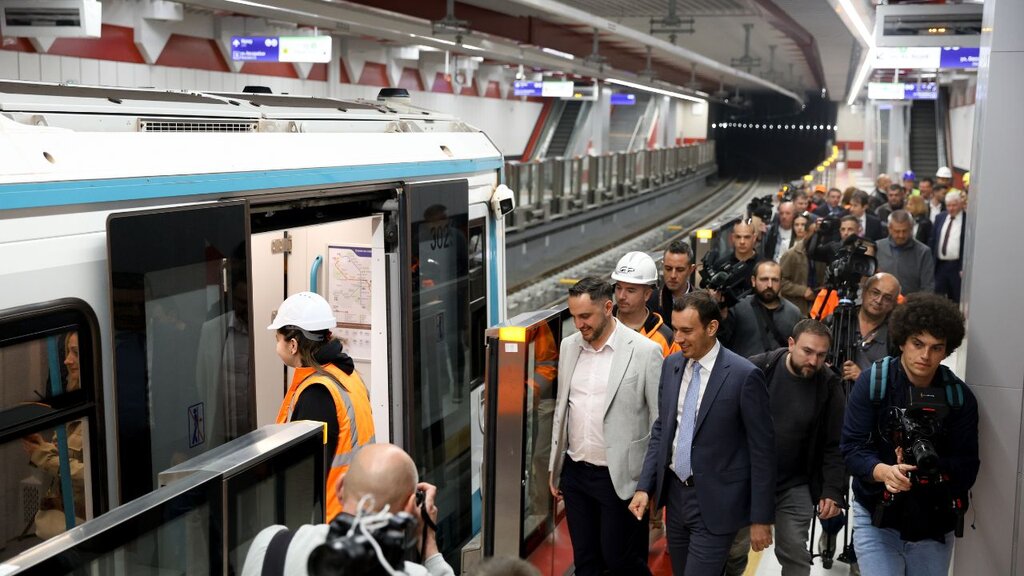
PHOTO BTA
The Sofia Metro is both a project and an achievement made possible by dozens of specialists - engineers, architects, geologists, and hydrotechnical engineers - people who create new connections and directions for the city. Their work is extremely demanding and risky, and the lives of thousands of people depend on its quality every day. Yet it is clear that the metro is much more than an engineering and transport structure: it shapes the way people live in a major city.
English: R. Petkova
This publication was created by: Rositsa Petkova