


Author
Diana Tsankova
News
More and more Bulgarians and foreigners are choosing a life in the countryside
The settlement of foreign citizens motivates local authorities to improve the urbanization of settlements in Bulgaria
Wednesday 19 August 2026 09:34
Wednesday, 19 August 2026, 09:34
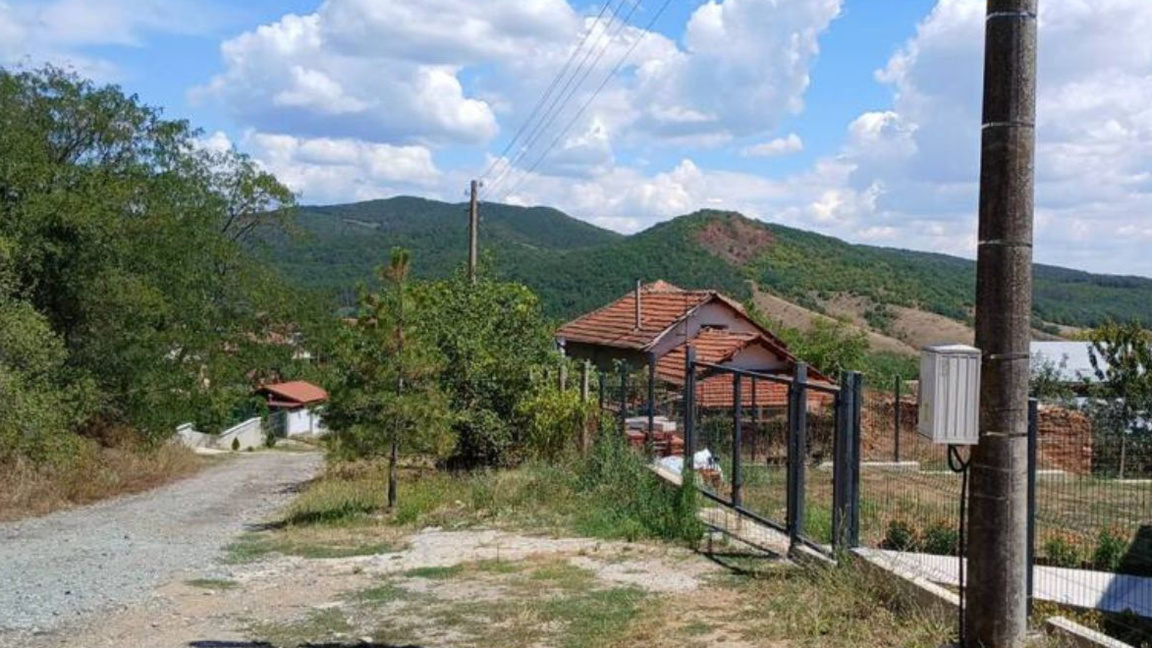
PHOTO Municipality of Stara Zagora
Font size
"Moving to the Countryside" is not just the title of an exhibition at the National Ethnographic Museum - behind it lie dark facts, but also a particle of hope. Although the demographic map of Bulgaria includes nearly 200 depopulated villages, at the same time people, fed up with the noise and crazy rhythm of the city, are beginning to cultivate a dream of a calmer and cleaner life, compatriots abroad and foreigners are finding new refuges in the mountains or by the seashore, and digital nomads are staying where an ethereal breeze, gentle chirping and a healthy donkey salute are part of the surrounding environment.
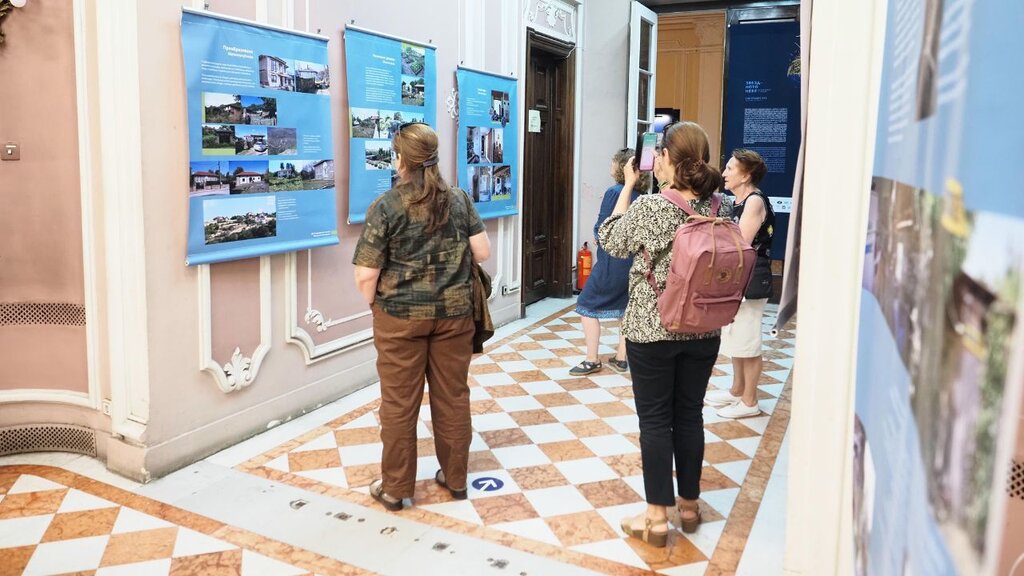
Photo exhibition "Moving to the Countryside"
PHOTO BGNES
Seven scientists from the Institute of Ethnology and Folklore Studies
at the Bulgarian Academy of Sciences set out to investigate whether
small settlements have a chance for a renewed life within the
framework of the project "The neighbour from Sofia, the
neighbour from Germany, counter-urbanization, socio-cultural
interaction and local transformations". They say that we should
not think of the city and the village as counterpoints, but in
symbiosis, because they are connected from antiquity to the present
day.
"Bulgarians
of working age very often go to live in villages that are close to
the city. It is this proximity that is the reason they choose the
place. This is often related to their work, but many of them also
work from home," Assistant Professor Desislava Pileva says.
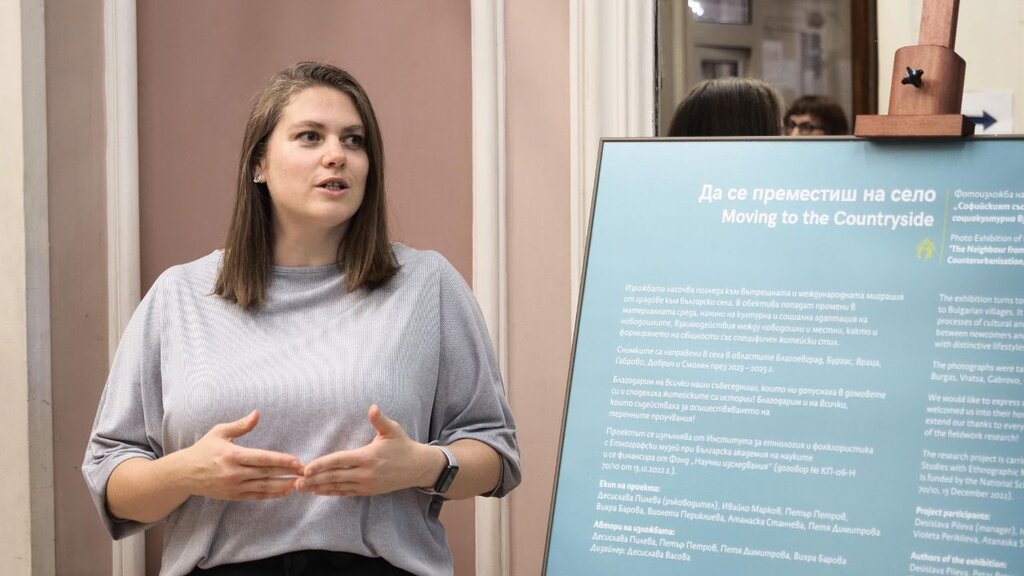
Desislava Pileva
PHOTO BGNES
"The
fact that life currently allows us to work remotely catalyses the
processes of moving out of the city and makes the village attractive
and relevant," her colleague, Assistant Professor Ivaylo Markov,
adds. "Of course, the infrastructure related to the Internet is
very important, because there are places where there is not even
telephone coverage. However, we should not generalize - some of the
people, after trying life in the village, may at some point return to
the city and work in the corporate world. Things are very dynamic,
like everything that surrounds us."
The
first waves of migration to the villages began during the Covid
epidemic. Many compatriots permanently residing abroad are also
returning home. Currently, the movement to our country - not only of
Bulgarians, but also of foreigners, exceeds the number of emigrants.
However, what makes some of these people build their new home in a
village?
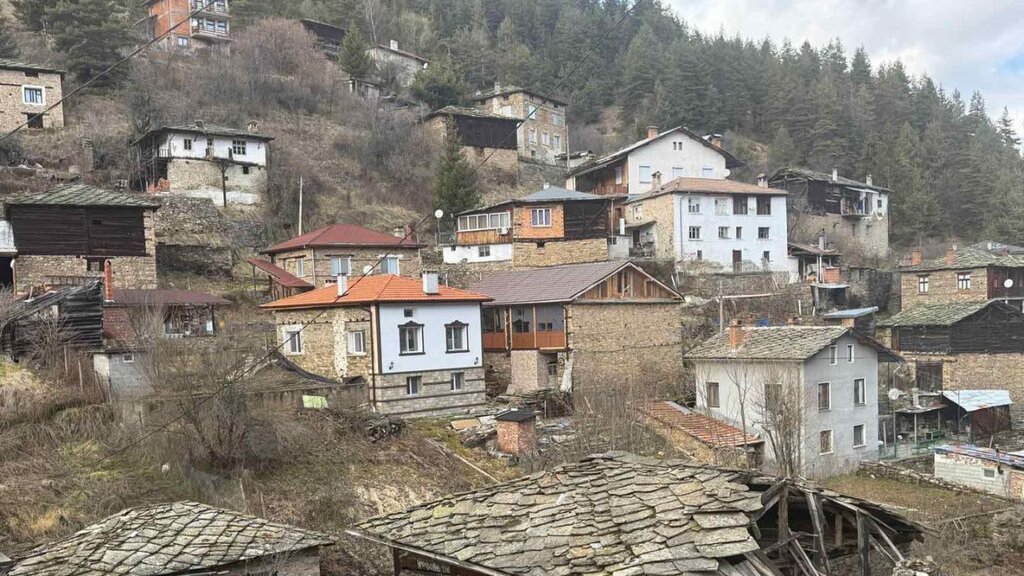
PHOTO BGNES
"The most basic thing regardless of financial status, professional achievement, age, is that these are people who are looking to secure a certain lifestyle,“ the scientists answer. „This could be closer to the sea, for example in Northeastern Bulgaria, where properties are much cheaper than in the south and there is this rural environment, which is very difficult to find in more populated areas. Another argument is the healthier climate."
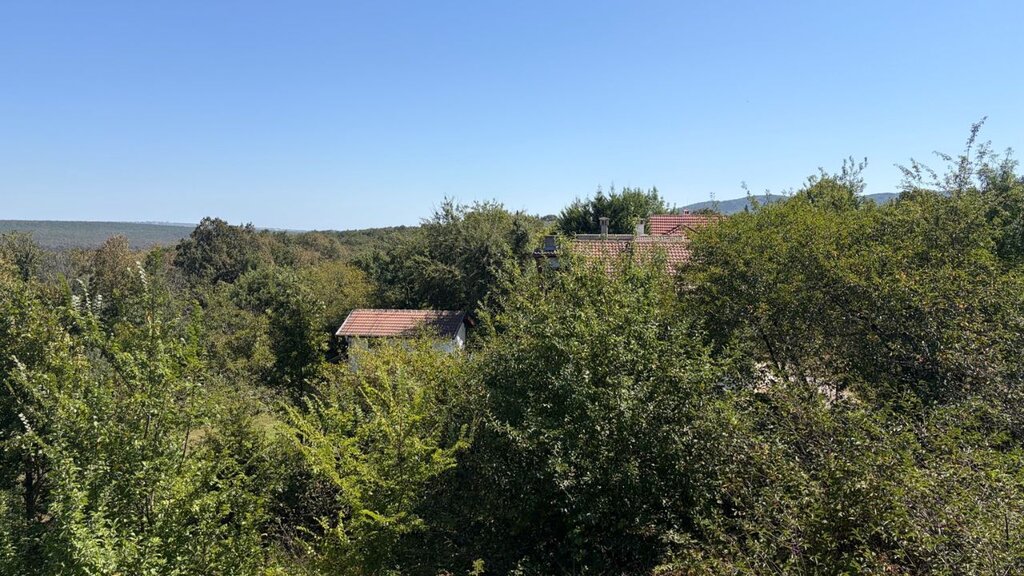
PHOTO Marta Ros
In many villages, construction activities are currently underway and old hereditary properties are being restored and are becoming habitable again. But the fact that those settling in them often do not change their registration gives a statistical error for the process of counter-urbanization in the country. The idea of cheaper life in a village as an attractive force for migration is also wrong. The truth is that in order to afford it, you have to be financially secure. The house, the garden – everything requires funds for maintenance, at least two cars are also needed, especially if the children have to go to school in a nearby town. And if the village is close to a larger settlement, the properties are always more expensive.
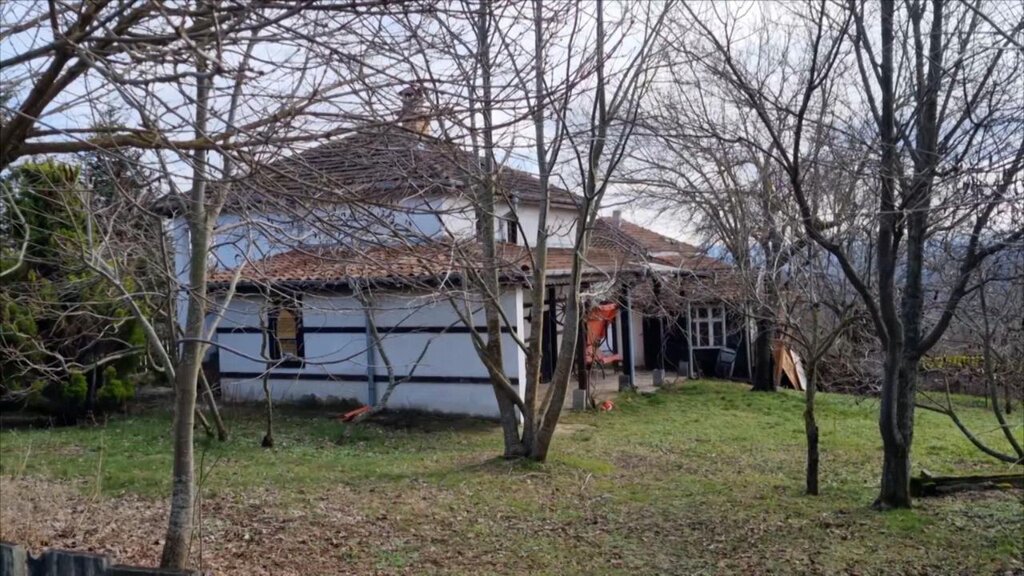
PHOTO BGNES
Some of the people attracted to the Bulgarian villages come from abroad. A large part of them are pensioners who can afford a higher standard of living in this country. Most often these are British and German citizens, as well as settlers from former socialist countries such as Poland and the Czech Republic.
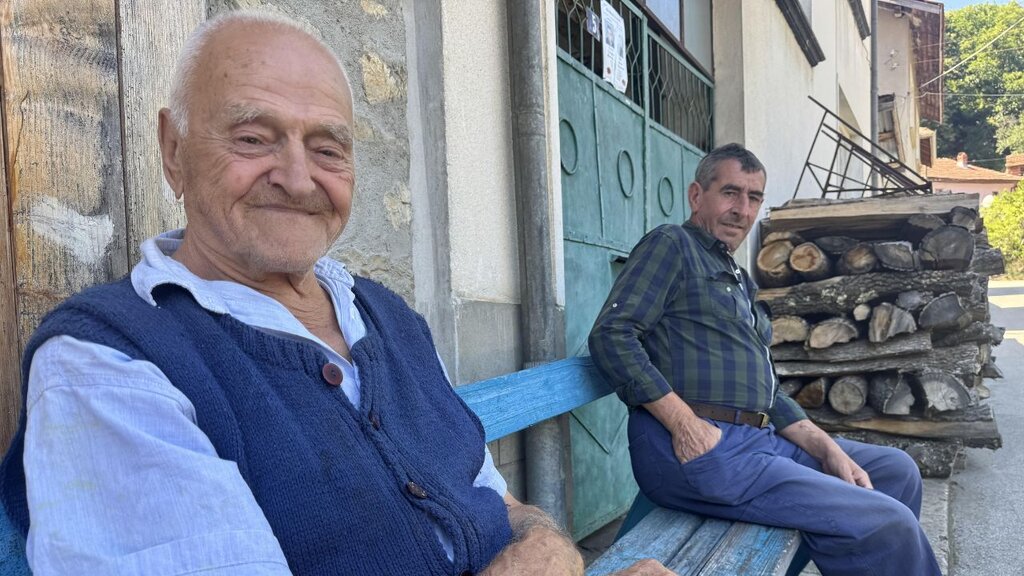
PHOTO BGNES
"When
there is no language barrier between newcomers and locals, then
adaptation becomes easier and more natural and foreigners are
included," Ivaylo Markov says. "Usually they are more
mobile, they take elderly Bulgarians to nearby towns, buy them
medicine and food, and our compatriots take care of their gardens
when the immigrants are in their home country. However, when the
language barrier is present, strong prejudices are created -
especially among locals towards newcomers, defining them as cold,
unsociable, closed in their own community, if one exists."
The
arrival of foreign citizens has a positive impact on settlements.
This motivates local authorities to work to improve the
infrastructure in villages. Community centers, on the other hand,
become a force of attraction and immigrants often get involved in
numerous artistic activities.
"Various
charitable causes and cultural events take place," Desislava
Pileva says. "There is active interaction between locals and
newcomers, as well as seasonal residents, who carry out cultural and
social exchange. This constant movement is at the heart of
everything, because both Bulgarians and foreigners come with their
resources, knowledge, and contacts, and they are very important,
especially when it comes to various initiatives for the development
and improvement of the village."
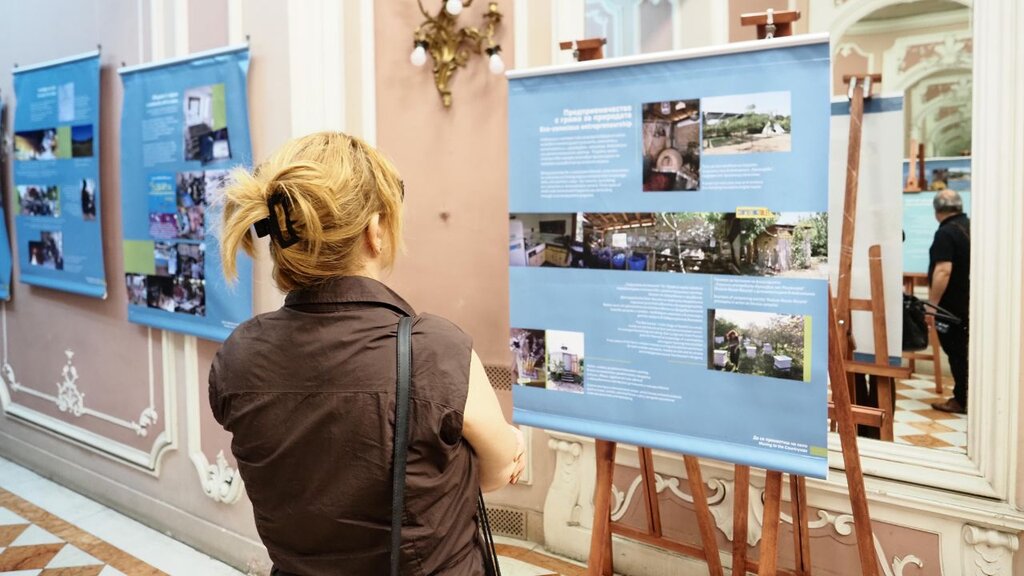
PHOTO BGNES
The
exhibition "Moving
to the Countryside"
can be seen until the end of September in the capital city, after
which it will travel to the places where research was conducted under
the project. The scientists want to show the photographs of the
people who contributed to the scientific research. "This is a
good way to continue the dialogue with them and hear their assessment
of our point of view and work," Desislava Pileva says.
Text:
Diana Tsankova (based on an interview by Mariana Gancheva from the
"Hristo Botev" program of the Bulgarian National Radio)
This publication was created by: Alexander Markov