


Author
Tsvetana Toncheva
News
Alexander Yossifov’s "Requiem" – an apotheosis of love performed by Lili Ivanova
Friday 21 August 2026 20:00
Friday, 21 August 2026, 20:00


PHOTO Archive
Font size
“Requiem”, with lyrics by Yordan Milev, was the first song by Bulgarian composer Alexander Yossifov to enter the repertoire of Lili Ivanova, the undisputed icon of Bulgarian popular music. Her encounter with Yossifov was one of the most significant in the life and artistic career of the prima of the Bulgarian popular music scene, who years later would describe him as “one of the greatest aristocrats in Bulgarian music”.
Yossifov was only 27 at the time, while Lili was about a year older. It was precisely then, in the late 1960s and early 1970s, that her meteoric rise to fame began. This was the period when Lili Ivanova, the greatest Bulgarian pop performer of all time, was shaping her repertoire exclusively around songs by Bulgarian composers and lyricists. Throughout the rest of her career, she would perform almost entirely in Bulgarian, with only very rare exceptions, elevating Bulgarian poetry to an art form in its own right.
Her creative partnership with Alexander Yossifov proved highly fruitful. He began writing songs specifically for Lili, and she went on to win prestigious international awards with his compositions.
“Requiem”, set to Yordan Milev’s poetry and now regarded as a classic of Lili Ivanova's repertoire, was recorded in both Bulgarian and Turkish in 1968. Two years later, the song was awarded a bronze medal at a festival in Rio de Janeiro. The choice of lyrics was a significant factor in its success.
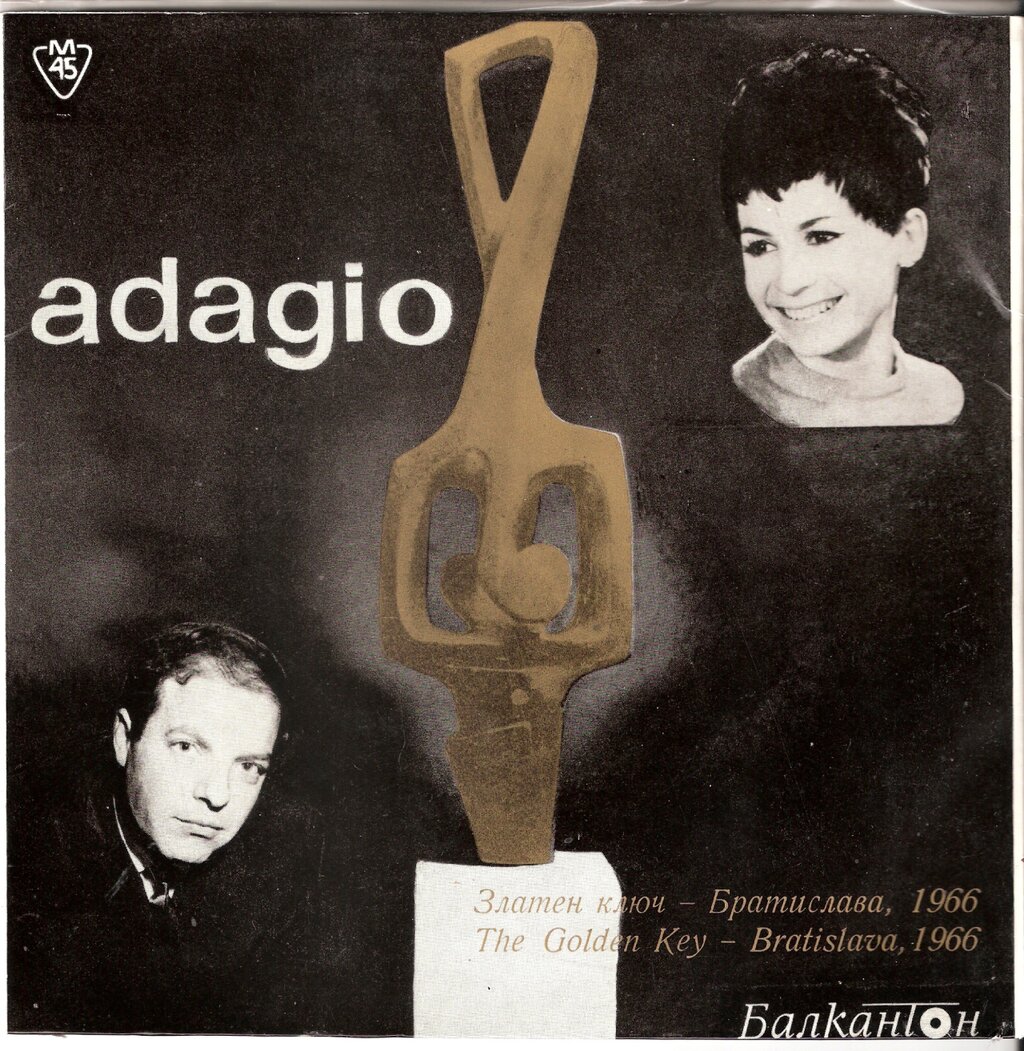
PHOTO balkanton.su
Yordan Milev also wrote the lyrics for the hit “Adagio”, which brought Lili Ivanova and composer Angel Zaberski the festival’s top prize, the Golden Key, at the Intervision Song Festival in Bratislava in 1966.
A writer of broad literary and cultural interests, Yordan Milev was a poet, author, translator and journalist. He was born in 1933 in a small village in northwestern Bulgaria. After graduating in journalism from Sofia University, he specialised in Eastern cultures in Tashkent, Tehran, Delhi and Manila. He worked as an editor for newspapers and magazines and at the Bulgarian National Radio, later holding senior positions at the Narodna Mladezh publishing house.
Milev authored dozens of volumes of poetry, books for children and travel writing, and his works were translated into more than 15 languages, including Arabic, Hindi and Persian.

Yordan Milev
PHOTO Archive
Yordan Milev also made a major contribution to bringing Eastern poetry into Bulgarian, translating works by such figures as the 20th-century Uzbek literary classics Gafur Gulyam and Zulfiya Isroilova, the legendary Persian poets Hafez, Omar Khayyam, Ferdowsi and Saadi, as well as the Sanskrit collection Panchatantra.
His profound engagement with Eastern cultures and literary traditions left its mark on his distinctive poetic sensibility. A striking example is his choice of the title “Requiem” for a poem that celebrates love. In Milev’s Requiem, love “will remain immortal for centuries, but live only once”.
“My father held Bulgarian poets in high esteem and maintained personal friendships with many of them. They would give him copies of their poetry collections, and he always composed songs exclusively to pre-existing poetry,” Alexander Yossifov’s daughter, Boryana, said in a special interview with Radio Bulgaria in 2025. In the same interview, she highlighted the exacting standards that both Lili Ivanova as a performer and Alexander Yossifov as a composer consistently applied to a song’s lyrics.
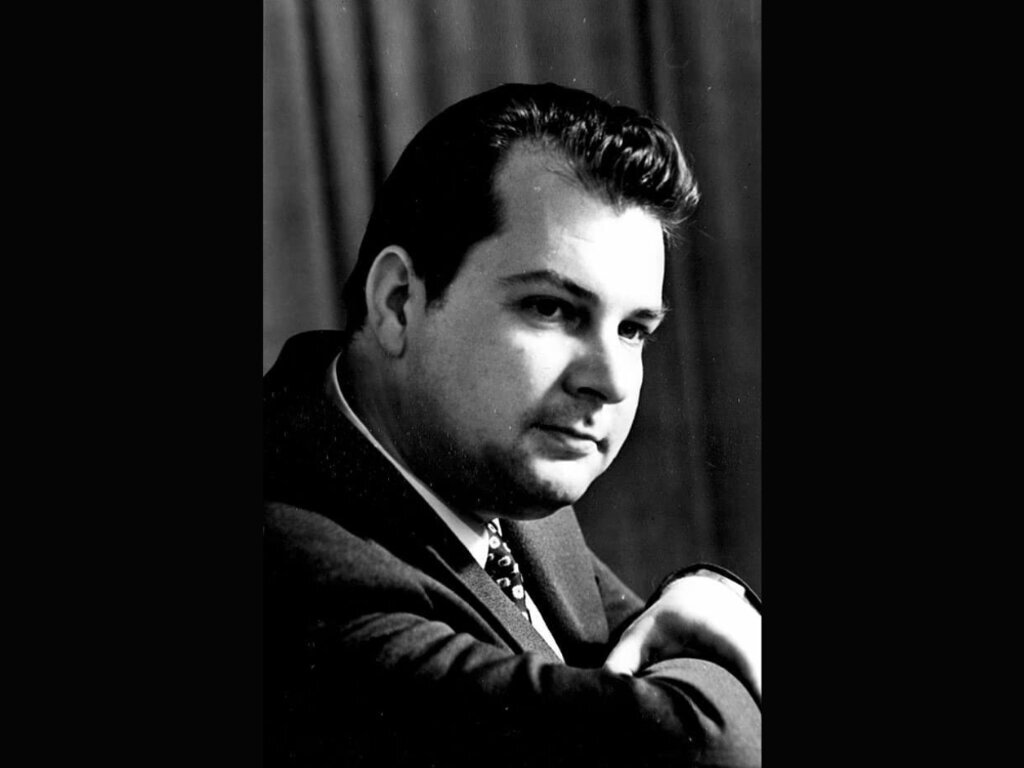
PHOTO Facebook / Alexander Yossifov
The distinctive imagery, musical rhythm, elegiac quality, philosophy and metaphors, everything that poetry conveys through the refinement of language as well as through its underlying message, received particular attention from the two musicians. This sensitivity to the written word was one of the reasons why the creative collaboration between singer and composer proved so remarkable.
Decades after its creation, the song “Requiem” was given a new lease of life. Its latest version was included in Lili Ivanova’s 2014 album "The Poet". To this day, the song remains an integral part of the singer’s artistic legacy and a cherished work in the treasure trove of Bulgarian musical culture.
This publication was created by: Rositsa Petkova