


News
Fentanyl: a new risk in Bulgaria’s changing opioid landscape
There are no “modern” or “less dangerous” drugs, warns Aleksandar Panayotov of the National Center of Public Health and Analyses
Monday 24 August 2026 15:24
Monday, 24 August 2026, 15:24
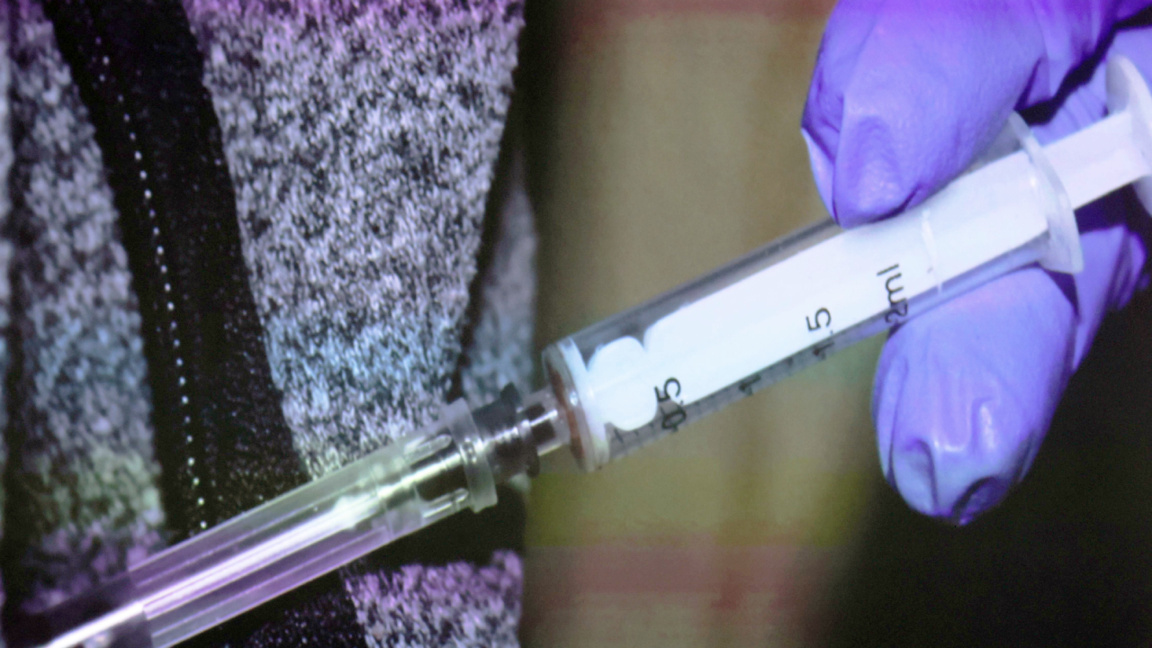
PHOTO BTA
Font size
Drug use among young people is changing in parallel with their environment. In addition to familiar substances, new psychoactive substances, smoking products, and various forms of online distribution are emerging on the market. This requires institutions not only to monitor drug use but also to identify new risks in a timely manner.
How is the situation changing in Bulgaria, and where does the country stand compared with other European countries? We discuss these issues with Aleksandar Panayotov, Chief Expert and Head of the National Focal Point on Drugs and Drug Addictions at the National Center of Public Health and Analyses.
Over the past 15–20 years, cannabis has been the most commonly used illicit drug in Bulgaria and across Europe. Stimulants such as amphetamines, methamphetamines, ecstasy, and cocaine are also commonly used. In recent years, however, there has been a shift away from traditional cannabis use toward smoking products containing synthetic and semi-synthetic cannabinoids, the expert notes:
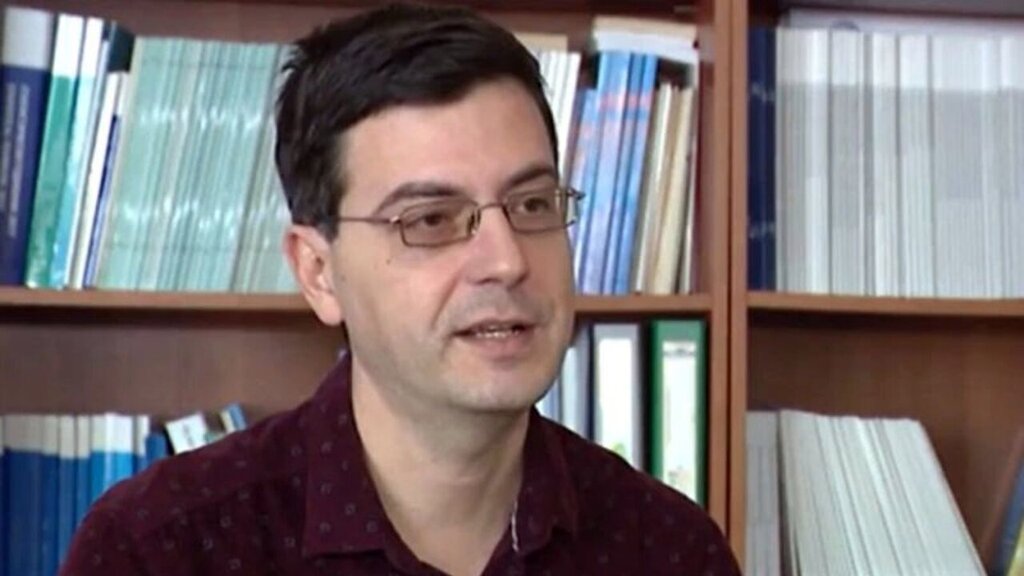
Aleksandar Panayotov
PHOTO National Center of Public Health and Analyses
''In recent years, there has been a decline in cannabis use, alongside an increase in the use of other types of smoking products, such as vapes containing various synthetic and semi-synthetic cannabinoids, heated tobacco devices, and hookahs. At the same time, nitrous oxide use has also increased'', said Aleksandar Panayotov.
Of particular concern is the growing use of fentanyl — a powerful opioid that is increasingly being coming into focus in Bulgaria.

PHOTO bntnews.bg
''Fentanyl has been a problem in Bulgaria for the past three years, with a significant number of deaths recorded over the last two years'', explains Aleksandar Panayotov. “We are conducting a study at the National Focal Point on Drugs and Drug Addictions, together with forensic medicine specialists and toxicologists, and the findings show an increase in the number of deaths associated with fentanyl use — 53 cases in 2024 and 58 in 2025. These figures are much lower than those in the United States, where deaths number in the thousands. However, it is important to note that fentanyl is becoming increasingly widespread in Bulgaria, with a corresponding increase in fentanyl-related deaths''.
According to the expert, Bulgaria is around the European average in terms of drug use among young people. However, the profile of users is changing — the gap between boys and girls has become significantly smaller, and for some substances, girls are even more likely to use them. Access to drugs is also being facilitated by the internet and social media, while some new products are sold through websites based outside the country, making them more difficult to regulate.
In response to the rapidly changing market, European countries maintain an early warning system for new psychoactive substances, in which Bulgaria participates through the National Focal Point on Drugs and Drug Addictions.

PHOTO bTV
“There is a special early warning system for new psychoactive substances, both at the European level and in Bulgaria. It is maintained by the National Focal Point for Drugs and Drug Addictions. It is a network of countries that includes the 27 EU member states, as well as Türkiye and Norway, where information is exchanged. Bulgaria regularly provides information, including an annual report to this European early warning system. When we detect a new substance and it is placed under intensive monitoring, the information is shared with the other countries. There is also a mechanism for adding new psychoactive substances to the lists of prohibited substances”, said Aleksandar Panayotov.
According to the National Early Warning System Bulletin, 34 new psychoactive substances were identified in Bulgaria during the first half of 2025, with the number of new substances rising steadily over the past three years.
Against this backdrop, prevention remains one of the key priorities. It cannot be the responsibility of just one institution or the family alone.
PHOTO mentalhealth.org
''Prevention should involve not only parents, but also teachers and society as a whole, because this is an issue that affects the entire society'', Alaksandar Panayotov points out. ''Of course, parents need to pay attention to what is happening with their child and maintain open communication, because communication is very important in understanding the path their child is taking. Institutions should also monitor the situation. Schools play a very important role in prevention.''
According to Aleksandar Panayotov, Bulgaria already has a range of national and local prevention initiatives, but better coordination between them remains a challenge, so that these efforts can be more effective.
One of the most important messages for young people is not to underestimate the risks hidden behind labels such as “modern” or “safer” drugs. According to Panayotov, different substances carry different risks, including the risk of addiction and serious health consequences. Therefore, in today’s world, where new psychoactive substances can emerge in a short period of time and information and offers can reach young people through their phones, prevention increasingly depends on timely information and open dialogue.
Translated by Kostadin Atanasov
This publication was created by: Kostadin Atanasov