Author
Ivo Ivanov
Radio Bulgaria's History Club
The diplomatic battle that followed Bulgaria’s Unification in 1885
Sunday 6 September 2026 14:35
Sunday, 6 September 2026, 14:35
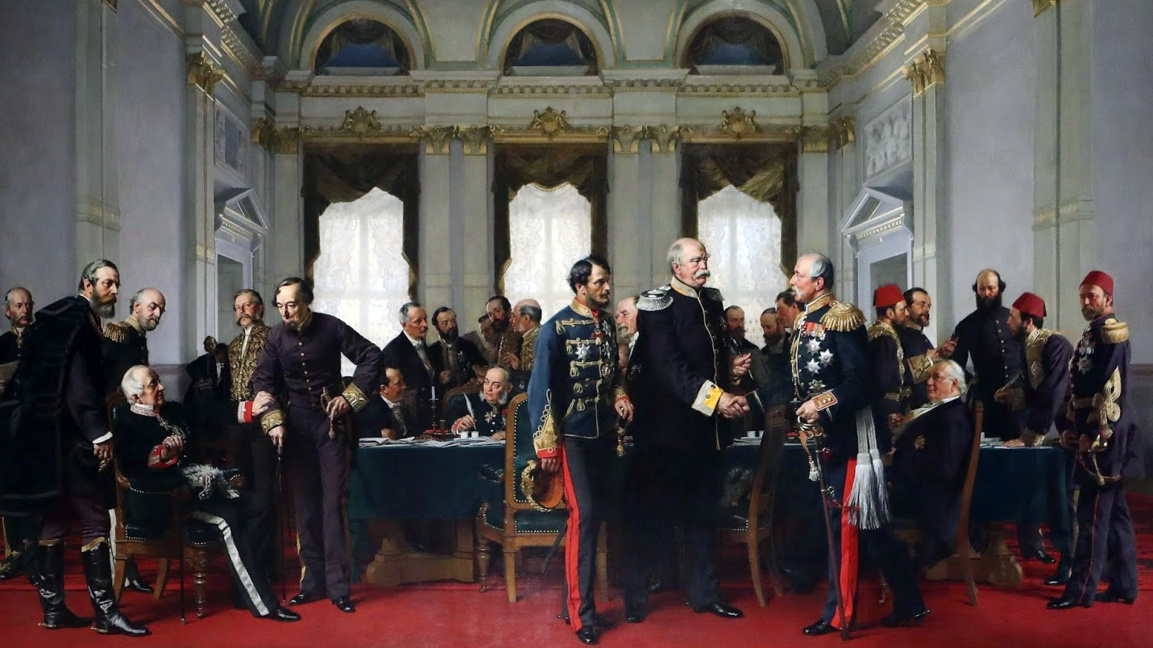
“The Congress of Berlin”, by Anton von Werner
PHOTO Archive
Font size
At the Congress of Berlin in 1878, the Great European Powers reaffirmed the agreement they had reached before the outbreak of the Russo-Turkish War of 1877-1878. In order to safeguard their interests in the Balkans regardless of the outcome of the war, they had agreed that no unified Bulgarian state would be established. The Bulgarian-inhabited lands were divided. Northern Dobruja was ceded to Romania, while Serbia received the Sanjak of Niš. The lands between the Danube and the Balkan Mountains, together with the Sofia region, formed the Principality of Bulgaria, a vassal state of the Ottoman Empire. To the south, in Thrace and the Rhodope Mountains, the autonomous province of Eastern Rumelia was established, remaining directly under the suzerainty of the Sultan.
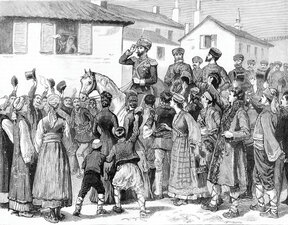
On 6 September 1885, the Bulgarians partially rejected this imposed settlement by proclaiming the Unification of the Principality of Bulgaria and Eastern Rumelia. In doing so, they presented the Great Powers with a fait accompli.
To defend their cause, the Bulgarians had to exploit the rivalries among the Great Powers, as well as their reluctance to go to war at that particular moment. They also had to prevent Ottoman military intervention while neutralising opposition from Russia, which came out against the Unification.
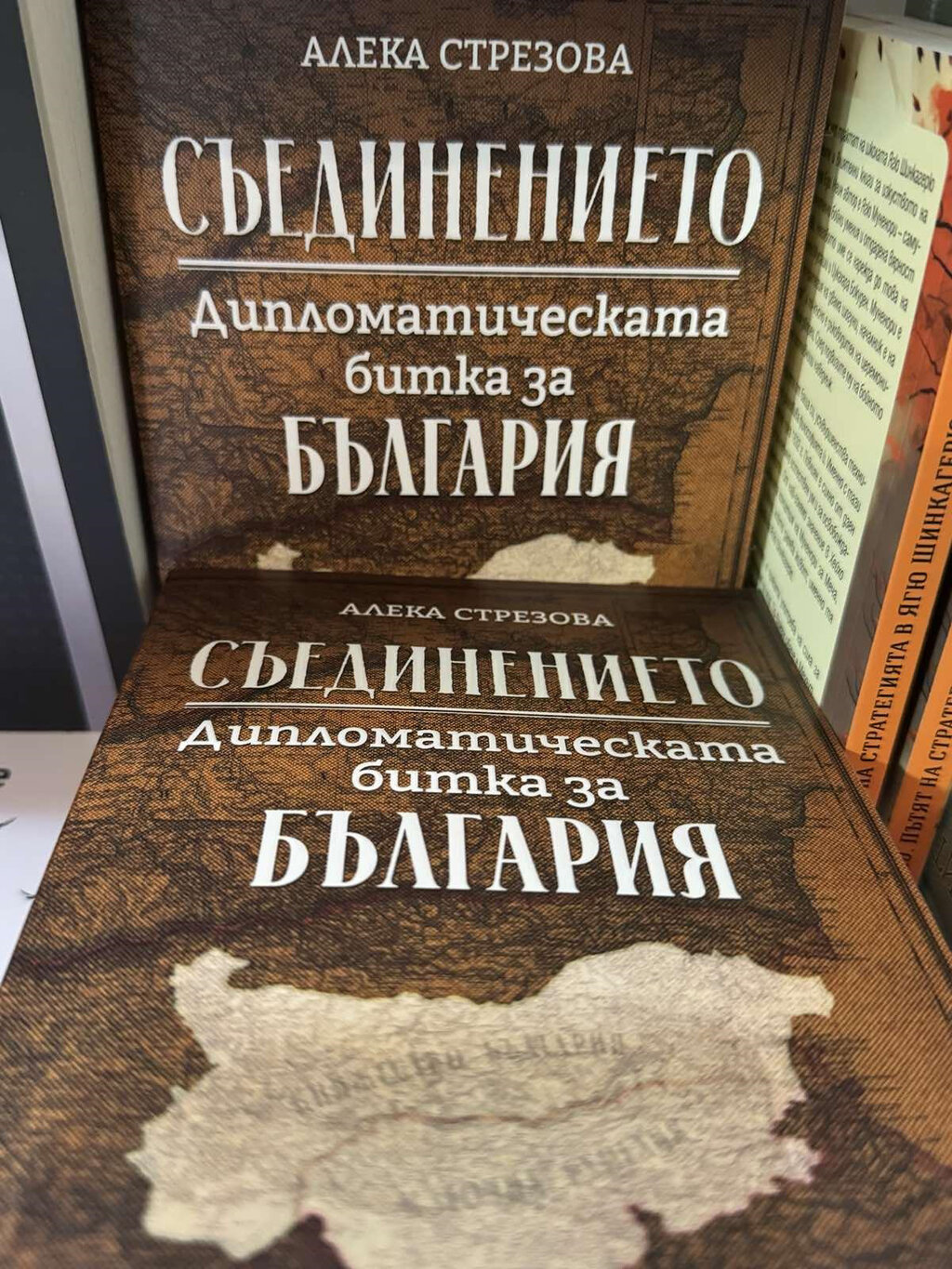
PHOTO BGNES
Associate Professor Dr. Aleka Strezova, a lecturer at New Bulgarian University in Sofia and a researcher at the Institute for Historical Studies of the Bulgarian Academy of Sciences, tells the story of this defining moment for the young Bulgarian diplomacy. She is the author of the book The Unification. The Diplomatic Battle for Bulgaria.
Paradoxically, she notes, Bulgarian diplomacy emerged even before the Bulgarian state itself was established, as she explains in an interview with Radio Bulgaria:

Assoc. Prof. Dr. Aleka Strezova
PHOTO BTA
“Figures who represented the Bulgarian cause abroad began to emerge as early as the April Uprising of 1876. They were people with an excellent education for their time. Since we know that Bulgaria had no traditional aristocracy inherited from the Middle Ages, the principal asset of the people who built modern Bulgaria was their education. In this respect, we can certainly highlight the graduates of Robert College, the American school in Constantinople, which played a major role in shaping the Bulgarian post-Liberation elite. [...] This new generation of political leaders had a modern education and a contemporary outlook on the world and international relations.”
The researcher explains that throughout the seven years following the Liberation of Bulgaria in 1878, Bulgarian representatives in Europe, acting in coordination with Prince Alexander I of Bulgaria, raised the issue of the prospective unification of the two autonomous Bulgarian political entities whenever the opportunity arose and at every level.
“William Gladstone’s government returned to power in London. The Bulgarians decided that this was a favourable moment to do something with the ‘friend of the Bulgarians’. Stefan Panaretov [a lecturer at Robert College] went there. His mission was unsuccessful for various reasons, but upon returning to Constantinople, where he lived, he wrote a report to the then Bulgarian Foreign Minister Dragan Tsankov. He said that the mission had failed, but stressed: ‘In my opinion, the question of Bulgaria’s Unification should not be set aside. It must be raised continually, and the Great Powers must become accustomed to the idea that we will fight for this Unification and defend it, and that they should not forget that this is on our agenda and is our foremost objective.’”
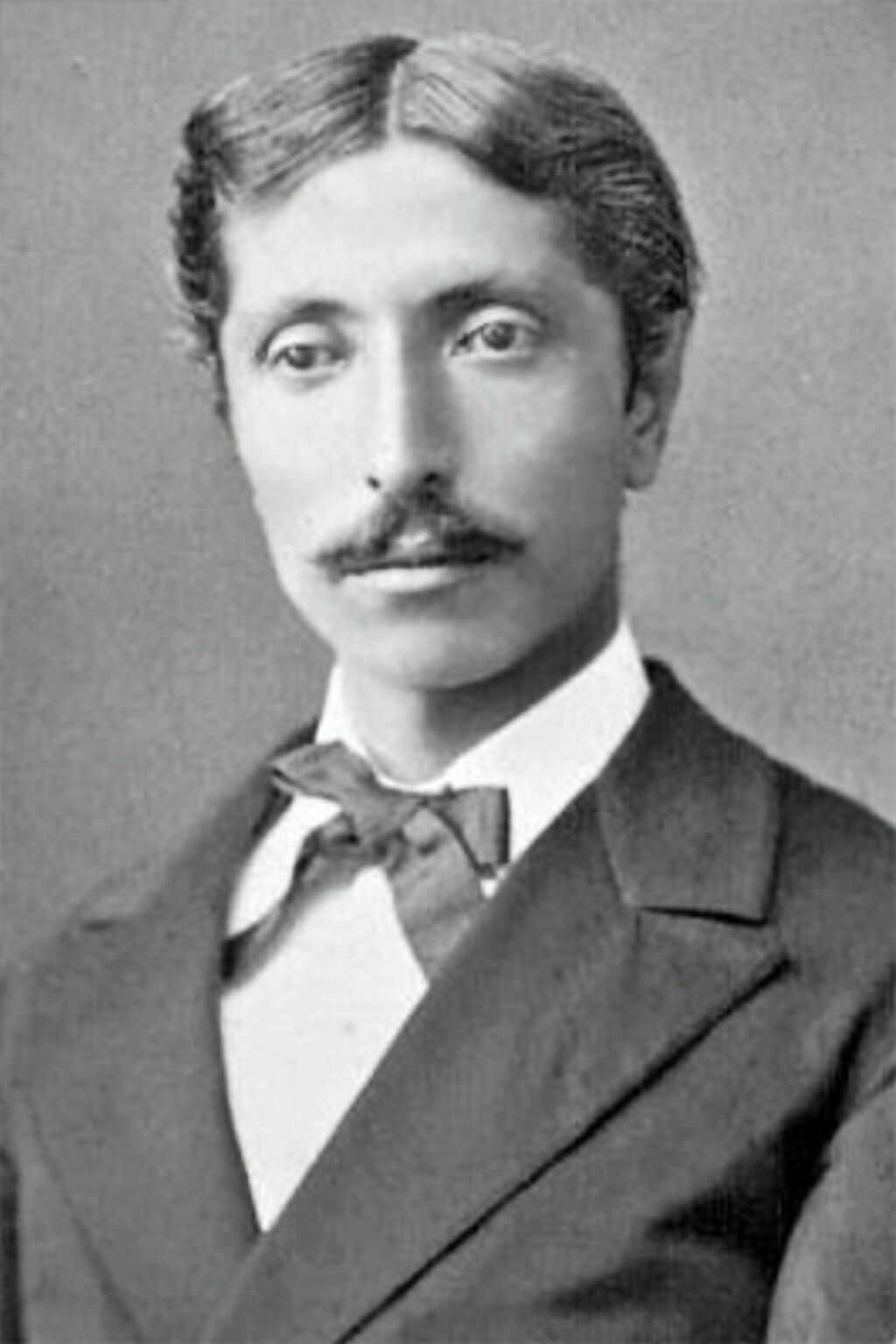
Stefan Panaretov (1853-1931)
PHOTO Archive
Immediately after the proclamation of the Unification, a delegation led by Ivan Evstratiev Geshov was sent first to meet the Russian Emperor, who was in Denmark at the time. Alexander III declared that there could be no question of reversing the Unification, but that it had to be consolidated through a formula that would safeguard Russian interests.
Geshov then travelled to London and Paris. Another prominent Bulgarian representative, the diplomatic agent in Bucharest, Grigor Nachovich, was dispatched to Vienna. He succeeded in convincing the Austro-Hungarian Foreign Minister, Gustav Kálnoky, that the Unification would not strengthen Russia’s position in Bulgaria and would not threaten Austria-Hungary’s policy in Bosnia and Herzegovina.
The most difficult mission was that of Stoyan Chomakov and Ivancho Hadjipetrov in Constantinople. Ultimately, Sultan Abdul Hamid II refused to send troops into Eastern Rumelia and called on the Great Powers to settle the issue among themselves. The delay in the Ottoman response was an important factor, as it gave the rivalries among the Great Powers time to come to the fore, Associate Professor Алека Strezova explains.
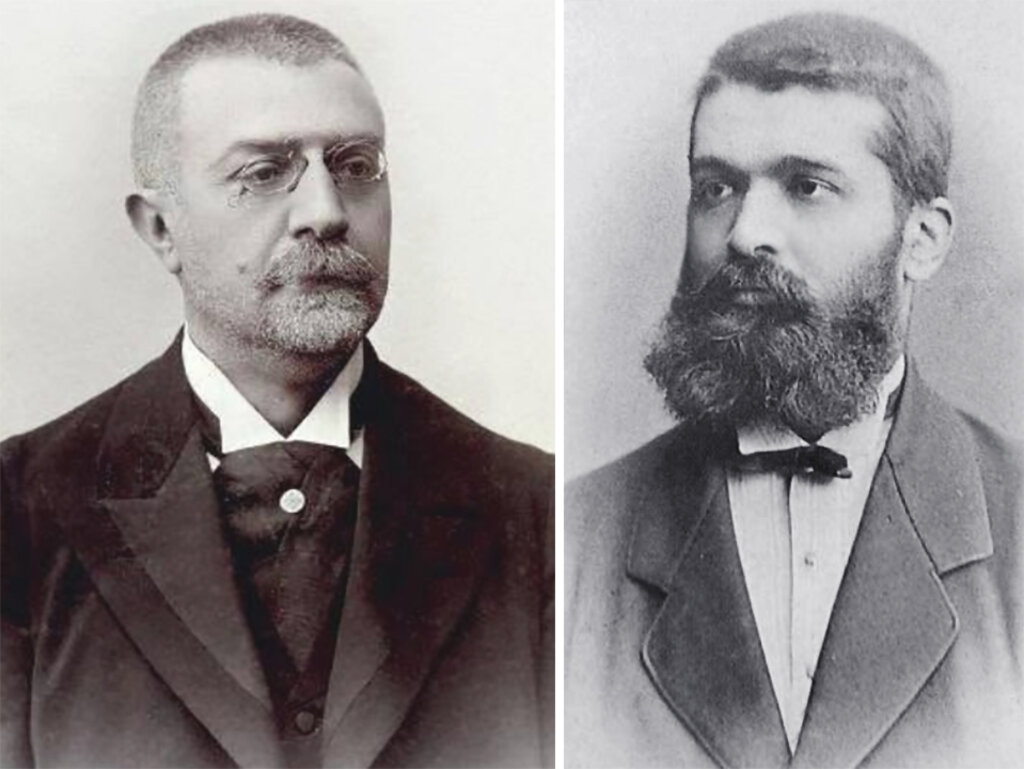
Ivan Evstatiev Geshov (1849 – 1924) and Grigor Nachovich (1845 – 1920)
PHOTO bg.wikipedia.org
“Britain, which in the first days was also hostile to the Unification, realised and became convinced that Russia was not behind the initiative. It therefore saw an opportunity to advance its own interests by supporting the Bulgarian cause. Britain was the power that proposed a highly elegant diplomatic formula for recognising the Unification: the Governor-General of Eastern Rumelia would be the Prince of Bulgaria, and in this way the Unification would be recognised in the form of a personal union. It really was a brilliant formula.”
The Unification was the defining test of Bulgarian diplomacy, the researcher explains. Despite Bulgaria’s vassal status, its diplomats operated on an equal footing with representatives of the Great Powers. They made full use of the diplomatic means at their disposal to defend the Bulgarian national cause.
Ultimately, it was the Great Powers that held the decisive say, while the victories of the Bulgarian army in the Serbo-Bulgarian War contributed to the favourable outcome of the entire episode. Yet Bulgarian diplomats were an exceptionally active force in defending and consolidating the Unification of the Principality of Bulgaria and Eastern Rumelia, Associate Professor Strezova stresses.
Read also:
The Greatness of Bulgaria’s Unification and the Consequences of the Unionist Syndrome
This publication was created by: Rositsa Petkova
- #National Unification Day
- #Ottoman Empire
- #Bulgarian diplomacy
- #Unification Day
- #William Gladstone
- #Stefan Panaretov
- #Prince Alexander I of Bulgaria
- #Bulgaria's Unification Day
- #Unification of Principality of Bulgaria with Eastern Rumelia
- #Great European Powers
- #Congress of Berlin
- #Associate Professor Dr. Aleka Strezova
- #Stoyan Chomakov
- #Grigor Nachovich