


Author
Elena Karkalanova
Monday 7 September 2026 07:35
Monday, 7 September 2026, 07:35
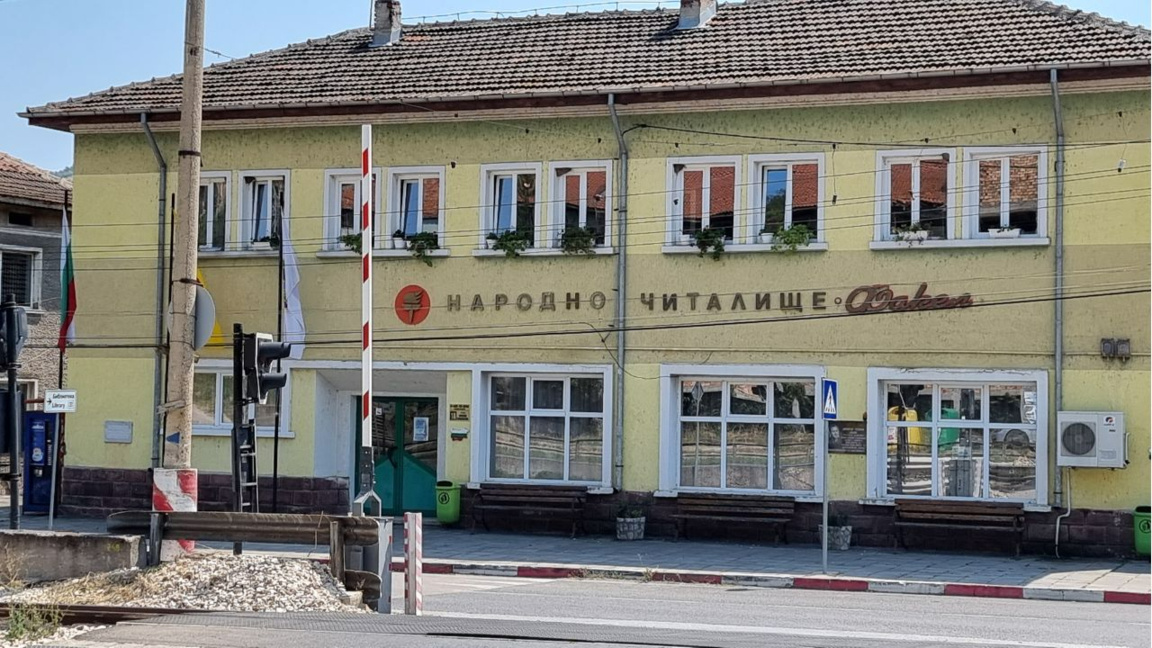
PHOTO BTA
Font size
Nestled among the winding bends of the Iskar Gorge is Zverino, a relatively populous Bulgarian village with an unusually active cultural life. Here, children dance and learn to play musical instruments, while adults preserve traditions and reenact important historical events, making the past a living part of the community today.
“Fakel 1926”, the local community cultural center, which celebrates its centenary this year, is at the heart of this rich cultural life. It is a place where people meet, create and learn, bringing together generations.
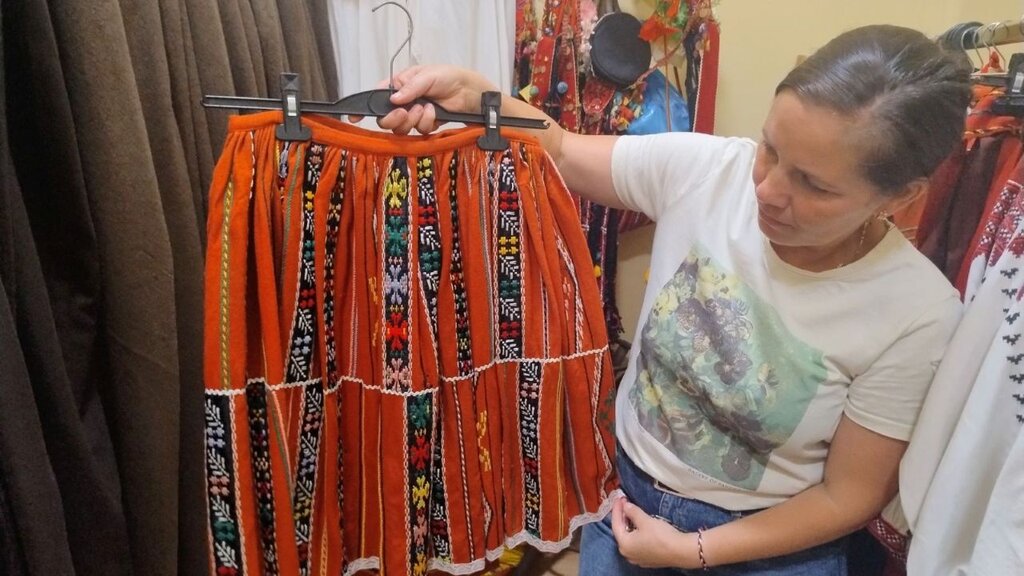
PHOTO Elena Karkalanova
I have been working at this cultural institution for 10 years. It is the main spiritual and cultural center of the village. There are 1,400 people living here, and we have a school that provides education through 12th grade, as well as a kindergarten. The strong spirit of the people and the close-knit community make our initiatives particularly impactful. This year, we are also celebrating the 100th anniversary of our community cultural center, which has preserved our culture, traditions and way of life over the years”, says Stiliyana Stoyanova, secretary of the local community cultural center.
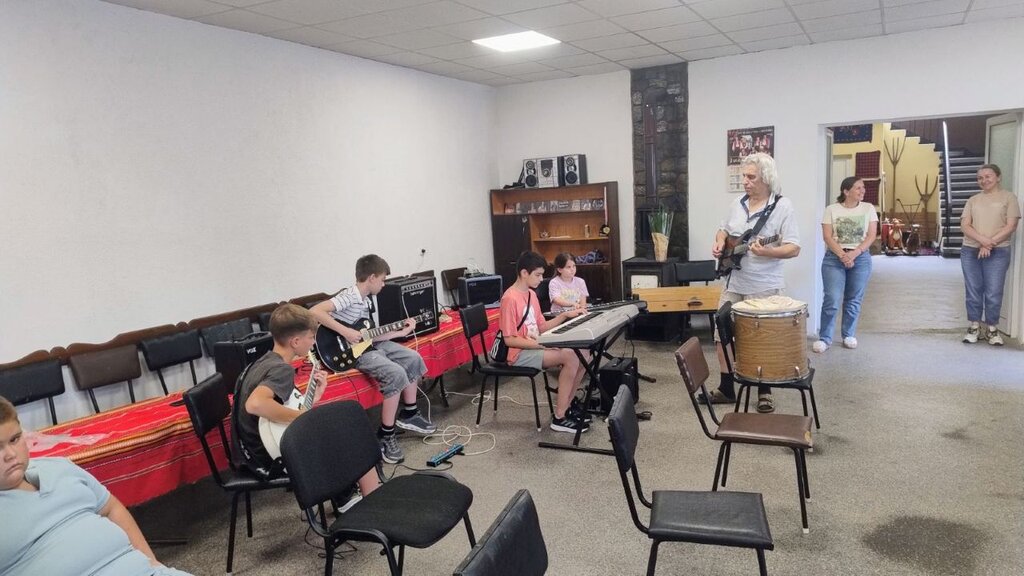
PHOTO Elena Karkalanova
“Fakel 1926” community cultural center is home to a children’s dance ensemble with 60 children divided into three age groups, as well as a music school where young people learn to play various musical instruments. It also has women’s and men’s folklore groups, a handicrafts club, and an arts and creative club featuring 36 local writers, artists and photographers. Their works have already been compiled into five almanacs.
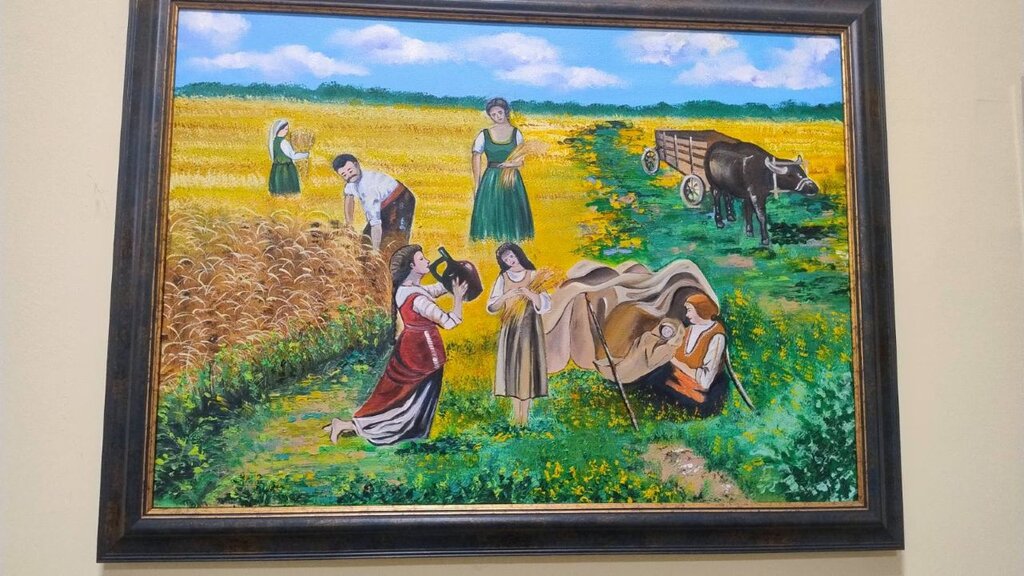
PHOTO Elena Karkalanova
“We are proud that very young people take part in our amateur groups. The events we organize have a strong impact and motivate more and more people to get involved. This is also due to the good dialogue and cooperation between the community cultural center, the mayor’s office, the school and the kindergarten, but above all, it stems from the people’s own attitude toward what is Bulgarian and toward traditions – to preserve them and pass them on to future generations”, Stiliyana Stoyanova says, as she shows us the cultural center – its spacious hall, renovated library, and dressing rooms filled with the traditional costumes of the local dance groups.
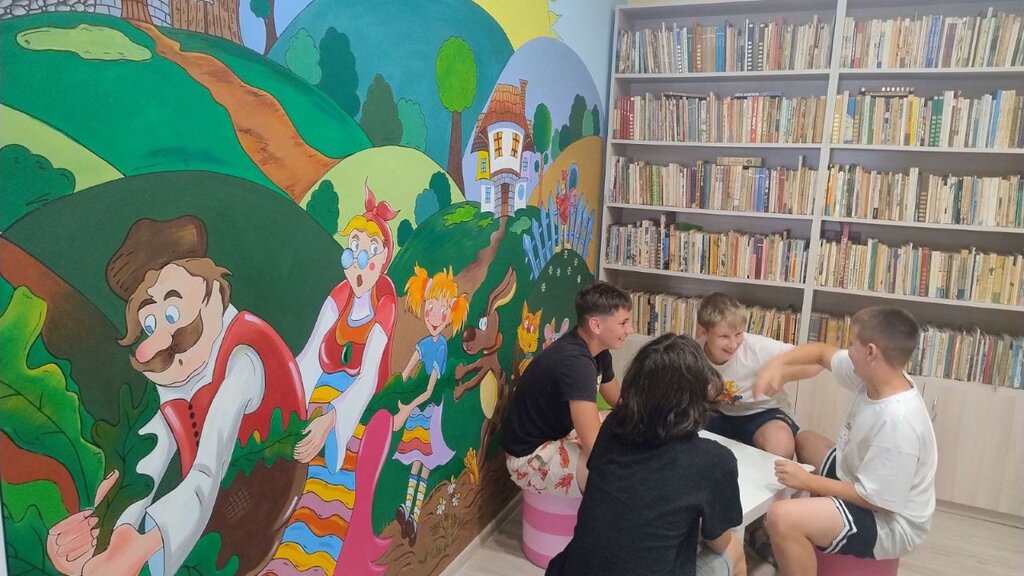
PHOTO Elena Karkalanova
Zverino has a particularly strong connection to Bulgarian history. In 1876, during the struggle for liberation from Ottoman rule, Hristo Botev’s detachment passed through the area. The residents of Zverino welcomed them, fed them and helped them cross the river.
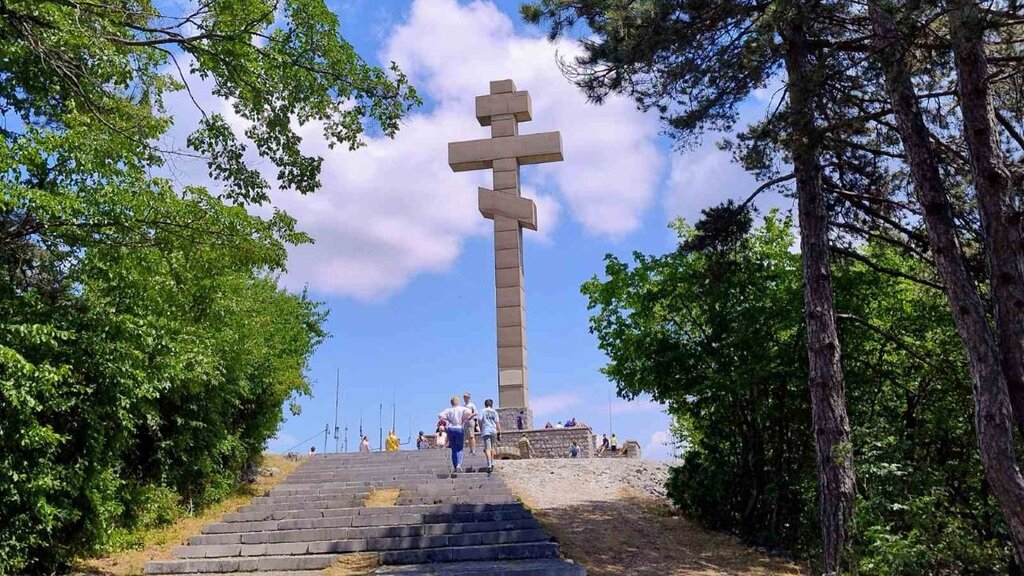
PHOTO Elena Karkalanova
This story comes to life every year on June 4, Zverino Day. The local “Botev’s Chetniks” group reenacts the detachment’s descent from the Balkan Mountains. A commemorative plaque dedicated to the event has been placed at the nearby “The Mill” house museum.
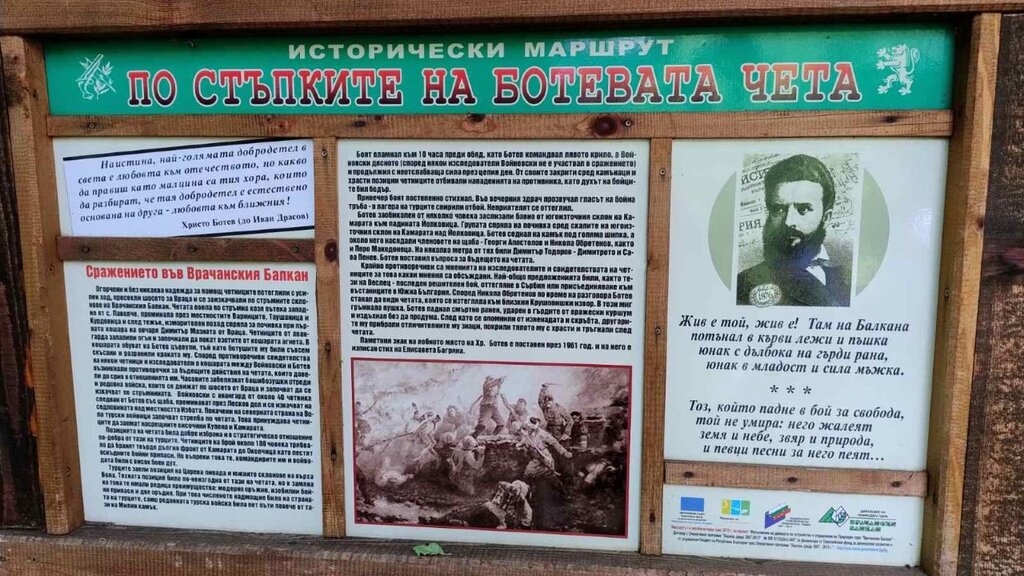
PHOTO Elena Karkalanova
“The group wears distinctive Chetnik uniforms, and we reenact the descent from the Balkan Mountains with torches. We literally cross the Iskar River, having first prepared and secured the river with rope. This is how we recreate the Chetniks’ crossing of the river”, Stiliyana Stoyanova explains.
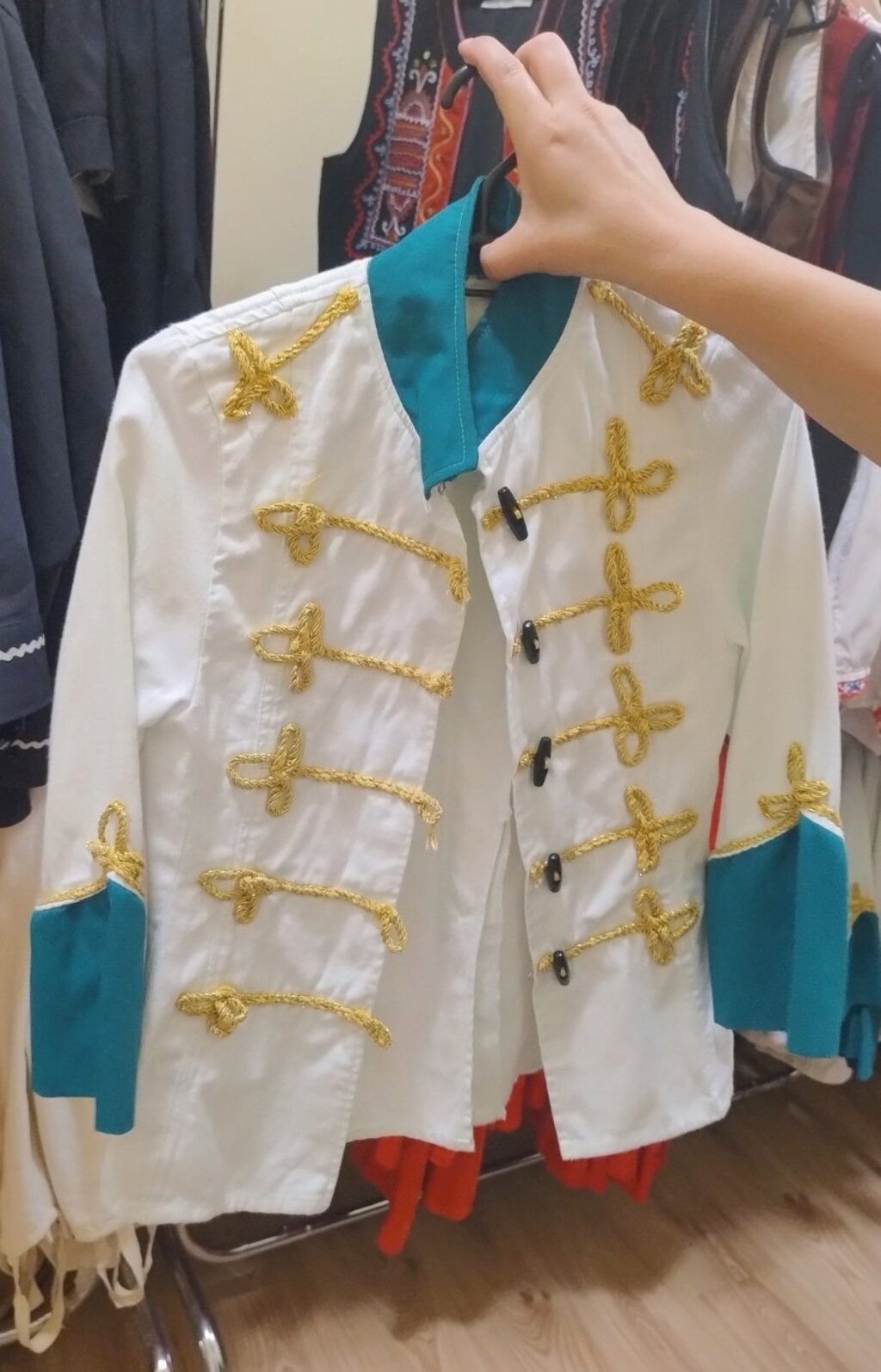
PHOTO Elena Karkalanova
Zverino’s festive calendar begins on January 6 with Epiphany, one of the major Orthodox Christian holidays. After the festive liturgy at the local church, residents proceed to the Zlatitsa River, where men “rescue” the Epiphany cross and perform a traditional male horo dance in the icy waters. On Bulgaria’s National Day, March 3, Zverino holds a celebration together with the neighboring villages of Oselna and Ignatitsa. Everyone gathers in the village square, and the festivities end with a large Bulgarian horo dance, Stiliyana Stoyanova explains.
One of village’s major events is the National Folklore Festival “Zmey Goryanin”, which brings together more than 500 amateur performers from across Bulgaria including singers, dancers and solo artists. Its name is linked to the local folklore tradition, while its aim is to preserve and promote Bulgarian folk art. The traditions of Christmas caroling and Lazaruvane are still alive, and the community cultural center’s secretary hopes that the old local ritual “Brashlenkyu”, associated with so-called silent water and wishes for a bountiful year, will soon be revived as well.
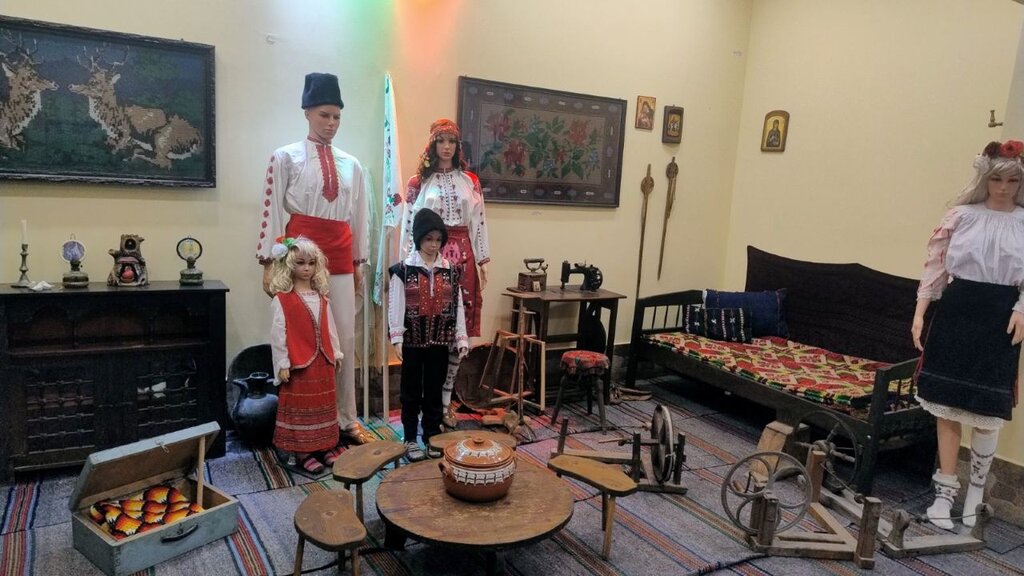
PHOTO Elena Karkalanova
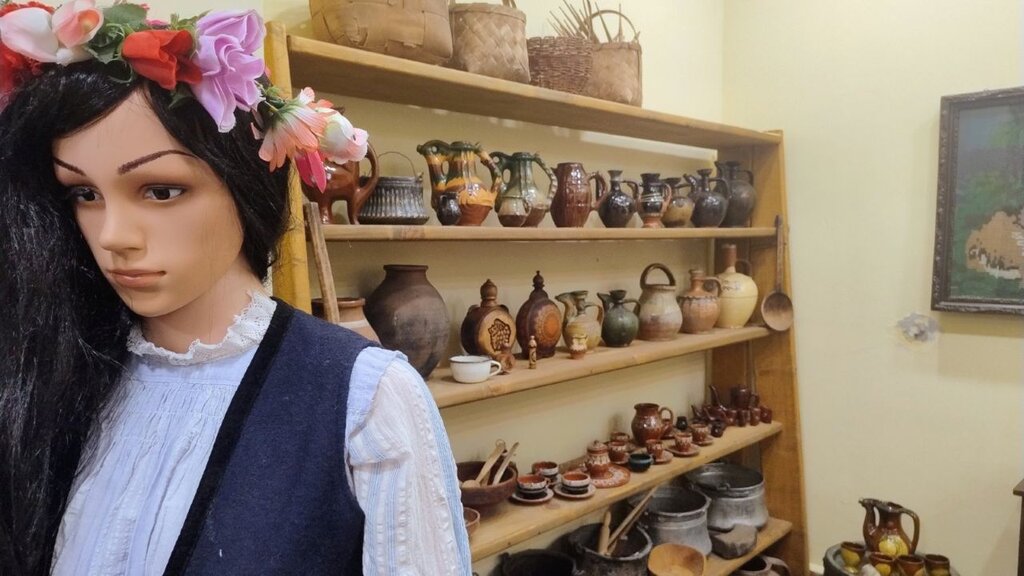
PHOTO Elena Karkalanova
The community cultural center has a specially designated ethnographic corner, where household items used by local residents are displayed, along with authentic traditional costumes from the area, all donated by residents of Zverino.
But what makes people stay in Zverino? The answer is not easy, especially when job opportunities are limited. The village has greenhouse vegetable production, but opportunities for local employment remain scarce. As a result, many residents work in the capital city and travel to Sofia every day, covering just over 100 kilometers in one direction.
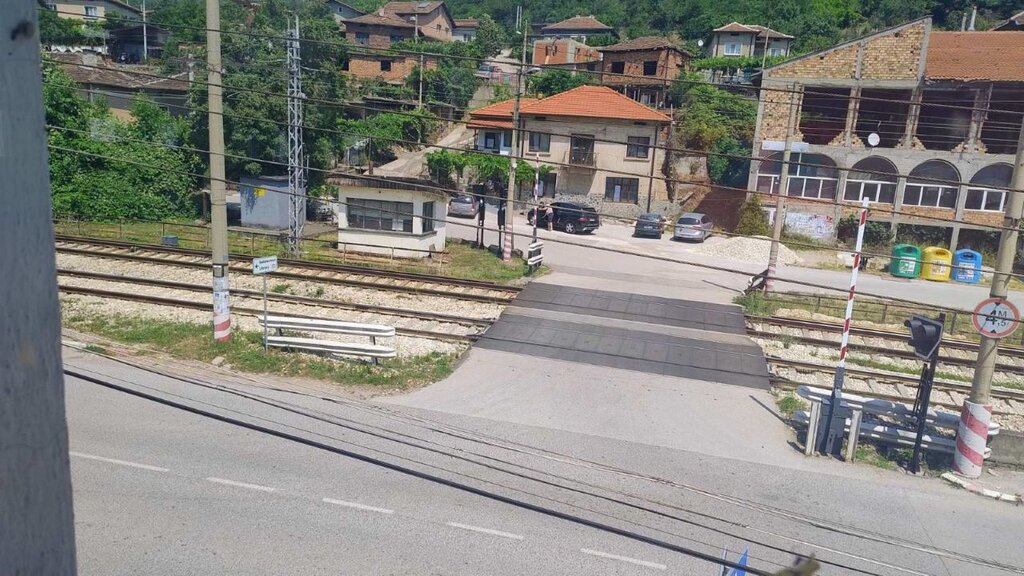
PHOTO Elena Karkalanova
And yet, some young people choose to stay – the reasons are largely emotional:
''As the saying goes, ‘A stone weighs most in its own place'. It is something that cannot be put into words. The place itself simply has such a powerful energy and beautiful nature”, Stiliyana Stoyanova says.
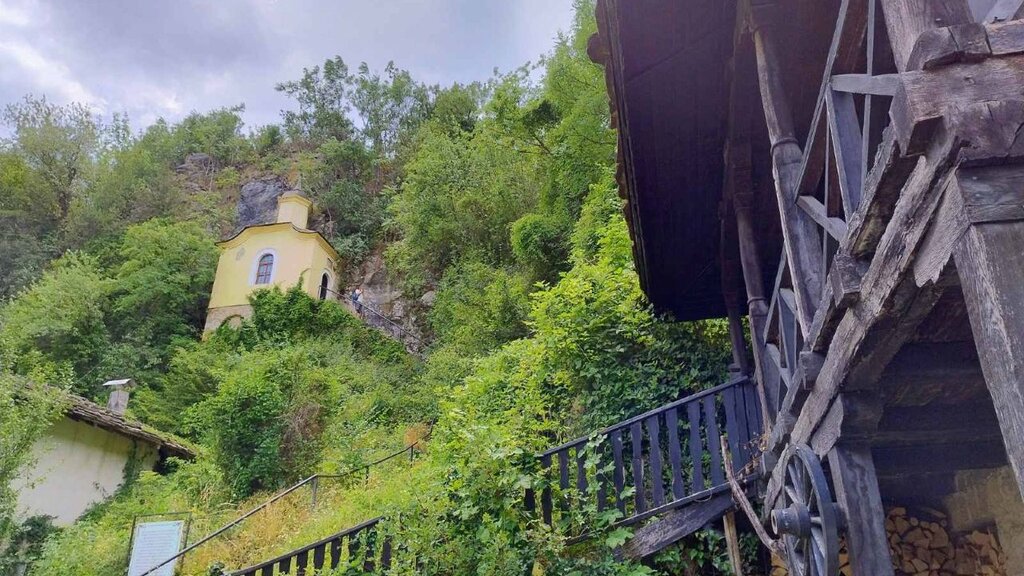
PHOTO Elena Karkalanova
Zverino also has another valuable asset – its natural surroundings. It is part of the Iskar Gorge, a picturesque area in western Bulgaria stretching along the Iskar River, between Sofia and Mezdra. Nearby are the Cherеpish Monastery, the Ritlite rock formation, the Dyado Yotso Monument near Ochindol, and the “Baba Iliitsa” house museum – the birthplace of the heroine from Ivan Vazov’s short story One Bulgarian Woman.
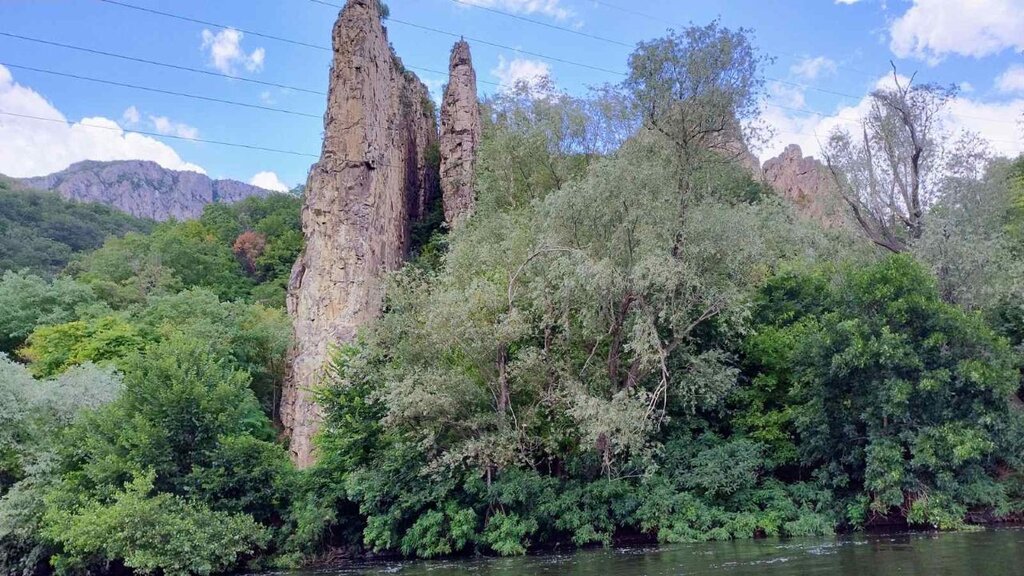
PHOTO Elena Karkalanova
In 2025, the local community center and the Vrachanski Balkan Nature Park Directorate launched the project "Eco Destination Iskar Gorge", bringing together the area’s natural and cultural attractions. Two hiking trails have been upgraded. One of the sites attracting tourists is the beautiful Bigora Waterfall, which can be reached via a 7-kilometer hiking trail along the Zlatitsa River.
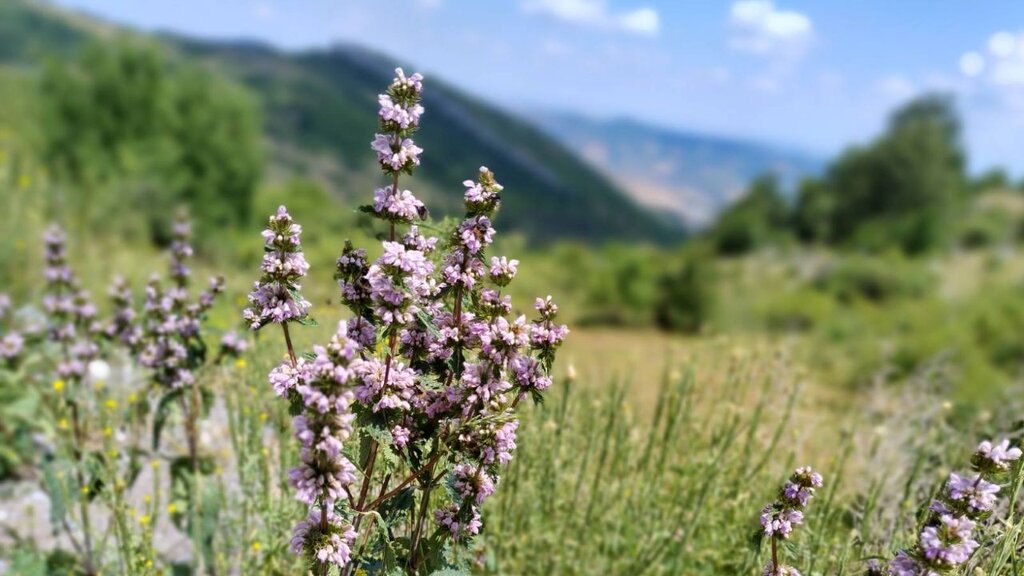
PHOTO Elena Karkalanova
For now, the area is more of a destination for day trips, but the people of Zverino dream of more. They do not simply want to preserve their past; they want to turn the heritage passed down by their ancestors into a reason for young people to see their future here.
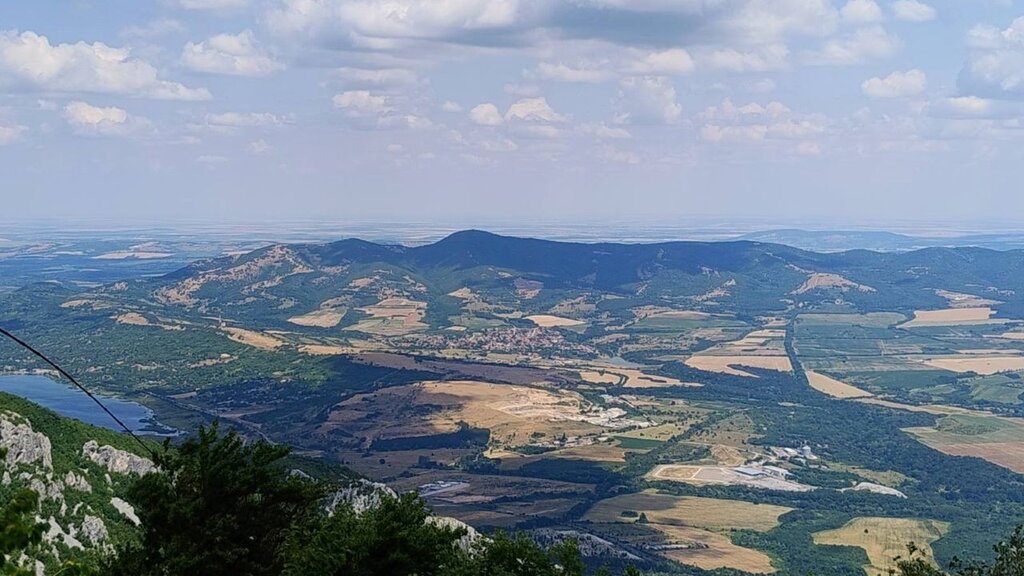
PHOTO Elena Karkalanova
Translated by Kostadin Atanasov
This publication was created by: Kostadin Atanasov