


Author
Tsvetana Toncheva
Friday 28 August 2026 13:05
Friday, 28 August 2026, 13:05
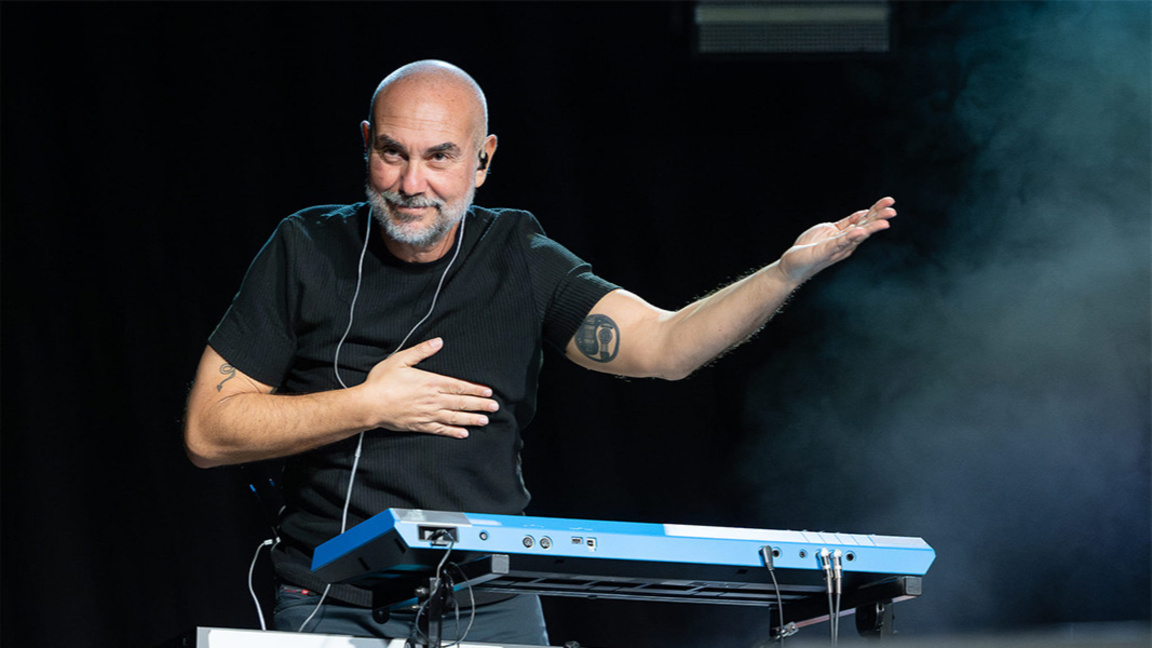
PHOTO Facebook / Martin Denev Music
Font size
Radio Bulgaria audiences may know Bulgarian pianist and composer Martin Denev from his project Code 359: Musical Postcards, inspired by the beauty of Bulgaria’s landscapes. A keen traveller who has lived in different parts of the world, Denev recently returned from China. He says the trip gave him fresh energy, which he plans to bring to the second edition of Hisarya Jazz, taking place on August 28 and 29 at the town’s Summer Theatre. Hisarya is a popular spa resort, known for its mineral springs, natural surroundings and rich cultural and historical heritage.

PHOTO Municipality of Hisarya
In an earlier interview with Radio Bulgaria, Denev spoke at length about his Musical Postcards before sharing some of his personal story. Music runs in his father’s side of the family: his uncle is the prominent Bulgarian composer and conductor Lyubomir Denev. His maternal grandmother was a folk singer with a deep passion for Bulgarian folklore, traditions and customs, and founded an ethnographic museum in Lyubimets, a small town in south-eastern Bulgaria near the borders with Greece and Turkey. Although his love of folklore has remained “somewhere inside him”, Bulgarian folk music does not directly influence his style today. He did, however, draw on folk elements several years ago for his Martin Denev ETHNO VENTURE project.
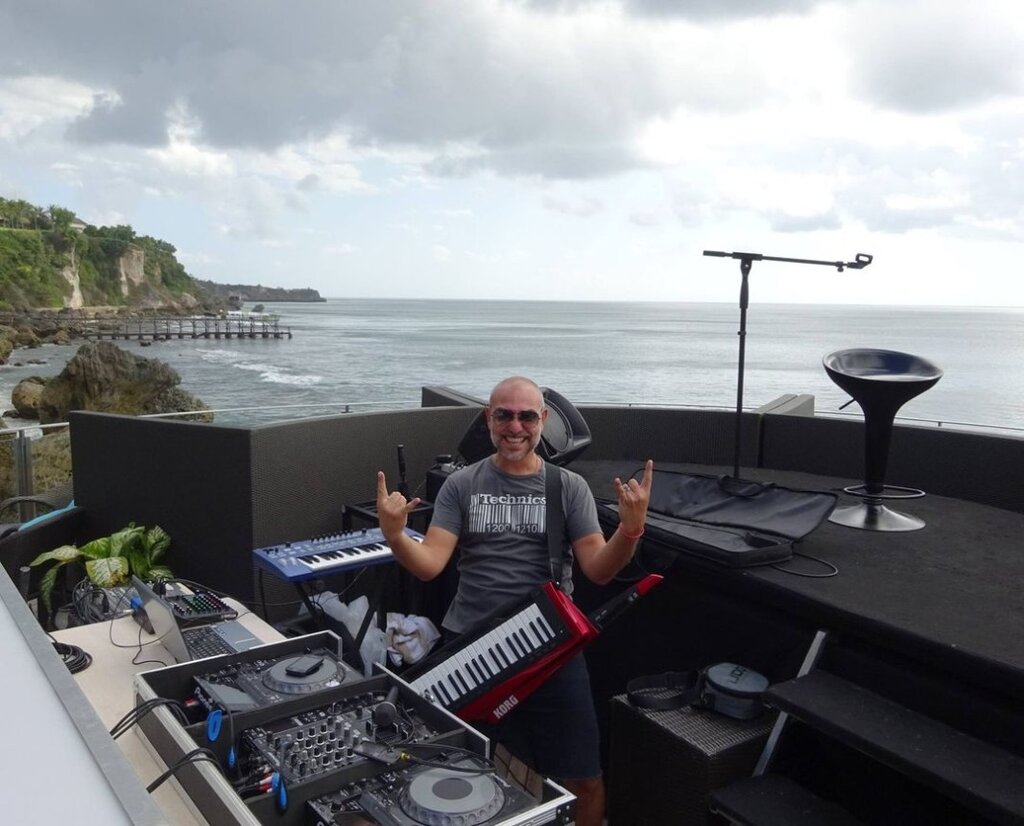
PHOTO Martin Denev's personal archive
Denev received his classical training at the music school in Plovdiv. The most important mentor of his childhood and teenage years was his piano teacher, Sonya Kesedzhiyan, whom he remembers as “an incredible person”.
“She was already very old and retired. A very refined lady of the old generation, educated at a French college, a woman of great class who spoke perfect French. I remember going to her home for lessons and feeling as though I were stepping into a film from another era: the paintings, the furniture, her whole style... She was always very elegant and had a particular way of speaking... She cared a great deal about me and helped me enormously. I was quite a rascal and a rebel when I was young. She managed to keep me on the right path because I did have a tendency to stray...”
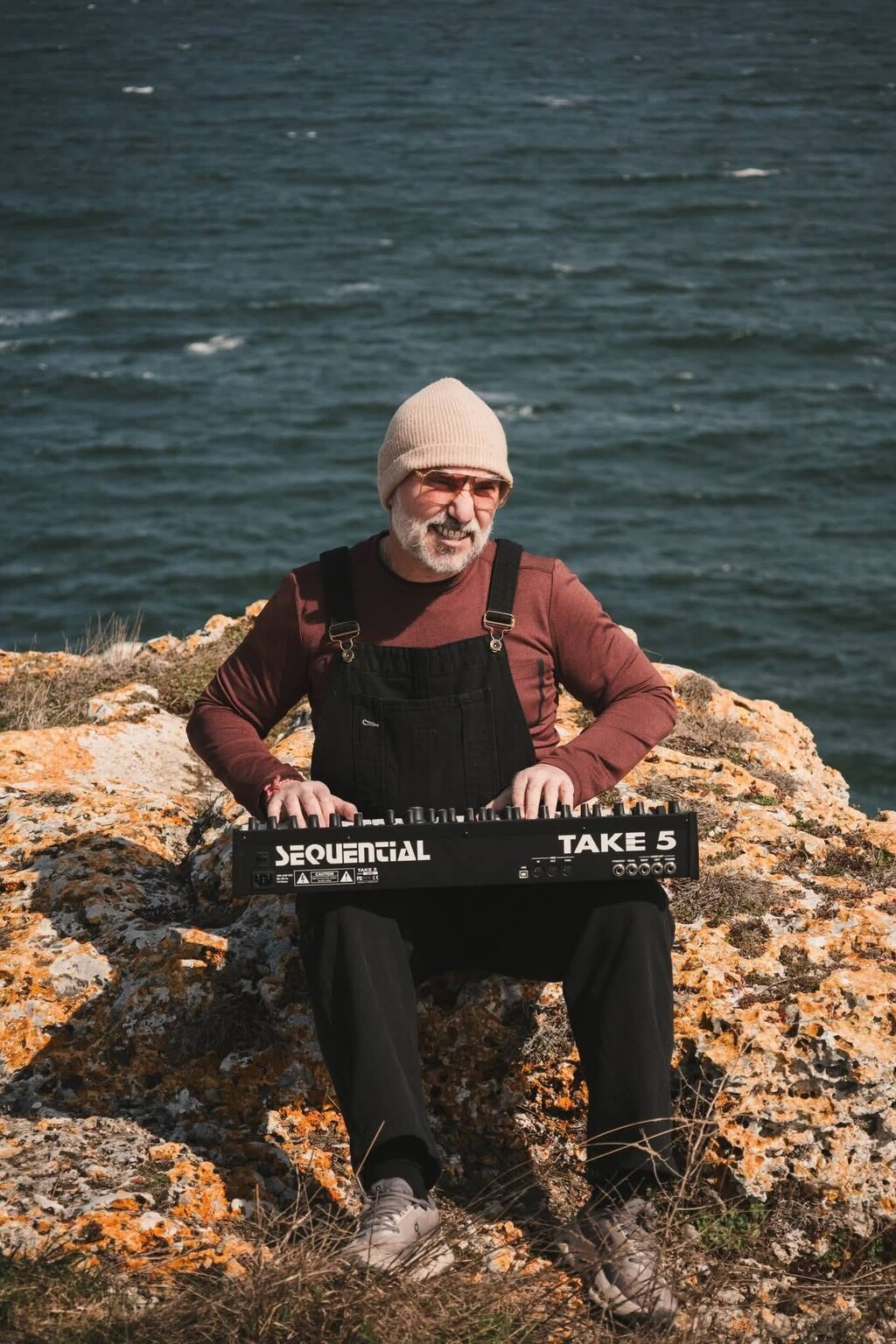
PHOTO Facebook / Martin Denev
After studying with Kesedzhiyan, Denev went on to the Music Academy in Sofia.
“Those were murky times – the early 1990s. It wasn’t much of a time for art. I wanted to study abroad, but at that point I couldn’t afford it. I applied in Rotterdam, in the Netherlands, to Codarts University for the Arts, a really serious institution that broadened my horizons.”
He later spent a year at the renowned Berklee College of Music in Boston before completing his studies in the Netherlands. He stayed there for the next 15 years, followed by around a decade in Bali, Indonesia. Denev often speaks in interviews about the extraordinary feeling of living on an island where you step outside every day and see the ocean.
“Yes, I miss the ocean and that feeling of boundlessness... If you look at a map of the world and at western Bali, where the Indian Ocean is, there is nothing opposite you anymore, no land. Australia is slightly to the south-east... That’s where the land ends.”

Tanah Lot Temple in Bali.
PHOTO Magdalena Gigova
Denev believes it was in Bali that his serious interest in mysticism, esotericism, religions and legends developed. “Because it really is a very spiritual place. The people are very spiritual; it is part of their culture. They are deeply devout, deeply religious.”
Denev once said in an interview that “the battle for beauty is not lost”. But is he still fighting battles today – for beauty or for something else?
“That comes from an interview in which I was talking about... well, it isn’t necessarily beauty... It isn’t just about scenery and nature, or art... We are talking about beauty in the way we communicate, in the way we perceive other people, the world and the environment around us – that is the kind of beauty I mean. It is there in every gesture we make and every step we take, in every moment of every day. It is more about striving for that... We often have to defend beauty and fight for it. That battle is by no means lost, but we simply mustn’t let our guard down.”
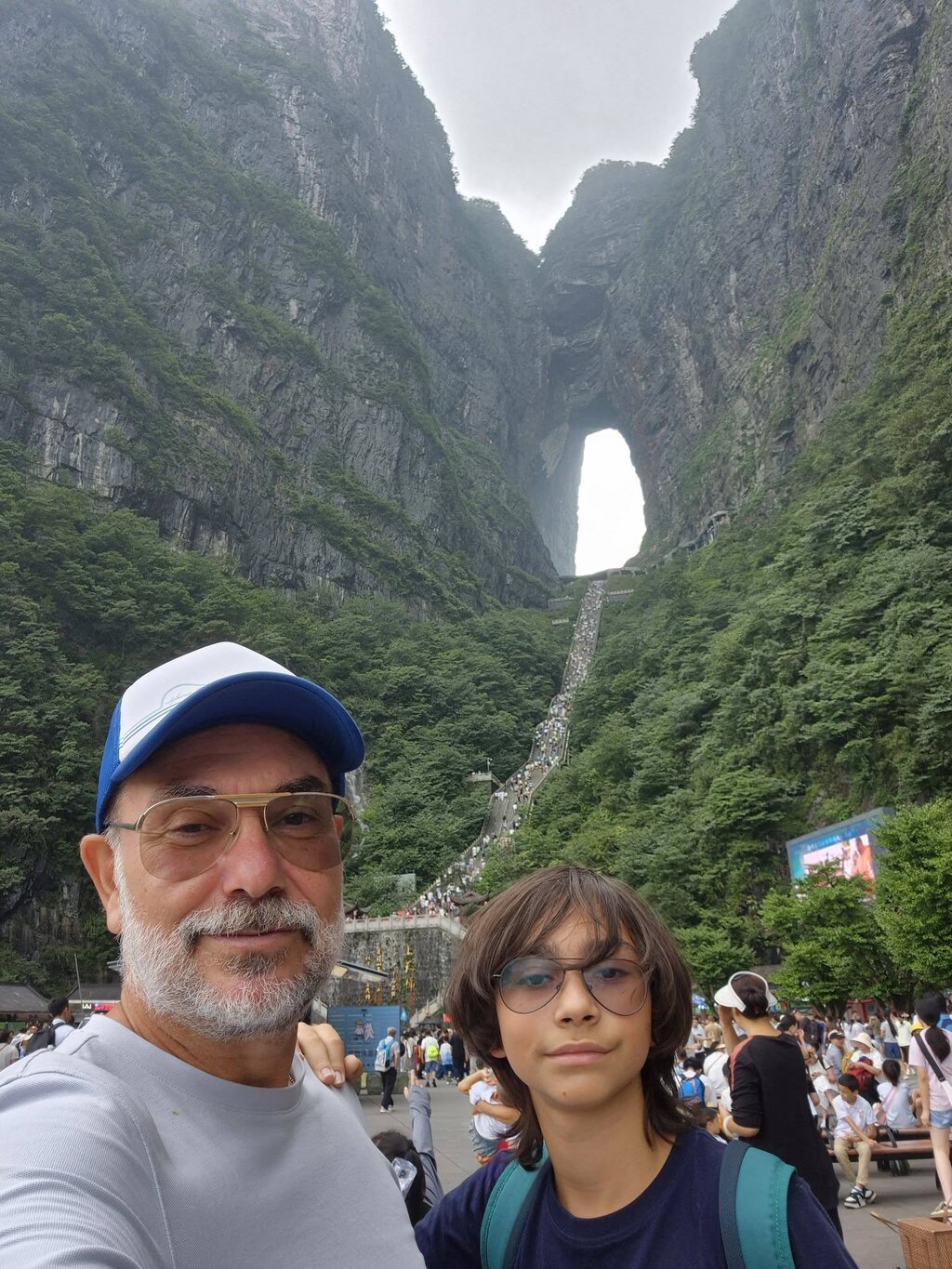
At Heaven’s Gate in Zhangjiajie, Hunan Province, China.
PHOTO Facebook / Martin Denev
We also talk about the documentary devoted to another of Denev’s projects, Synth Sense. In the film, Denev speaks of “shining people”.
“The shining ones – we notice them, we know who they are, we see them. It is good to be able to appreciate them. Some flicker from time to time, while others shine constantly,” he says with a laugh. Denev describes himself as “flickering”: “I’d like to shine all the time. That’s the next stage.”
And does he consider himself successful? Absolutely.
“I do the things that are truly close to my heart. Perhaps first we need to define success, but for me it isn’t about material prosperity. It is more about what exactly a person does, what they devote themselves to, the people around them, what they achieve and how closely they follow their dreams. In that sense, I am successful.”
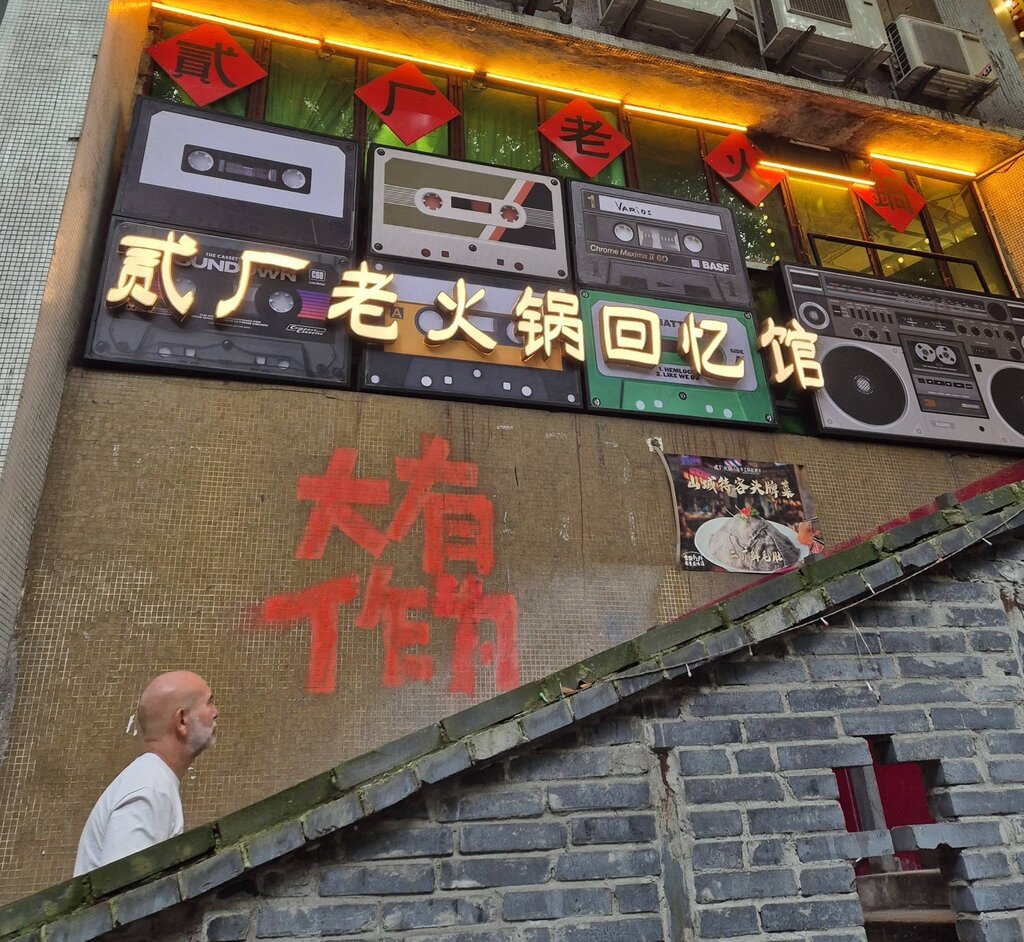
Chongqing, China.
PHOTO Facebook / Martin Denev
He wishes the same for his son: “To follow his dreams, not to be afraid, not necessarily to conform to what other people think or to any limitations he places on himself... and to keep going. He can be whatever he wants to be.”
Finally, Martin Denev has a wish for everyone who likes Bulgaria and takes an interest in the country:
“Health, of course – that comes first! And second, I would say: put more emphasis on beauty in everyday life. Focus on that aspect, in that direction. Because for me, beauty is everywhere, all the time. You simply have to decide to pay attention to it. And we know that whatever we focus on grows bigger.”
Editor: Elena Karkalanova
This publication was created by: Elizabeth Radkova