


Author
Yoan Kolev
News
A tiny Rhodope village draws visitors from around the world
Dimitar Ralev on how Kosovo, with just 29 residents, is turning visitors into friends – and new neighbours
Friday 28 August 2026 14:03
Friday, 28 August 2026, 14:03
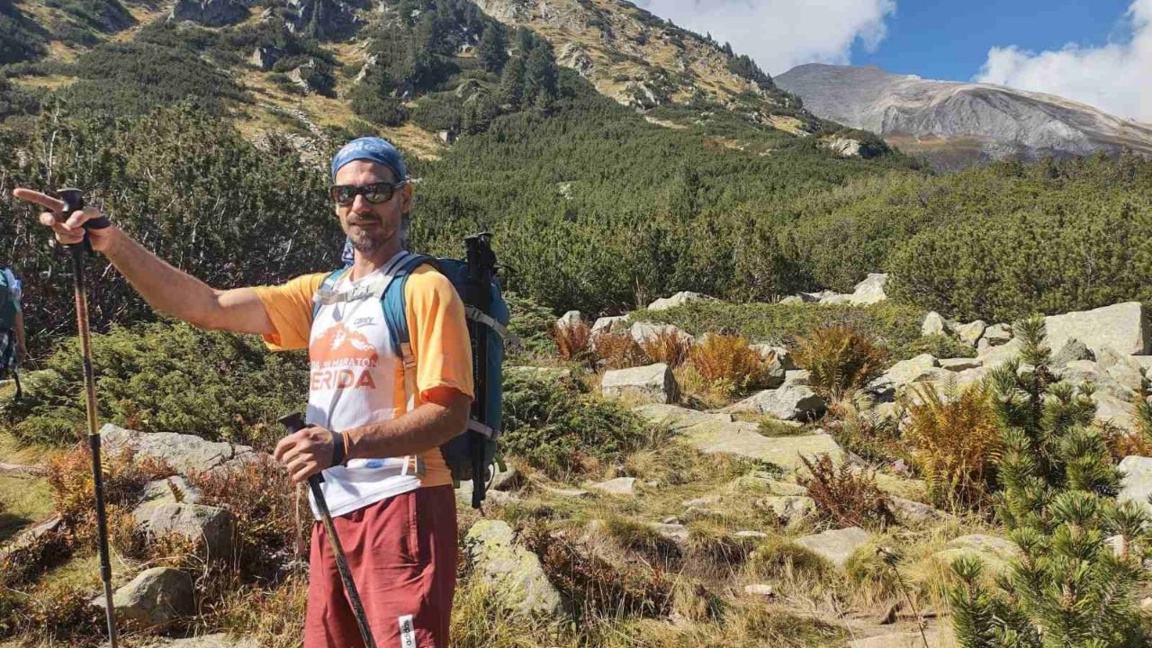
Dimitar Ralev
PHOTO Personal archive
Font size
There are villages in Bulgaria with only a handful of residents, while others have been completely abandoned. Yet there are also places that seem to have found their own way of bringing life back – not through flashy attractions, but through tranquillity, authenticity and a personal touch. One of them is the picturesque village of Kosovo in the Rhodope Mountains, where tourists have long been regarded not simply as guests, but as friends.
As of December 31, 2025, Bulgaria had 1,280 settlements with between one and 49 residents, while 192 had no inhabitants at all, according to the National Statistical Institute. The reasons vary, but are most often linked to the search for work and better opportunities – something many people believe they can find only in the big cities or abroad.
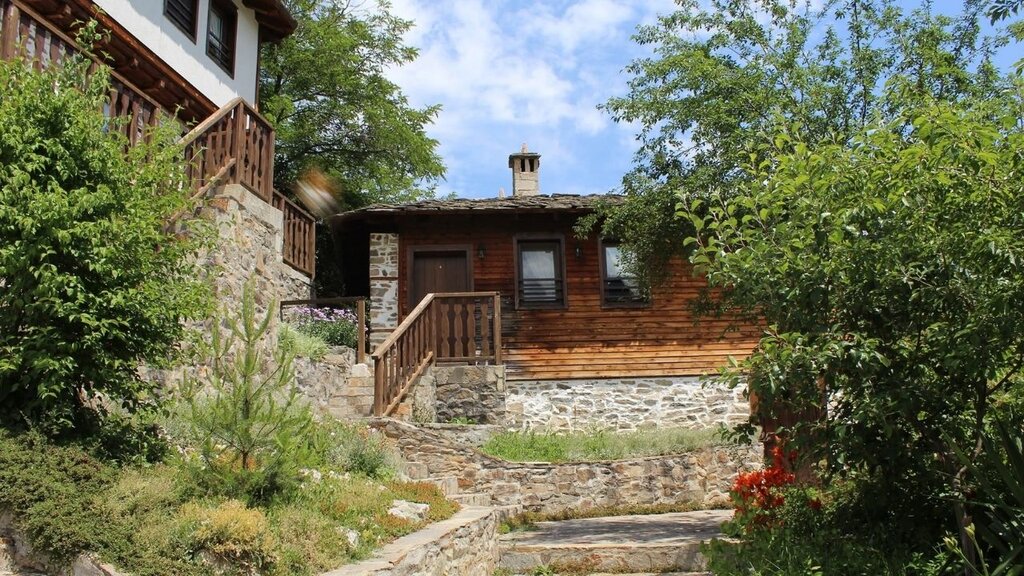
PHOTO selokosovo.com
The story of Hristo and Svetla Ralev, both engineers – Hristo in electrical engineering and Svetla in software – is different.
After more than 15 years living and working in Venezuela, where they raised and educated their two children, they decided to return to Bulgaria. Looking for a quiet place where they could change their way of life, in 2004 they came across Kosovo, about 50 kilometres from Plovdiv, Bulgaria’s second-largest city, on the road between Asenovgrad and Smolyan and just five kilometres from the spa resort of Narechenski Bani.
Neither had any previous connection with the village. Gradually, however, they fell in love with Kosovo and restored three of its old houses, turning them into small guest properties welcoming visitors from Bulgaria and abroad.
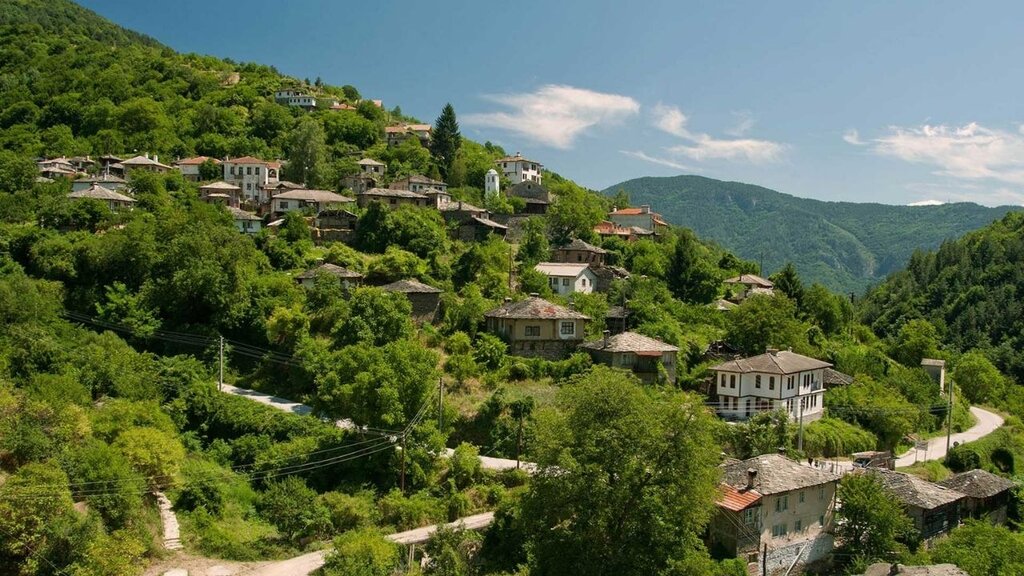
PHOTO selokosovo.com
There are different stories about how Kosovo got its name. It appears not to come from the Bulgarian word for blackbird, kos, but rather from the way the village lies koso – at an angle – across the mountain slopes. Anyone exploring Kosovo and its surroundings should therefore be prepared for steep streets and paths.
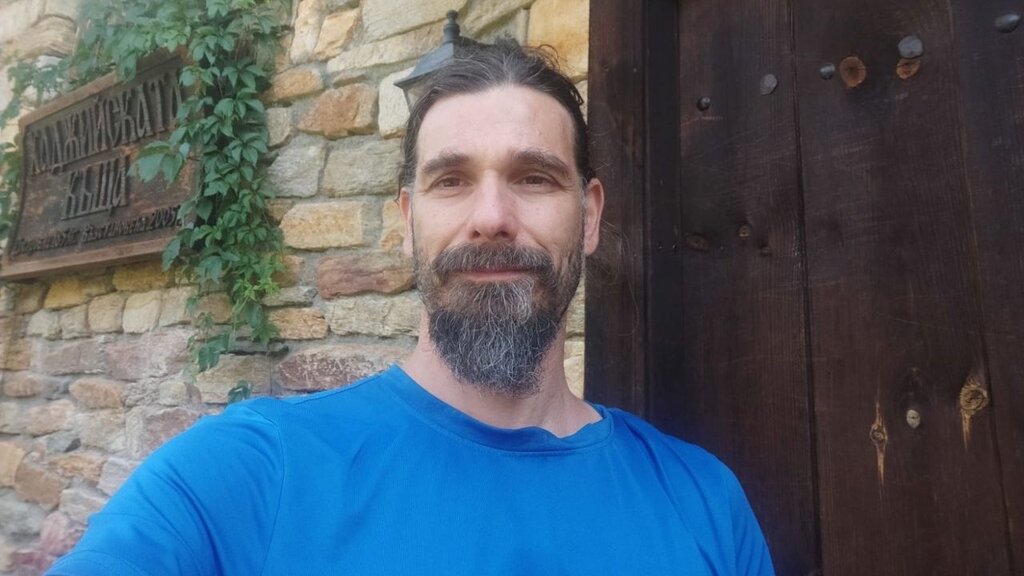
PHOTO Personal archive
A decade after his parents first came to Kosovo, their son Dimitar joined them. He returned from Venezuela after graduating from university and spending some time in Caracas as a teaching assistant in mechatronics and robotics. The economic problems in the South American country, which had begun under President Hugo Chávez (1999–2013), prompted him to look for his future in Bulgaria.
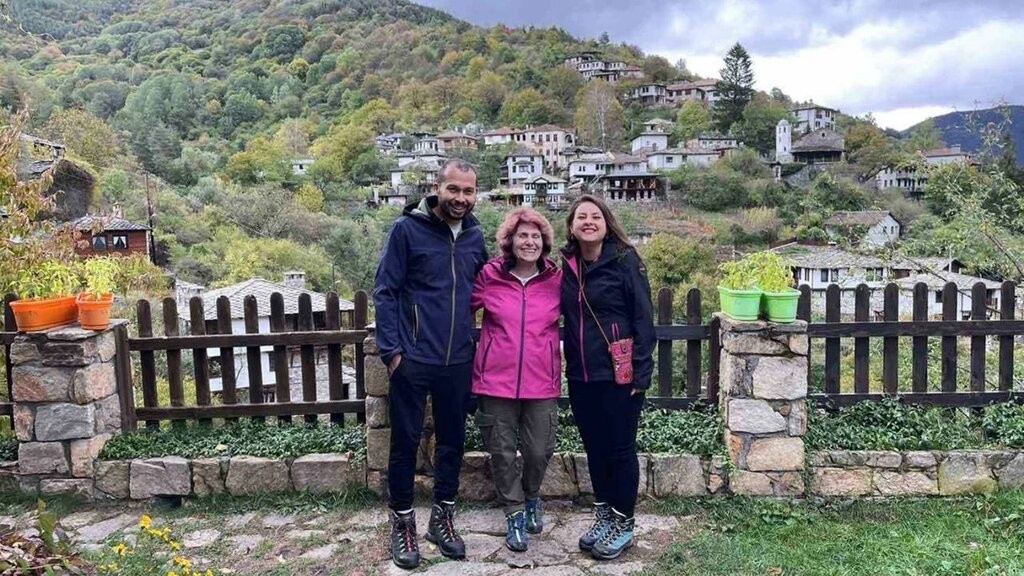
PHOTO selokosovo.com
Together with his cousin Gergana Lyutskanova, who studied tourism in Switzerland and later worked in the sector in Barcelona and the Cayman Islands, Dimitar began helping his parents welcome and accommodate visitors.
“Gergana is the one with professional experience in the industry,” Dimitar Ralev says. “So we try to apply her experience and what we have seen being done around the world. She doesn’t live permanently in Kosovo as I do, but she gives us the valuable perspective of a professional who can see the bigger picture and knows how to keep things moving, which is very important.”
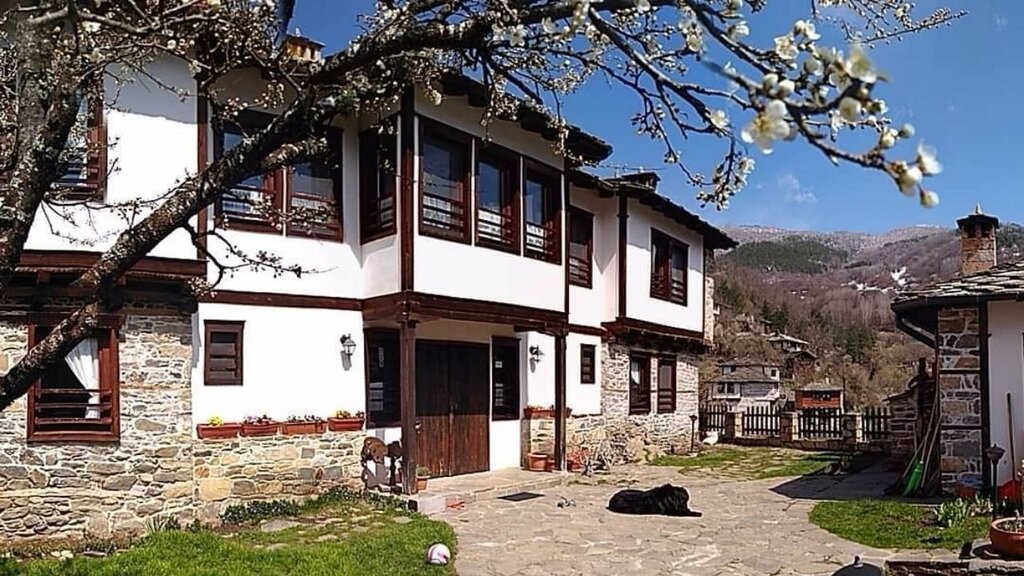
PHOTO selokosovo.com
For Dimitar, the way guests are treated is particularly important in a place like Kosovo. If a particular service or product is unavailable in a small mountain village, that need not become the visitor’s problem. What matters more is offering a suitable alternative so that the experience remains a pleasant one.
And the approach appears to work. The Ralev family have made friends from different parts of the world. Some return to Kosovo every year; others have even decided to buy property there.
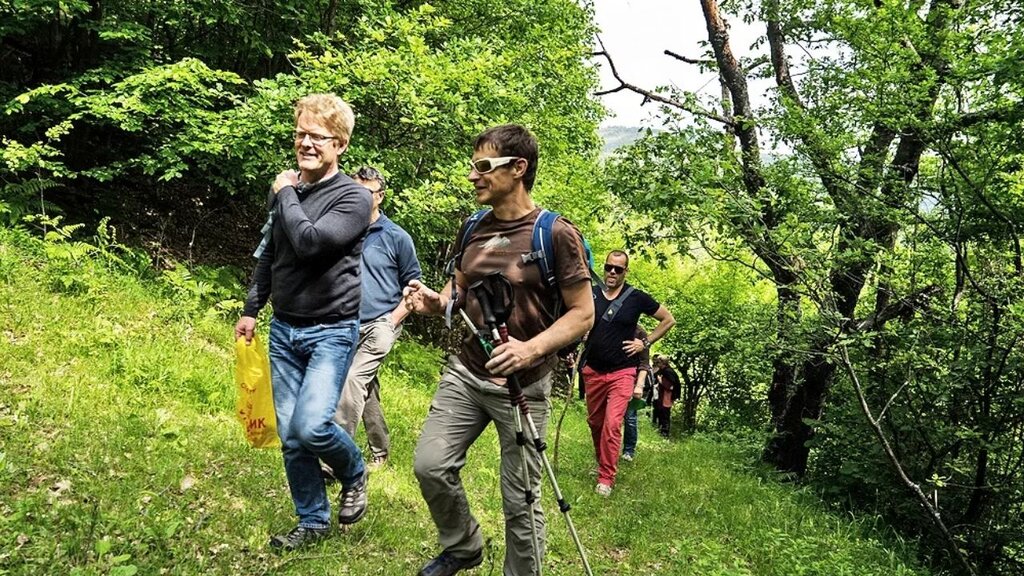
PHOTO selokosovo.com
“We don’t even call them tourists any more, but friends. They not only come every year, but several of these families now own properties in Kosovo and use them as holiday homes. We also know a woman who retired with her husband in Germany, and this year they moved to the village permanently.”
Many of the visitors are mixed Bulgarian-foreign couples and families. They often combine a visit to the Bulgarian partner’s home town with a few restorative days, or perhaps a week, in the Rhodopes.
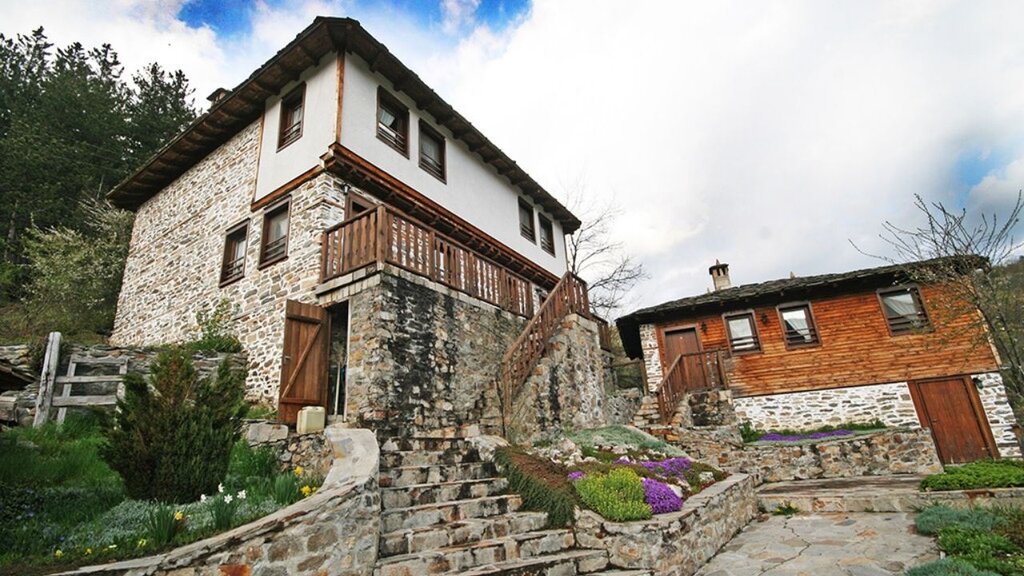
PHOTO selokosovo.com
“We have also had guests from South America, although they are more of an exception. It comes as a big surprise when they arrive in a little village like this in the Rhodopes and someone welcomes them who not only speaks Spanish but also has a connection with South America. We had that happen with visitors from Peru. The woman was Bulgarian and the man was Peruvian, and they were very surprised to find someone in the Rhodopes speaking Spanish with a Latin American accent.”
Although Kosovo remains a small village, the number of people living there year-round has gradually increased in recent years – particularly striking against the broader demographic picture in Bulgaria’s villages.
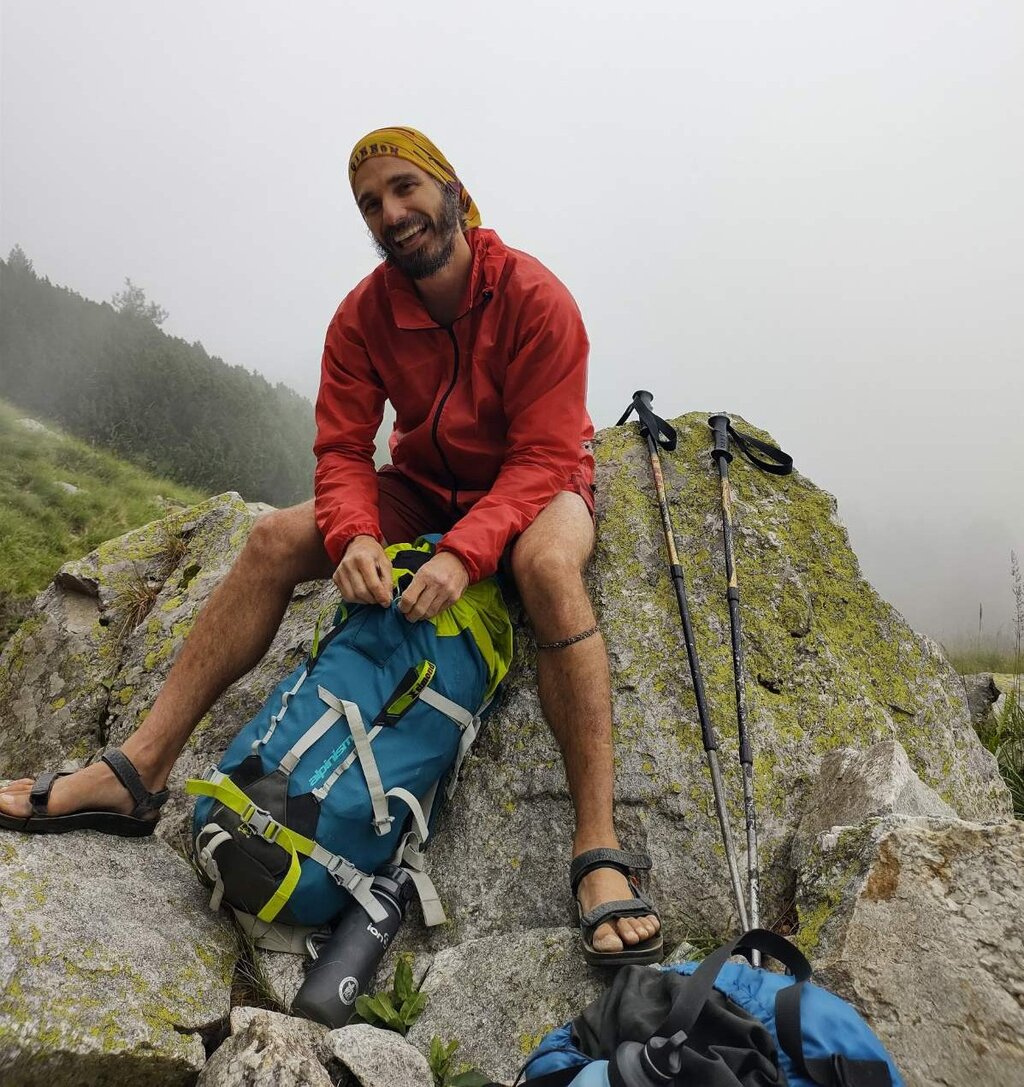
PHOTO Personal archive
“Last winter there were around 15 of us, because several families have bought properties and moved here permanently. In summer and at weekends, quite a few people come from Sofia, Plovdiv and Burgas. They have holiday homes here and want to get away from everyday life for a while.”
And perhaps that is Kosovo’s greatest asset – its ability to make you slow down.
Kosovo’s history goes back centuries. Settled in the 17th century, it reached its heyday in the middle and latter part of the 19th century. Many of its surviving stone houses with their distinctive stone-slab roofs date from Bulgaria’s National Revival period. The livelihoods of local people – transporting goods for hire, livestock farming, agriculture and masonry – enabled them to build large, spacious homes with high stone walls and carved ceilings. Cobbled streets and bridges appeared too, and remain part of the village landscape today.
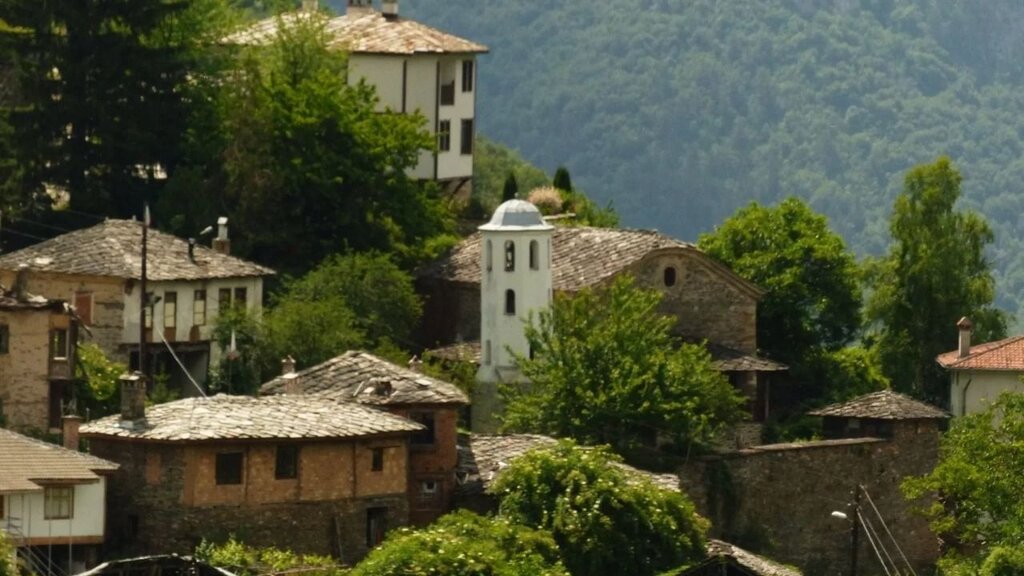
Туристи от цял свят откриват магията на родопското село Косово
PHOTO selokosovo.com
Among Kosovo’s landmarks are the Church of the Dormition of the Mother of God, built in 1851, the old school dating from 1889, the chapels of St Nedelya and St Peter, the watermill and blacksmith’s workshop, as well as its many preserved National Revival houses.
The area around Kosovo also offers plenty of opportunities to explore the cultural and historical heritage of the Rhodopes. Nearby are Bachkovo Monastery and Asen’s Fortress, the Wonderful Bridges rock formations about 30 kilometres away, and the thermal springs of Narechenski Bani, six to seven kilometres from the village. The climate is another attraction: summers are cool, while winters are relatively mild, with severe cold and blizzards uncommon.
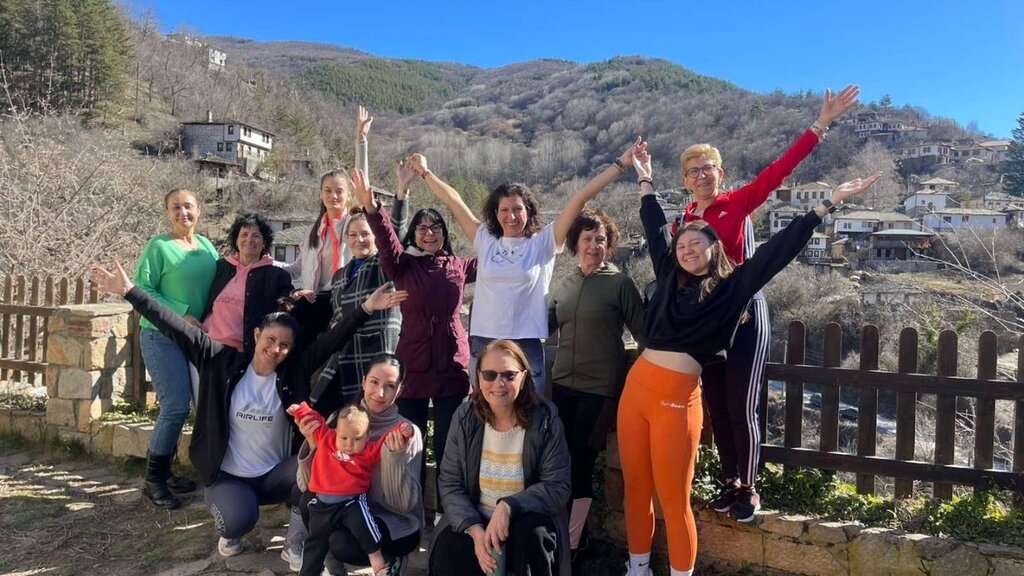
PHOTO selokosovo.com
All this makes tiny Kosovo a village rich in history, architecture and atmosphere. And although official figures showed just 29 residents at the end of 2025, perhaps the most encouraging thing is that some of them have chosen Kosovo not simply as a holiday destination, but as their home – proof that the road to a better life does not always lead to the big city. Sometimes it leads to a small village nestled among the slopes of the captivating Rhodope Mountains.
Editor: E. Karkalanova
This publication was created by: Elizabeth Radkova