


Author
Gergana Mancheva
News
Two Malmö teenagers find their voice in Bulgarian folk music
Monday 31 August 2026 13:03
Monday, 31 August 2026, 13:03
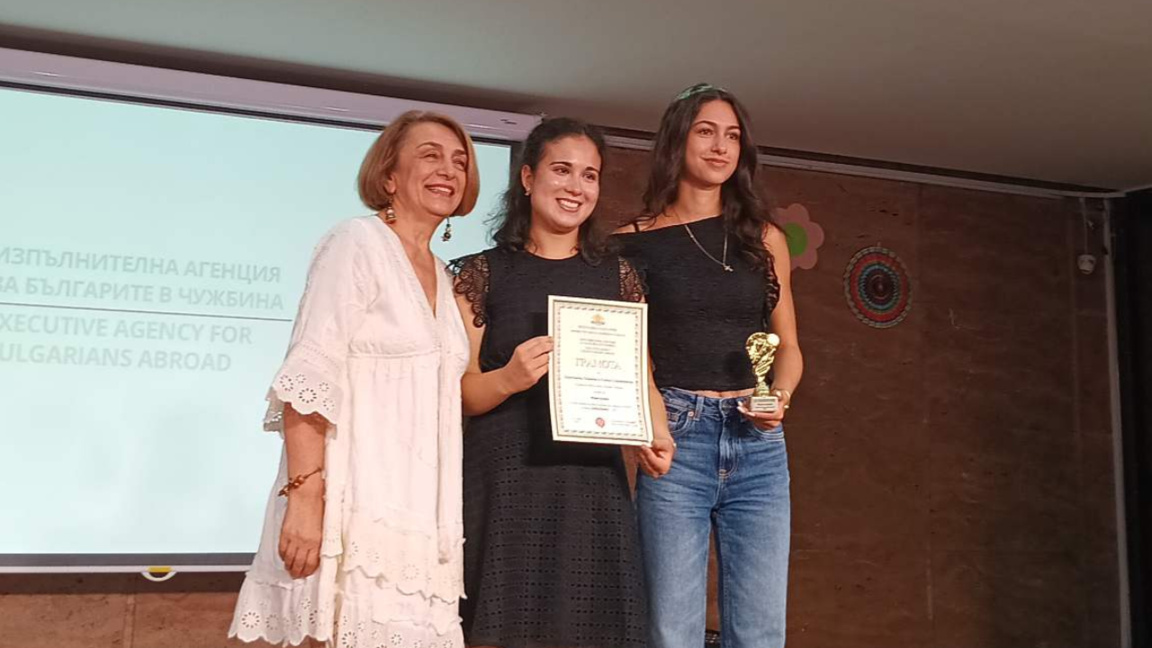
PHOTO EABA
Font size
Elena and Ekaterina are both 18, were born and raised in Malmö, Sweden, and learned Bulgarian at home from their Bulgarian parents. They have only recently begun singing together, but Bulgarian folklore – and folk songs in particular – has long been part of their lives.
The two met through a Bulgarian youth and children’s cultural group in Malmö and have now formed a duet. Their performance of the traditional song Katerino, mome earned them first prize for a group in the 15–18 age category of the Lyubka Rondova singing competition, organised by Bulgaria’s Executive Agency for Bulgarians Abroad (EABA). The award brought Ekaterina Pishieva and Elena Serafimova to the attention of Radio Bulgaria’s international audience.
Beyond singing, the two were behind the project An Easter Tale in Malmö, using a kamishibai-style picture story to introduce the local community to Bulgarian customs and traditions.
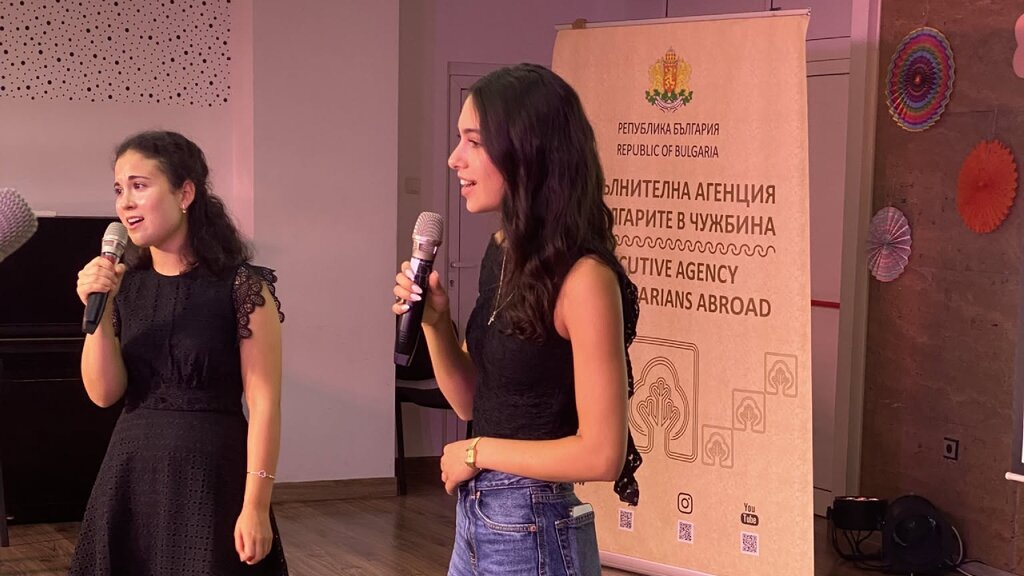
PHOTO EABA
In early August, Elena and Ekaterina took part in the International Festival of Authentic Folklore in the village of Dorkovo. There they performed as dancers with BG Folk Rhythms, a Bulgarian folklore group bringing together participants from Denmark and Sweden. They later joined the traditional educational summer camp organised by EABA in Brodilovo, a village in the Strandzha region near Bulgaria’s Black Sea coast.
“We get together all the time and celebrate with the other Bulgarians in our community in Sweden. We are always together for national holidays and anniversaries. We have a large dance group from Sweden and Denmark – around 50 people, sometimes even more. We also have a children’s group for children from towns around Malmö. We are far away, but we are still close to Bulgaria. We have our dance group, we sing folk songs, and that keeps the connection alive,” Ekaterina Pishieva says.
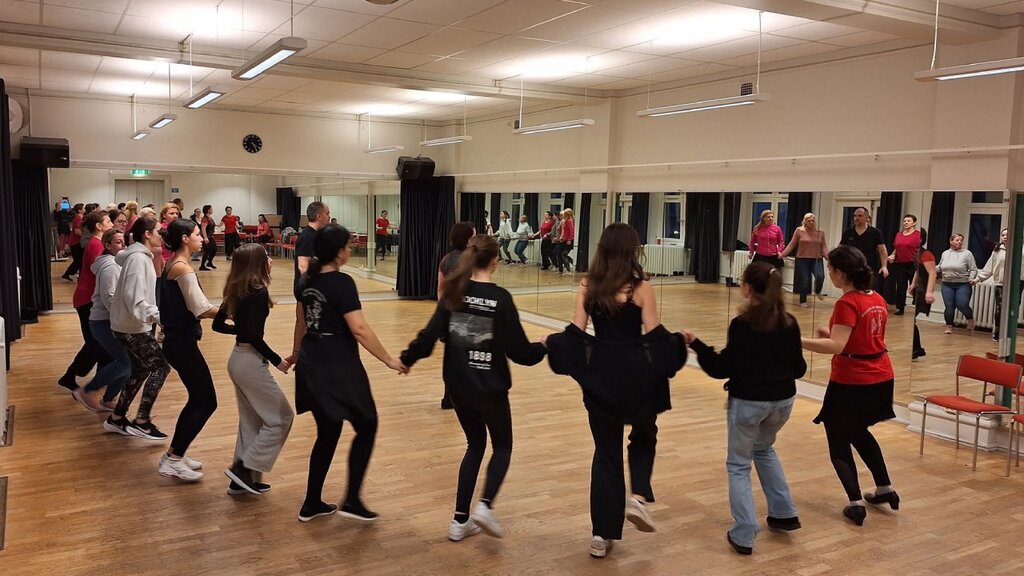
PHOTO Bulgarian Orthodox Church and Cultural Community “Holy Mother of God” in Malmö
There is no Bulgarian school in Malmö, she tells us, but the Bulgarian community is active. People come together for national holidays and cultural events, while folk dancing and music are an important part of community life.
For Ekaterina, Bulgarian music has a strong personal meaning:
“I love Bulgarian music more than any other. The music hits me in the heart. I feel it as part of myself, as something that comes from my roots – I don’t know exactly how to explain the feeling. I really feel it inside me as something of my own, as home.”
She plans to continue dancing with Mladost na Megdana, a group of young Bulgarian folk dancers living abroad.
“We are young people from abroad who dance Bulgarian folk dances, aged between 15 and 25, and we are preparing for a performance at the National Palace of Culture in Sofia this autumn.”
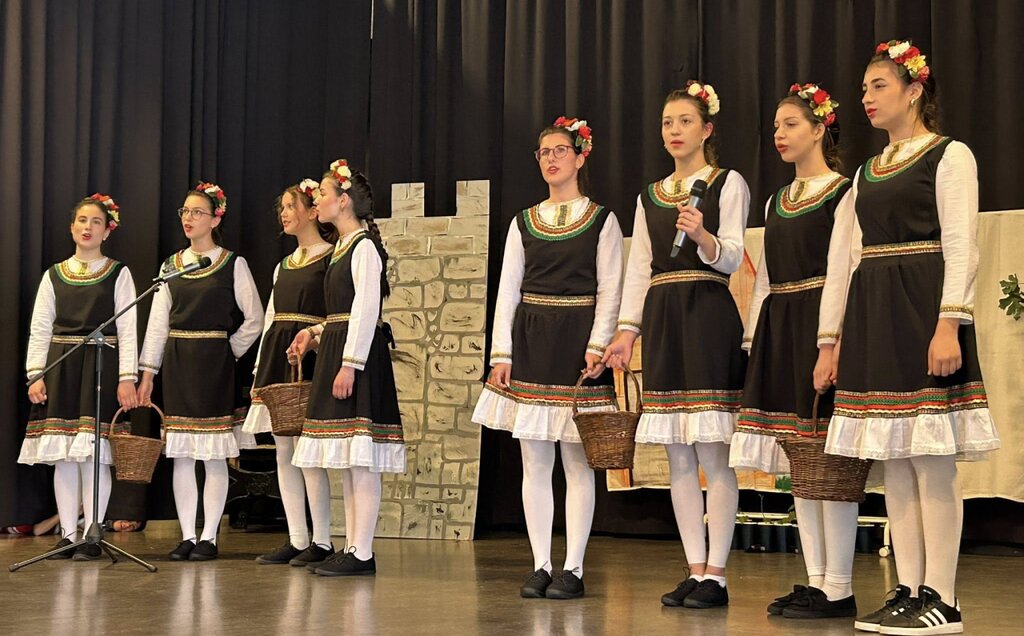
PHOTO Bulgarian Youth and Children’s Cultural Group in Malmö
Elena Serafimova shares much of that experience. Like Ekaterina, she was born in Sweden and has always attended a Swedish school, while Bulgarian language and culture have remained part of her life at home.
Katerino, mome was the first song the two learned together – and they taught themselves, using recordings online and listening to established Bulgarian folk singers.
“My parents are from Sofia. There are no musicians in my family, so I’m happy that I can be a little different and have the opportunity to perform,” Elena says. “I really like Bulgarian folklore, and I’m very pleased and happy that Ekaterina and I managed to learn Katerino, mome entirely on our own. Of course, there will be other songs like it that we will perform.”
Unlike the earlier suggestion that the girls rarely visit Bulgaria, Elena says she comes back often – and would eventually like to make the move permanent.
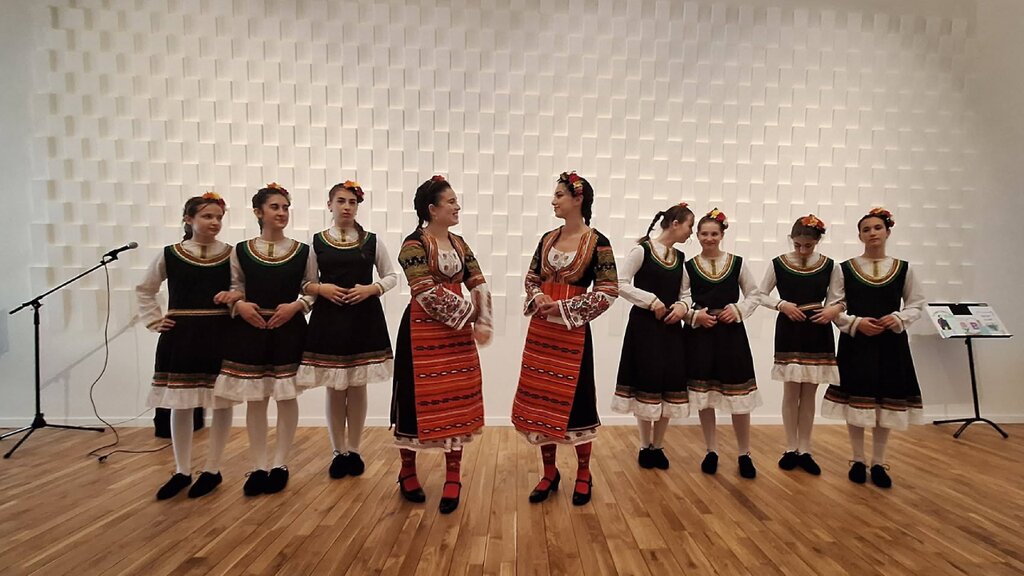
PHOTO Bulgarian Orthodox Church and Cultural Community “Holy Mother of God” in Malmö
“Yes, I come back to Bulgaria very often, but the long-term goal is to return permanently, to my family and my roots, because it really is very different to be here, to feel all that energy, to be at home.”
Bulgarian music in Sweden is not confined to folklore. Elena says DARA’s Eurovision-winning song Bangaranga has become popular among Bulgarians there.
“I also really like the Bulgarian song with which DARA won Eurovision. Bangaranga is very popular among Bulgarians in Sweden. She toured there and gave several concerts, and she really managed to bring the Bulgarian community together.”
For Elena and Ekaterina, Katerino, mome is only the beginning. Having taught themselves their first song and taken it to a prize-winning performance, the two are already planning to add more Bulgarian folk songs to their repertoire.
Editor: E. Karkalanova
This publication was created by: Elizabeth Radkova