


Author
Aleksandra Karamihaleva
Bulgarian seedlings that took root and flourished in Hungary
Wednesday 2 September 2026 20:36
Wednesday, 2 September 2026, 20:36
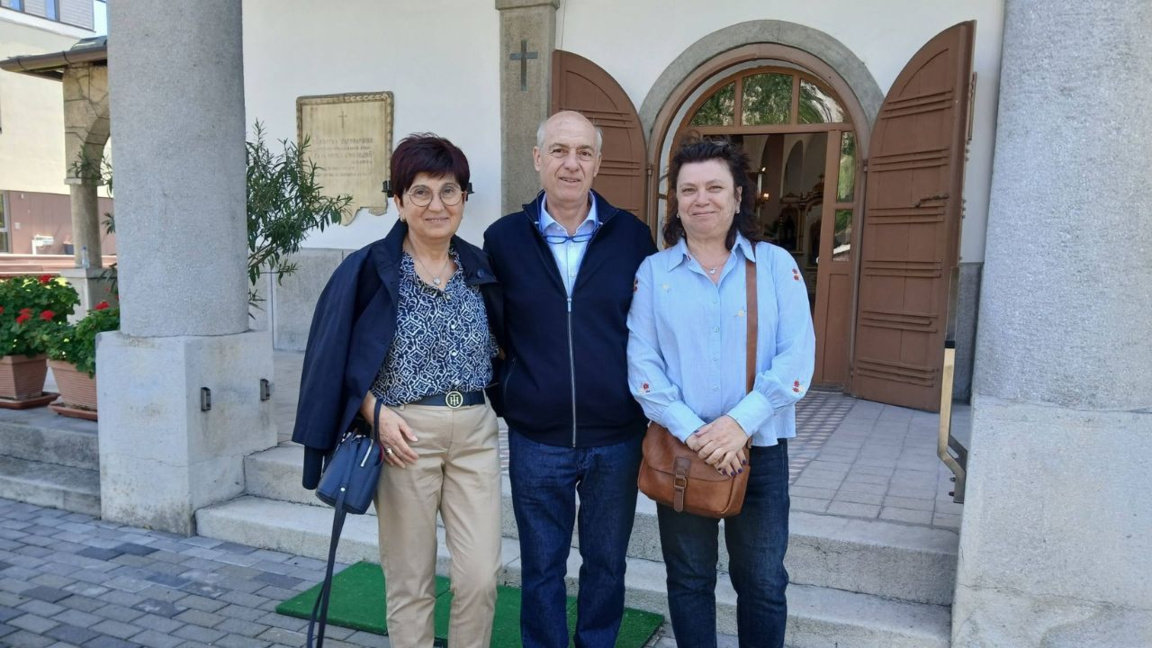
PHOTO Aleksandra Karamihaleva
Font size
Although she was born in Hungary and considers it her native country, Krasimira Kutsarova’s Bulgarian identity remains undiminished.
The tradition can be traced back to the village of Polikraishte near Veliko Tarnovo, home to generations of Bulgarian market gardeners who made a name for themselves across Europe. Skilled growers, they took with them not only their livelihood but also a strong sense of national identity. Every summer, their descendants retrace that journey in reverse, crossing borders to bring their extended families together once again in Polikraishte.
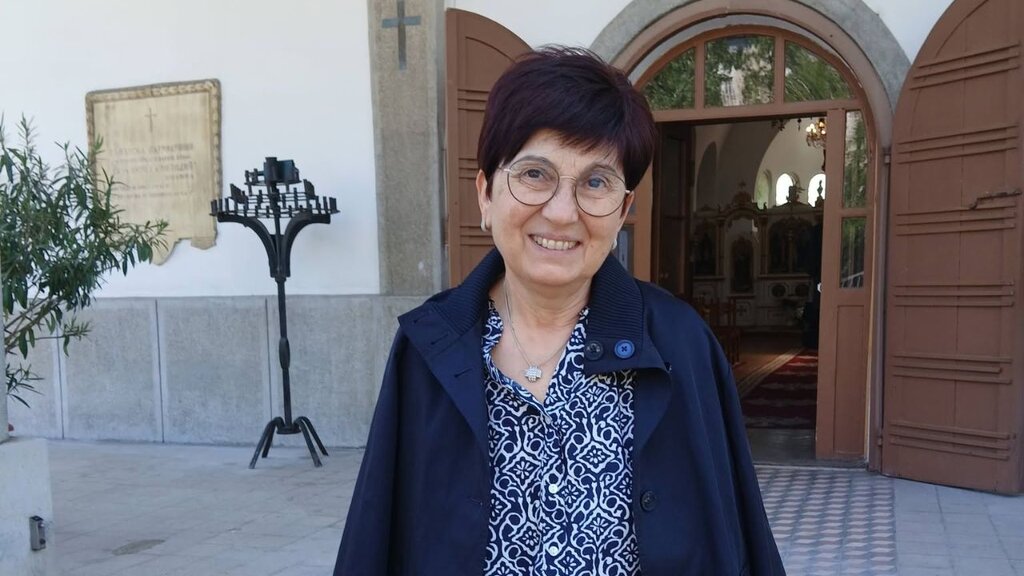
PHOTO Aleksandra Karamihaleva
“I was born here, in Budapest, and ultimately this is my homeland. But Bulgaria is also a homeland to me, because every summer we used to go back to visit our grandparents. My mother’s parents were in Bulgaria. And the tradition has remained to this day – when summer comes and it is time for the gathering in Polikraishte, all of us who live abroad, whether in Hungary, Slovakia, Austria or scattered around the world, come together there. We gather just as we do here, we are like brothers and sisters, and we are happy to have the chance to see one another,” she told Radio Bulgaria’s Bridge of Faith podcast on Bulgarian Orthodox communities abroad.
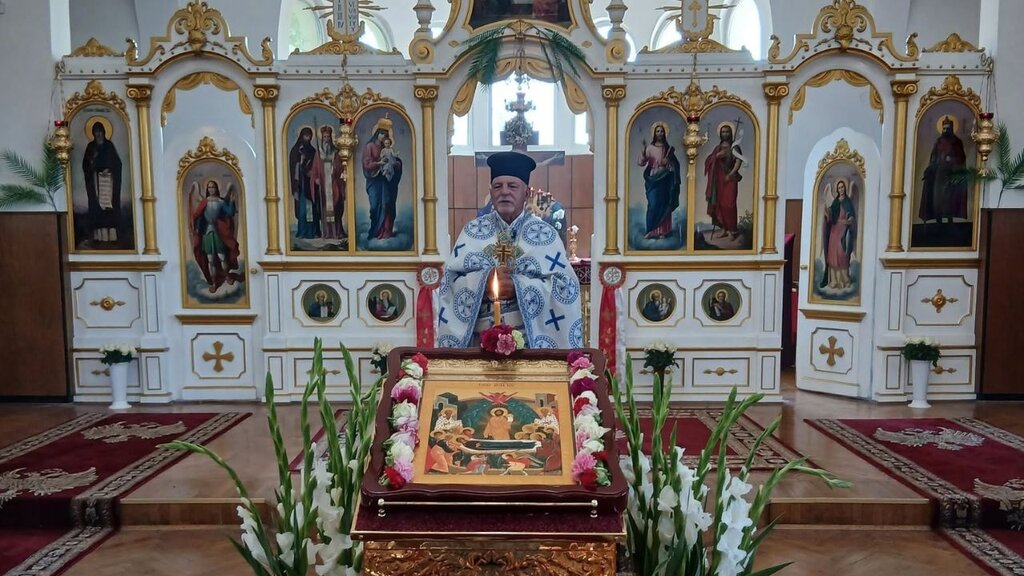
PHOTO Aleksandra Karamihaleva
To understand how this sense of community has endured from one generation to the next, we need to look back at the history of the Bulgarian gardening colony established by people from Polikraishte and Draganovo. It is a story of hard-won success through working day and night, of the dignity of Bulgarian farmers and their ability to prove themselves and prosper through their own efforts in a foreign country.
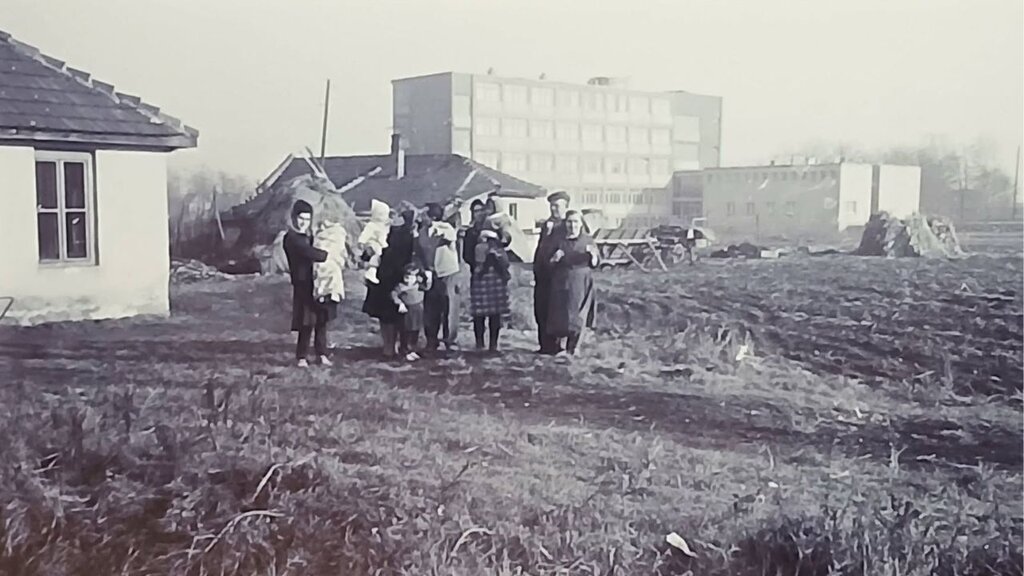
PHOTO Aleksandra Karamihaleva
“These hard-working people wanted to find a better way of life. They started out as labourers, working in other people’s gardens so they could save some money and eventually buy land of their own. That was how my grandfather began, together with his brothers and sister. They worked in the gardens, saved up, and each of them bought a garden of their own. Later my father joined his father, and by then we already had our own garden. That was how we got the wheel turning – with a great deal of hard work, many sleepless nights and a strong sense of togetherness,” Kutsarova said.
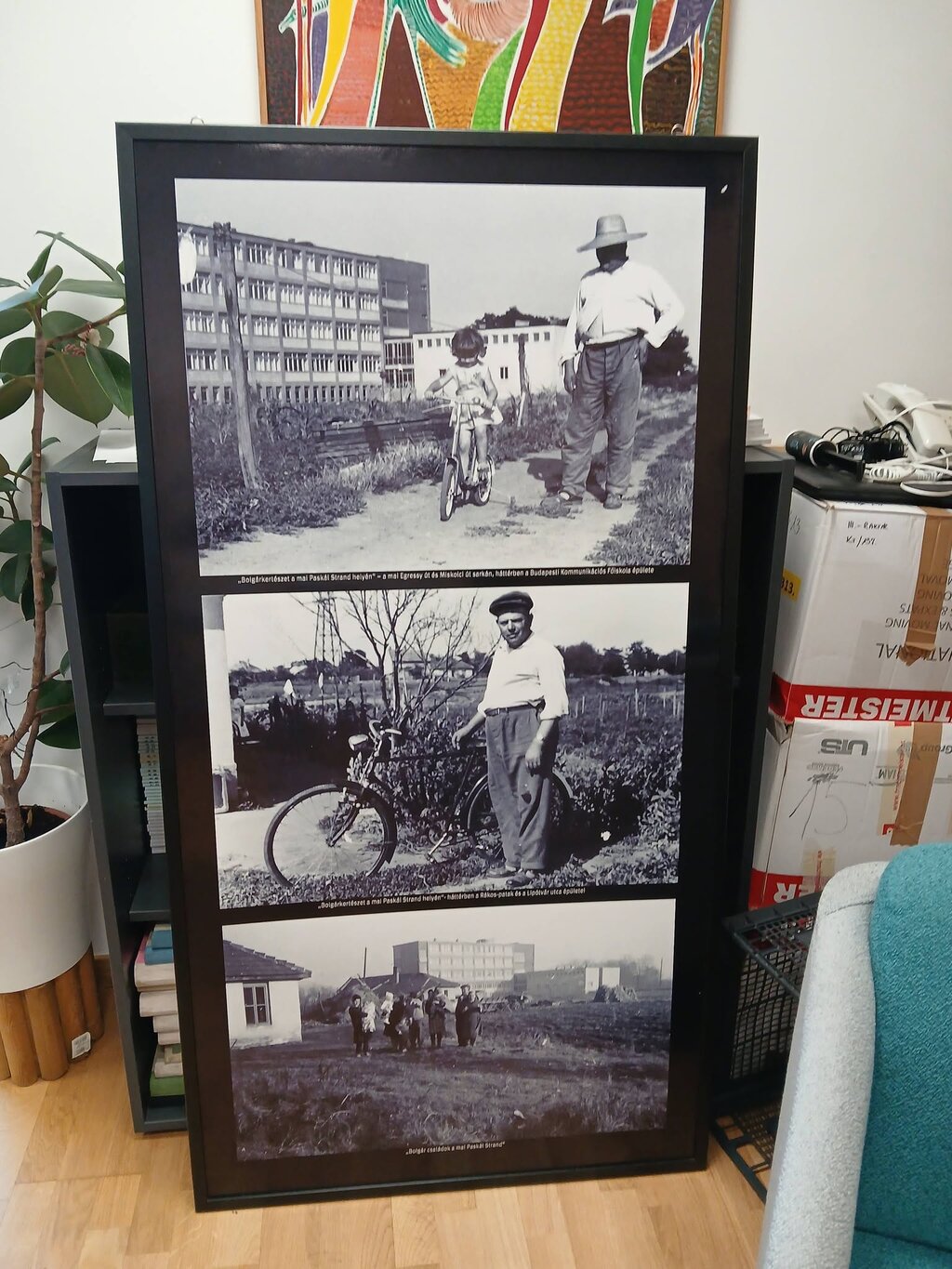
PHOTO Aleksandra Karamihaleva
Hungary welcomed the Bulgarian settlers and valued them for their hard work. They brought crops that were still unfamiliar to local growers, along with a remarkable work ethic. Their strong sense of community eventually led them to establish a centre of their own in Budapest’s prestigious ninth district, close to what was then the city’s vegetable market.
“We are such a strong, close-knit community! We managed to prosper in a foreign country that gave us a home and accepted us as its own. We have always been appreciated as hard-working Bulgarian citizens. We have never felt like foreigners in this country because we contributed to vegetable growing here – tomatoes, aubergines and leeks, crops that were typical of the Balkan countries at the time. Hungarians did not know them.”
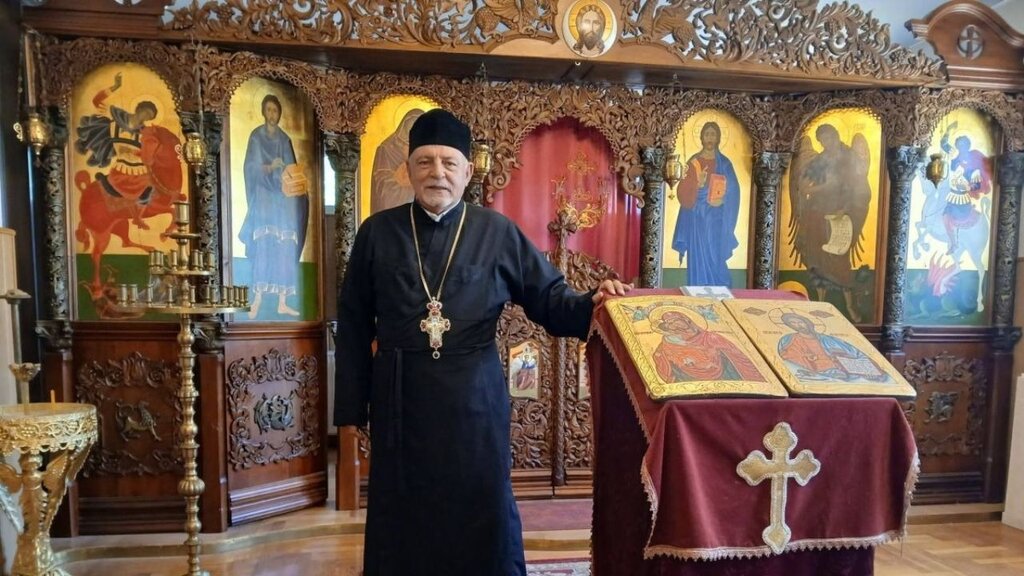
PHOTO bg-patriarshia.bg
The story might end there, with roots preserved across generations. But every spring in Budapest, the metaphor becomes quite literally alive.
Today’s Hungarian Bulgarians come to the courtyard of the Bulgarian Church of Sts Cyril and Methodius to collect roots of their own. Literally.
Every May, the Bulgarian Self-Government in Hungary organises an unusual initiative in the church courtyard, giving away seedlings of selected Bulgarian vegetable varieties. There is something almost surreal about watching people carefully load crates of fragile green plants into their modern cars and carry them back to their Hungarian homes as precious cargo.
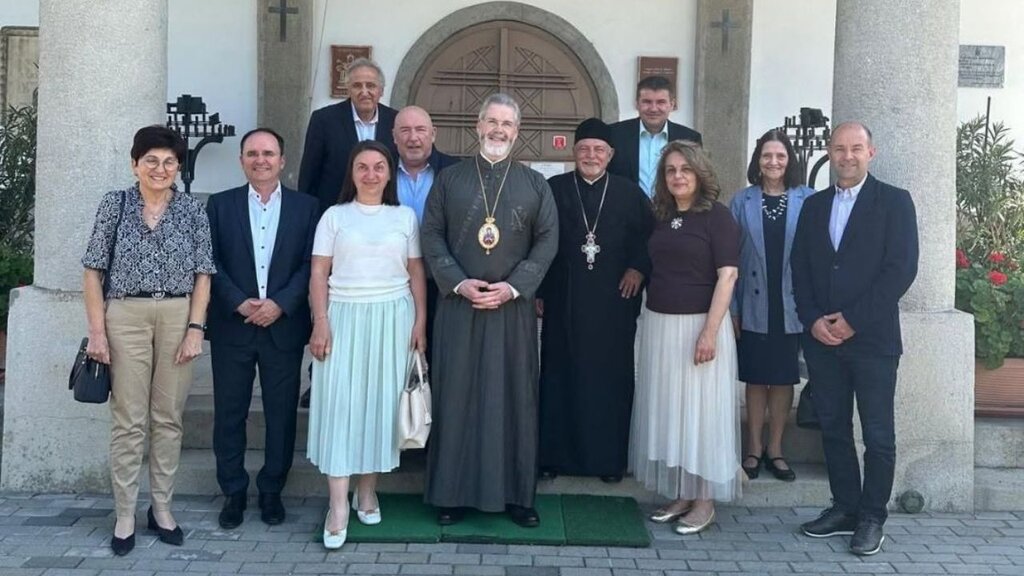
PHOTO bg-patriarshia.bg
And the little plants seem to carry a story of their own. They are more than the promise of a future vegetable harvest. They echo the young shoots their ancestors once carried with them and carefully planted in foreign soil – seedlings that, sustained by the church, the school, the community centre and the bonds within the community, have put down deep, strong roots, flourished and produced a rich harvest in Hungary and neighbouring countries.
Editor: Desislava Semkovska
This publication was created by: Elizabeth Radkova