


Author
Gergana Mancheva
News
Sunday school brings Munich’s Bulgarian community together
Tuesday 8 September 2026 14:31
Tuesday, 8 September 2026, 14:31
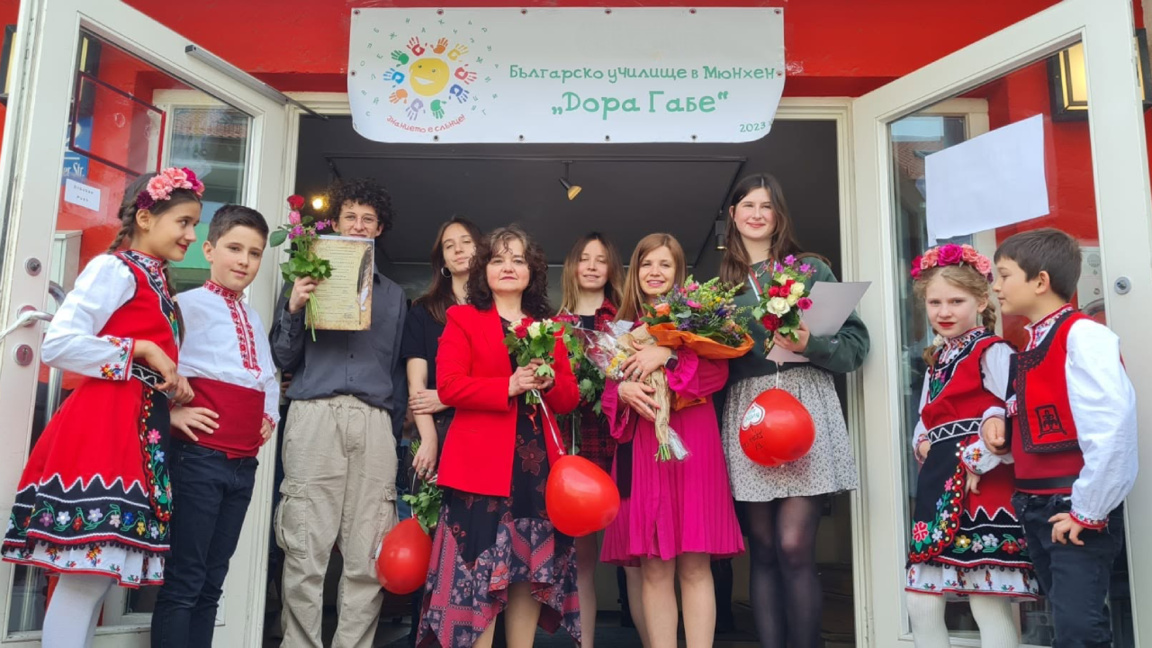
PHOTO Facebook/ Dora Gabe Bulgarian Sunday school in Munich
Font size
More than 14,500 Bulgarians live and work in Munich, according to figures from the city’s statistical office released last year. Deputy Mayor Verena Dietl described people with Bulgarian roots as a natural and important part of life in the Bavarian capital.
For many Bulgarian families, the community comes together around Munich’s two Sunday schools. More than 300 children attend Paisii Hilendarski and Dora Gabe, from preschoolers to students in Grade 12. Classes follow programmes approved by Bulgaria’s Ministry of Education and Science.
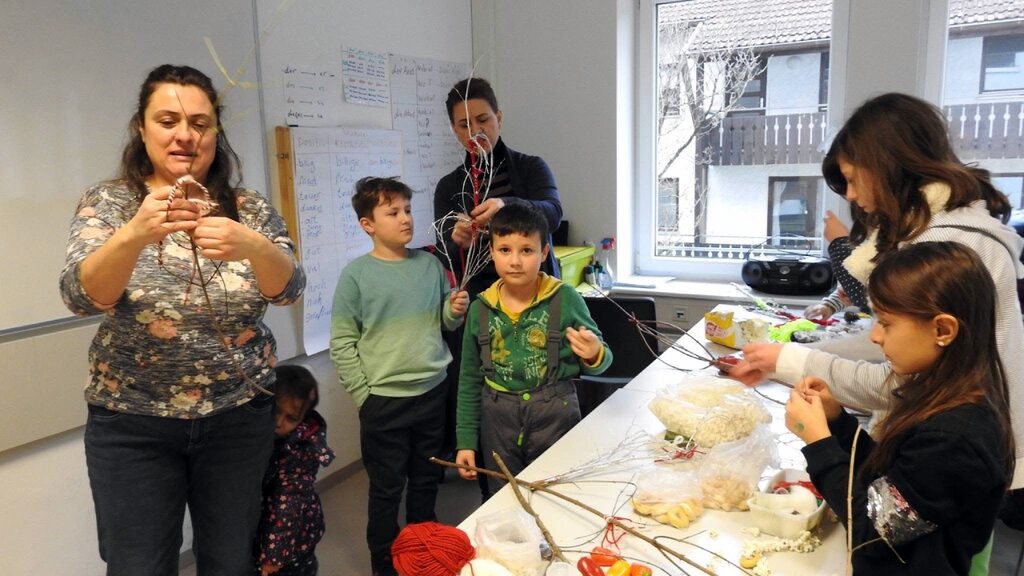
PHOTO Facebook/ Dora Gabe Bulgarian Sunday school in Munich
At the end of the school year, pupils receive certificates recognising the grade they have completed and their studies in Bulgarian language and literature, history and geography. Should they later continue their education in Bulgaria, the certificates mean they do not have to sit equivalency exams in these subjects.
Yet the schools offer something that goes beyond formal education. “It is a tremendous advantage that all the children and teenagers study together – in the same building. This gives them an opportunity to form interest groups and communities, which is particularly valuable for Bulgarian children growing up abroad,” the board of the Dora Gabe Bulgarian Sunday School in Munich writes.
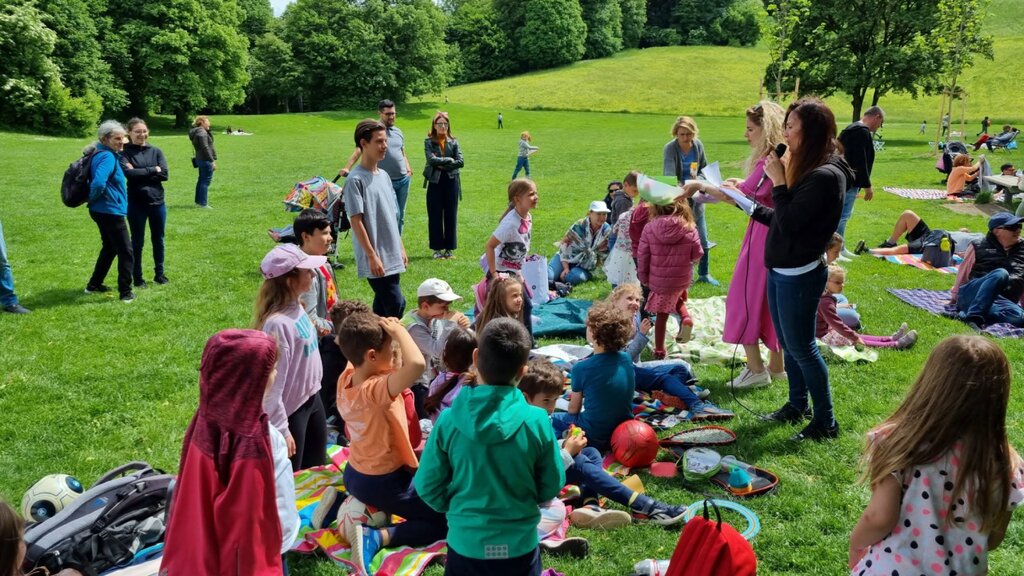
PHOTO Facebook/ Dora Gabe Bulgarian Sunday school in Munich
The aim is to teach as many children as possible, foster a love of the Bulgarian language and awaken their interest in Bulgaria’s literature, history and geography. For 13 years, Dora Gabe School in Bavaria has pursued this mission, opening more doors to knowledge, skills and contacts for children with Bulgarian roots. Starting with just 10 children in 2013, it is now attended by more than 210 children of Bulgarians aged between 3 and 18.
In fact, the school has also become a valuable meeting place for parents, who themselves seek connections with other Bulgarians who have come to live in the heart of Germany.
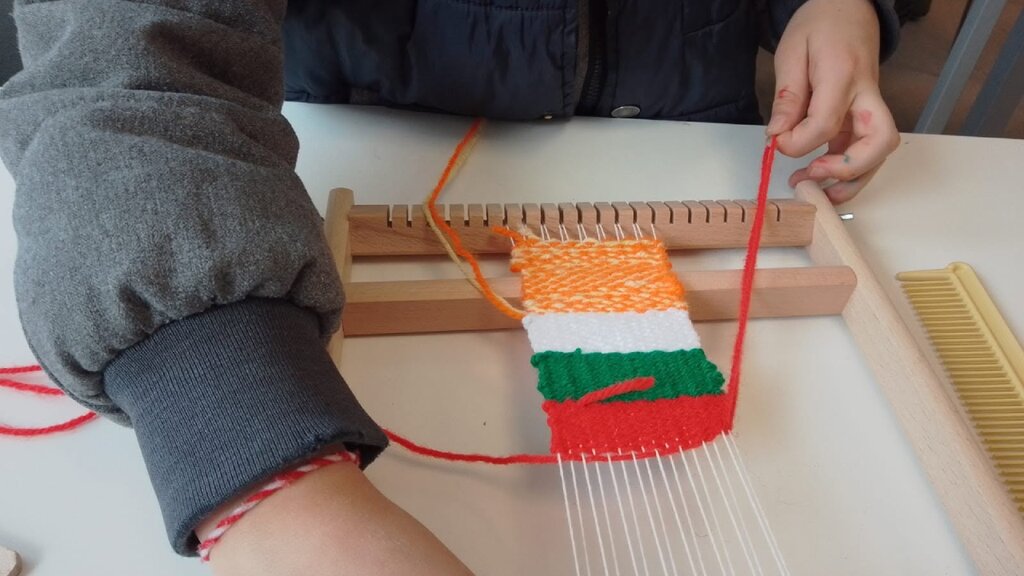
PHOTO Facebook/ Dora Gabe Bulgarian Sunday school in Munich
“If we had stayed in Bulgaria, we probably wouldn’t have met as many Bulgarians from all over the country as we have here in Munich,” Elena Atanasova, who has lived in Germany for 25 years and is now a member of the board of Dora Gabe School in Munich, told Radio Bulgaria:
“We call the whole school ‘one big sunny family’, because we all work together for it. We have a team – my colleagues and I on the board – we have a director, and around 30 teachers and extracurricular activity instructors. We have a parents’ council that helps us enormously. We also work with many volunteers who help us in every possible way – organising celebrations and events. So we manage by joining forces."
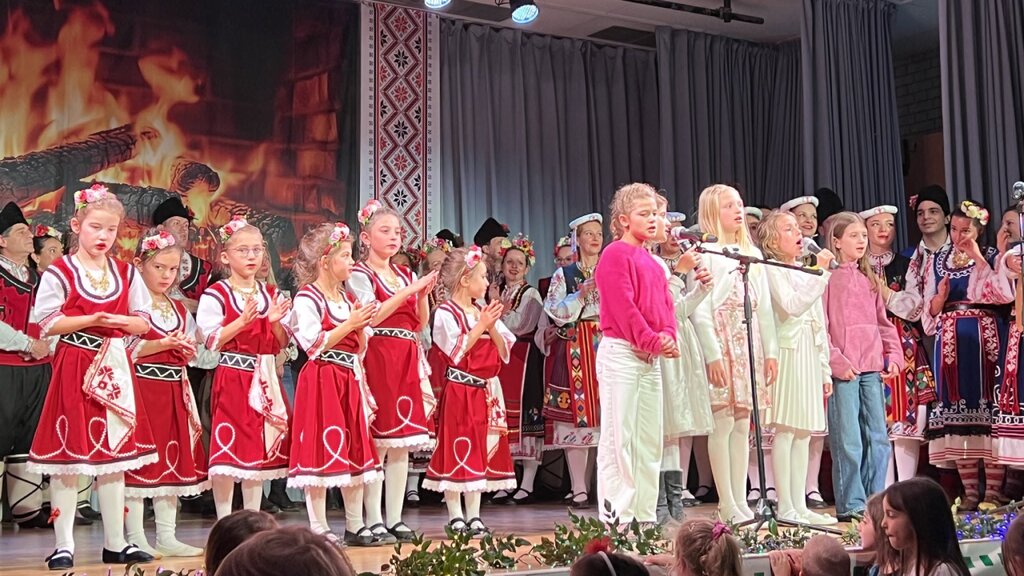
PHOTO Facebook/ Dora Gabe Bulgarian Sunday school in Munich
“But it isn’t easy to motivate the children, to be honest, and that’s why we’re always looking for new ways to keep them interested in the school. We organise celebrations, invite them to summer camps, hold sports days and so on – things that bring them together and help them get to know each other and become friends.”
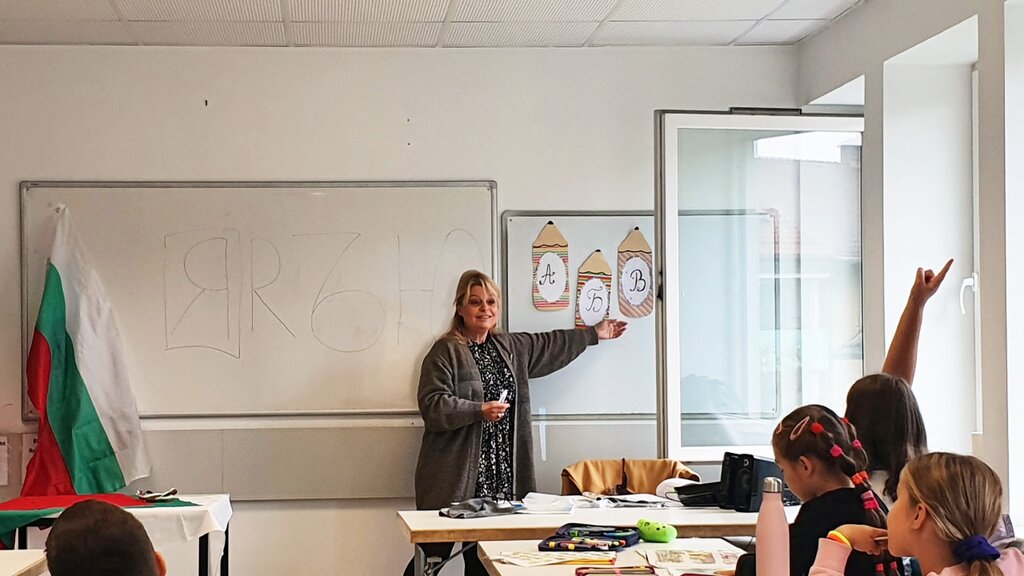
PHOTO Facebook/ Dora Gabe Bulgarian Sunday school in Munich
Elena has two children, both born in Germany and attending German schools. They speak Bulgarian very well and regularly attend Sunday school, while she makes a point of raising them with Bulgarian culture and traditions. For Elena Atanasova and her husband, who is also Bulgarian, it is important that their children know where they come from and never lose their connection with Bulgaria. They also want them to be able to speak Bulgarian with their grandparents and other relatives.
“If you don’t know your roots, you can’t really know yourself either,” Elena told us.
Editor: Desislava Semkovska
This publication was created by: Elizabeth Radkova