


Author
Tsvetana Toncheva
News
Highlights of Bulgarian musical culture
“The Taste of Time” – a classic of Bulgarian rock
Friday 11 September 2026 15:25
Friday, 11 September 2026, 15:25

PHOTO Balkanton
Font size
Since it emerged in the 1950s, rock has been the voice of youth – of protest and the desire for freedom. It carries the energy of being young and the right to ask uncomfortable questions about the big issues of the day. Around the world, rock has stirred the minds and emotions of generations of intelligent and sensitive people, becoming a challenge to the established order – loud and rebellious, poetic or lyrical, but always distinctive.
In Bulgaria, rock music is almost synonymous with Shturtsite – the legendary band that came to embody the classic rebellious spirit in Bulgarian popular culture. Formed in 1967 by Kiril Marichkov, Petar Tsankov, Petar Gyuzelev and Veselin Kisyov, the group appeared at a time when rock had already become the language of an entire generation around the world. For young Bulgarians, it was a window onto another world and another way of thinking.
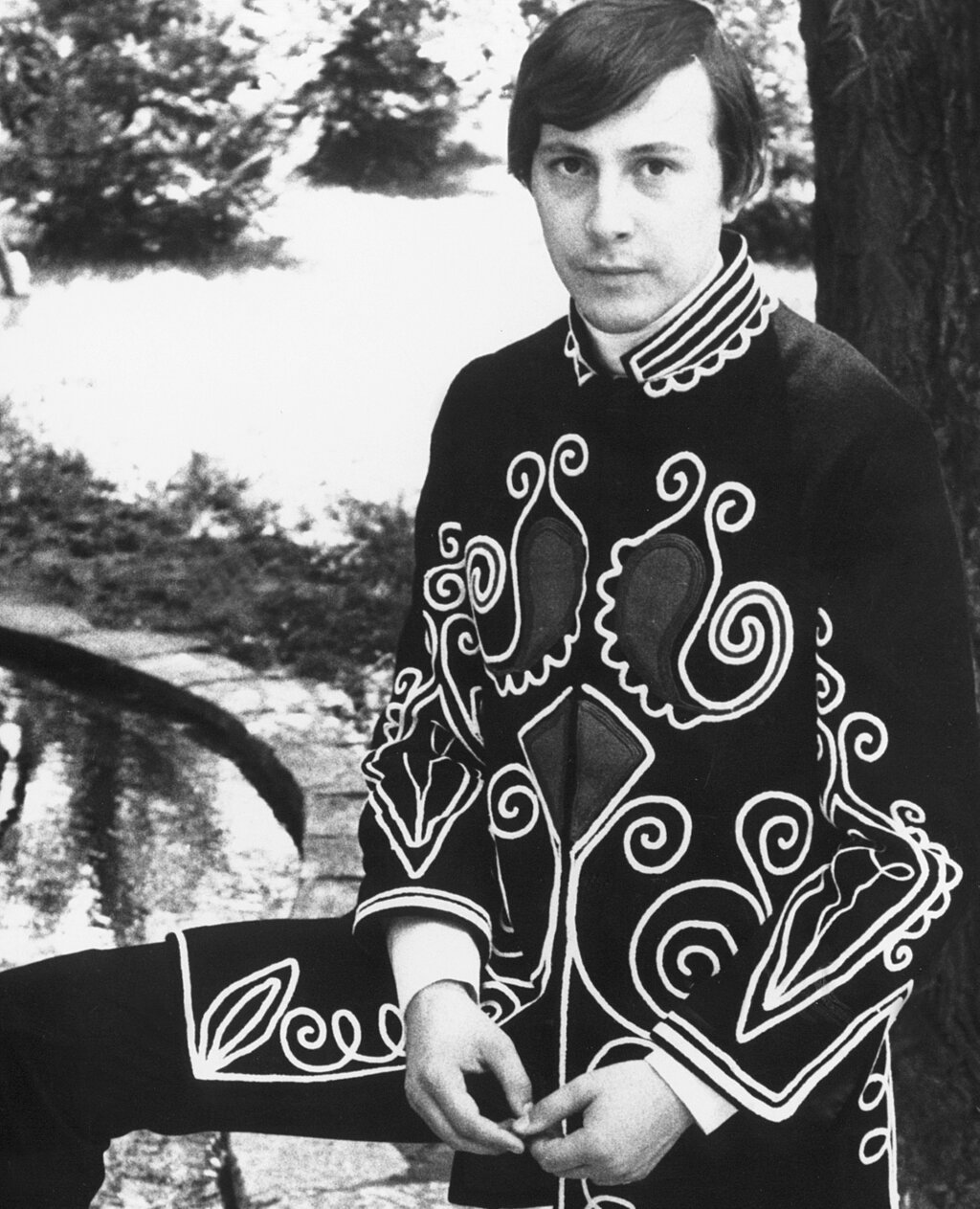
Kiril Marichkov (October 30, 1944 – October 11, 2024)
PHOTO shturcite.github.io
At first, Shturtsite followed the international models. The musicians later admitted that their early steps were marked by imitation of the Beatles. But they also believed they needed solid ground to build on before something genuinely their own could emerge. The real challenge was to find their own musical language. And Shturtsite did. As different musicians joined the band over the years, they gradually turned the aesthetics of international rock into part of Bulgarian culture.
Shturtsite believed wholeheartedly in their mission to create Bulgarian rock. Their music used the universal language of the genre, but spoke about Bulgarians, in Bulgarian. In his book The Ambition Called Bulgarian Rock, Rumen Spasov describes rock as a particular synthesis of music, poetry, contemporary folklore and modern technology. He argues that everywhere in the world rock challenges those in power, while in countries without genuine democracy that challenge is suppressed by every possible means and inevitably takes on a particular significance.

PHOTO shturcite.github.io
In this sense, Shturtsite were part of a culture that questioned and rebelled. Their songs from different periods trace the evolution of Bulgarian rock. Many different lyricists wrote for the band, yet the lyrics share a recognisable spirit and character. The result was a Bulgarian phenomenon that both resembled and differed from the international models that had inspired it.
One of Shturtsite’s most memorable songs, “The Taste of Time”, has remained a landmark of Bulgarian popular culture for more than four decades. The music and arrangement are by Kiril Marichkov, while the lyrics were written by a poet described as “harsh and uncompromising”.

Volen Nikolaev (September 9, 1954 – March 15, 2011).
PHOTO Facebook/ Volen Nikolaev
Volen Nikolaev wrote more than 600 song lyrics. They were sung by stars such as Lili Ivanova and Vasil Naydenov, but Nikolaev is remembered as one of Shturtsite’s closest collaborators. Among the band’s hits based on his lyrics are “20th Century”, “Juliet”, “Farewell”, “The Staircase” and “Hamlet”.
“We are searching again for the taste of time” – the characters rush through life, chase success, put on “new clothes” and try to stop life in its tracks with the wave of a hand. But at what price? Volen Nikolaev’s lyrics are about a generation, growing older and the value of the years that have passed. “The taste of time is salty” – time takes much away, but also gives us the chance to discover who we are.
With songs such as “The Taste of Time”, Shturtsite created rock with a character of its own, bringing together international music culture, Bulgarian poetry and a personal point of view. Today, Shturtsite is much more than the name of one of Bulgaria’s most popular rock bands. The group is proof that a global genre can take root in Bulgarian soil without losing its energy – and without ending up as just another copy.
Editor: Desislava Semkovska
This publication was created by: Elizabeth Radkova