


Author
Tsvetana Toncheva
Article
Highlights of Bulgarian musical culture
“Nani mi, nani, Damyancho” – Lyubomir Pipkov’s poetry in music
Friday 18 September 2026 14:45
Friday, 18 September 2026, 14:45
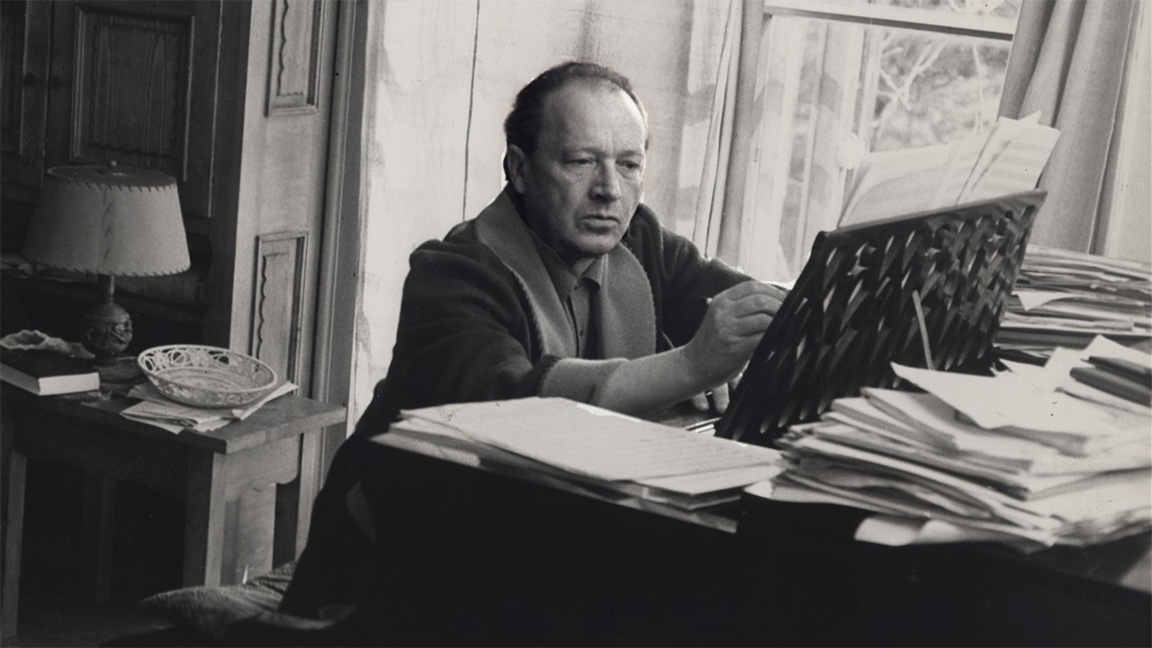
PHOTO operasofia.bg
Font size
One of Bulgaria’s great composers of the 20th century, Lyubomir Pipkov holds an important place in both Bulgarian and European music. He was particularly gifted at turning words into music. Few figures in the Bulgarian school of composition could match his cultural and literary range or his poetic sensibility. Pipkov approached words both as a musician and as someone with a deep affinity for poetry.
This can be heard throughout his work, especially in his songs. Scholars have explored the different ways in which he interpreted a text and shaped the relationship between words and musical expression. Pipkov himself considered the choral song one of the central genres in his work. Among his masterpieces are Na nivata (In the Fields), Proleten vyatar (Spring Wind), Zhalta peperuda (Yellow Butterfly), Tsarevitsa ranna (Early Corn), and the cycles Four Madrigals and Muted Songs. They remain an important part of the Bulgarian choral repertoire today.
Among them, “Nani mi, nani, Damyancho” holds a special place. Written in 1948 for mixed choir to a traditional folk text, it brings together the directness of Bulgarian folk poetry and Pipkov’s skill as a composer to remarkable effect.
At the centre of the song is a mother trying to lull her child to sleep while working hard in the fields. Tenderness, exhaustion, anxiety and sorrow can all be heard in her soothing voice, against the reality of gruelling physical work. It is a lullaby that is both intimate and social, without a trace of pathos and with the natural simplicity of Bulgarian folk tradition.
“Nani mi, nani, Damyancho” also became a recurring musical idea in Pipkov’s work. He wrote a song for soprano and piano under the same title, and later gave the title to an instrumental piece in his 1973 piano cycle Spring Whims. His return to the same musical material suggests how close this subject was to him, revisited in different genres and through different forms of expression.
For Pipkov, folklore was not simply an outward sign of national identity. It was fundamental to the way he thought about music. As Prof. Ivan Hlebarov, one of the leading scholars of the composer’s work, wrote: “Pipkov is national not because of his subject matter, but because of the way he sees the world... And by drawing on folklore, he develops a harmony of consciousness that remains a defining feature of his worldview throughout his creative life.”
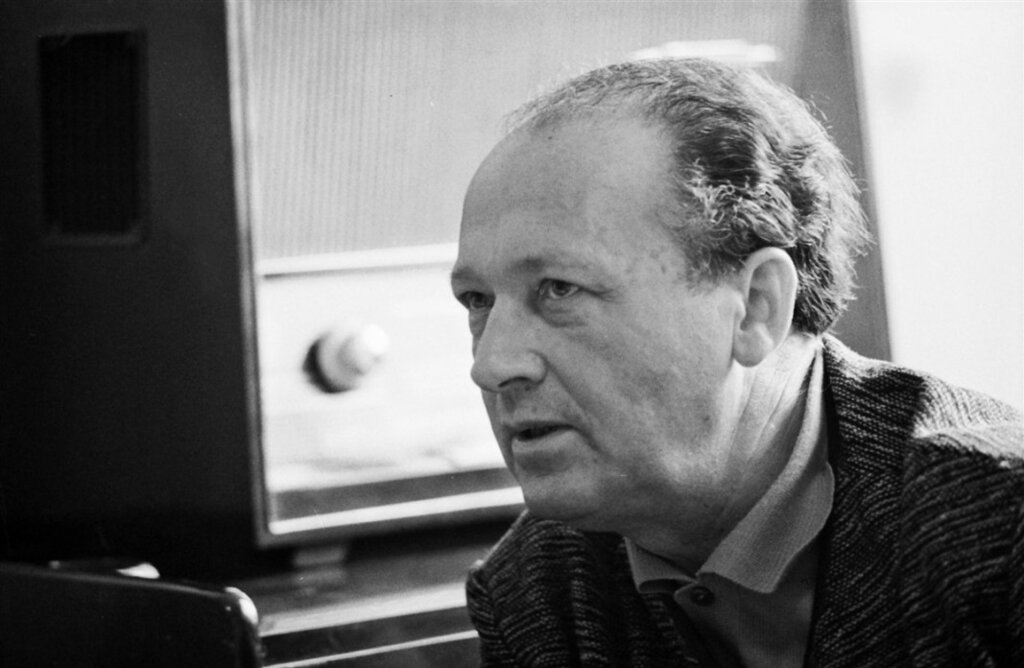
PHOTO operasofia.bg
“Nani mi, nani, Damyancho” is a vivid example of what Hlebarov describes. Pipkov does not quote a folk melody directly, yet there is no mistaking the Bulgarian character of the music. It is there in its intonation, in the treatment of the words, in the rhythm of the musical phrase and, above all, in the image at its heart: a mother’s voice, the closeness between mother and child, the burden of everyday life and the quiet human resilience that allows tenderness to survive even in the hardest circumstances.
Editor: Desislava Semkovska
This publication was created by: Elizabeth Radkova