


Author
Diana Tsankova
News
125 years of Ivan Tabakov - the forgotten classic of Bulgarian painting
“The artist had a remarkable gift for rendering light, bringing greater vitality to his subjects,” says Hristo Bozhkov, curator at the Vratsa Art Gallery
Friday 18 September 2026 07:05
Friday, 18 September 2026, 07:05
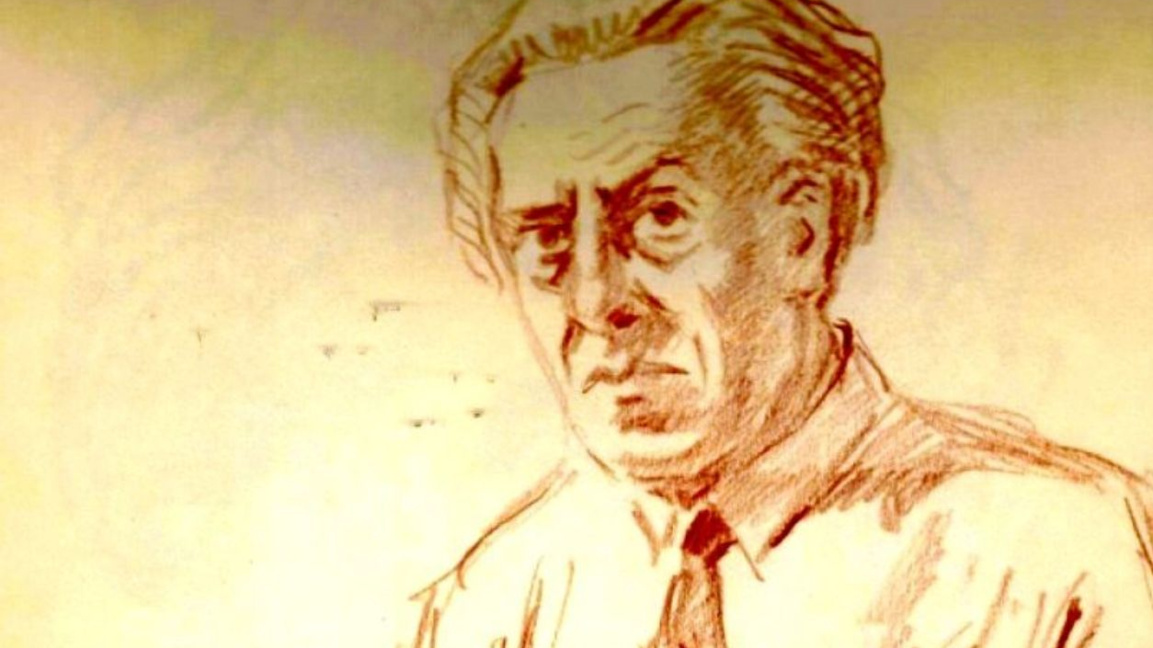
Ivan Tabakov (self-portrait)
PHOTO artzona.bg
Font size
September 18, 1901, is the birthdate of Ivan Tabakov, one of Bulgaria’s major painters. His refined sensibility and distinctive ability to recreate the visible world were nurtured from an early age in an atmosphere steeped in classical art. This combination of artistic sensitivity and musical culture would go on to shape his perception of colour, light and the human figure.
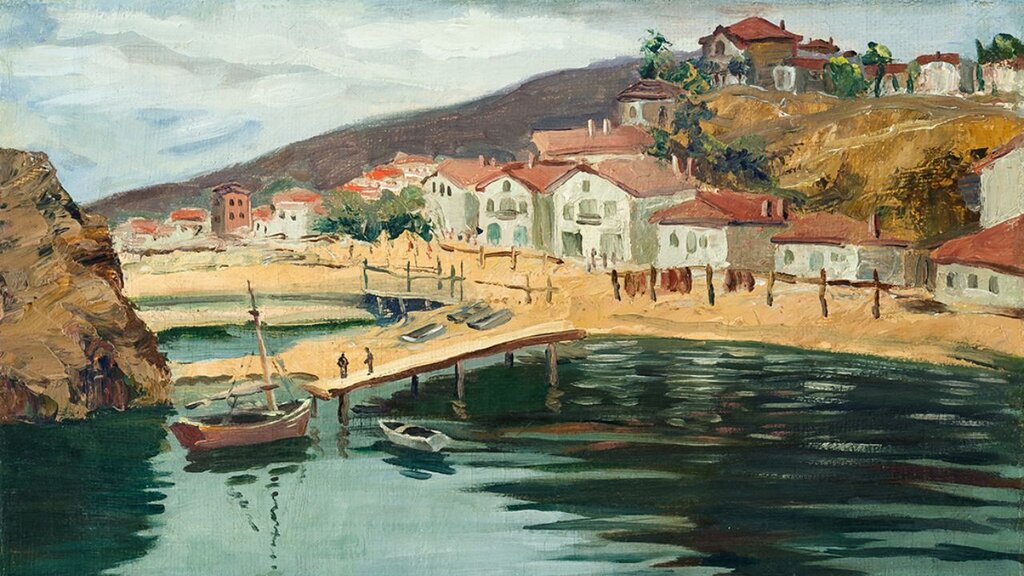
PHOTO galleryloran.com
Born in Sofia, from an early age Ivan Tabakov showed an interest in the violin, while his sister, Tsvetana Tabakova, would later become one of Bulgaria’s celebrated opera singers. Despite the musical milieu in which he grew up, he gradually discovered his true vocation in painting. At the Sofia Academy of Art, he studied under the distinguished artists Professors Nikola Danushev and Nikola Marinov before leaving for Paris.
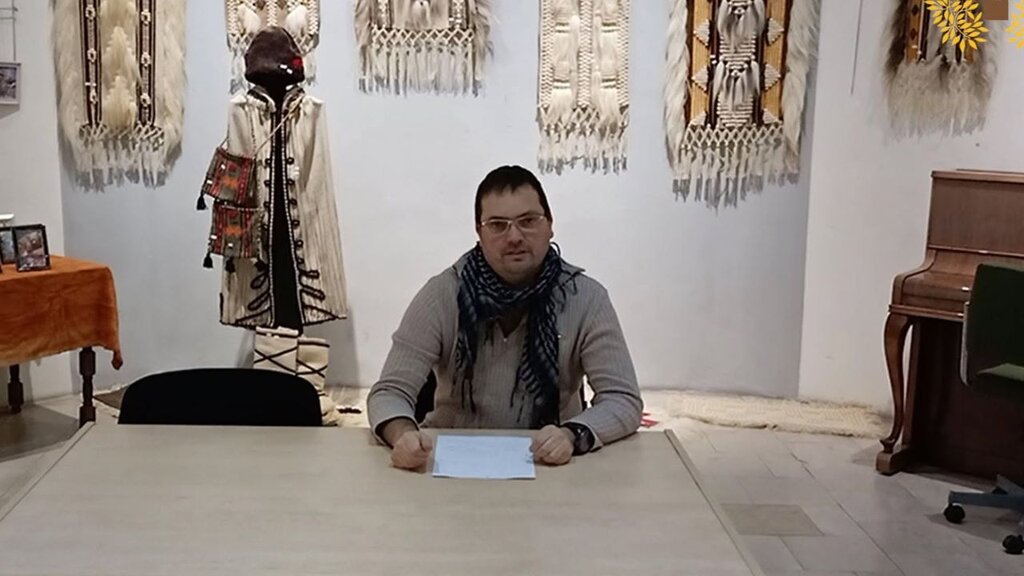
Hristo Bozhkov, curator at the Ivan Funev Art Gallery in Vratsa
PHOTO Regional History Museum in Vratsa
“He remained in the French capital until 1932, where he continued his artistic training and exhibited actively,” says Hristo Bozhkov, curator at the Ivan Funev Art Gallery in Vratsa.
“With his well-known portraits of women from 1930 and 1931, he took part in the Salon d’Automne, and a year later he exhibited his paintings at the Salon des Indépendants. After returning to Bulgaria, he began painting seascapes, probably influenced by his friendship with the celebrated Bulgarian marine painters Alexander Mutafov and Mario Zhekov.
In 1933, he held his first solo exhibition in Bulgaria, presenting mainly works from his Paris period, alongside portraits and paintings depicting scenes of rural life. In addition to drawing inspiration from countless subjects encountered in his native land, the artist travelled extensively throughout the world, and his work was well received. At the 1942 Venice Biennale, he exhibited a portrait of the writer Georgi Raichev, attracting the attention of the Italian press. The Milan Academy of Fine Arts subsequently named him an honorary member.”
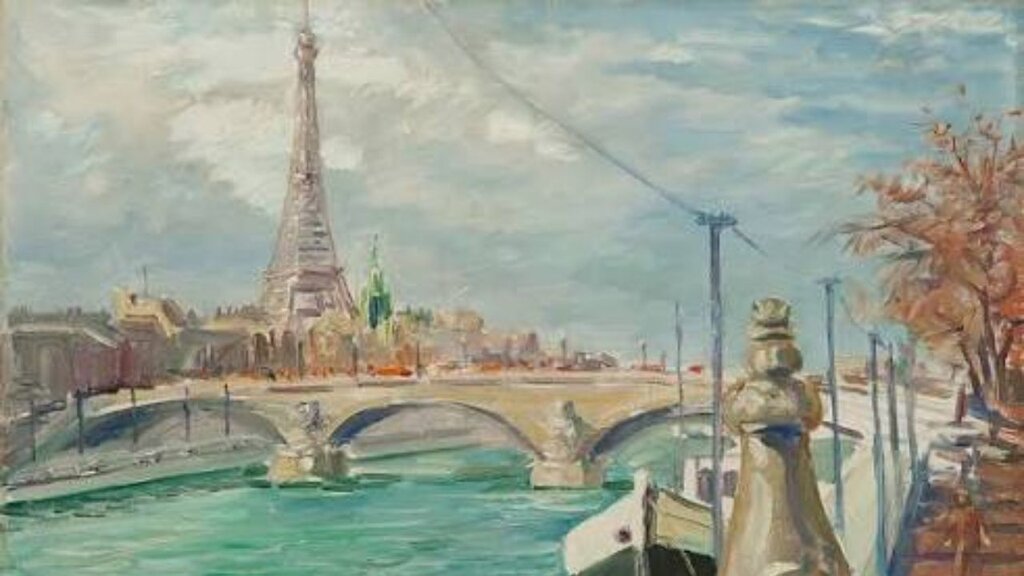
Paris on the Seine, 1960s
PHOTO galleryloran.com
The Vratsa Art Gallery holds 12 works by Ivan Tabakov. Among them are Morning on the Seine, with its radiant light playing across the river, and Boats for Repair, inspired by the Bulgarian marine painting tradition, as well as his depictions of the cathedrals of Saint-Séverin and Sainte-Geneviève, the large portrait of opera singer Tsvetana Tabakova and My Wife, along with Autumn, a landscape rendered in an impressionistic manner.
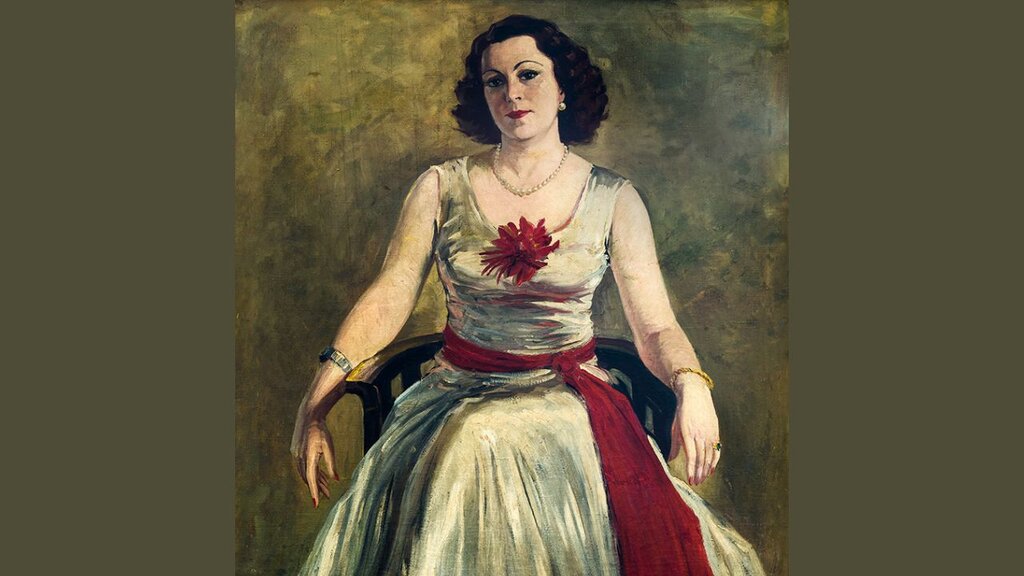
Tsvetana Tabakova, 1930s
PHOTO galleryloran.com
“Ivan Tabakov left a lasting mark primarily as a portraitist and landscape painter, although art historians also place him among the artists strongly influenced by Impressionism,” the gallery curator adds. “At the Académie Julian in Paris, his professors Albert Besnard and Marcel Baschet encouraged him to engage with the high academic tradition of European art, where he rediscovered his interest in portraiture, landscape and still life. Baschet was one of the leading portraitists of his time, while Besnard was a passionate adherent of Impressionism.
“Ivan Tabakov had a remarkable ability to render light, which gives his figures greater vitality, and in this respect he clearly absorbed something of Albert Besnard. This makes him a particularly interesting artist, trained at prestigious European academies as well as at the Bulgarian Academy, which laid the foundations of his academic education.”
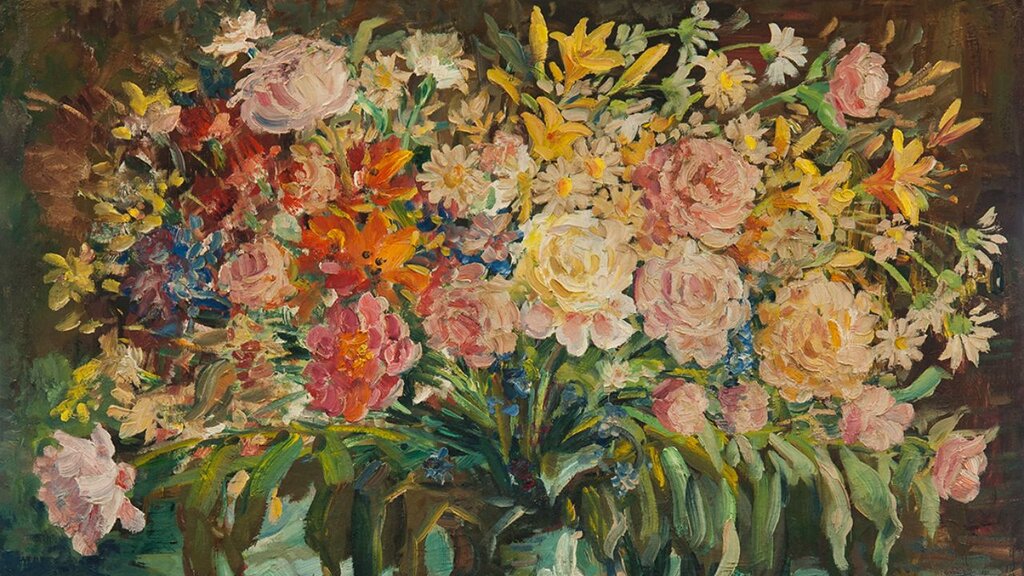
1960s
PHOTO galleryloran.com
“Unfortunately, even during his lifetime he remained undeservedly in the shadow of the more prominent names of his generation, and after his death his name gradually fell into oblivion,” art historian Lyudmil Veselinov notes. In recent years, several galleries have sought to bring back into the light one of the forgotten classics of Bulgarian painting.
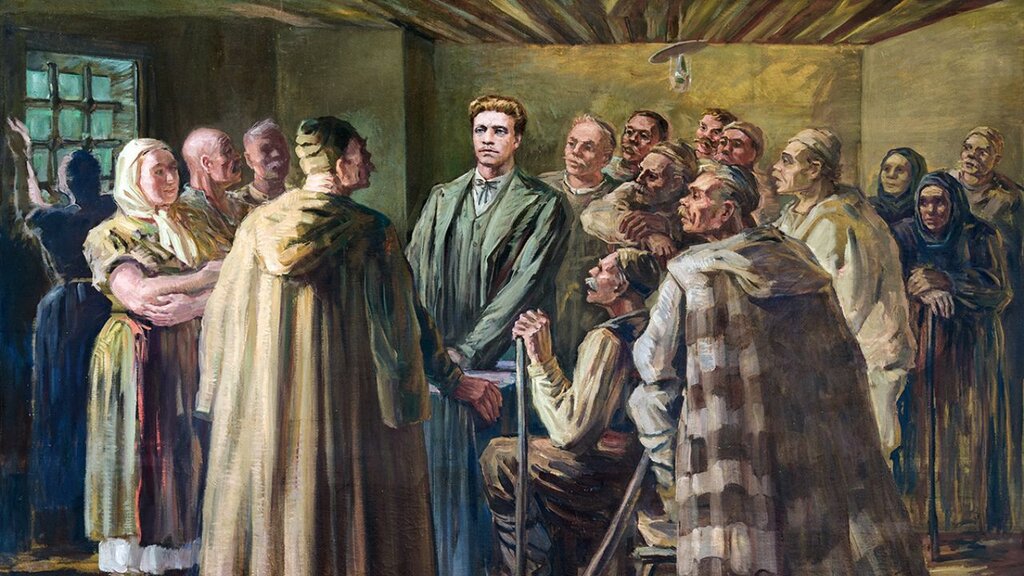
"Vasil Levski creates a secret revolutionary committee", 1973
PHOTO galleryloran.com
Text: Diana Tsankova (based on an interview of Sonya Valeriva from BNR's Radio Vidin)
Photos: artzona.bg, galleryloran.com, Regional History Museum - Vratsa
English: R. Petkova