


Author
Daniela Goleminova
Thursday 17 September 2026 20:00
Thursday, 17 September 2026, 20:00
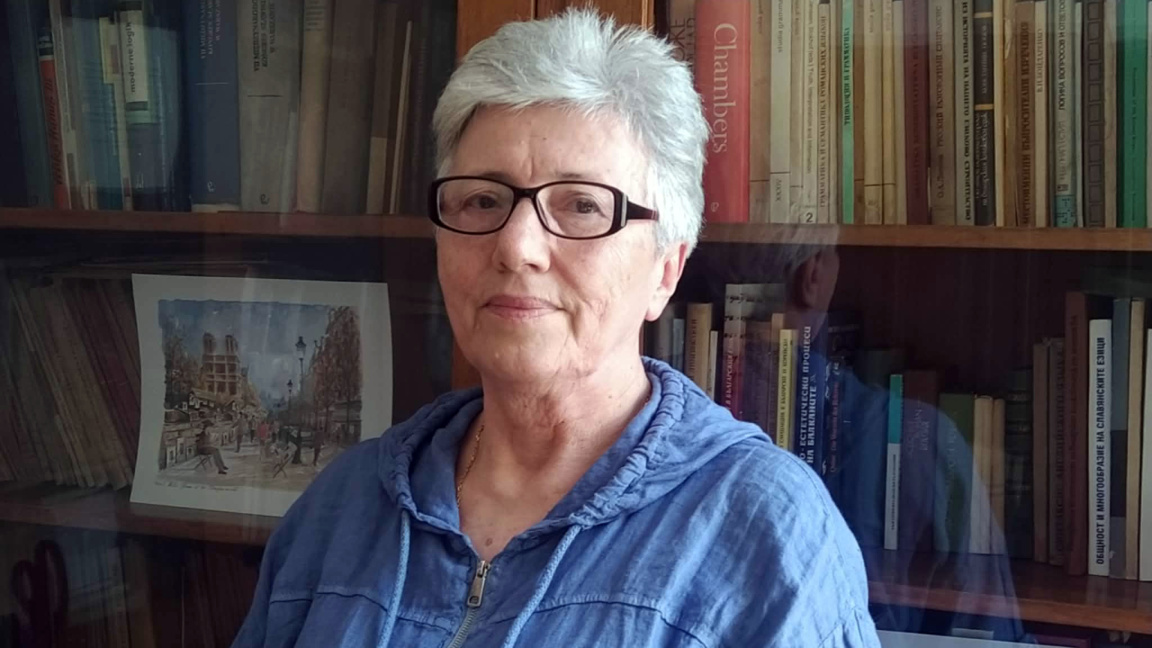
Lubov Tsai
PHOTO Personal Archive
Font size
Lubov Tsai is a Taurida Bulgarian, born in the Bulgarian village of Petrovka in Ukraine’s Azov region. She is married to a Korean, hence her surname.
Tsai graduated in mathematics in Donetsk, making a home in Luhansk for 40 years. In 2014, she and her family moved to Zhytomyr. So they travelled nearly 1,000 km from the far east of Ukraine to the north-western part of the country, stayed there for some time and eventually settled in a village near the Ukrainian capital, Kyiv.
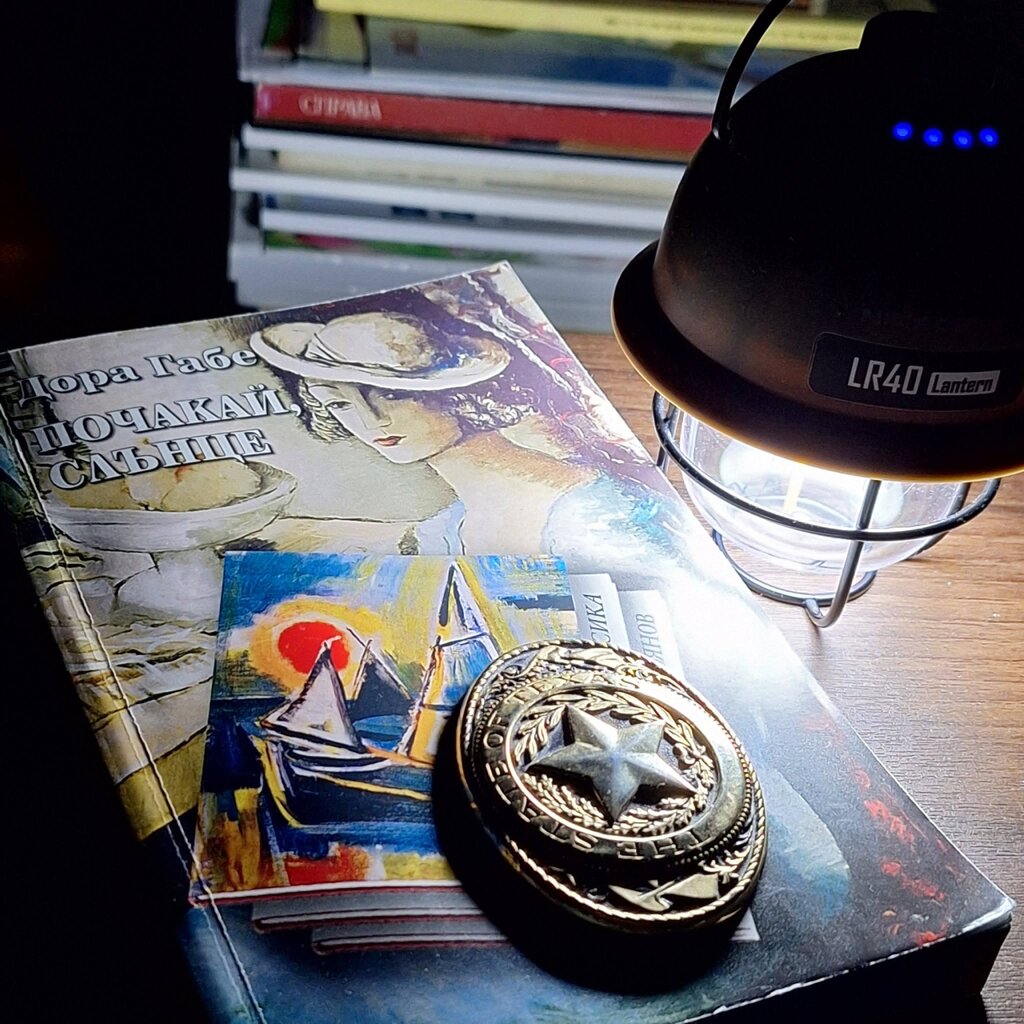
PHOTO Personal Archive
“I saw online that there were many websites and literary portals featuring works translated from Bulgarian. As I read them, I found many mistakes in the translations, and it hurt me. That is how I started translating from Bulgarian into Ukrainian. My list of authors now includes more than a hundred names... The first book I translated was Vaptsarov’s Pesen za choveka (A Song for Mankind). Then came Dimcho Debelyanov’s Svetla vyara (Bright Faith), Mara Belcheva’s Senki (Shadows), Petya Dubarova’s Tam nyakade (Somewhere Out There) and Zdravko Kisyov’s Svetlopis (Lightwriting)... The latest book I worked on is by Daniela Stoyanova. I plunged into this sea of translation, and this is my life,” Lubov Tsai says.
The Taurida Bulgarian proudly says that she taught herself standard Bulgarian.
“I learned the language simply by reading contemporary texts. When I read, I understand everything, and I think my blood helps me. When I am translating and come across a word I don’t know, I immediately look up its meaning,” she explains.
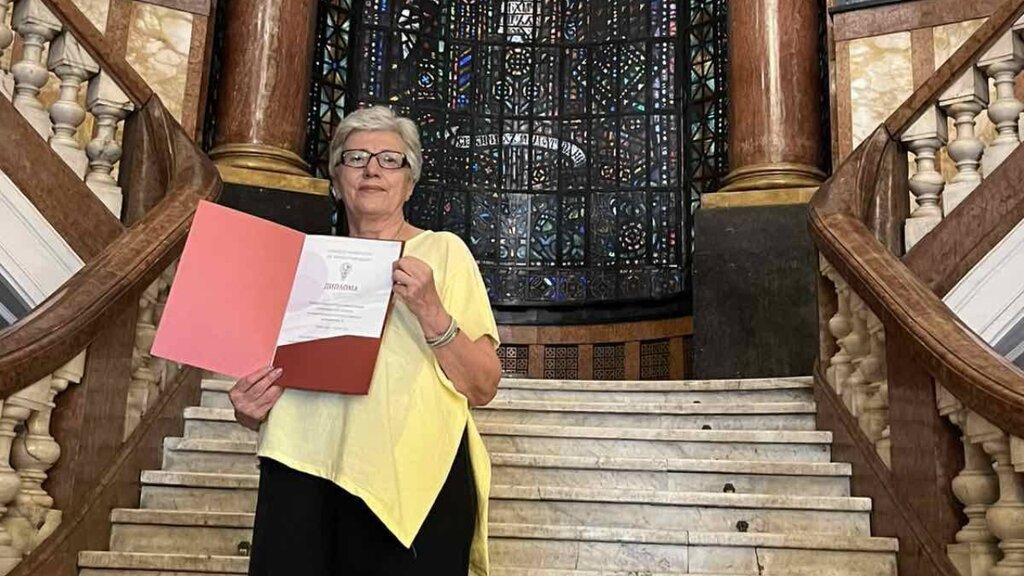
PHOTO Personal Archive
For several years, Lubov attended Sofia University St Kliment Ohridski’s Summer Seminars in Bulgarian Language and Culture for foreign scholars of Bulgarian and Slavic studies, further improving her command of the language.
Is there an interest in Bulgarian literature in Ukraine?
“There is. I have friends who read a great deal and are very interested in Bulgarian literature. And they are not only ethnic Bulgarians – some are people I studied with at university. Now I am trying to translate Ukrainian literature into Bulgarian as well. I have translated several Ukrainian poems that were published on the Literary Club portal. I also donate some of the books I translate to libraries,” Lubov Tsai says.
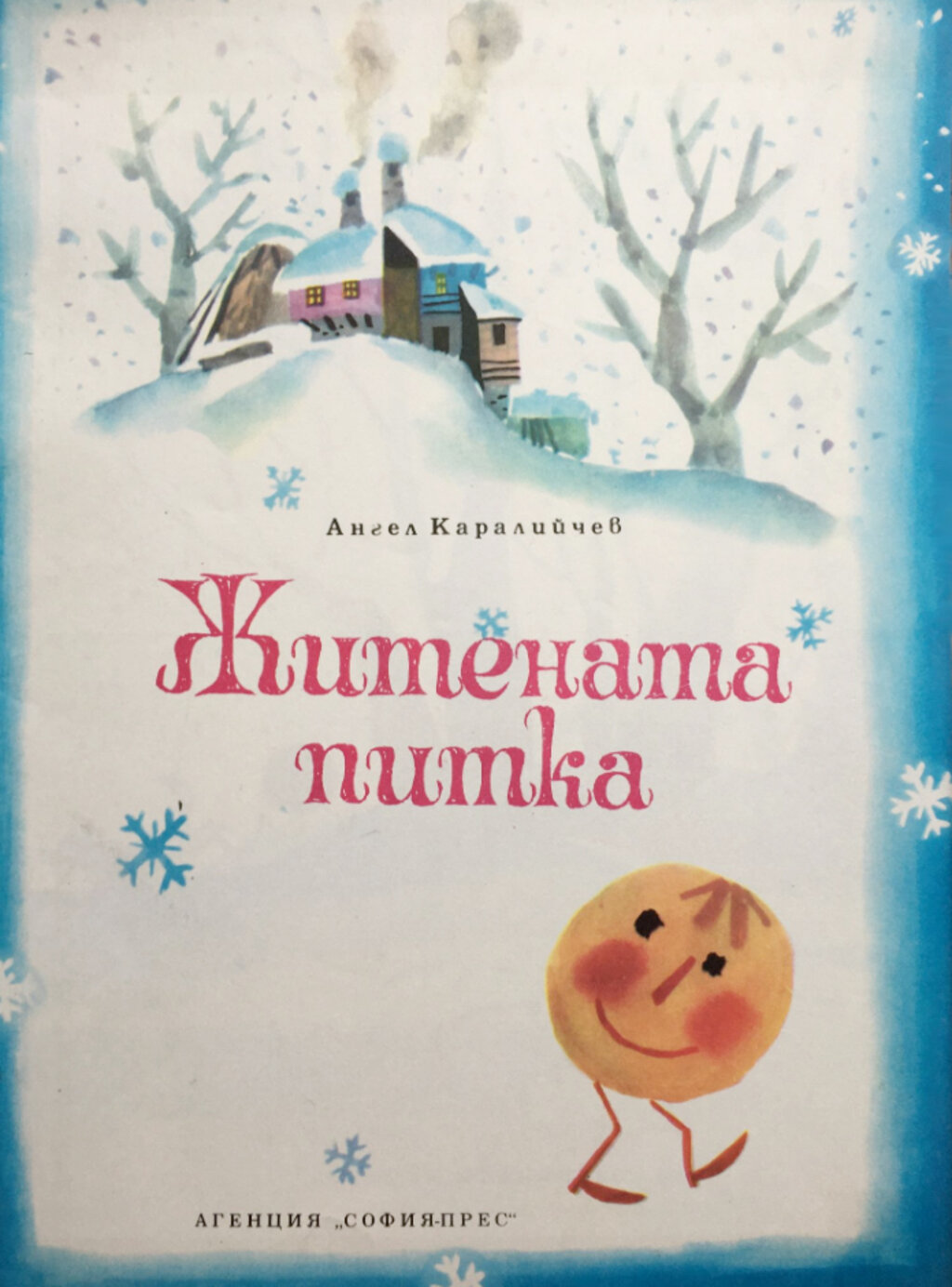
PHOTO Personal Archive
Are young people of Bulgarian descent in Ukraine interested in learning Bulgarian?
“Since 1991, young people have been able to study Bulgarian at a lyceum in Taurida. They can also come to Sofia and other Bulgarian cities to study the language,” the translator says.
Will learning foreign languages, including less widely spoken ones, continue to be valued in the future? And how is the rise of artificial intelligence changing the translation industry?
“Artificial intelligence has no soul. Besides, it makes many mistakes. I don’t think it can replace the heart and the blood. There is a saying: ‘You are as many times a person as the languages you know.’ I see that young people today have many opportunities to learn foreign languages, and they make use of them. That is a good thing,” Lubov Tsai says.
PHOTO Personal Archive
Does mathematics help when learning foreign languages?
“Mathematics helps with everything. I don’t know many languages. I studied German, but I don’t know it well. I never studied English and don’t speak it. I speak Russian, Ukrainian and Bulgarian. I understand a little Polish and Belarusian because the languages are closely related. Mathematics helps you build a system and find the way of translating that works best for you. One of my teachers used to say: ‘The most beautiful things in the world are music and mathematics.’ I would add poetry. It is built with such harmony, just as God intended,” Lubov Tsai concludes.
Editor: Desislava Semkovska
This publication was created by: Elizabeth Radkova