News
Researchers have found that evening temperatures have risen by 9.5 degrees Celsius
Night-time temperatures in Bulgaria rise sharply over the past 20 years
The cities Sofia, Pleven and Blagoevgrad are experiencing the most pronounced warming
Sunday 27 September 2026 10:45
Sunday, 27 September 2026, 10:45

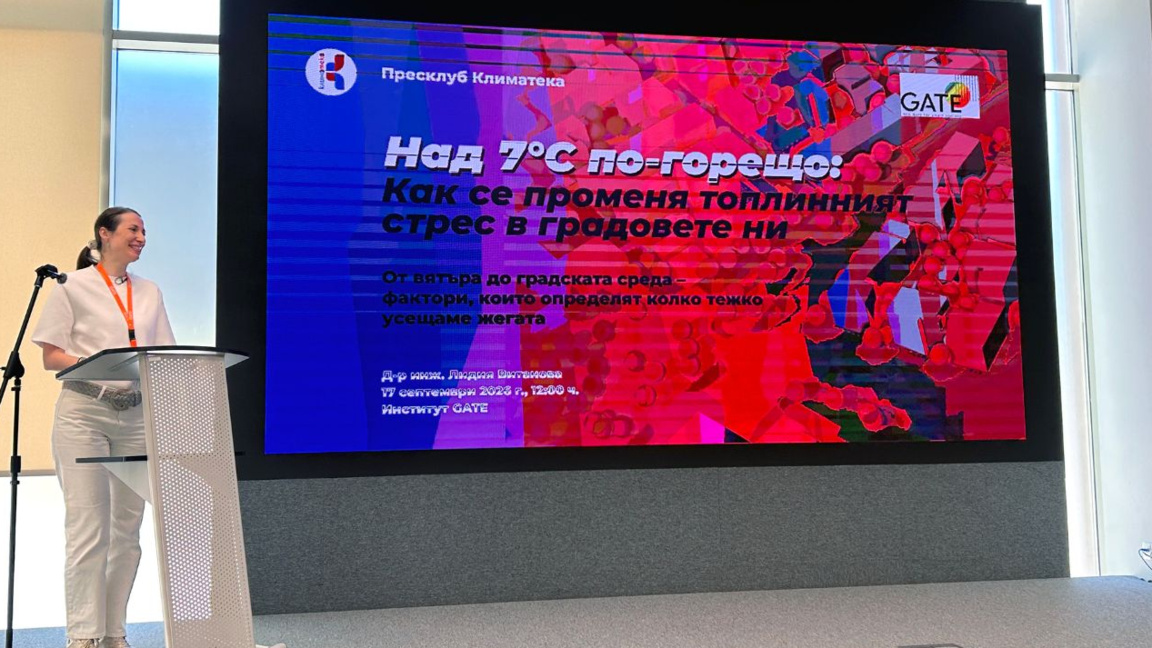
PHOTO BTA
Font size
A climate change study by the GATE Institute for Big Data and Artificial Intelligence at Sofia University has attracted considerable public attention in Bulgaria. Examining temperature ranges in eight Bulgarian cities over the past two decades, researchers found that evening temperatures have risen by 9.5 degrees Celsius during this period.
The three cities experiencing the most pronounced warming are Pleven, Sofia and Blagoevgrad. The smallest temperature increase over the past 20 years has been recorded in Sliven, Varna and Burgas.
According to GATE researchers, Bulgaria’s transition from a temperate to a tropical climate has now begun irreversibly. The four factors that contribute to heat stress in humans - temperature, humidity, wind and solar radiation - have reached extreme levels in recent years.
Prolonged periods of warming are also affecting patterns of illness and human immunity. Respiratory infections, for example, are becoming more frequent, while the psychological burden on people is also increasing.
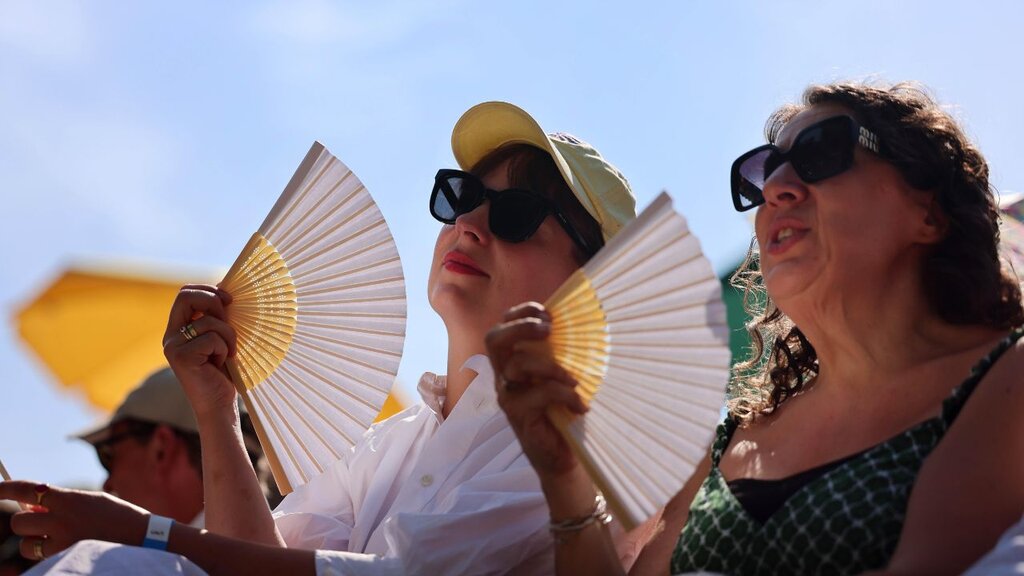
PHOTO BGNES
The question of how to tackle extreme heat has already been placed on the agenda by a number of municipalities. In Sofia, a strategy to mitigate heat stress is being prepared, focusing on additional greenery, light-coloured surfaces and the creation of heat shelters.
The Association of Southwestern Municipalities in Bulgaria has mapped heat islands in the municipality of Blagoevgrad and is currently developing a heatwave action plan that could also be adopted by other municipalities.
Edited by Joan Kolev
English: R. Petkova
This publication was created by: Rositsa Petkova