


Article
Health mediators – bridging the gap between people in need and institutions
Thursday 24 September 2026 13:21
Thursday, 24 September 2026, 13:21
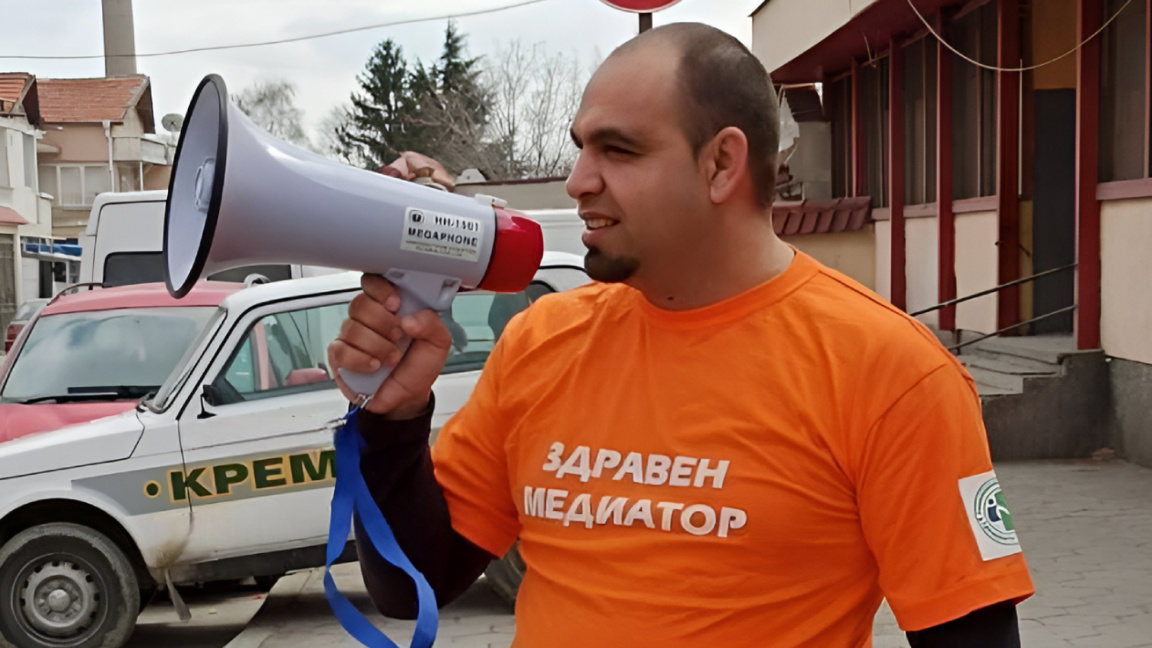
PHOTO Facebook/ Ivailo Tournev
Font size
In areas where poverty persists and information regarding health fails to reach the population, there live people whose survival depends on qualities embodied in the word "humanness." Thus, the profession of the health mediator emerged in 2001 to connect people in need with the institutions in Bulgaria capable of caring for them.
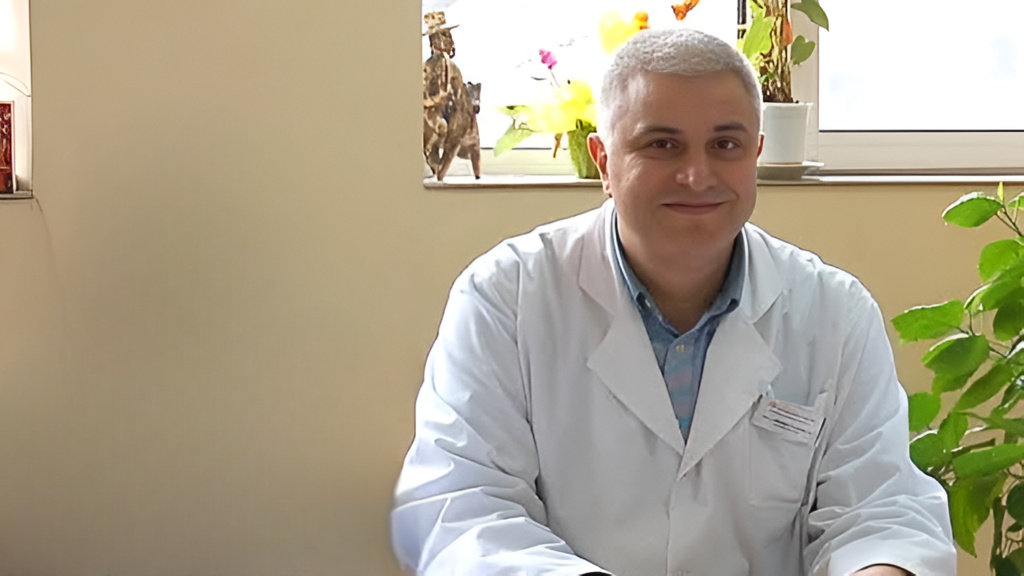
Prof. Ivailo Tournev began working with the Roma community over 30 years ago. The head of the Neurology Clinic at Alexandrovska Hospital in Sofia spent months travelling through these neighbourhoods and today he says there is hardly a place he has not visited at least once.
Prof. Ivailo Tournev
PHOTO Alexandrovska Hospital
"I encountered poverty, lack of access to healthcare, and severe social issues that I initially tried to address by acting as a mediator between health and social institutions and the affected families," Ivailo Tournev told the BNR. "The scale of the need turned out to be immense and at one point I realized it was an overwhelming task for one person. Yet, I was firmly resolved to try to help the people from these communities. I then looked into the European experience and discovered that similar mediation programs had existed in Western Europe for over 40 years, targeting not just the Roma community but all kinds of vulnerable ethnic minorities. Together with Dr. Pim de Graaf from the Dutch Ministry of Health, we began developing a Bulgarian model for health mediation. We visited several neighbourhoods to demonstrate how this model works."
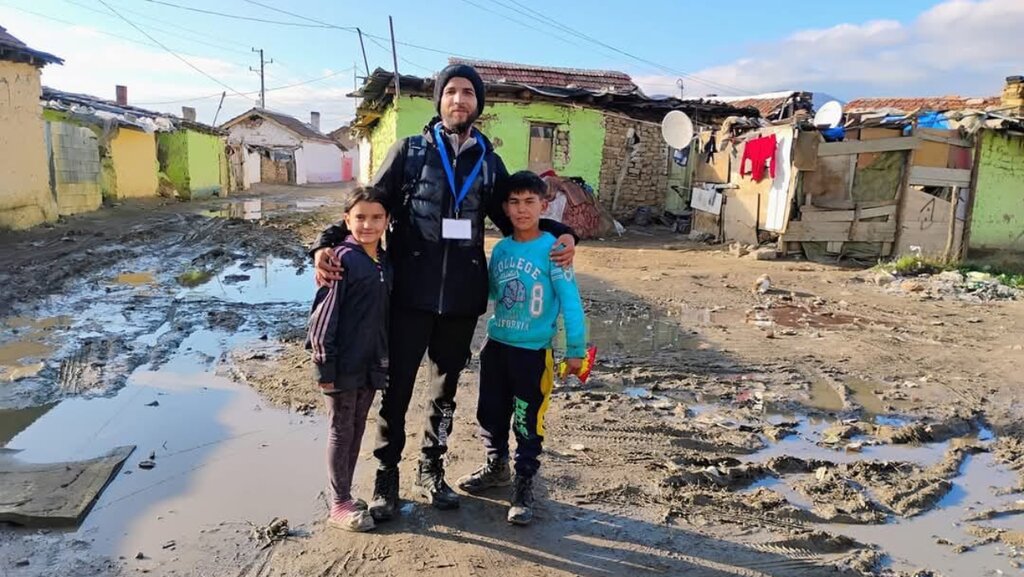
PHOTO Facebook/ Ivailo Tournev
The first neighbourhood where five mediators began working is "Iztok" in Kyustendil. They familiarized themselves with the health and social issues of each family in order to identify their needs and provide assistance. Today, there are 370 health mediators across more than 160 municipalities. Their primary task is to facilitate access to health and social services for disadvantaged groups, improve relationships between doctors and patients from vulnerable communities, and raise health awareness among ethnic minorities. "One of the requirements for them is to be members of the community - to live locally, understand the issues, and speak the same language," the professor says.
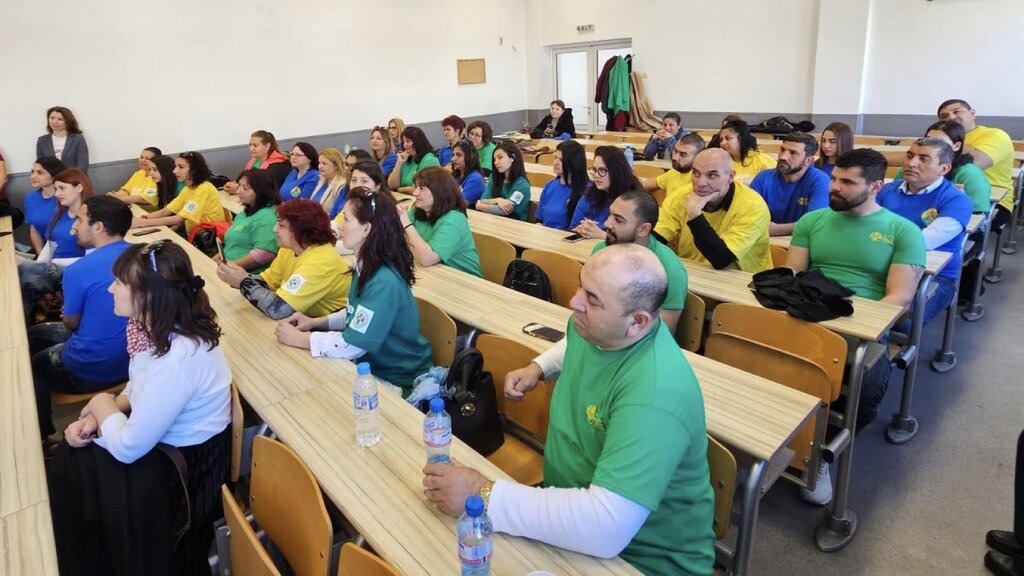
PHOTO Facebook/ Ivailo Tournev
Health mediators undergo specialized training conducted jointly by the Faculty of Public Health at the Medical University of Sofia and the National Network of Health Mediators Association, and receive a certificate upon completion.
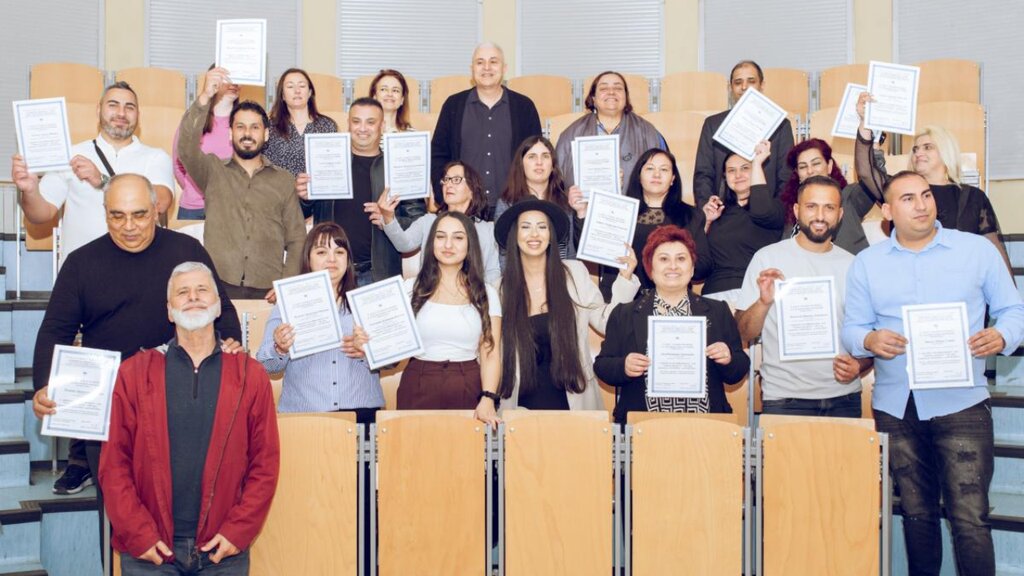
PHOTO National Network of Health Mediators
"The initiative expanded to include the training of medical professionals - not only nurses but also doctors, dentists, and pharmacists," Ivailo Tournev adds. "Our team has trained over 50 Roma who have either become doctors or are currently medical students. Our goal is to bring together health mediators, Roma doctors, and nurses into teams that will work in Roma neighbourhoods."
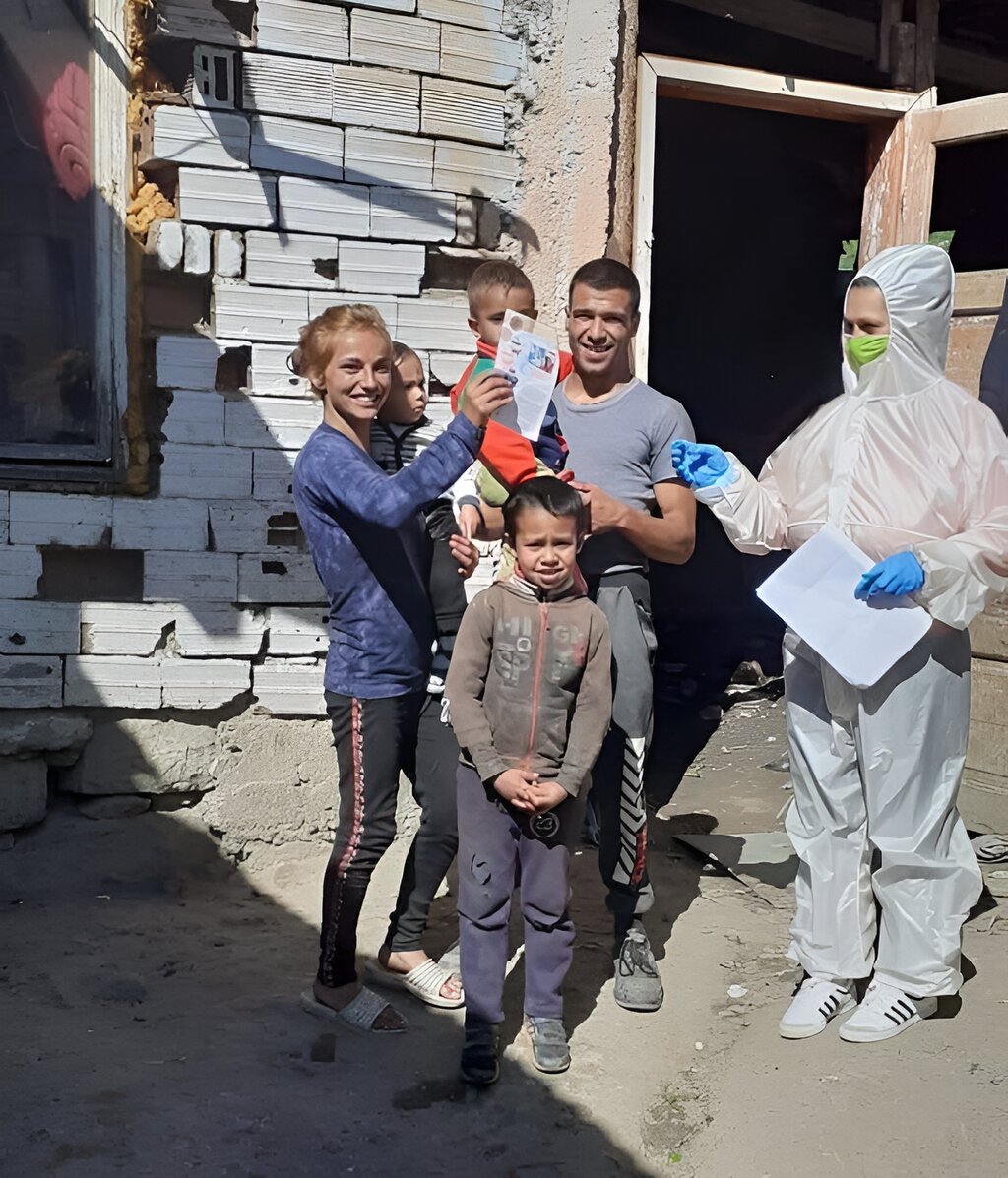
PHOTO Facebook/ Ivailo Tournev
"When
we were starting the program, I thought it would be temporary and
that the deficit would be overcome in about 20 years and the program
would become unnecessary," Ivailo Tournev adds. "Unfortunately,
I believe it is even more relevant now, as the situation in many Roma
neighbourhoods is appalling and many children live in great poverty
that precludes access to adequate health and social care. The
mediators are truly working miracles; to a large extent, they are
like missionaries - working for minimum wage, they are sought out by
various institutions around the clock, and it is difficult to sustain
such a pace of life."
Although he inspires awe, Prof. Tournev wins the trust of the
people he works with because he encourages them to move forward with
a fatherly approach. "I love them, but at the same time I am
very strict with them", he admits and defines as his main
mission to preserve the motivation and high spirit reigning in a
profession "significant and infinitely useful" for society.
Text: Diana Tsankova (based on an interview by Mihailina Pavlova and Valeri Lekov from the "Hristo Botev" program of BNR)
This publication was created by: Alexander Markov