


Author
Yoan Kolev
News
Geopolitics, Bulgarians abroad in focus as presidential campaign begins
Thursday 24 September 2026 13:14
Thursday, 24 September 2026, 13:14
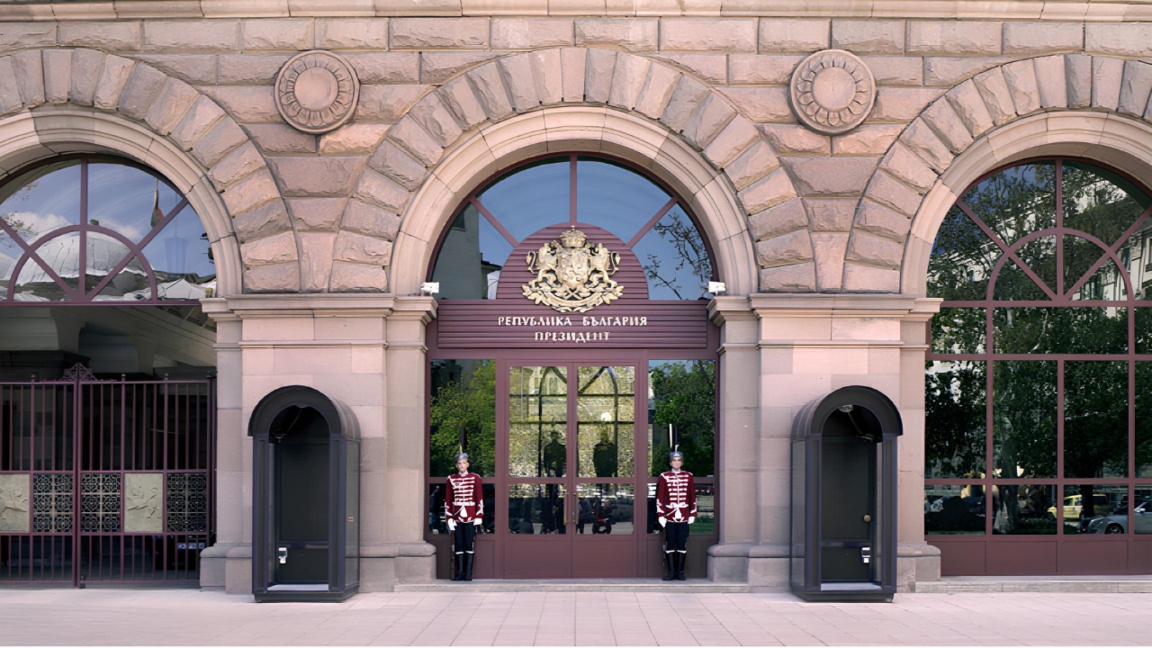
PHOTO president.bg
Font size
Bulgaria’s presidential election campaign is just hours away from officially getting under way, with the vote exactly one month away, on October 25.
Although this is a regular presidential election, it follows an event without precedent in Bulgaria’s political history. At the beginning of the year, the country’s fifth president, Rumen Radev, announced in an address to the nation that he was stepping down a year before the end of his term. At the early parliamentary election on April 19, Progressive Bulgaria, the coalition whose political architect is Radev, won an outright majority. This allowed him to form a single-party government and become the first Bulgarian president to go on to serve as prime minister.
Under the Constitution, the vice president can complete the president’s term if the head of state is removed from office, resigns or dies while in office. Radev’s resignation therefore brought Iliana Iotova to the presidency, making her the first woman to serve as President of the Republic of Bulgaria.
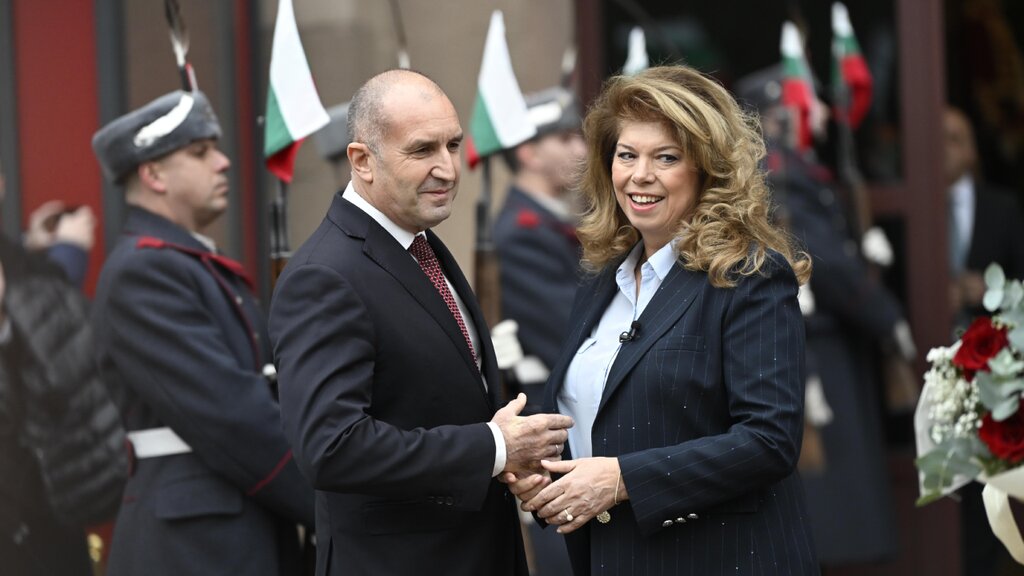
Rumen Radev and Iliana Iotova
PHOTO BGNES
She is now among the candidates seeking a full term at Dondukov 2, with journalist and Bulgarian News Agency Director General Kiril Valchev as her candidate for vice president.
Another 26 presidential and vice-presidential pairs are in the race, with six women standing for president. For the first time since it was founded in 2009, GERB has not nominated a presidential ticket. The Movement for Rights and Freedoms, led by Delyan Peevski, registered for the election with the Central Election Commission but did not nominate a candidate. Vazrazhdane is the only party represented in parliament to put forward its own leader for president.
Parvan Simeonov of the Myara polling agency told Radio Bulgaria that several different kinds of campaign were likely – some more institutional, others sharper or more radical, with another potentially fierce campaign coming from the sidelines. Voter turnout, he said, would also be worth watching.
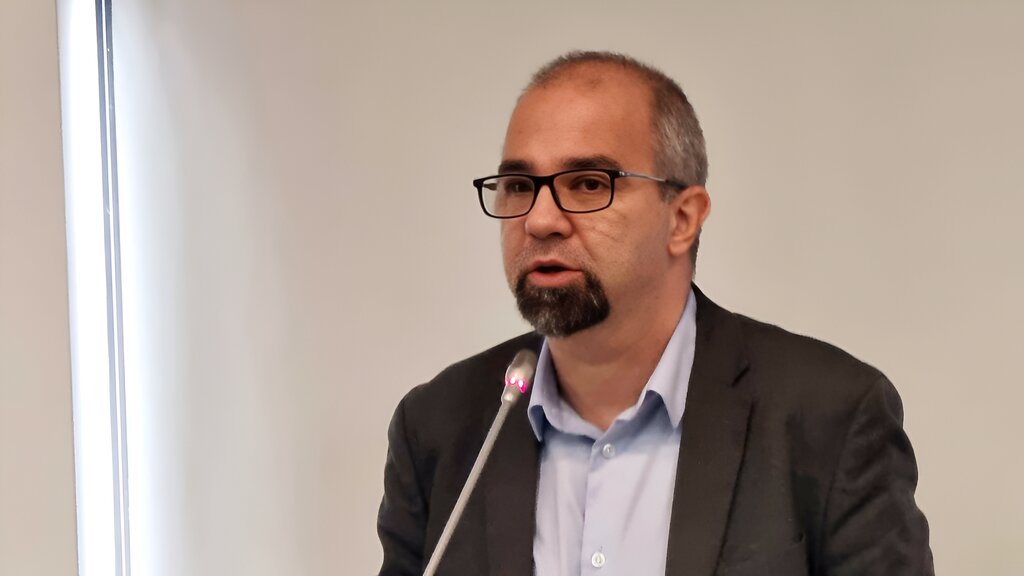
Parvan Simeonov
PHOTO BTA
Presidential elections in Bulgaria traditionally go to a second round rather than producing a winner in the first. Simeonov says voters tend to see the runoff as something of a “football final”, usually pitting the two strongest political currents of the moment against each other.
The issues each candidate chooses to emphasise will therefore matter:
“We will certainly hear a great deal about geopolitical issues and about quality of life. Another very important theme will be what the different campaign teams have already prepared. As we have seen, they have cards up their sleeves for a negative campaign as well,” Simeonov says.
He was referring to remarks by MP Assen Vassilev, who recently said that while serving as vice president, Iliana Iotova had pardoned 28 people, five of whom had been convicted of drug-related offences or drug trafficking. One of them, Ognyan Atanasov, was pardoned in 2022 and caught with drugs again in 2025. The case prompted MPs from We Continue the Change and Democratic Bulgaria to call on the current president to withdraw from the race.
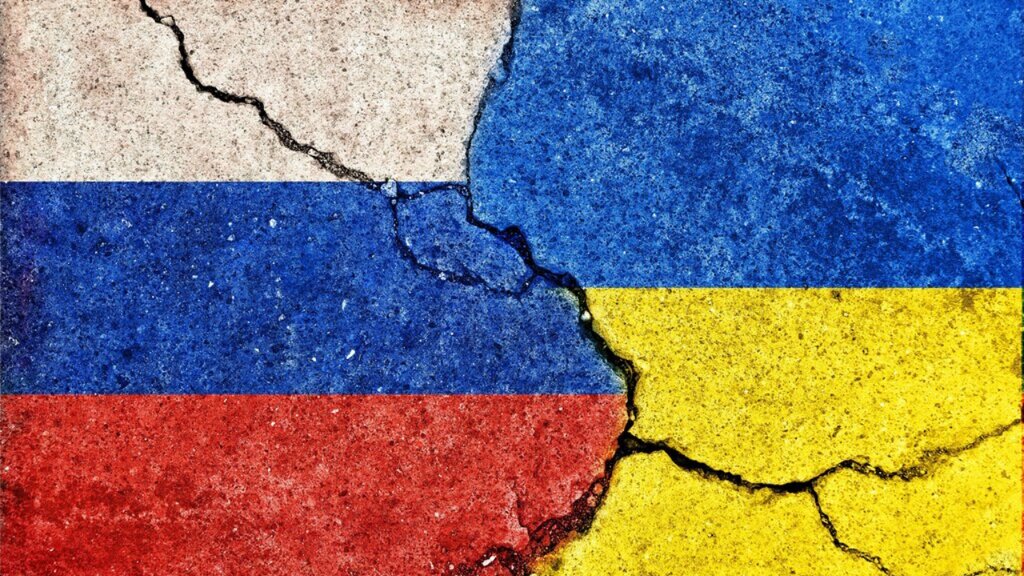
PHOTO Alamy / Reuters
One geopolitical issue that will be impossible to avoid is the war in Ukraine, where Simeonov expects two competing narratives:
“In one case, we will probably hear criticism framed around ‘West versus East’. In the other, the emphasis will be on the need for peace and following the national interest. Both narratives have their audiences, and we will probably see their strength measured at the polls. I would not rush to make predictions, especially as there is no data yet. In political analysis, we are entitled to make assumptions. Mine is that the two camps are not particularly evenly matched in terms of support, and that will probably become apparent in the first round.”
The political instability of recent years has repeatedly given Bulgarians a chance to see how candidates seek their trust and how they choose to communicate with voters. Many have preferred live broadcasts on social media to direct meetings with people around the country. Will this campaign bring more of the same?
“We will see. What I can say is that some candidates are strong on social media, while others are stronger in the more traditional, institutional approach of meeting people on different occasions around the country. Both approaches have their potential advantages and we will probably see both, but I have no prediction as to which will work better.”
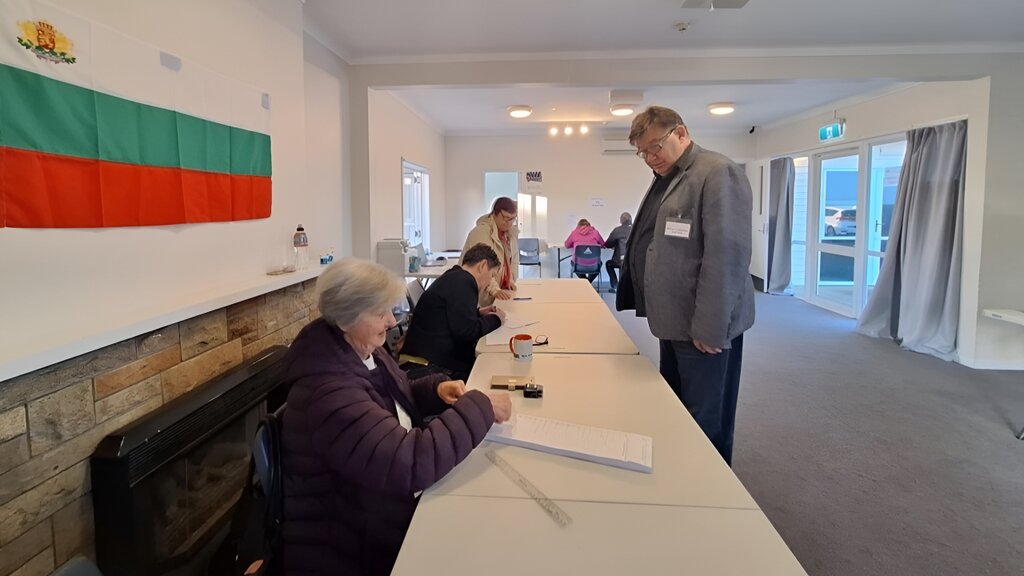
PHOTO Archive
Simeonov is also convinced that Bulgarians living abroad will feature prominently during the month-long campaign. Relations with Bulgarian communities around the world have traditionally been among the vice president’s areas of responsibility.
“One of the specific features of this campaign is that one of the tickets has a very substantial record of work on this issue over the years. That is because it includes a recent vice president and a person whose work has been aimed at building networks among Bulgarians abroad. So we will probably hear a great deal about it. On the other side are people whose electorate includes voters abroad and who will be directing their message towards them, since more liberal communities have a substantial number of supporters outside Bulgaria. Bulgarians abroad will also be an issue for some of the more radical candidates with a more nationalist profile.”
Simeonov noted that the presidential institution has relatively limited powers and responsibilities. Its role is more closely connected with Bulgaria’s position internationally and its relationship with Bulgarian communities abroad. This suggests, he said, that Bulgarians overseas will feature in the campaign less in terms of policies governing their ties with Bulgaria and more in terms of questions of identity.
The campaign to elect Bulgaria’s seventh president officially begins at midnight on September 25 and ends 24 hours before voting starts on October 25, 2026.
Editor: Elena Karkalanova
This publication was created by: Elizabeth Radkova