


Friday 25 September 2026 13:44
Friday, 25 September 2026, 13:44
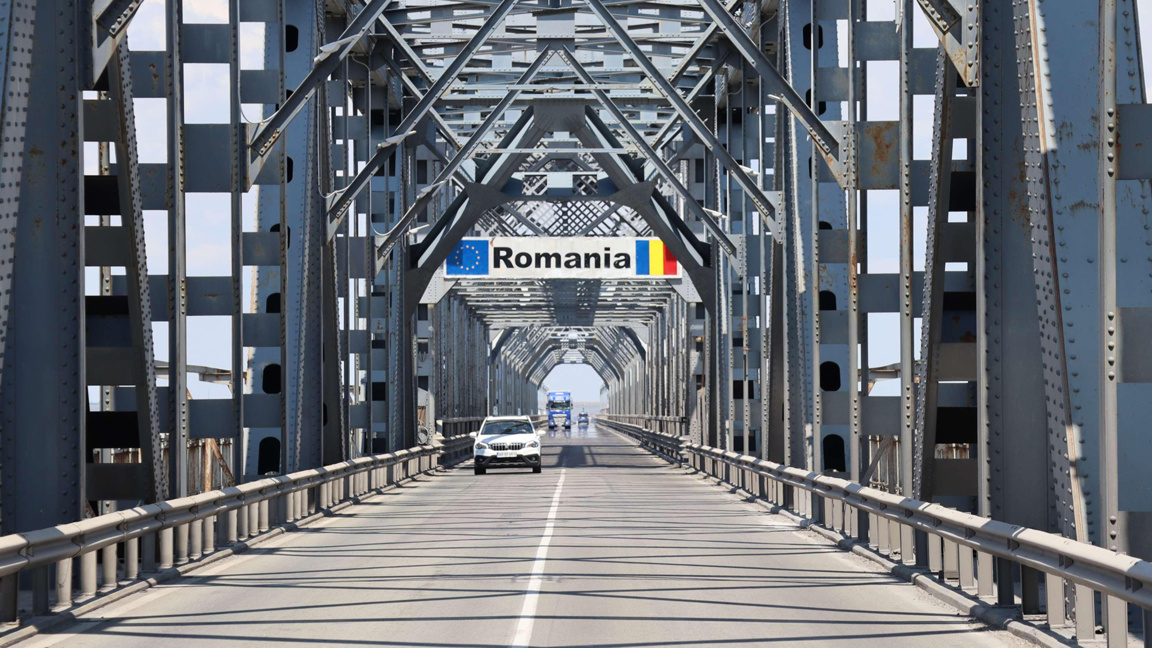
PHOTO politiadefrontiera.ro
Font size
Romania
removes
toll
fees
for three
key
Danube bridges
Starting
October 1, drivers will no longer pay toll fees
to cross key bridges over the Danube River in Romania, minister
Radu Miruță announced.
The removal of toll fees
applies to three of the busiest bridge crossings: the Giurgiu-Ruse
bridge connecting Romania and Bulgaria, the bridge near Fetești on the
motorway to the Black Sea, and the Giurgeni–Vadu Oii Bridge
connecting the Muntenia and Dobruja regions.
The aim is to ease traffic congestion, to stimulate economic activity in cross-border regions, and reduce the administrative and financial burden on both citizens and businesses, Miruță noted. The measure will put an end to the long queues of cars and trucks that typically form at toll stations, BTA reports.
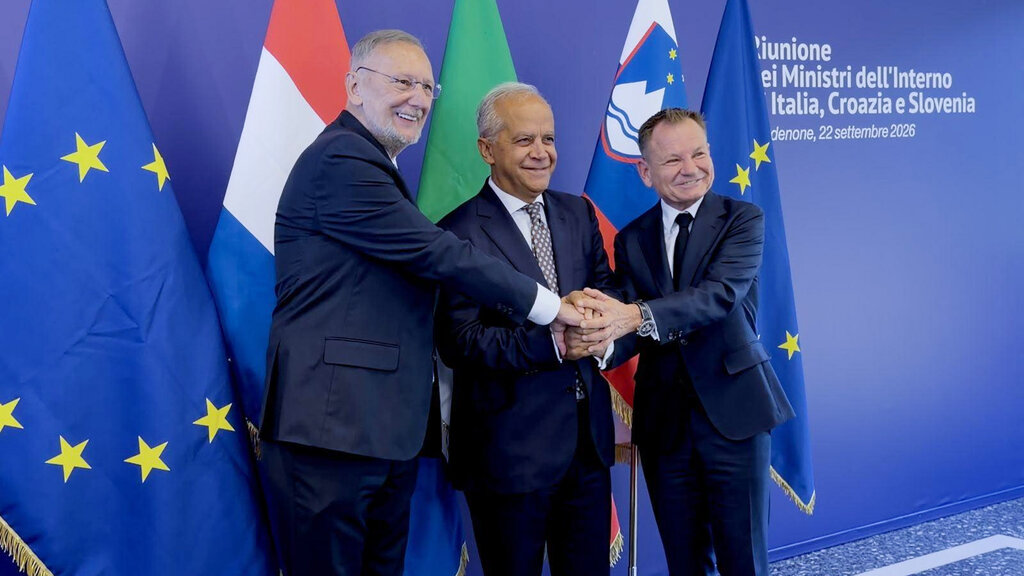
PHOTO rtvslo.si
Croatia,
Slovenia, and Italy to keep
joint
border
patrols
Illegal
migration along the Western Balkans route is declining, yet the route
itself remains active. That is why Croatia, Italy, and Slovenia
will continue their trilateral border patrols, the interior ministers
of the three countries announced, as reported by hrt.hr.
Italian
Interior Minister Matteo Piantedosi noted that cases of illegal
border crossings dropped by 28 percent during the first eight months
of the year.
Croatian
Interior Minister Davor Božinović pointed out that 842 traffickers
have been detained this year, representing a significant increase
compared to the previous year.
Božinović
said
that Croatia had
advocated for the deployment of European Border and Coast Guard
Agency (Frontex) personnel to Bosnia and Herzegovina, given that over
95% of illegal migrants on the Western Balkans route arrive from that
direction.
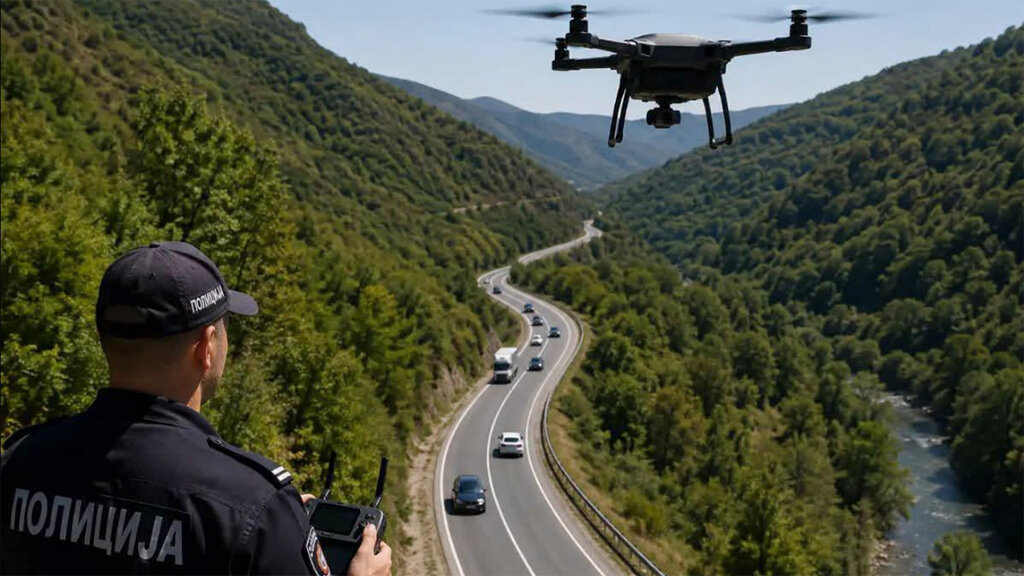
PHOTO RINA
Police
drones to monitor for traffic violations in Serbia
Fifteen
officers from the Serbian Traffic Police have completed training on
drone operation, with more to be trained, Serbian Interior Minister
Ivica Dačić said.
The drones will enable police to monitor longer stretches of road
from a single position and detect violations or dangerous behaviour
that are difficult to spot from the ground, N1 television reported.
According to Dačić, upon detecting a violation or dangerous behaviour, the drones will be able to direct police patrols to the
specific location.
Dačić pointed out that the unmanned aerial vehicles would complement, rather than replace existing methods, such as police patrols, radar units, unmarked police interceptor vehicles, and cameras.
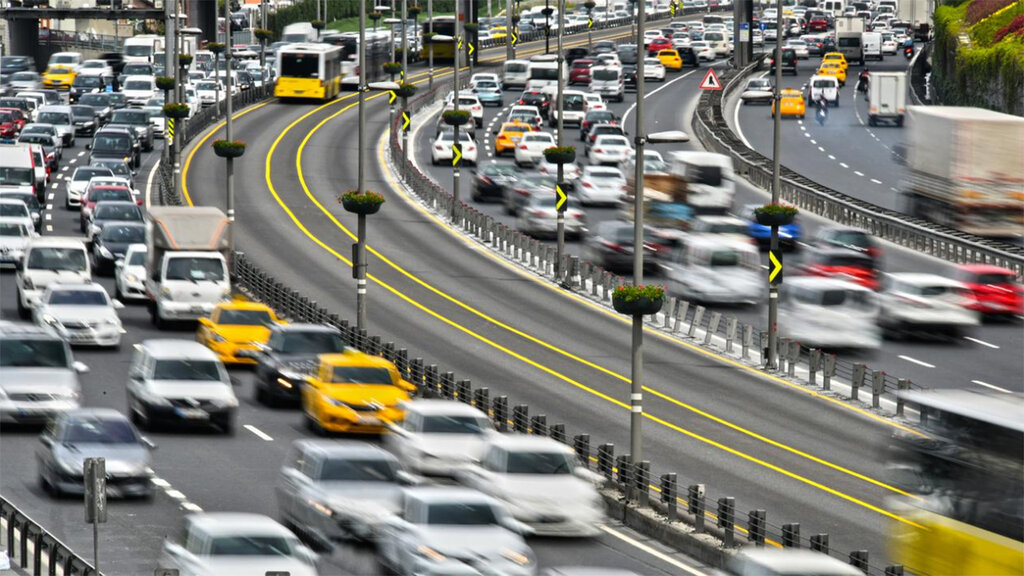
PHOTO turkiyetoday.com
Heavy
traffic costs Türkiye
billions of dollars annually
Residents
of the Turkish metropolis of Istanbul lose about 120 hours a year in
traffic jams and heavy traffic in Turkish cities costs the country
up to $60 billion annually, according to a new report examining the
nation's transport issues, dailysabah.com reports. Experts cited in
the report note that Türkiye currently has an average of 200 cars
per 1,000 citizens - a figure significantly lower than the averages
of 400 cars per 1,000 people in the EU and 700 cars per 1,000 people
in the US. If Turkish citizens reach these levels, traffic problems
and financial losses could worsen significantly, the analysis states.
About
55% of road users in Türkiye identify deliberate rule violations and
lack of awareness as the primary factors contributing to heavy
traffic.
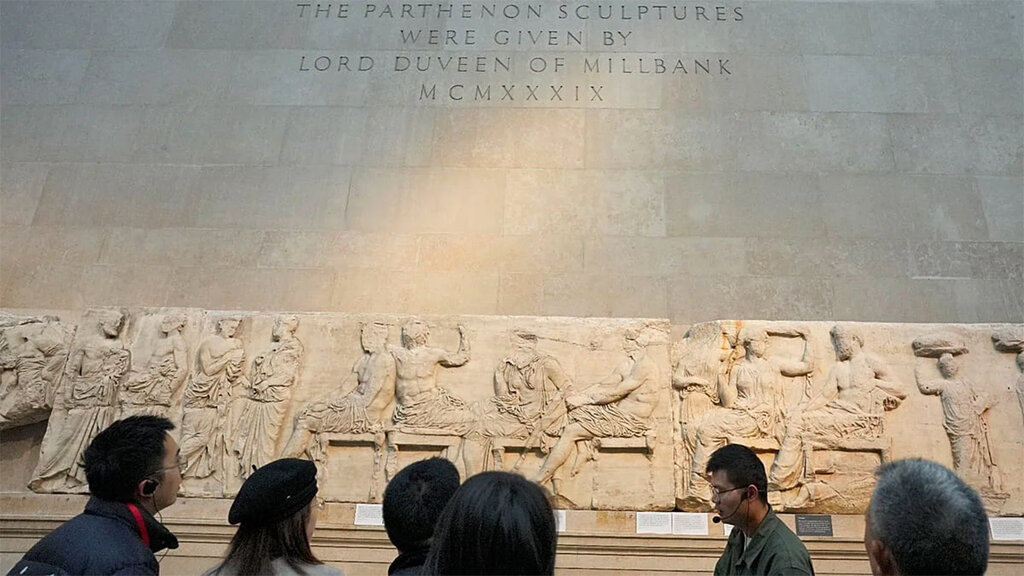
PHOTO euronews.com
Greek
Prime Minister calls
for return
of Parthenon Sculptures
In an article for The Guardian, Greek Prime Minister Kyriakos Mitsotakis has once again called for the permanent reunification of the Parthenon sculptures, amna.gr reports. Noting the recent arrival of the Bayeux Tapestry in UK on a temporary loan, Mitsotakis pointed out that, unlike the sculptures from the Parthenon, the tapestry remains intact. He stated that the Parthenon sculptures have been "dismembered" and split between Athens and London.
"No
one would seriously consider cutting the surviving part of the
tapestry in two, displaying one half in London and the other in
Bayeux, and claiming that this is an adequate way to appreciate it.
Yet, that is precisely what happened to the Parthenon sculptures. A
unified masterpiece was split apart and its surviving sections are
now divided primarily between London and Athens," Mitsotakis
writes.
Compiled
by: Ivo Ivanov