


Author
Diana Tsankova
Article
Hristina Hranova: a Bulgarian woman who devoted herself to her homeland
The young woman fought in more than one war of liberation and became Bulgaria’s first qualified midwife and its first female lifeguard
Monday 28 September 2026 10:12
Monday, 28 September 2026, 10:12
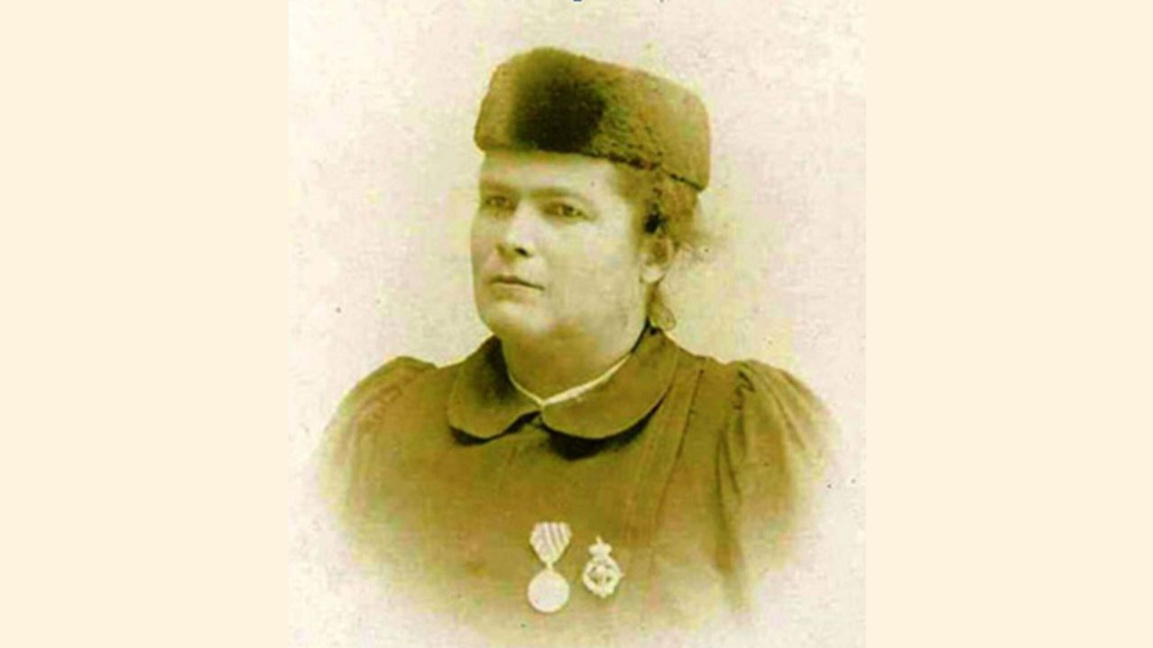
Hristina Hranova (1852-1922)
PHOTO Regional Library "Pencho Slaveykov" - Varna
Font size
For Bulgarians living under Ottoman rule, the "Fatherland” embodied the yearning for freedom. Yet the struggle for that freedom demanded more than a self-sacrificing martial spirit. It called for an ascent along a path whose highest ideals included the relentless pursuit of self-improvement and selfless service to others. There were indeed men and women who recognised the historic moment and forged within themselves the qualities that would lead them to deeds worthy of remembrance. Among them was Hristina Hranova.
I carried letters, disguised as a man, for the First Sofia, Fourth Panagyurishte and Eighth Lovech revolutionary committees, acting on the orders and instructions of the great Levski, through forests and mountains, day and night, in fair weather and foul weather. On the day of the terrible massacre in Batak, I found myself inside the very church where so many innocent people perished, and I escaped only by a miracle. When the hour of Liberation came, I fought with a weapon in my hands alongside the glorious Bulgarian volunteers at Shipka, Sheinovo and Stara Zagora…
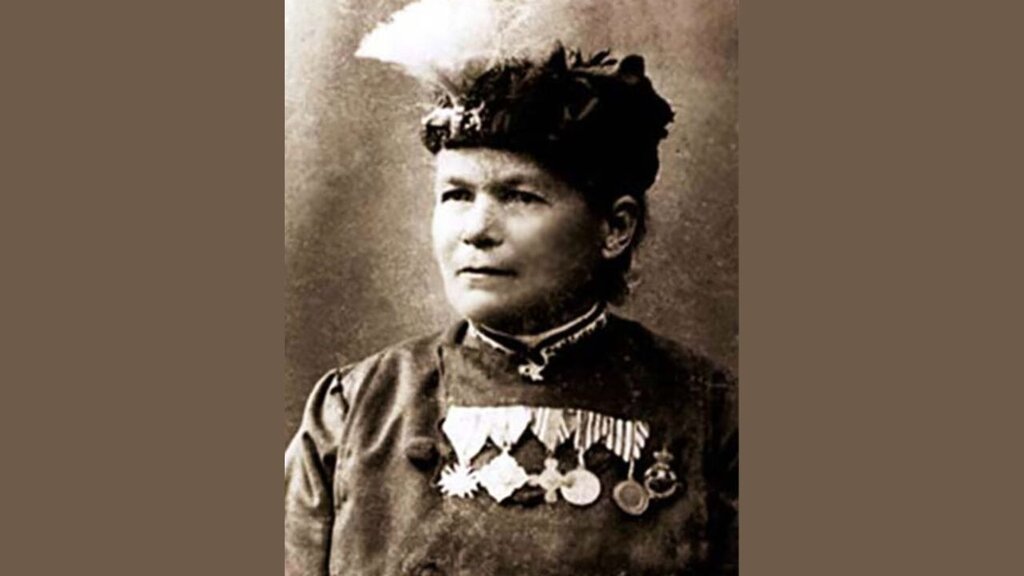
PHOTO europeana.eu
Hristina Hranova was born in 1852 in the village of Klisura in the family od Hrano Tsenkov, the shepherd - as she was the youngest of twelve brothers and five sisters. At the age of twelve, she shot the leader of a Turkish bashi-bazouk band who had attempted to slay her mother with a sabre. Her father then loaded his large family onto a cart and took them to Sofia.
The young girl received her education at the school founded by Yordanka Filaretova, and when the opportunity arose for her to assist the Apostle of Freedom Vasil Levski, she did not hesitate.
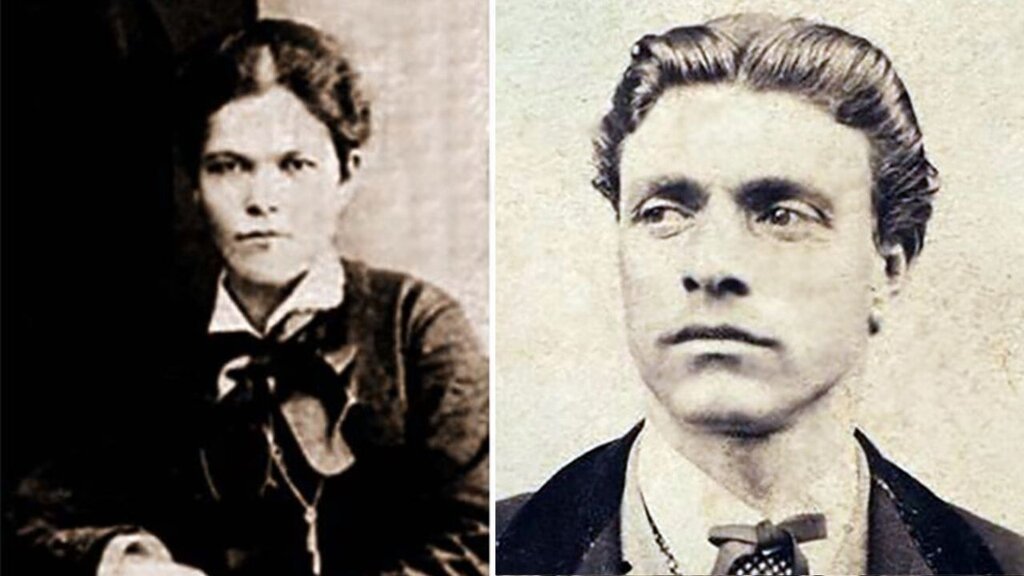
Hristina Hranova, Vasil Levski
PHOTO europeana.eu, museumvt.com
At the age of 18, Hristina became a courier for the Sofia Revolutionary Committee on Levski’s recommendation, Magdalena Gigova recounts in her “Addresses of Love” series on BNR’s Radio Sofia.
“Every week, mounted on her horse and disguised as a boy, she travelled between Sofia, Lovech and Panagyurishte, carrying Levski’s letters. Their relationship apparently transcended the formal tone of their correspondence, and thoughts of the fair-haired young hero remained with her throughout her life, preserved as something pure and untouched. Before long, terrible news reached the Hranov family: Levski had been captured and sentenced to death. Hristina disguised herself as a shepherdess, draped a *yamurluk* over her shoulders, took a shepherd’s crook in her hand and went near the place of execution to see the Apostle of Freedom one last time. When he was hanged, an even fiercer determination to avenge the precious sacrifice took hold of her. She witnessed the hanging of the Deacon, as Levski was also called, and in her writings referred to him as ‘the Great One’.”
During the April Uprising of 1876, Hristina Hranova took part in the fighting at Batak. A year later, she joined the Bulgarian volunteer corps as a nurse and passed through the crucible of the battles at Shipka, Sheinovo and Stara Zagora. In the meantime, ten of her brothers lost their lives as volunteers in the Serbo-Turkish War and the Russo-Turkish War.
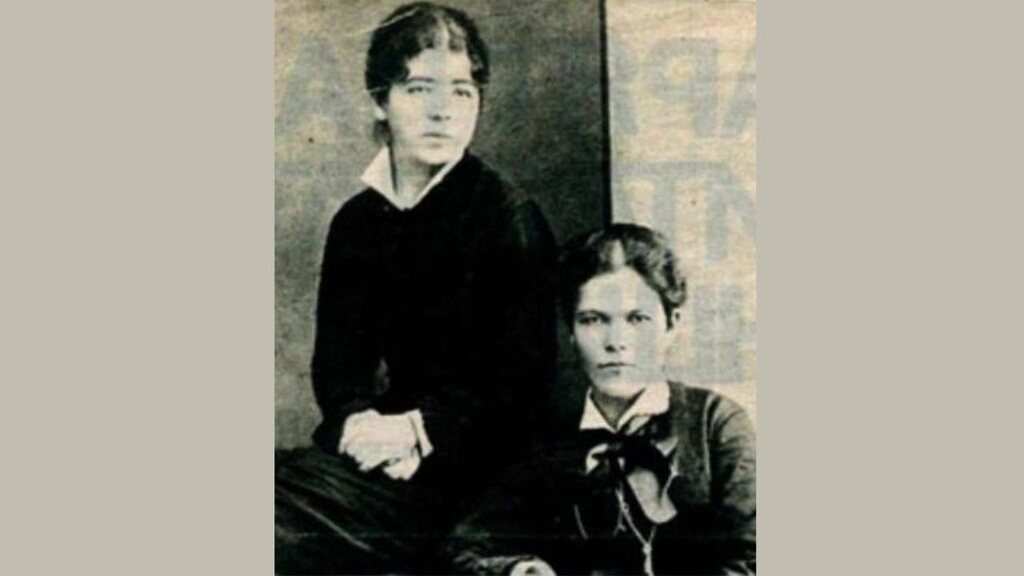
Hristina Hranova, sitting on the right as a student at the Midwifery Institute of the Imperial St. Vladimir University in Kyiv
PHOTO europeana.eu
Having fulfilled my sacred duty to the Fatherland, believing that in times of hardship a woman can serve her homeland on an equal footing with a man, I set out to study. I became a midwife and, in this capacity, for many years helped thousands of mothers bring thousands of brave sons and worthy daughters into the world. By my own hand, I helped no fewer than 3,462 lives emerge from the wombs of women in labour. During those years, among other things, I saved at least 54 people from certain death by drowning, whether through carelessness or accident, in the waves of the Black Sea during the various bathing seasons…
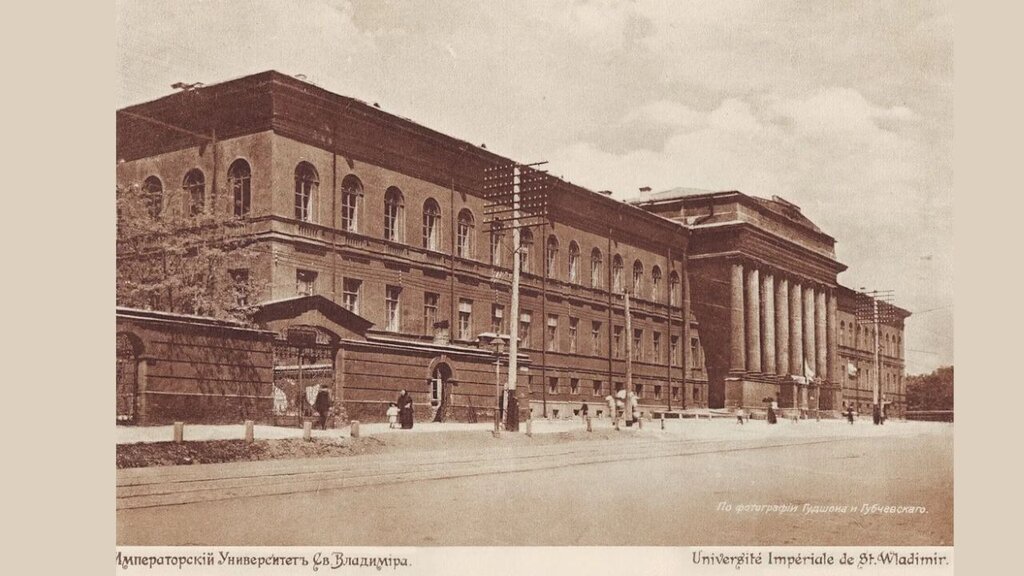
Imperial St. Vladimir University in Kyiv
PHOTO europeana.eu
Having witnessed the freedom she had fought for, Hristina Hranova travelled to Kyiv, where, with the help of a scholarship awarded to talented students, she graduated with distinction from the Midwifery Institute of St. Vladimir Imperial University, becoming the first qualified midwife in Bulgaria. Thanks to her dedicated work, the first maternity ward in Sofia was established. She practised her noble profession in several Bulgarian cities, including Varna.
It was also in Varna, in the Armenian Quarter, where she taught children to read and write and, in summer, to swim. It was in the seaside city that she became not only Bulgaria’s first female lifeguard, but reportedly the first woman to serve in that capacity in the world.
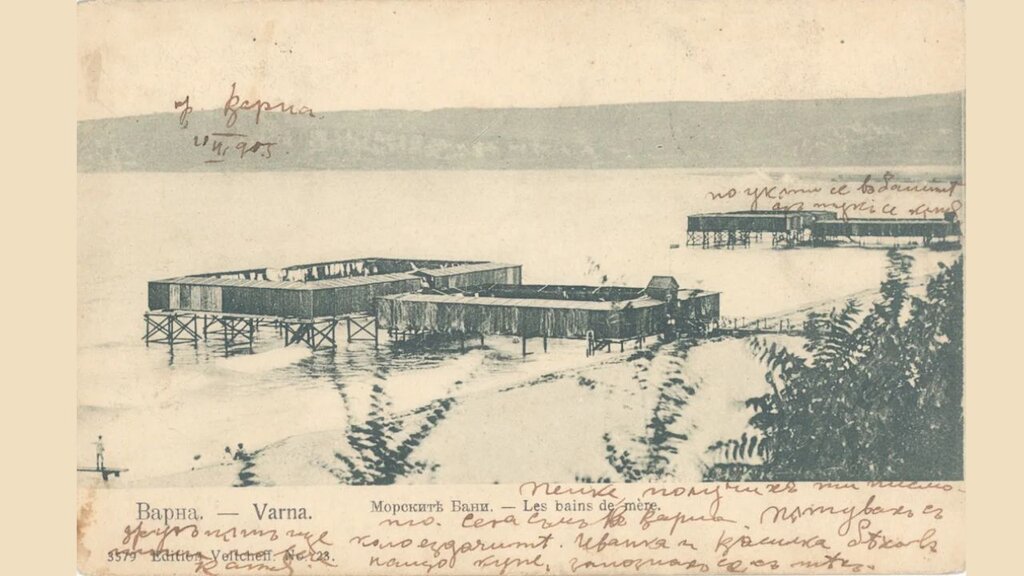
PHOTO Regional Library "Pencho Slaveykov" - Varna
“She was such a strong swimmer that in 1908, in those decidedly male-dominated times when women would venture no further than ankle-deep into the water, fully clothed from head to toe, she swam the five-kilometre distance from Varna to Cape Galata at the age of 56,” Magdalena Gigova continues. “She was probably also Bulgaria’s first unofficial female competitive swimmer. It was said of her: ‘When wagers were made on long-distance swimming, she would defeat young sailors despite her age.’ She also had a playful sense of humour. On one occasion, disguised as a black sea monster, she suddenly emerged from the water near the men’s bathing area, sending around a hundred frightened men running for safety.”
But when, following the Unification, the Serbs threatened the freedom of the Fatherland, I could not remain still. I seized my rifle and went to the border, where, as a volunteer, I took an active part in the battles at Dragoman, Gurgulyat and Slivnitsa…
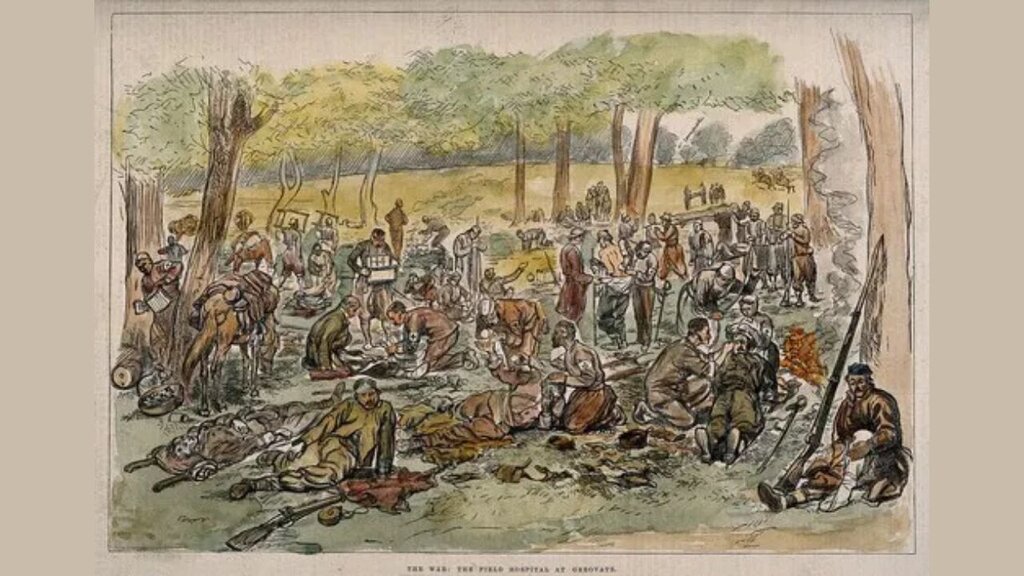
Serbo-Bulgarian War
PHOTO wellcomecollection.org
Although deeply devoted to her profession, the call of the homeland proved stronger
"During the Serbo-Bulgarian War of 1885, Hristina Hranova was once again a heroine, and this time she was wounded in the left knee,” Magdalena Gigova says. “She not only wielded a weapon, but also carried medicines in her bag and tended to the sick and wounded. People began to call her, gratefully, ‘Mother of the Heroes’. Nearly 30 years after the Russo-Turkish War of Liberation, Hristina donned a soldier’s uniform for the last time and enlisted as a volunteer, this time in the Second Balkan War of 1913. She was around 60 at the time and later admitted that she had overestimated her strength. She took part in the fighting at Kumanovo, Kriva Palanka, Kochani and Dzhumaya.”
Old, frail and infirm, I am no longer able to earn my livelihood, and my last remaining strength is slowly ebbing away in this terrible misery. There are days when I am forced to go hungry. In winter, I shiver from the cold. I ask for little; help me only so that I may not die of hunger and cold. Mercy, mercy, sons of Bulgaria…
Years later, she would pose for a postcard in a ceremonial military uniform, wearing a Bulgarian volunteer’s tunic and six orders and medals on her chest. Yet the hardships of life did not spare her. She discovered that winning a battle against bureaucratic indifference could be more difficult than prevailing on the battlefield. In 1910, she was denied a state pension on the grounds that she had not made regular social security contributions.
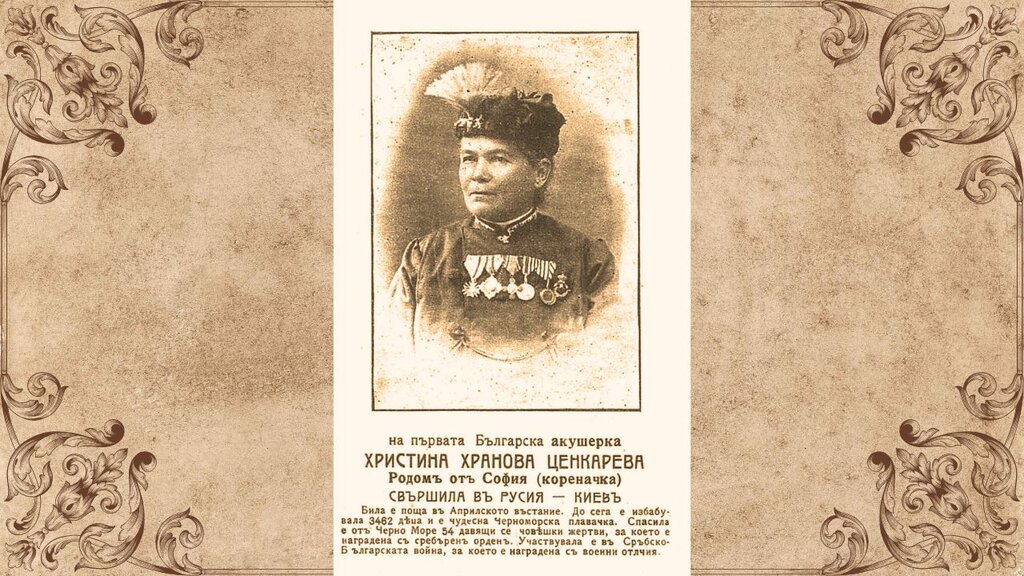
PHOTO europeana.eu
“Hristina found little joy in her personal life and remained alone to the end, never marrying,” Magdalena Gigova says in conclusion. “Her self-assurance must have intimidated men. What kind of husband would a woman who kept a rifle in her bedroom have? She lived quietly, almost unnoticed, while her health steadily deteriorated. ‘And here I am today, a ruin,’ she would write. Until the end of her days, she was crippled by rheumatoid arthritis. She lived in a wooden shack and was forced to spend her days on the street, holding out her hand for a crust of bread. She languished in extreme poverty, often going hungry for days at a time. Despite her honours and her service to the state, it took nearly eight years for her petitions for a pension to receive a response. In 1918, the National Assembly granted her a lifelong state pension of 60 leva, barely enough to keep her from starvation.”
In 1922, after years of suffering and hardship, Hristina Hranova died passed away.at the age of 72.
“She was not buried with military honours, and only her old comrades-in-arms accompanied her on her final journey. The location of her grave remains unknown. ‘A grave without a monument, a grave long since erased,’ writes her biographer Kiril Bozhilov. Despite her exploits and achievements, despite the lives she helped bring into the world and those she saved, the life and legacy of Hristina Hranova have remained outside the pantheon of great Bulgarians, without an epitaph, a cross or a monument. In Varna, where she worked as a midwife and lifeguard, there is a street named after her. Yet although the postcard issued in her honour as a commemorative keepsake bears the inscription ‘From Sofia’, with the word ‘native’ in brackets, the capital has yet to pay tribute to her. Let us honour in our thoughts this remarkable woman, Hristina Hranova!” Magdalena Gigova concludes.
Text: Diana Tsankova, based on a feature by Magdalena Gigova, broadcast on BNR’s Radio Sofia
Editor: D. Semkovska
English version: R. Petkova