


Wednesday 30 September 2026 17:12
Wednesday, 30 September 2026, 17:12
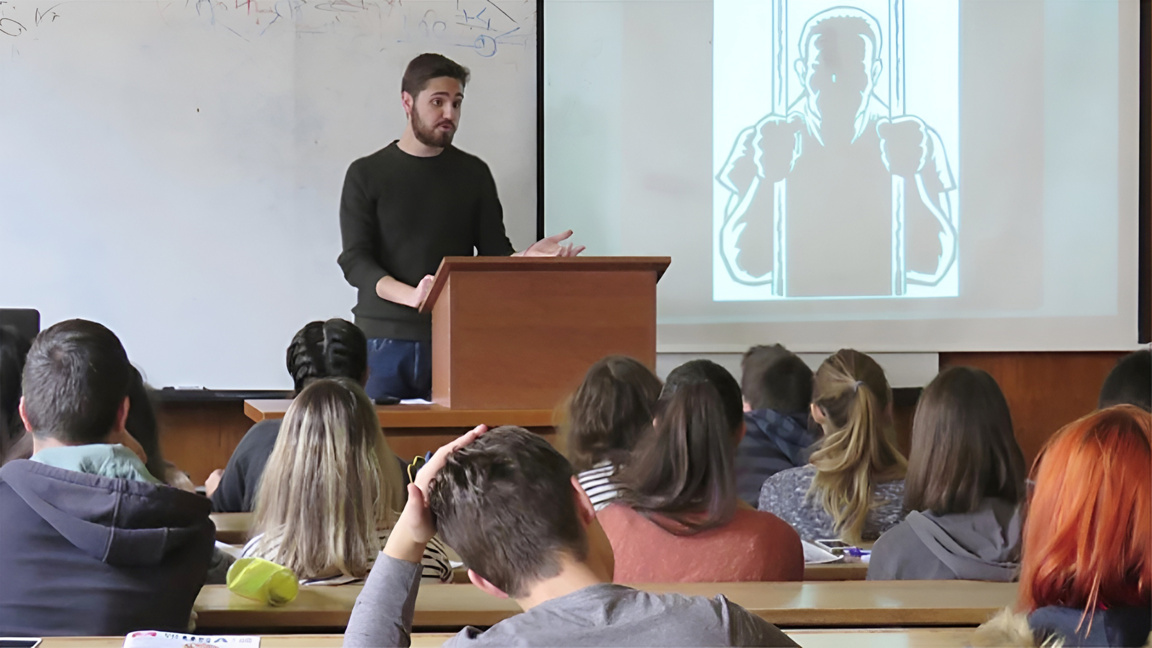
PHOTO BNR Archive
Font size
The city of Vidin on the Danube is among the places taking part in the national European Civic Education programme. The initiative was created by the Institute for Public Policy together with the Ministry of Education and Germany’s Hanns Seidel Foundation. The partners provide training for teachers of civic education in different parts of the country.
What does civic education look like in Bulgaria?
Civic education has a history of more than a century in Bulgaria, incorporating European ideas, traditions and experience into the Bulgarian context. After the Second World War, between 1944 and 1989, it was replaced by teaching the fundamentals of communism, aimed at instilling a particular ideological worldview in young people.
Following the democratic changes of the early 1990s, civic education was gradually reintroduced at the initiative of NGOs, associations and teachers, initially as an optional subject for pupils from grades 1 to 12. It was not until 2020 that it became part of the compulsory curriculum for students in grades 11 and 12.
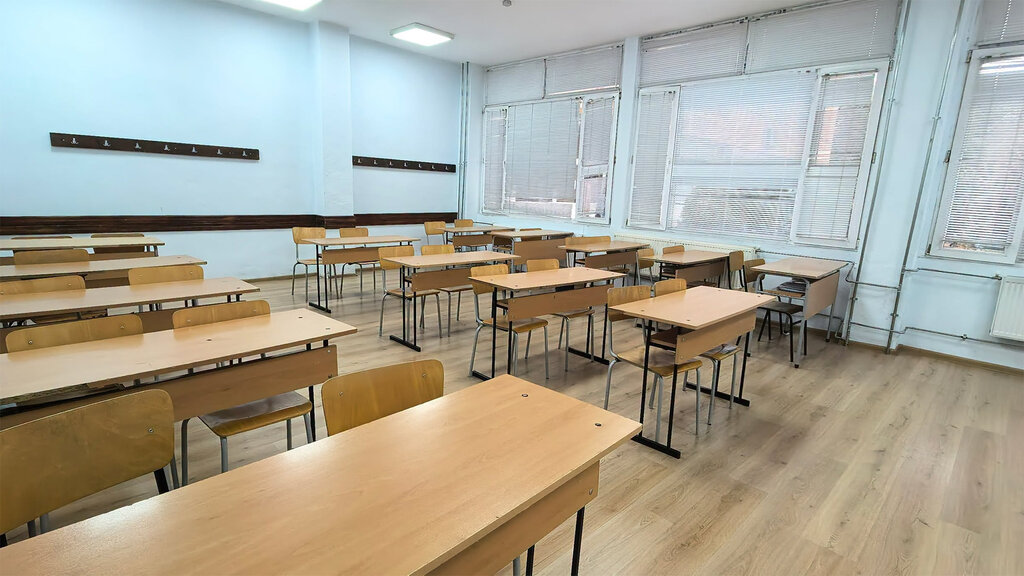
PHOTO BNR VIDIN
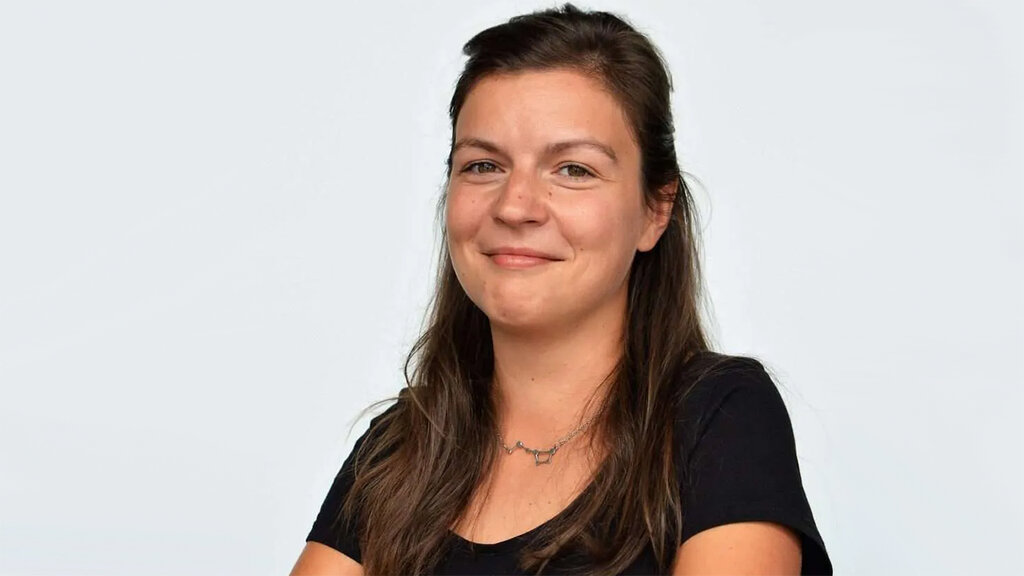
A study by several NGOs, Civic Leadership and Active Cooperation, looks at the role of civic education in Bulgarian schools. It explores how the subject can be taught more effectively and how its importance can be better recognised by school heads, teachers, parents and students. Yulia Mishkova of the Teach for Bulgaria Foundation, who manages the initiative, told BNR Vidin:
“This spring, we spoke to more than 1,000 teachers through surveys, focus groups and interviews, asking them what civic education means to them, where they see its place in the education system and how they understand their own role. Most of the teachers we spoke to consider civic education important and believe it has a place in schools. But with all the other demands on their time, many have concerns about how effectively it can be taught alongside everything else they are expected to achieve and all the exams they have to prepare their students for. This naturally affects how much time they are able and willing to devote to it.”
Yulia Mishkova
PHOTO zaednovchas.bg
Do the attitudes and needs of teachers in smaller towns differ from those of their colleagues in regional centres?
“I don’t think there are any major differences. What we see is that teachers share similar concerns, as well as similar examples of good practice. Generally, when teachers have the support of their school management and are given enough room to work – and perhaps have more experience – they feel somewhat more comfortable bringing different topics into the classroom. What remains an issue everywhere is whether they have enough time for meaningful discussions with students about issues that arise in everyday life and to explore them properly from different points of view. Just as important is whether teachers themselves have enough time to prepare for such discussions.”
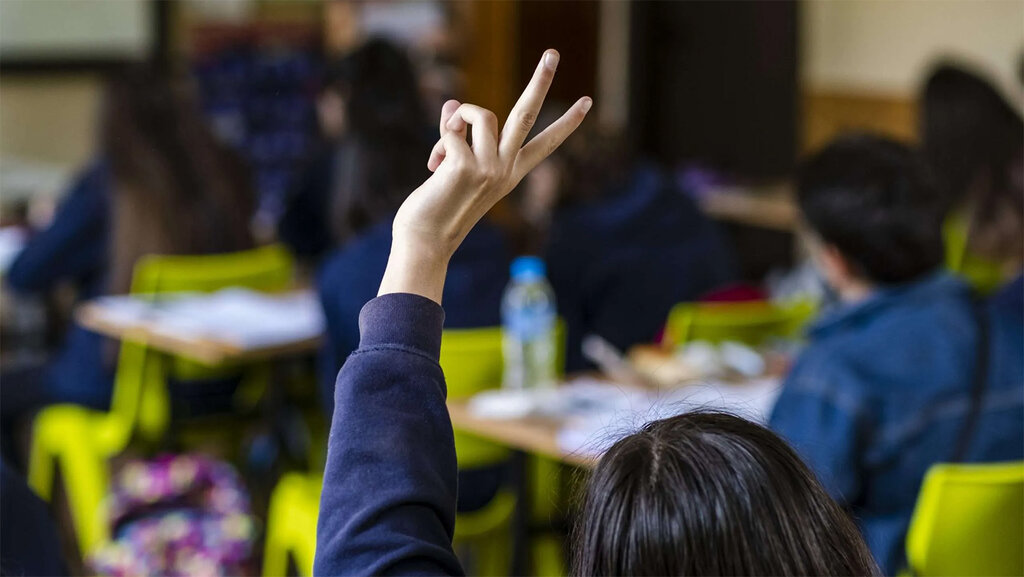
PHOTO zaednovchas.bg
Civic education is taught in the final two years of secondary school. At the Yordan Radichkov Foreign Language School in Vidin, one of the teachers of the subject is Valya Aleksandrova.
What does she see as the strengths and weaknesses of civic education as it is currently taught?
“The first major problem is that one lesson a week in both the 11th and 12th grades is simply not enough. The second is the lack of teachers specifically trained in civic education. You really need knowledge across several academic fields rather than a narrow specialisation, because teaching civic education means constantly keeping up with changes in the world around you. You need a grounding in economics, philosophy, geography and history. The teacher’s own motivation to work with young people and teach the subject is also important. You have to want to make it as useful to your students as possible.”
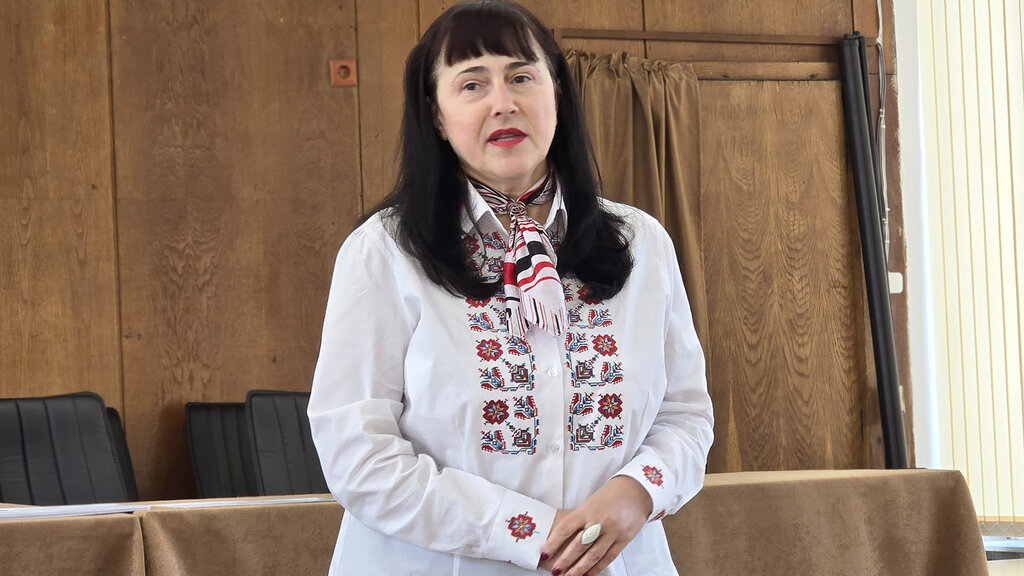
Valya Akeksandrova
PHOTO BTA
Emilia Emilova is a 12th-grade student at the Vidin school and believes civic education helps develop students’ critical thinking:
“I find the lessons very interesting. For example, we look at articles of the Bulgarian Constitution. We might be given 20 and asked to choose the ten we think are most important, and then we discuss our choices. As well as learning about our rights and responsibilities, we develop critical thinking because we discuss all sorts of things in class... We often talk about disinformation and fake news and how to recognise them, and I think that will be very useful in the future when we come across something like that...”
Her classmate Niya Marianova believes civic education should be introduced earlier and studied in greater depth:
“I think the textbooks give us enough information about the institutions, but what worries me is that many young people don’t know enough about politics. The time will come when they have to vote, and they won’t know who to vote for, what they are voting for, how or why.”
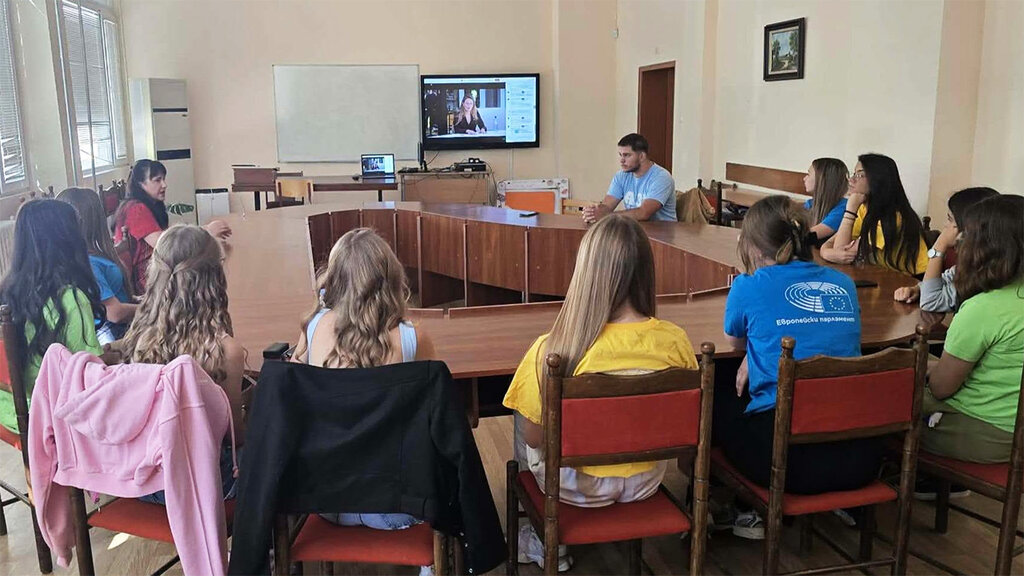
PHOTO facebook.com/YordanRadichkovVidin
Raisa Krumova is in the 11th grade and will study civic education for the first time this year. She already sees its importance and its relevance beyond the classroom:
“I’m beginning to understand my role as a young person and as a member of society. I take an active part in various extracurricular activities related to European values, civic participation and the school community. I’m also a member of the student council, where we have the opportunity to organise initiatives, express our views and work together for different causes. To me, that is what civic education is really about – not just knowing your rights and responsibilities, but wanting to get involved, express your views, respect different opinions and contribute to your community.”
Editor: Yoan Kolev, based on a report by Teodora Yordanova-Spasova of BNR Vidin
Supervising editor: E. Karkalanova
This publication was created by: Elizabeth Radkova