


Author
Vesela Krasteva
News
More Bulgarians in U.S. want their children to study at Bulgarian universities
Saturday 3 October 2026 09:45
Saturday, 3 October 2026, 09:45
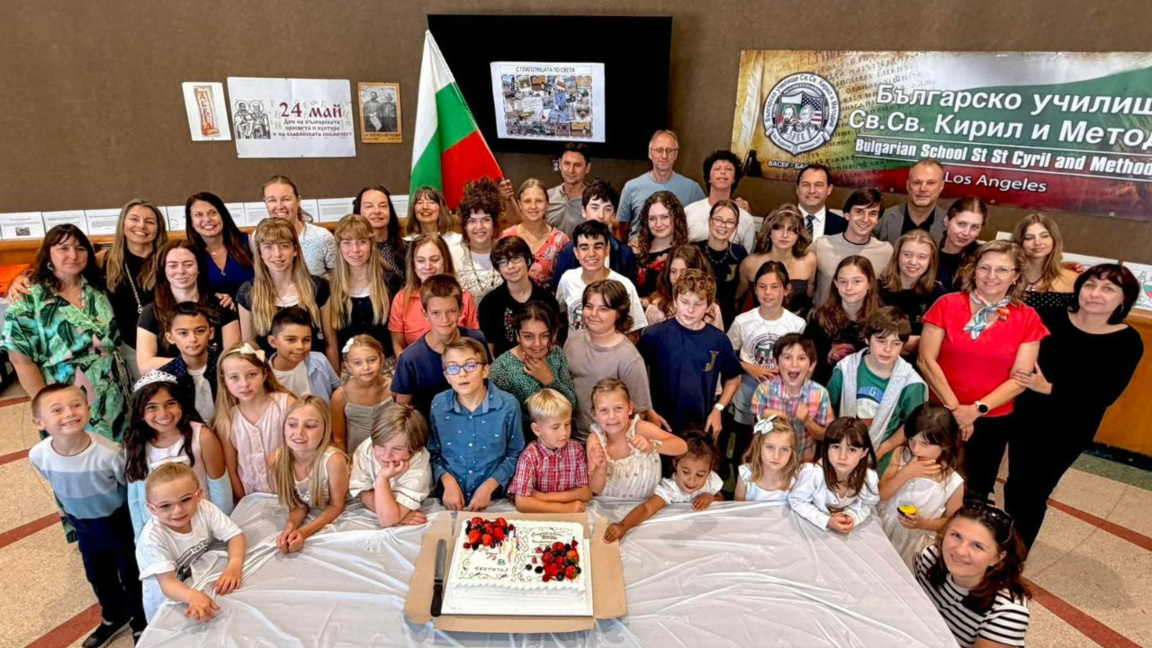
PHOTO Facebook /Bulgarian School St. St. Cyril and Methodius in Los Angeles
Font size
Bulgarian Sunday schools abroad are not simply places where young Bulgarian children learn to read and write far from their homeland. They are places that build community and foster a sense of belonging. This is something modern-day torchbearers—teachers and directors of Bulgarian Sunday schools abroad—have repeatedly emphasized in interviews with Radio Bulgaria.
And in today’s uncertain world, growing up among “one’s own” can sometimes be far more valuable and important to children than any lesson they may learn in the classroom.
While for Bulgarians living in Europe, returning home is only a few hours away by plane or car, there are places around the world that are thousands of kilometers away from Bulgaria, making a return to the homeland a difficult and expensive dream. One such country is the United States.

PHOTO Pexels
According to the latest 2024 data from the U.S. Census Bureau’s American Community Survey, more than 245,000 people in the United States report having Bulgarian ancestry. Many of them are second- and third-generation Bulgarians, who were born and raised there. Yet, as life has shown us time and again, nothing is forever, and returning to the homeland remains an option for many of them. That is why Bulgarian Sunday schools play such an important role in keeping that possibility alive—for both children and adults.
During the current 2026/2027 school year, there are 47 Bulgarian educational centers across the United States, six of them located in the state of California. “Learning the language is the most direct path to preserving one’s connection with the homeland”, says Zhivka Kostova, founder, principal and teacher at the Bulgarian School St. St. Cyril and Methodius in Los Angeles.
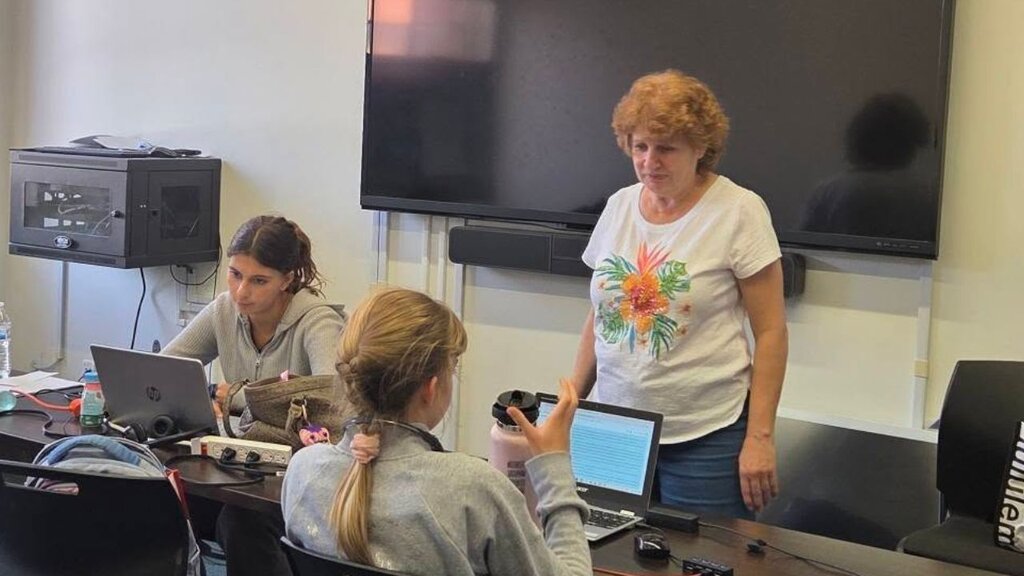
Zhivka Kostova
PHOTO Facebook /Bulgarian School St. St. Cyril and Methodius in Los Angeles
“Bulgarians who have chosen to settle America feel their connection to Bulgaria in a very different way. For those living in Europe, that connection remains stronger—they return to their homeland much more often and retain that sense of closeness. But for many of our compatriots living abroad, especially in America, however, that connection gradually weakens, and this is where Sunday schools play a very important role. A school is not simply an institution where we learn. It is also a place where Bulgarians come together and build connections. It is a place where both Bulgarian and American holidays are celebrated. It is a place where we feel like one family”, says Zhivka Kostova.
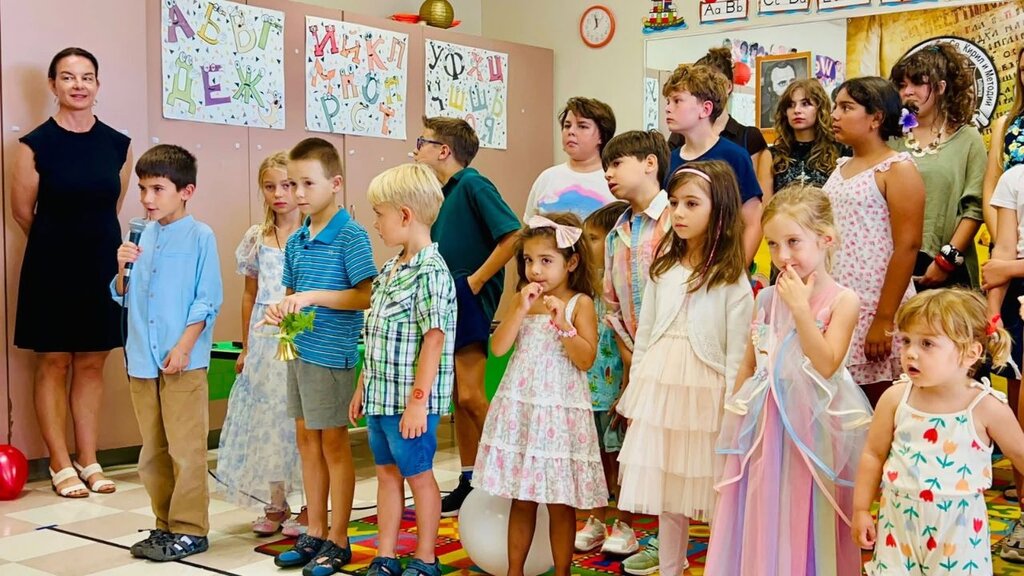
PHOTO Facebook /Bulgarian School St. St. Cyril and Methodius in Los Angeles
The Bulgarian Sunday School St. St. Cyril and St. Methodius in Los Angeles was founded in 2011 by Zhivka Kostova and a group of like-minded people. Last year, 92 Bulgarian children attended the school, studying in both in-person and online programs. The current school year was officially opened on September 16 at two locations— in Culver City and in Orange County. And despite the smiles, Zhivka Kostova’s team continues to face challenges this year as well.
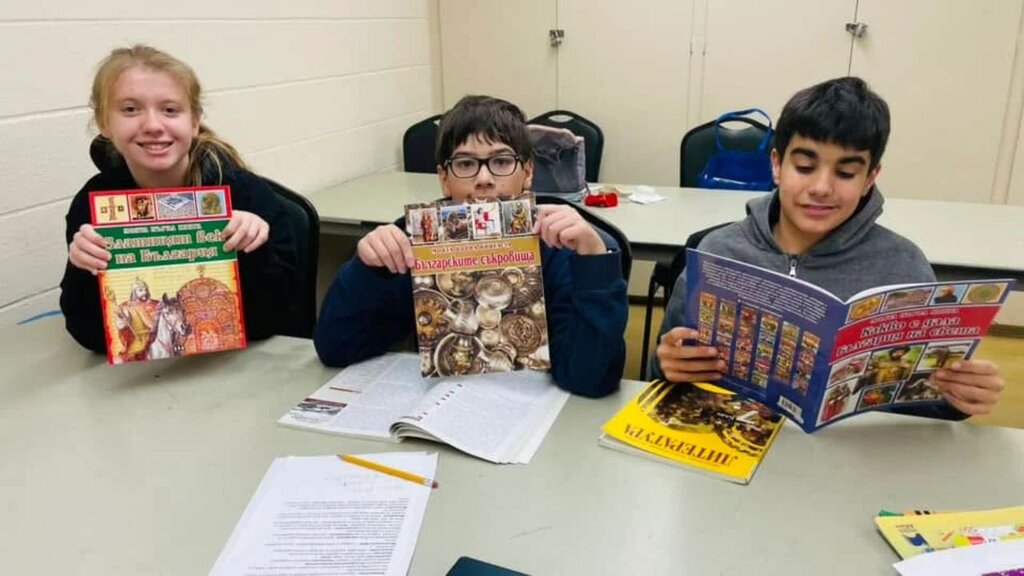
PHOTO Facebook /Bulgarian School St. St. Cyril and Methodius in Los Angeles
“The challenges are different in every city. Here in Los Angeles, the biggest challenge for us is the distance. It is very difficult for parents to set aside one of their days off to take their children to school. One thing that helps us attract and, above all, retain high school students is the so-called Bulgarian language proficiency exams, which result in a certificate under the Seal of Biliteracy program. The problem is that each school has to strive on its own to obtain this recognition and secure the certificate for its students. Another thing the Bulgarian government could help us with is finding facilities where we can hold our classes. Because for the time being, this is entirely our responsibility.“
A major challenge facing the school in Los Angeles, as well as Bulgarian Sunday schools across North America, is the lack of suitable textbooks and educational materials.
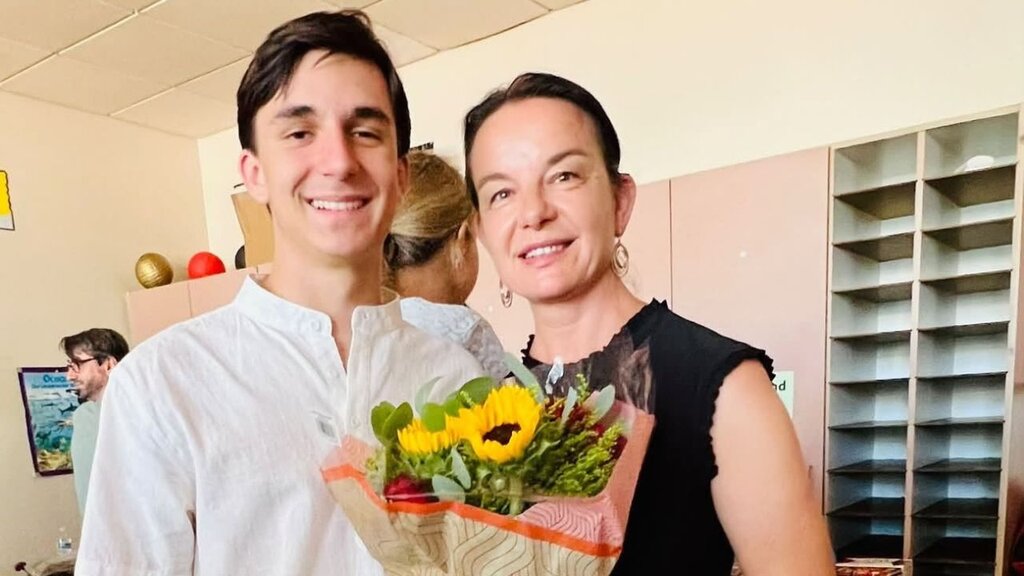
Venelina Dimitrova
PHOTO Facebook /Bulgarian School St. St. Cyril and Methodius in Los Angeles
“The biggest challenge is preparing teaching materials”, says Venelina Dimitrova, who teaches Bulgarian language and literature, history and geography at the St. Cyril and St. Methodius School in Los Angeles, in an interview with Radio Bulgaria.
“It is extremely difficult to work with the textbooks designed for schools in Bulgaria because teaching Bulgarian as a heritage language is very different. The situation becomes particularly challenging at the high school level, after seventh grade, because there are no materials specifically designed for Bulgarian schools abroad. We usually work with three or four textbooks, selecting the material that would be suitable for our children and that they would be able to understand.”
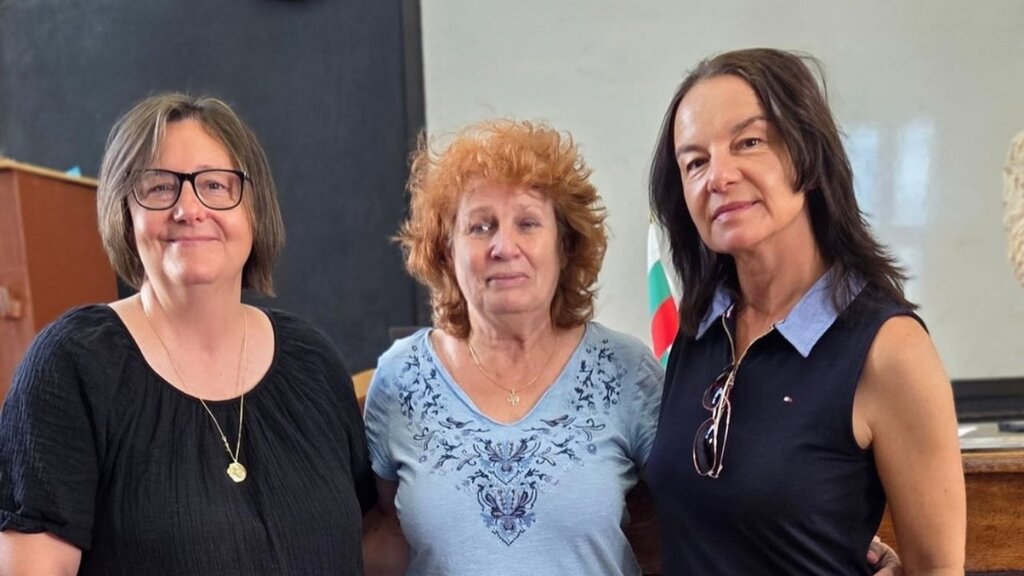
Zhivka Kostova (M) and Venelina Dimitrova (R)
PHOTO Facebook /Bulgarian School St. St. Cyril and Methodius in Los Angeles
Venelina Dimitrova has been part of the team at the Bulgarian Sunday School St. St. Cyril and St. Methodius in Los Angeles for six years now. “Our school is one big family, and I really love spending time with my colleagues and with the children, who are wonderful”, says Venelina Dimitrova. She is adamant that every Bulgarian child who stays at the school through 10th or 11th grade is special. But for that to happen, motivation is essential:
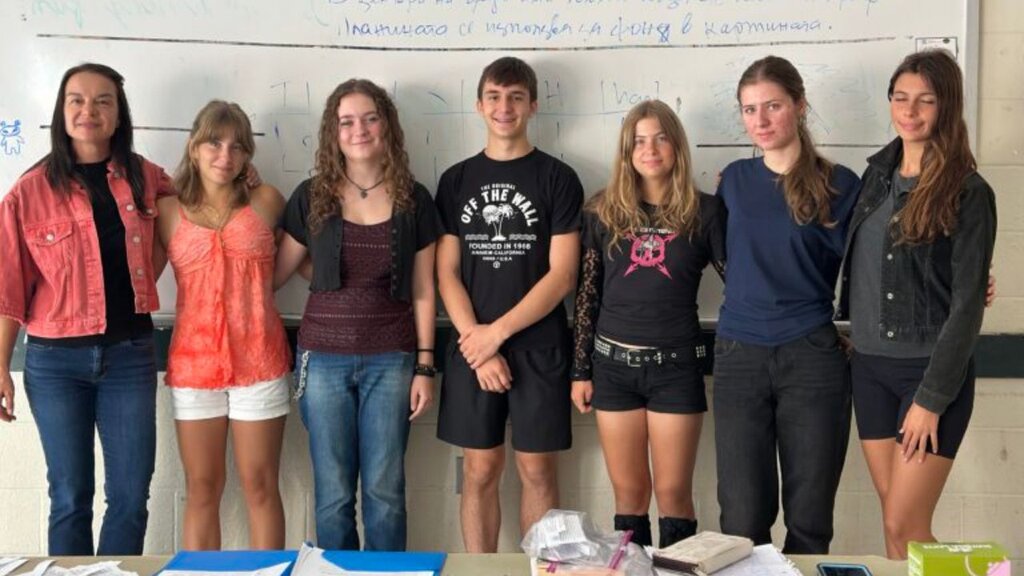
PHOTO Facebook /Bulgarian School St. St. Cyril and Methodius in Los Angeles
“First of all, it is very important to build a community among these children. The most important thing, in my opinion, is for them to have friends and to feel that the adults, teachers and parents are part of a community they belong to. I don’t know if you are aware, but getting into a university here is extremely difficult, and not just because it is expensive. Good universities have many requirements. California’s university admissions system is very competitive and highly sought after, and universities increasingly value a connection to an immigrant culture of this kind. For the children, this is one of the biggest incentives—to show them that attending Sunday school can be an asset when applying to university. Another thing I hear increasingly often from parents is that tuition at American universities is extremely high, and they are unwilling to pay it. More and more parents are considering sending their children to study in Europe or in Bulgaria”, Venelina Dimitrova explains.
Translated by Kostadin Atanasov
This publication was created by: Kostadin Atanasov