


Author
Daniela Goleminova
Interview
Alexandra Albazini who loves Bulgarian and dreams of a master's degree in Sofia
Monday 5 October 2026 07:05
Monday, 5 October 2026, 07:05
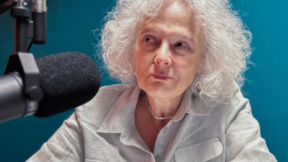
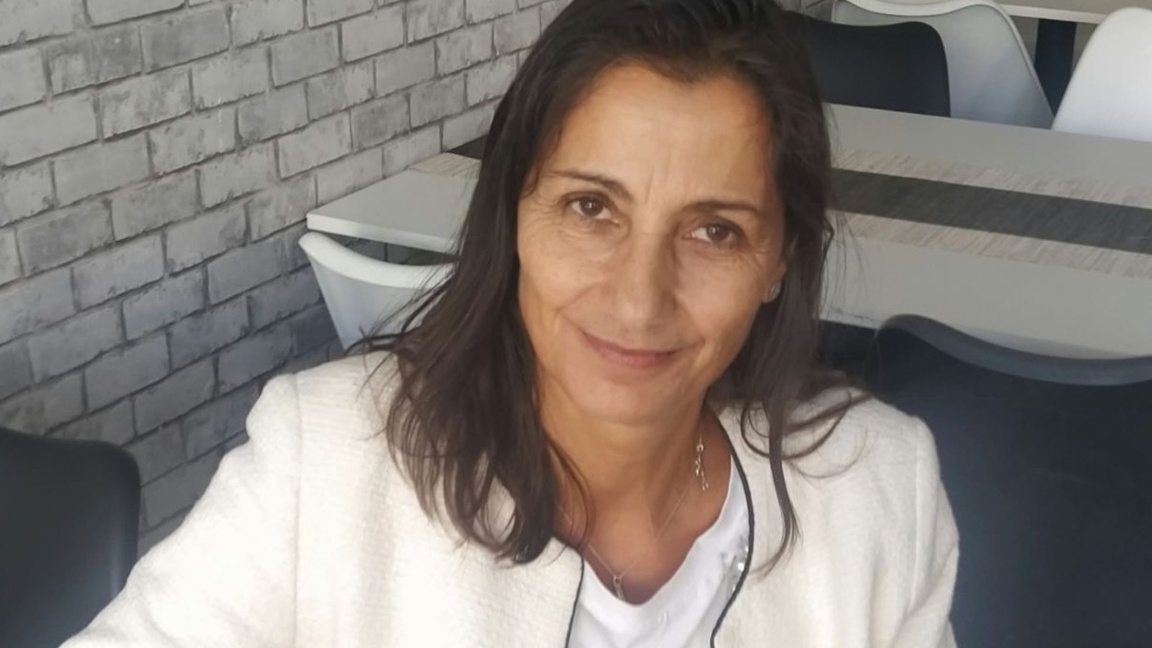
PHOTO Daniela Goleminova
Font size
For 17 years, Italian national Alexandra Albazini has worked as a translator at the European Commission in Brussels. She says that from an early age she became fascinated by learning foreign languages, seeing them as a way to discover new worlds, cultures and peoples. This passion has made her a true linguaphile.
Today, Alexandra has an excellent command of seven languages: Italian, English, French, Spanish, German, Slovenian and Russian, and for the past four years she has also been learning Bulgarian. She already speaks it well, albeit with a slight accent.
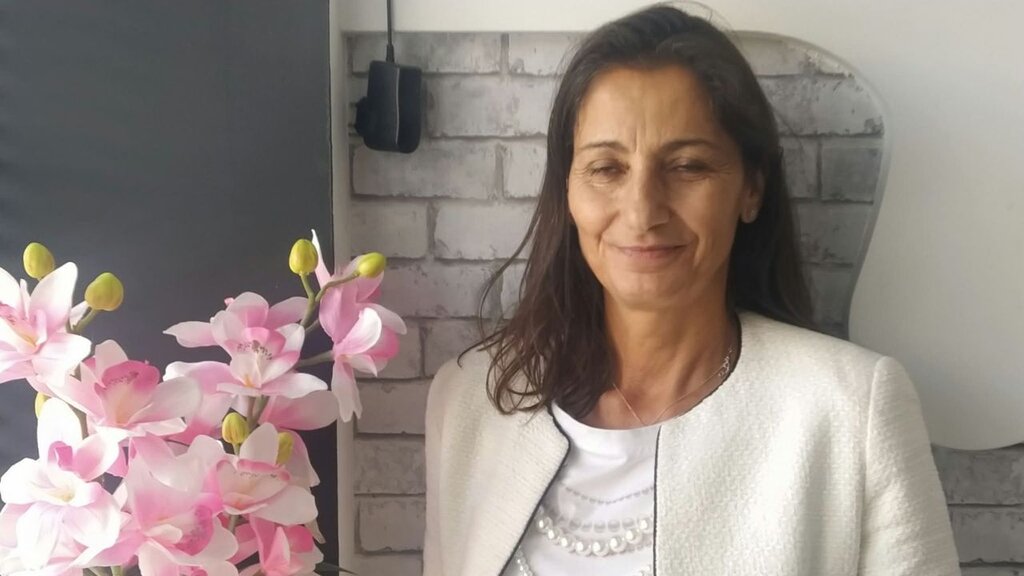
PHOTO Daniela Goleminova
“I still make a lot of mistakes. I study Bulgarian online with a teacher who lives in Bulgaria, in Sofia. I know Russian and Slovenian, and I love the Slavic world. I am interested in its culture and way of life, in what Bulgarians think, who they are and how they live. I am interested in books and I want to learn the language so that I can read Bulgarian books. I read contemporary literature, including Georgi Gospodinov. At the moment, I am reading Georgi Markov’s two-volume Dispatches from the Past (ed. also known as In Absentia Reports About Bulgaria),” Ms Albazini says.
She says she has visited Bulgaria three times to attend in-person Bulgarian language courses. In the future, she plans to enrol in a master’s programme at Sofia University “St Kliment Ohridski” to deepen her linguistic knowledge of contemporary Bulgarian.
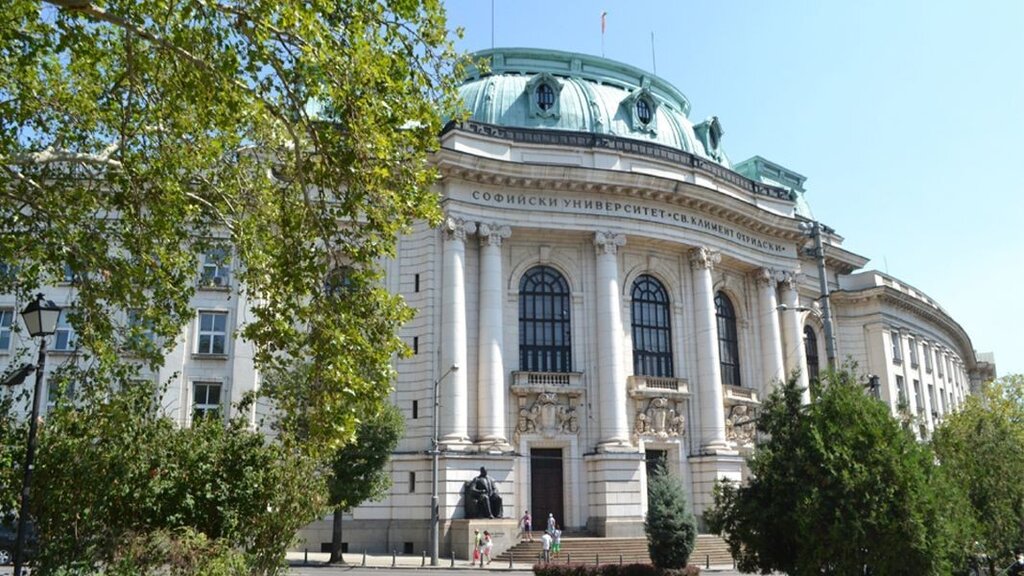
Sofia University Saint Kliment Ohridski
PHOTO BNR
“I didn’t manage to do it this semester, perhaps I will next semester. It is very difficult because they require all the documents to be translated and apostilled,” she explains.
How do Alexandra Albazini’s family and friends feel about her passion for mastering Bulgarian, which is not among the world’s most widely spoken languages?
“My friends and acquaintances say it’s madness,” the polyglot says with a smile. And will learning foreign languages continue to be valued in the future?
“I don’t know how young people will think tomorrow. For me, it is very interesting and important to understand what other people and different nations think and say, and what they write. And as Fyodor Dostoevsky said: ‘Beauty will save the world!’” Alexandra Albazini concludes.
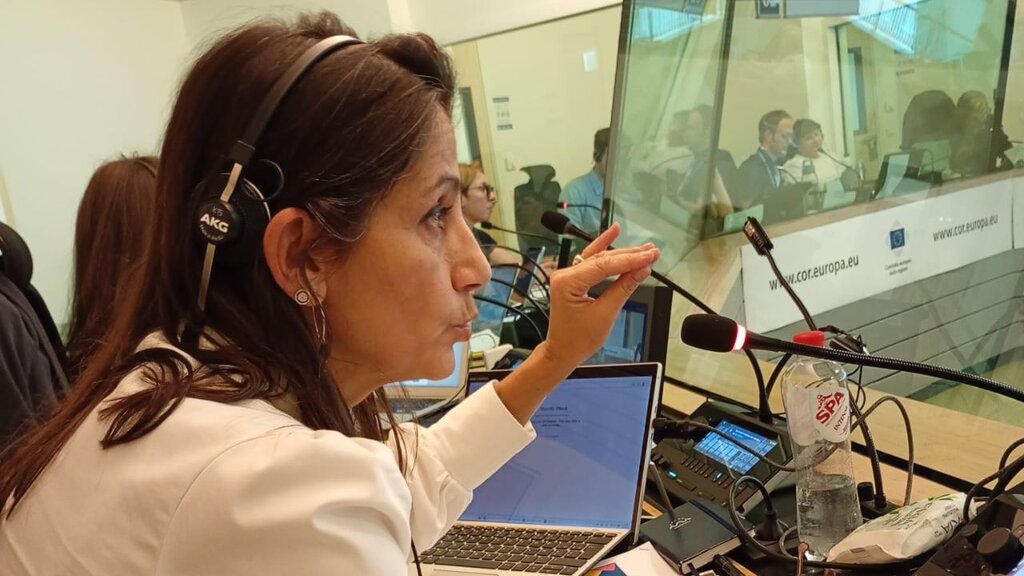
PHOTO Private archive
She says she enjoys working as a translator at the European Commission because it gives her the opportunity to hear all the languages. She does not approve of the fact that English has increasingly become the predominant language spoken in the European institutions in recent years. There are, of course, many difficulties and challenges:
“You never know what the speaker is going to say. Sometimes people speak very quickly, which makes it difficult for the interpreter, because you have to think, translate and speak at the same time. Technical terminology is a real challenge at live meetings, which is why an interpreter has to prepare every day,” the Italian translator explains.
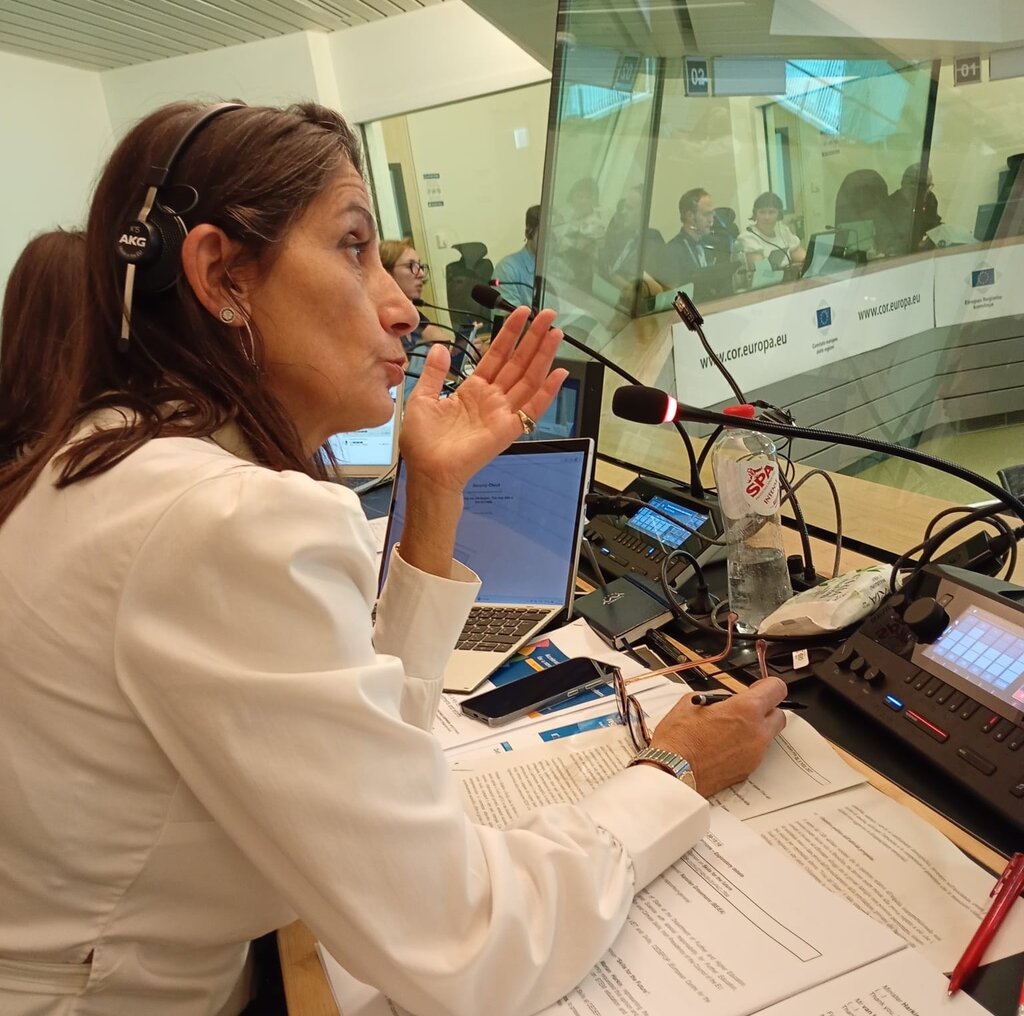
PHOTO Private archive
Alexandra Albazini admits with a smile that she sometimes makes mistakes when interpreting, but stresses that they are not significant and often go unnoticed because work in the interpreting booth is a team effort. If she makes an inadvertent mistake, her colleagues quickly help her correct it.
How are digitalisation and artificial intelligence changing the work of translators? Could AI eventually replace human interpreters?
“I don’t use artificial intelligence because I don’t like it. I am still trying to work without it. If a translation is produced using artificial intelligence, the translator then has to check it. I don’t believe artificial intelligence will completely replace humans, because natural intelligence is very complex. It is not just about words, but about reading, listening, everything that is there,” Alexandra Albazini explains.
English: R. Petkova
This publication was created by: Rositsa Petkova