


Author
Ivo Ivanov
Byzantium recognises Damian as Bulgaria’s first patriarch in October 927
Thursday 8 October 2026 16:18
Thursday, 8 October 2026, 16:18
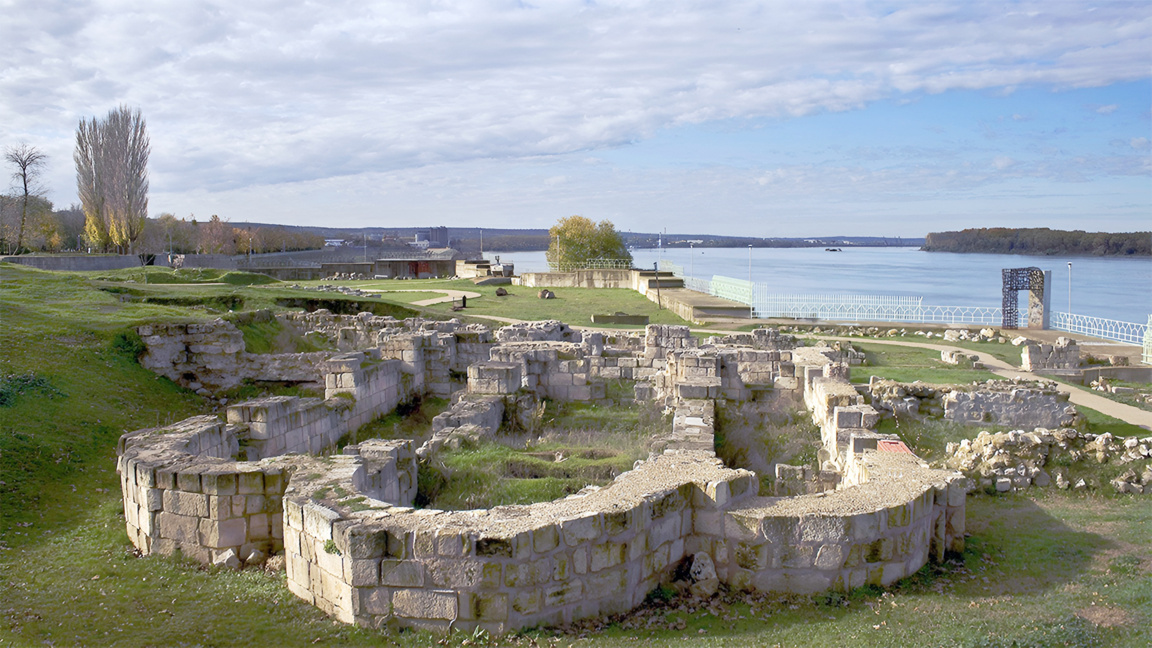
The ruins of the Patriarchal Basilica in Drastar (present-day Silistra), on the banks of the Danube.
PHOTO bulgarianhistory.org
Font size
In 927, Bulgaria and Byzantium (the Eastern Roman Empire) signed a peace treaty under which Constantinople officially recognised the autocephalous Bulgarian Church as a patriarchate for the first time, acknowledging its status as equal to that of the Eastern patriarchates and the Church of Rome. A later historical list, dating from the 12th century, names Damian as the first Bulgarian patriarch and associates him with the Danube city of Drastar.
The following historical events led to Byzantium’s recognition of the Bulgarian Orthodox Church’s independence.
On 27 May 927, the medieval Bulgarian ruler Tsar Simeon the Great died. After fighting numerous wars against Byzantium, Bulgaria’s principal rival during the Middle Ages, Simeon had sought recognition as ruler not only of the Bulgarians but also of the Romans, or Byzantines. He did not achieve this during his lifetime.
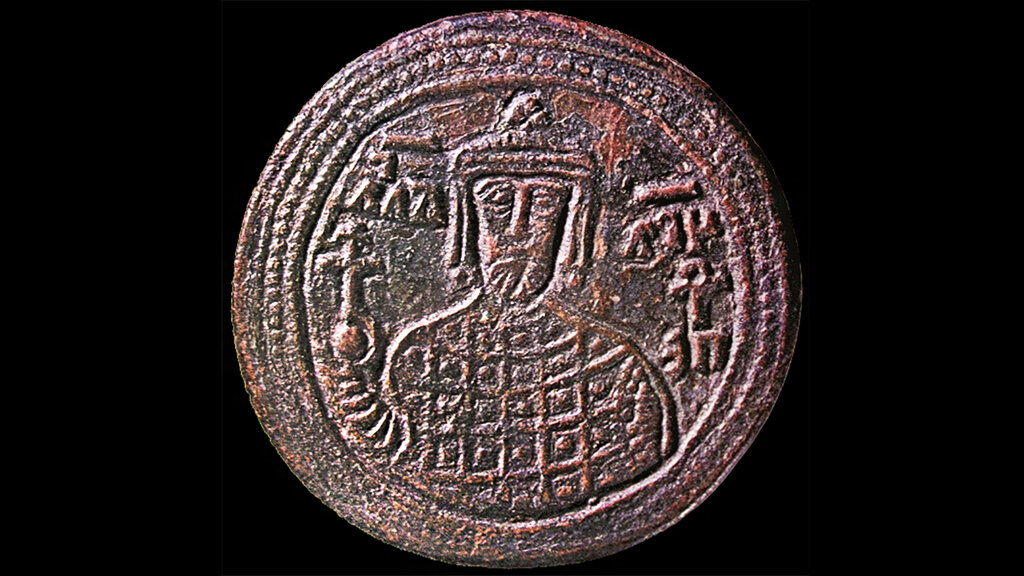
Coin bearing the image of Tsar Peter I.
PHOTO wikipedia.org
Simeon was succeeded by his son Peter I. The young tsar launched a military campaign in Thrace, forcing Byzantine Emperor Romanos Lekapenos to negotiate. In early October 927, the two sides concluded what became known as the Deep Peace.
Constantinople recognised Peter as Basileus of the Bulgarians. To seal the agreement, the Bulgarian ruler married Maria, a granddaughter of Emperor Romanos Lekapenos. At their wedding, Maria took the name Irene, meaning “peace”.
Under the same agreement, Patriarch Stephen II of Constantinople reaffirmed the Bulgarian Church’s independence and recognised its patriarchal status.
Until then, the Bulgarian Church had been an autocephalous, or self-governing, archbishopric. It had acquired this status in 870, during the reign of Prince Boris I, who established Christianity in Bulgaria after 866.
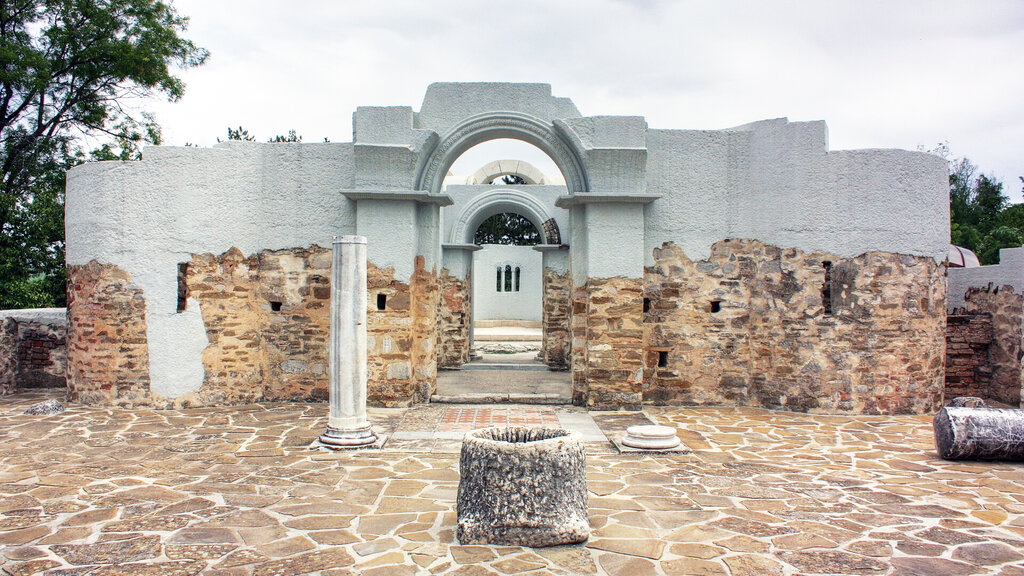
The Round Church in Veliki Preslav, built during the reign of Tsar Simeon I (893–927), is a masterpiece of early medieval European architecture.
PHOTO wikipedia.org
In 924, following the death of Patriarch Nicholas Mystikos of Constantinople, Simeon proclaimed himself Basileus of the Bulgarians and Romans. Joseph I was then consecrated as patriarch. These unilateral Bulgarian actions, however, were not recognised by Byzantium.
Little is known about Damian, the first Bulgarian patriarch recognised by Constantinople.
Apart from his name, almost nothing is known with certainty about Damian. Numerous, often contradictory theories concern his identity, the dates and location of his ministry, and the extent of his ecclesiastical authority. His name first appeared in a published historical work in 1680, in Charles du Cange’s Historia Byzantina.
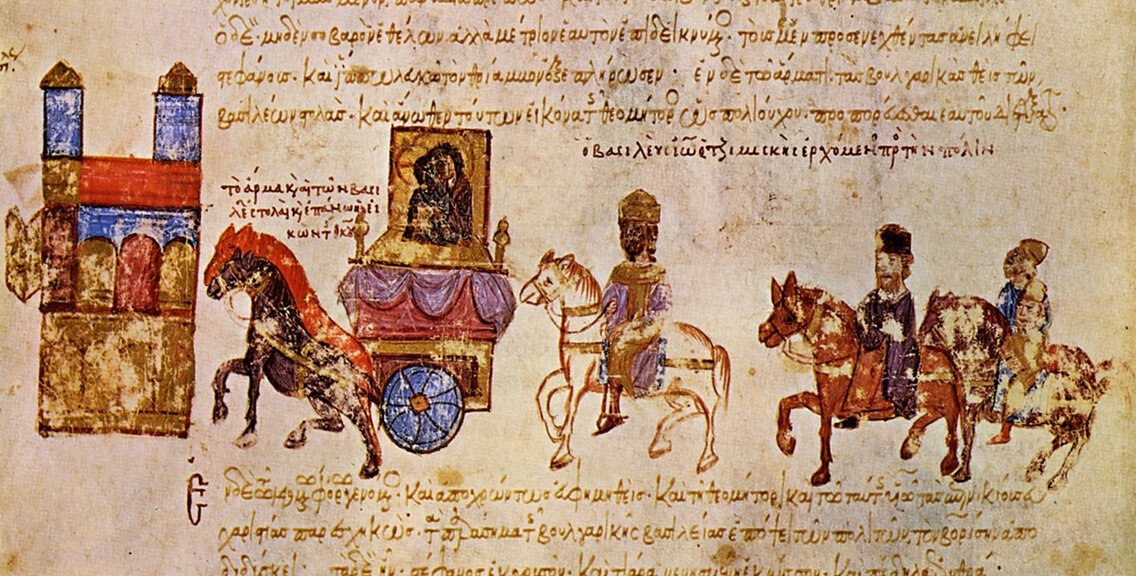
Miniature from the Madrid manuscript of John Skylitzes’ Chronicle: Emperor John Tzimiskes takes the royal icon of the Virgin Mary, the captive Tsar Boris II and his family from Preslav to Constantinople.
PHOTO Archive
During his research, du Cange discovered a collection of ecclesiastical lists from the chancery of the Patriarchate of Constantinople in the Royal Library in Paris. The documents are now held by the National Library of France. Among them was a 12th-century list of the primates of the Bulgarian Church and its successor, the Archbishopric of Ohrid. The document, also known as the Du Cange List, was published in the catalogue accompanying Historia Byzantina, a collection of translations of Byzantine texts.
The source states: “Damian held ecclesiastical office in Dorostol, now called Dristra. In his time, Bulgaria too was granted autocephalous status. By order of Emperor Romanos Lekapenos, he was proclaimed patriarch by the imperial council, and was later deposed by John Tzimiskes.”
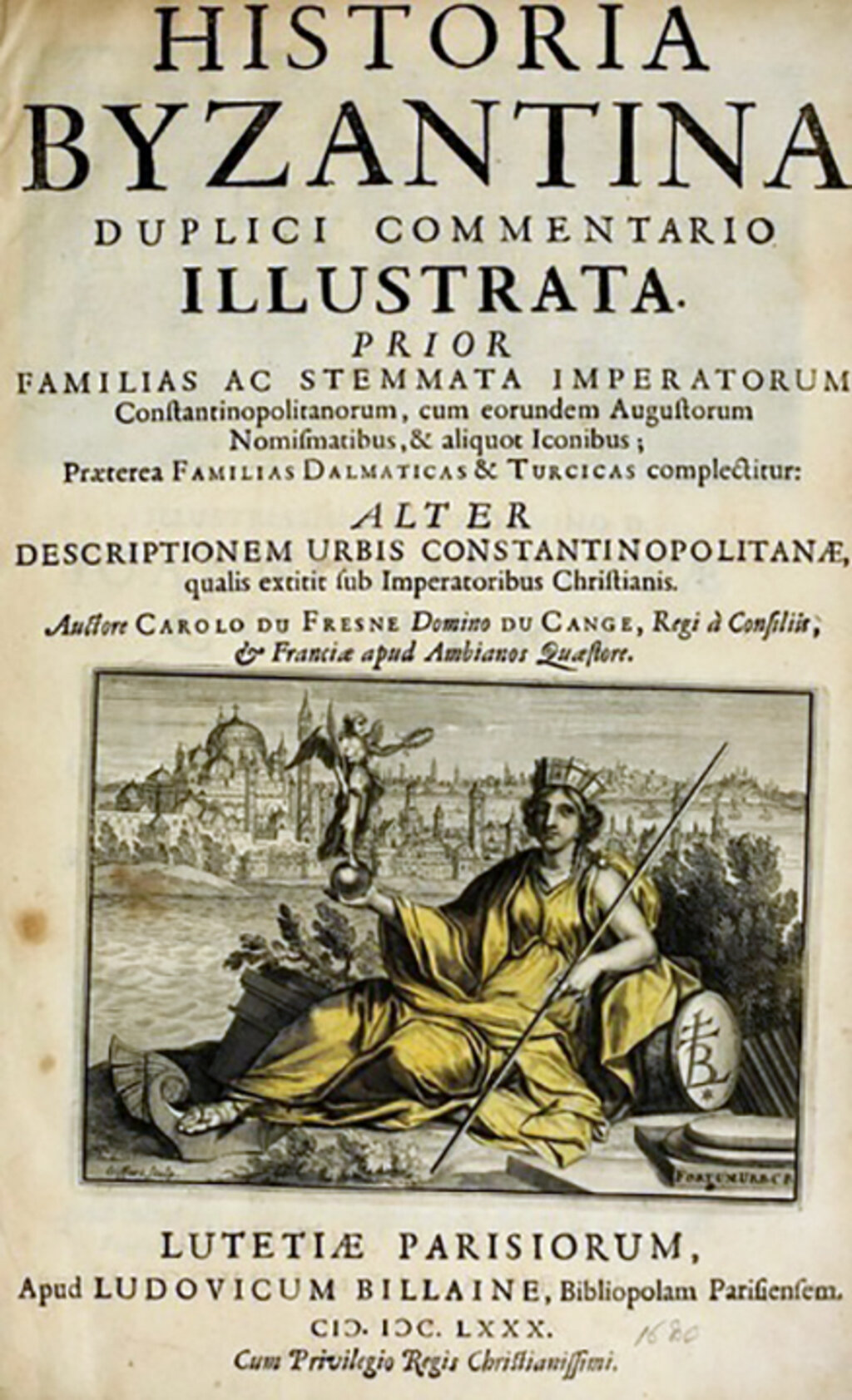
PHOTO wikipedia.org
Why does the document place Damian in Silistra rather than in the royal capital of Preslav?
One possible explanation lies with the author of the list, Archbishop John Komnenos of Ohrid. The Byzantine cleric may have wished to diminish the Bulgarian patriarch’s standing by presenting him as the Metropolitan of Drastar and emphasising his expulsion by Byzantine Emperor John Tzimiskes. Following the death of Tsar Peter, Tzimiskes invaded Bulgaria, capturing first the capital, Preslav, and then Drastar, also known as Dorostol.
Yet the Du Cange List names another church leader after Damian: “German, also called Gabriel, who served as bishop in Voden and Prespa.”
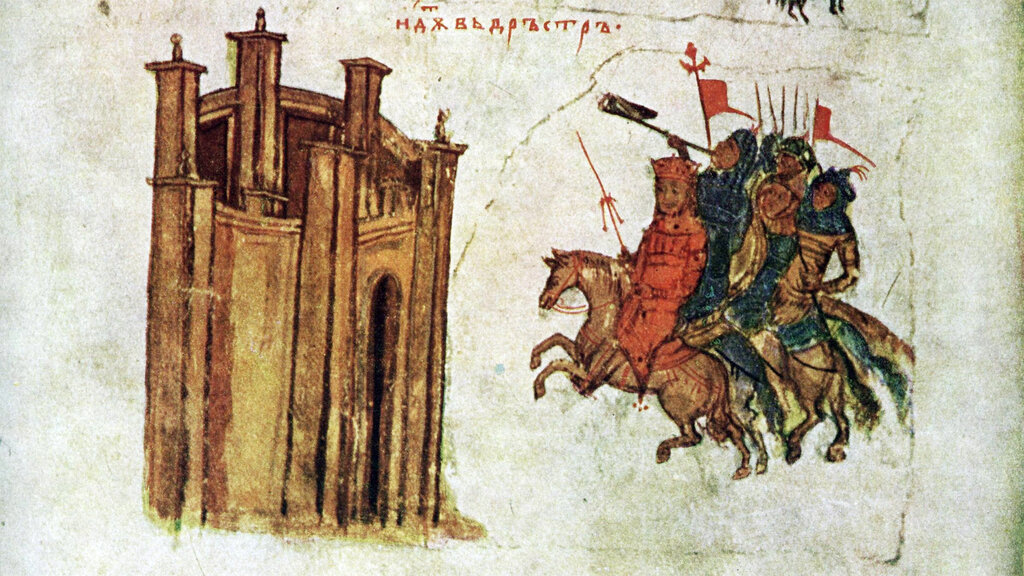
Emperor John I Tzimiskes’ campaign against Drastar – a 14th-century miniature from the Manasses Chronicle.
PHOTO Archive
These brief accounts have led Professor Plamen Pavlov and several other Bulgarian historians to argue that Damian refused to submit to Byzantine authority after the capture of Preslav and the imprisonment of Tsar Boris II. According to this interpretation, the patriarch fled Drastar and moved the seat of the Bulgarian Patriarchate westwards, to Sredets and the Bulgarian territories that remained independent under the future Tsar Samuel.
The circumstances of Patriarch Damian’s death, however, remain unknown.
Supervising editor: Elena Karkalanova
This publication was created by: Elizabeth Radkova