


Author
Miglena Ivanova
Saturday 10 October 2026 09:30
Saturday, 10 October 2026, 09:30
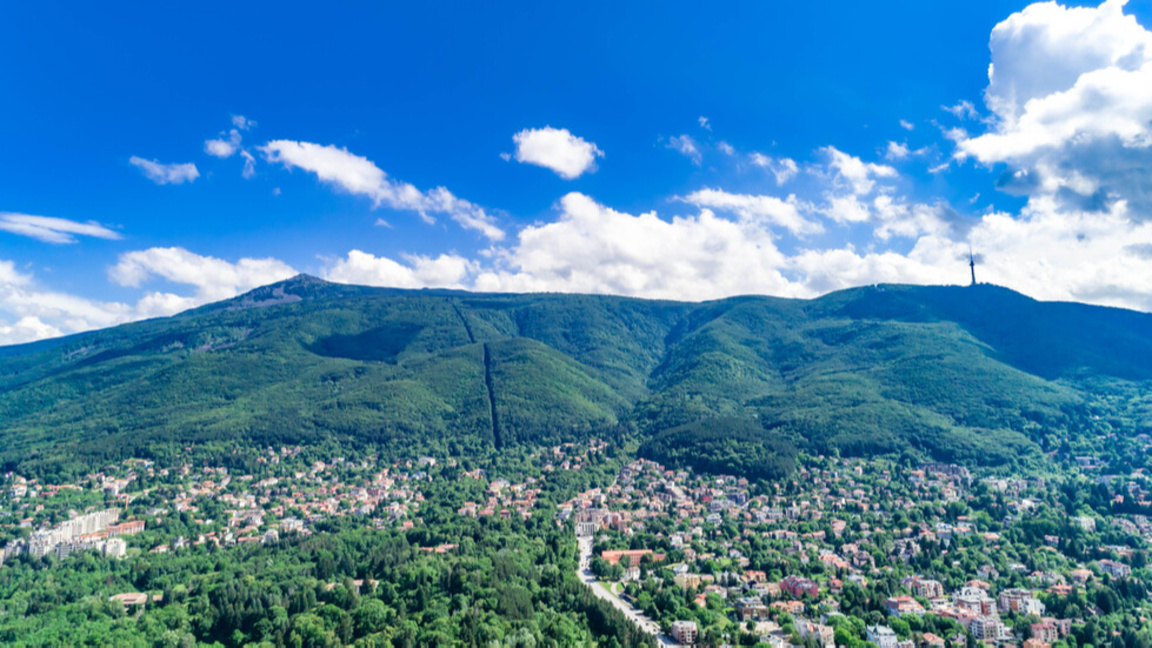
PHOTO Pixabay
Font size
Vitosha-the mountain whose silhouette rises above Sofia—is one of the city’s favorite places to escape the hustle and bustle of urban life and one of the symbols of the capital city. It is no coincidence that one of Sofia’s central boulevards bears its name. Facing Vitosha, the boulevard creates a visual connection between the historic heart of the city and the mountain beyond. Despite the city’s urban expansion, the Vitosha ridge still stubbornly peeks out from between the buildings at various points across the city.
Cherni Vrah
PHOTO Vitosha Nature Park
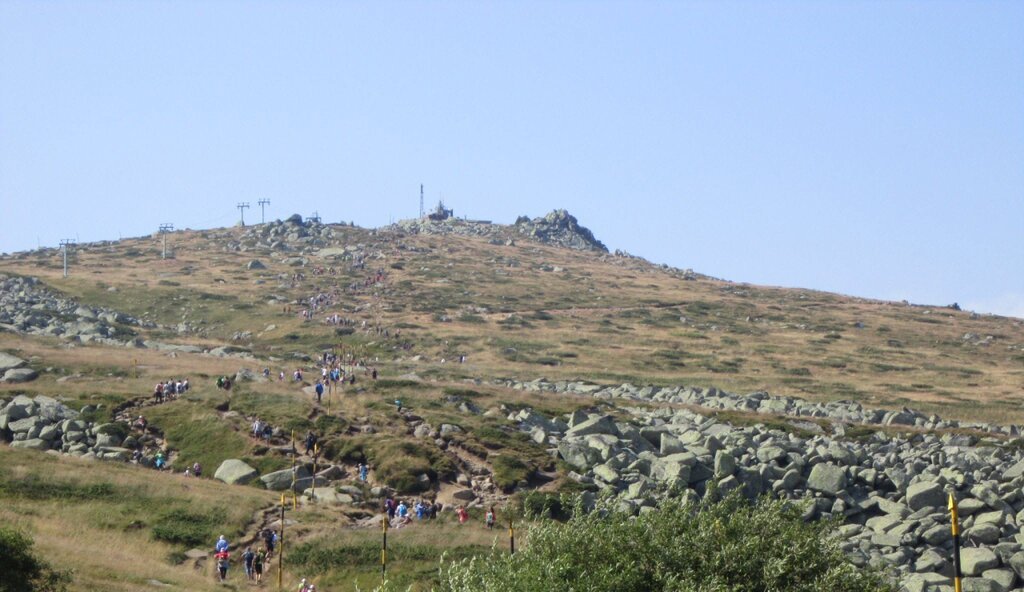
“There’s nothing higher than Vitosha”, as the local Shopi saying goes. But in practice, with its highest point-Cherni Vrah (2,290 m)- it is the fourth-highest mountain in Bulgaria, after Rila, Pirin, and the Balkan Mountains. In 1934, the first national park in Bulgaria and on the Balkan Peninsula was established on its territory- “Vitosha” (today a nature park), currently covering an area of 27,079 hectares.
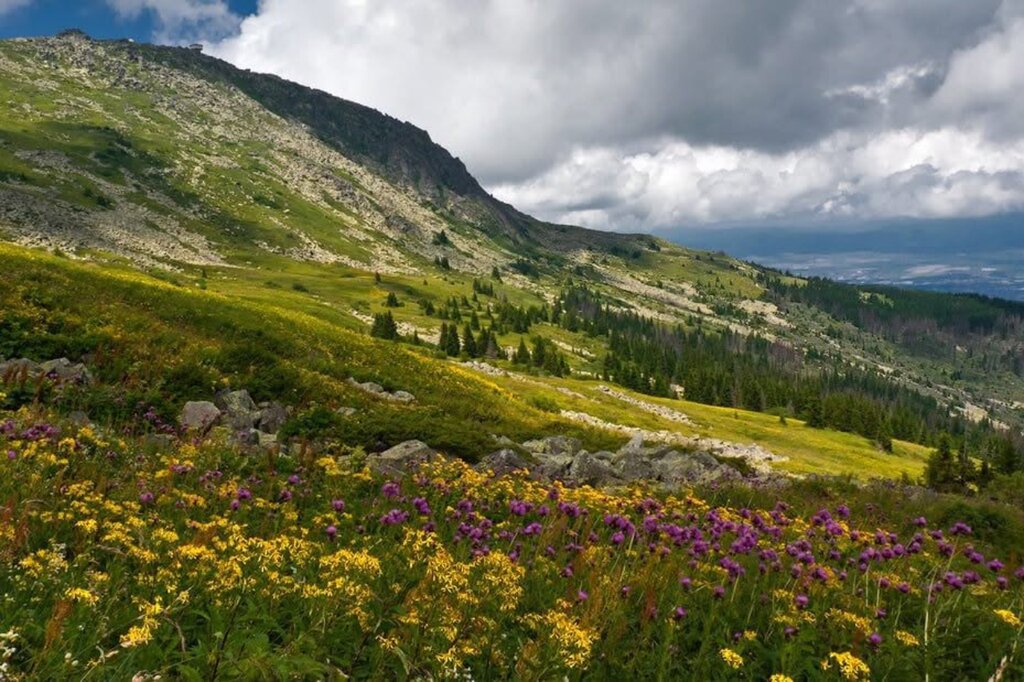
PHOTO Vitosha Nature Park
Vitosha boasts a fascinating geological history, natural phenomena, rich biodiversity, and opportunities for tourism and sports throughout all four seasons. We learn more interesting details about the mountain from Sava Popsavov, Chief Expert “Volunteers and Volunteerism Development”, and Anton Dimitrov, Tourism Specialist at the Vitosha Nature Park Directorate.
Sava Popsavov takes us back to the distant past, when the mountain was emerging with its distinctive profile:
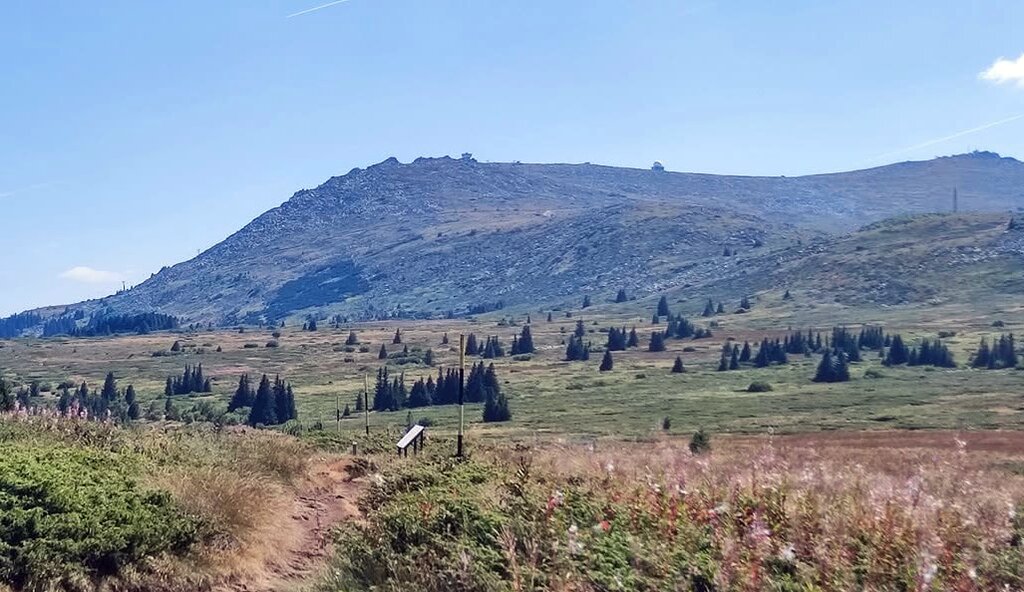
PHOTO Facebook/ Vitosha Mountain
“Vitosha took on its present-day appearance during the Quaternary. This is the last geological period, which is still ongoing today. It began more than 2.5 million years ago. Around a million years ago, Vitosha took on its present-day appearance. If we go even further back in geological history, it can be said that it emerged from a sea during the Paleozoic Era, which covered the entire Sofia region and the surrounding plains.”
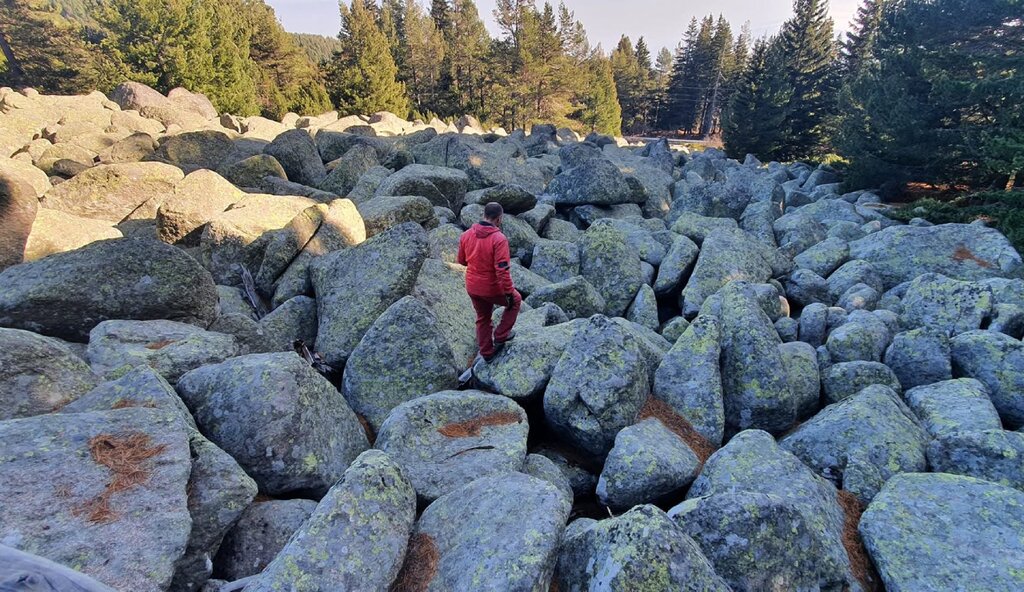
PHOTO Vitosha Nature Park
The stone rivers are among the most recognizable Vitosha landscapes.
“The stones themselves are large syenite blocks, formed as a result of spheroidal weathering under the constant effects of erosion and flowing water over immense periods of time”, explains Sava Popsavov. “The best-known stone rivers are in the valley of the Vladaiska River. A characteristic place is Zlatnite Mostove, or Golyamata Gramada, as it was formerly known-the toponym given to it by the local population. But, of course, there are also stone rivers in many other places, both on the northern and southern sides of Vitosha—along the Bistrishka and Yanchovska rivers, and at Matnitsa.”
Boyana Waterfall
PHOTO Facebook/ Vitosha Mountain
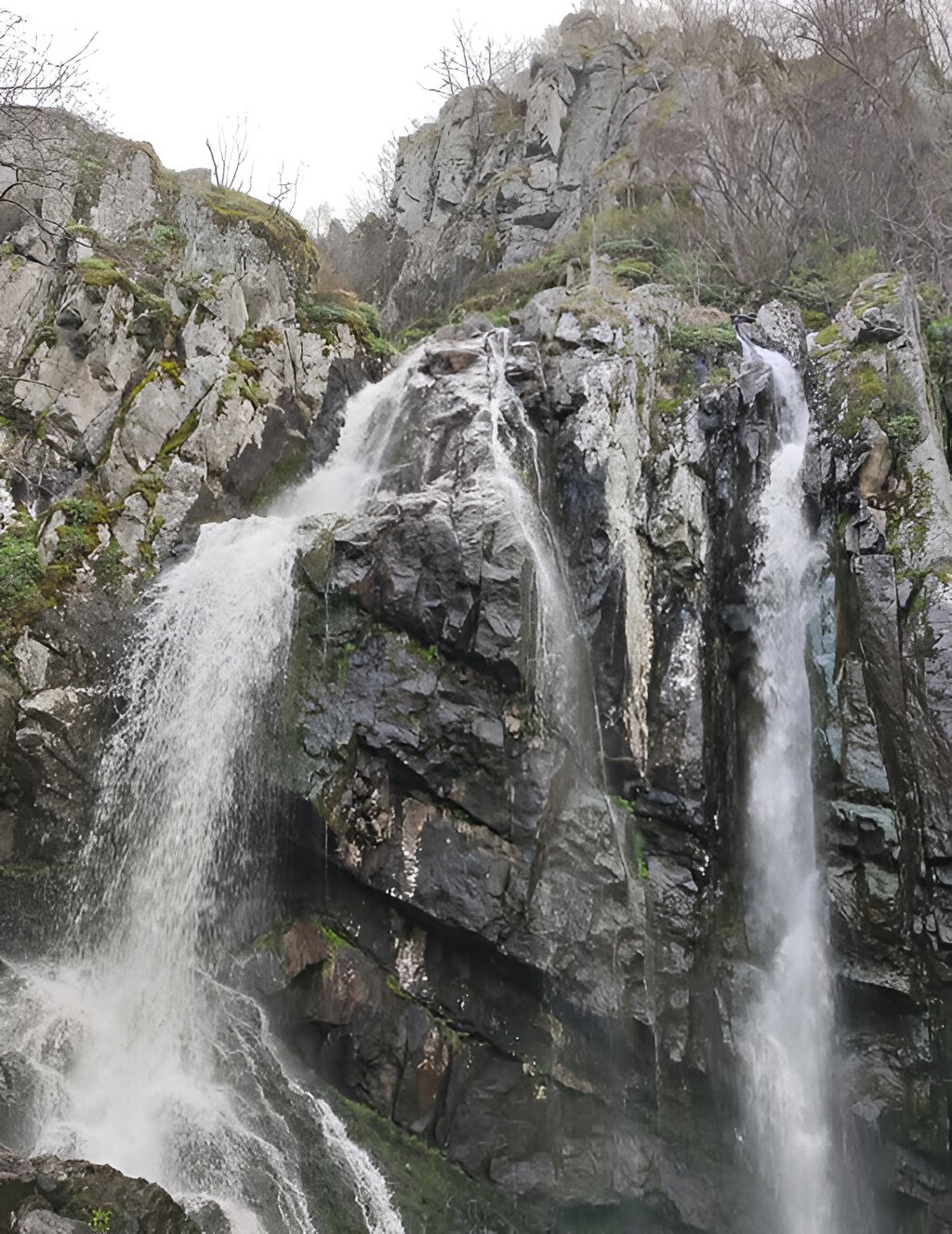
Among the most popular destinations in the mountain are also Cherni Vrah and Boyana Waterfall. For those who enjoy solitude in nature, the southeastern and southwestern slopes of Vitosha are more appealing, as they are the least visited due to their less-developed infrastructure.
Duhlata Cave
PHOTO akademic.org
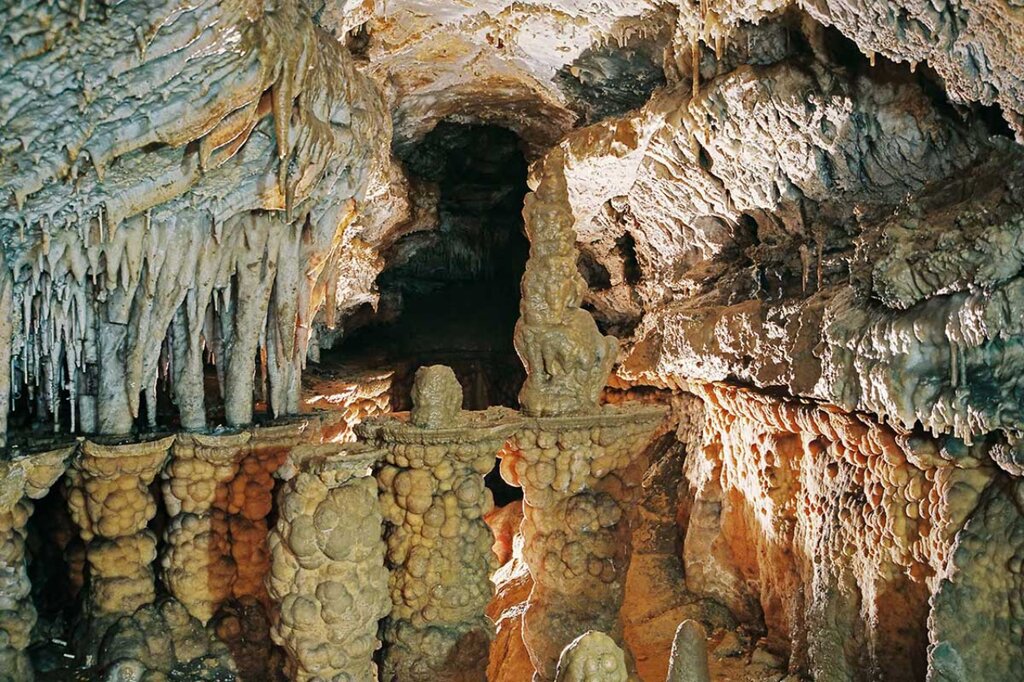
Another interesting site in the mountain is Duhlata Cave, which until recently was considered the longest cave in Bulgaria and is impressive for its rock formations. However, it is accessible only through organized visits by speleologists.
''Zhivata Voda'' karst spring
PHOTO Miglena Ivanova
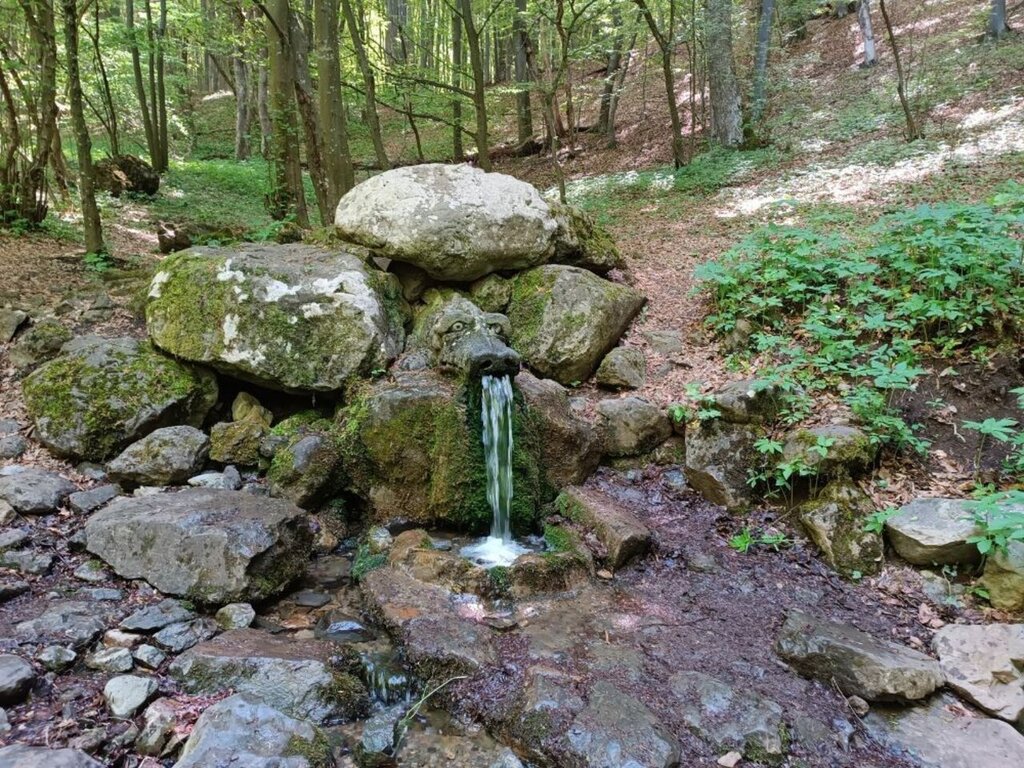
“We should also mention the karst spring ‘Zhivata Voda’ (Living Water), which is unique not only to Vitosha but to Bulgaria as well”, says Sava Popsavov:
“It is a system naturally formed as a siphon. What is specific about it is that a reservoir fills up and then gradually drains. When someone reaches the spring, they may find that water is flowing, or that there is no water at all. Once the water has drained away, some time passes before the natural catchment fills up again, so to speak. Then the water starts flowing again. There are all kinds of legends about this phenomenon. In the 17th century, the Ottoman explorer Evliya Çelebi described this phenomenon as the ‘fountain of happiness.’”
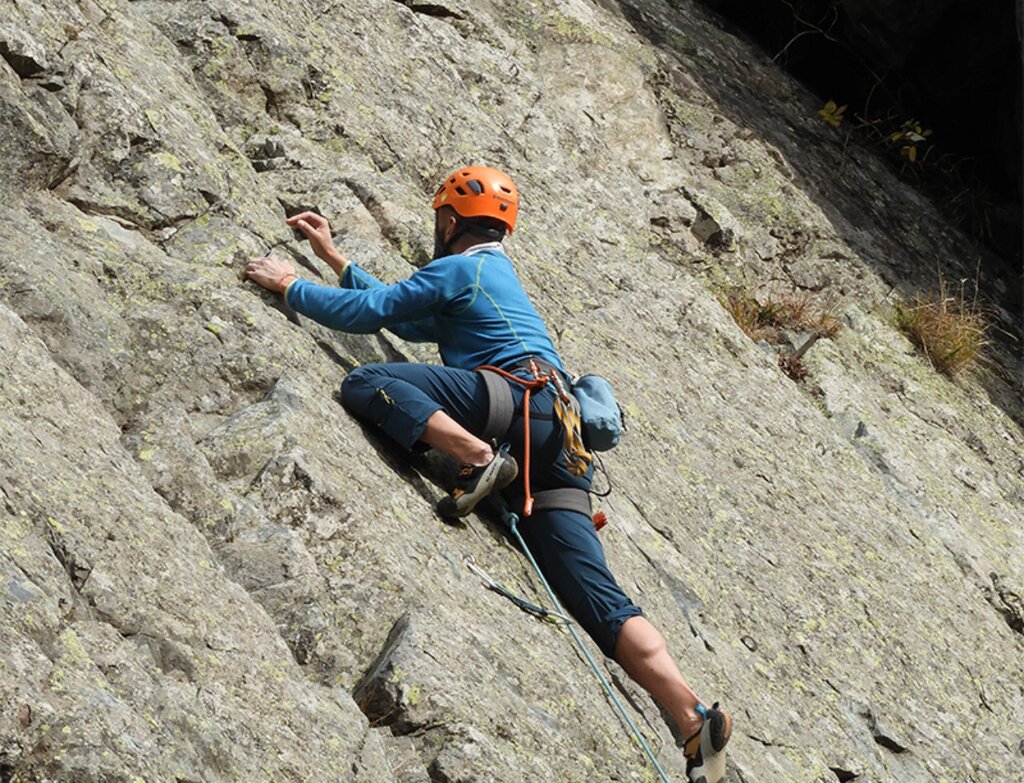
PHOTO Vitosha Nature Park
The nature park is also popular among adrenaline seekers.
“Vitosha offers much more than a classic walk,” Anton Dimitrov contends:
“Its proximity to Sofia makes Vitosha one of the most convenient places for outdoor sports throughout the year. During the warmer months, the most popular activities are mountain biking, mountain running, orienteering and rock climbing. For those who enjoy longer challenges, Vitosha hosts the iconic Vitosha 100 mountain marathon and cycling race. The mountain also offers opportunities for paragliding. In winter, it attracts skiing and snowboarding enthusiasts, and, when conditions permit, ski touring and other forms of winter mountain tourism.”
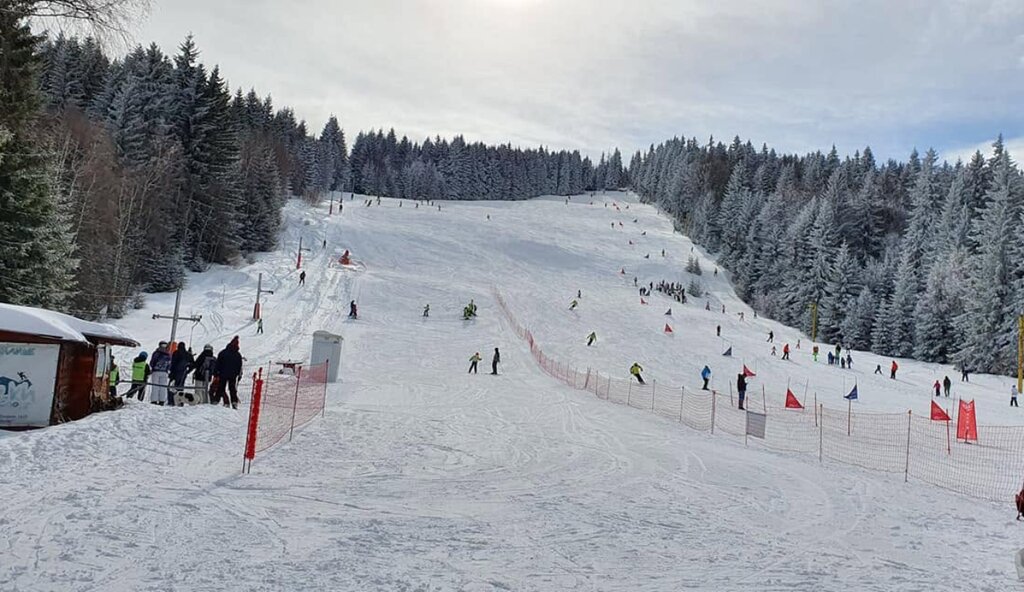
PHOTO Vitosha Nature Park
But the more accessible and popular a protected natural area is, the more important the question of its protection becomes. What role do the Vitosha Nature Park Directorate and the tourism community play in preserving its nature and biodiversity? Sava Popsavov has more:
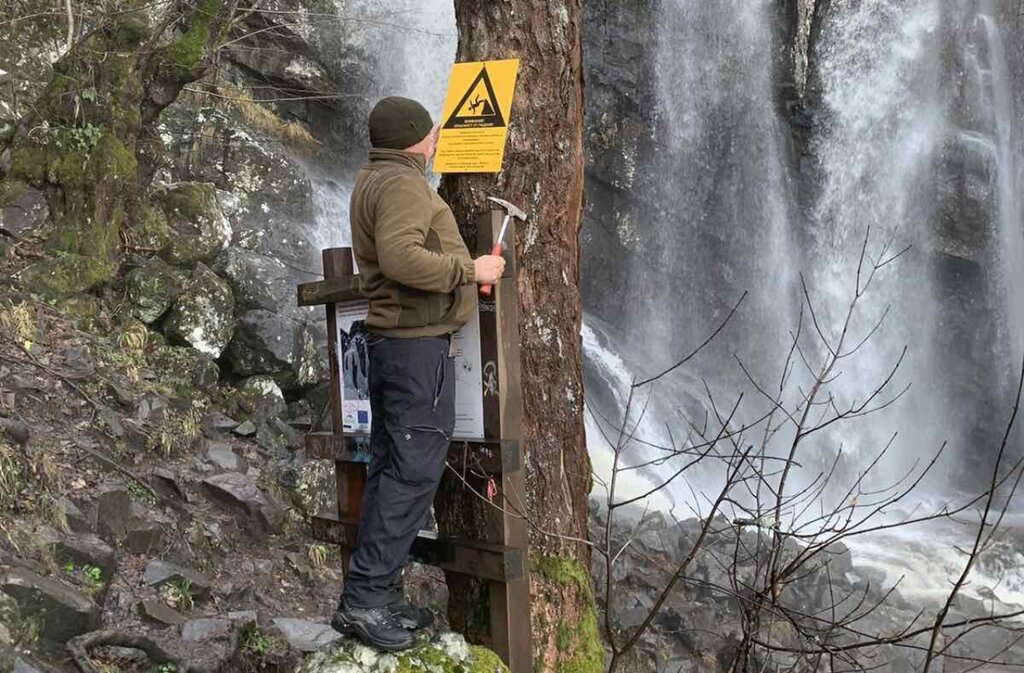
PHOTO Vitosha Nature Park
“Vitosha Nature Park Directorate has been working on various projects for more than 10–15 years to restore and maintain biodiversity, park infrastructure and tourist trail markings. In addition to ensuring the safety of park visitors, these markings also help us preserve nature. We urge visitors to follow the marked trails and refrain from off-road driving or other similar activities that cause erosion, destroy valuable plant species and disturb wildlife.”
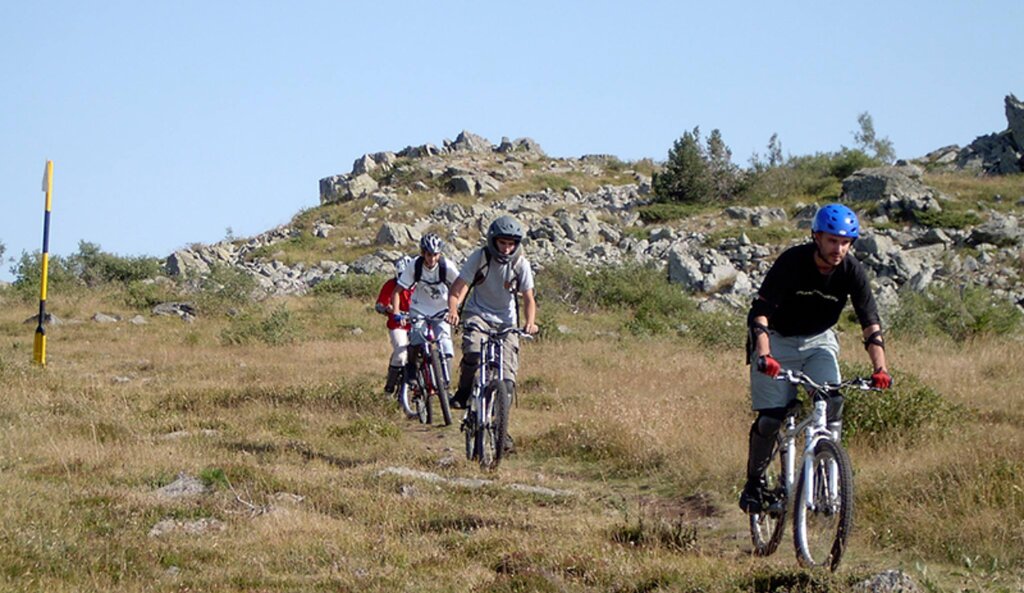
PHOTO Vitosha Nature Park
Besides mass tourism, another serious challenge is climate change. How is it affecting Vitosha, and are there already consequences that tourists can see with their own eyes?
“The snow cover definitely lasts for a much shorter period, and its boundary is much higher. There is also a shady spot known for its distinctive snowdrift, which is also the name of the locality- ‘Priaspata’ (between the Golyam and Malak Rezen peaks). There were many years when the snow lasted into the new season, and if it did not, it could at least be seen from Sofia until the end of August. Now, however, this snow has already melted by around late May or early June. Drying-up is also being observed at water catchments, as well as the drying of certain tree species. Mountain biking is replacing skiing as the mass sport. The main reason is that winters are no longer what they used to be”, concludes Sava Popsavov.
Read also:
- Vitoshko Lale bike route - a new challenge for mountain bikers
Borisova Garden - a favourite chill-out spot of Sofia residents
Autumn in Sofia through the eyes of two young men from France
Translated by Kostadin Atanasov
This publication was created by: Kostadin Atanasov