Author
Vessela Krasteva
Article
Bulgarian Pavilion at Venice Biennale is presented simultaneously in Norway
Bulgaria makes art history at the Italian forum as “Federation of Minor Practices” travels to a third country for the first time
Friday 9 October 2026 11:20
Friday, 9 October 2026, 11:20

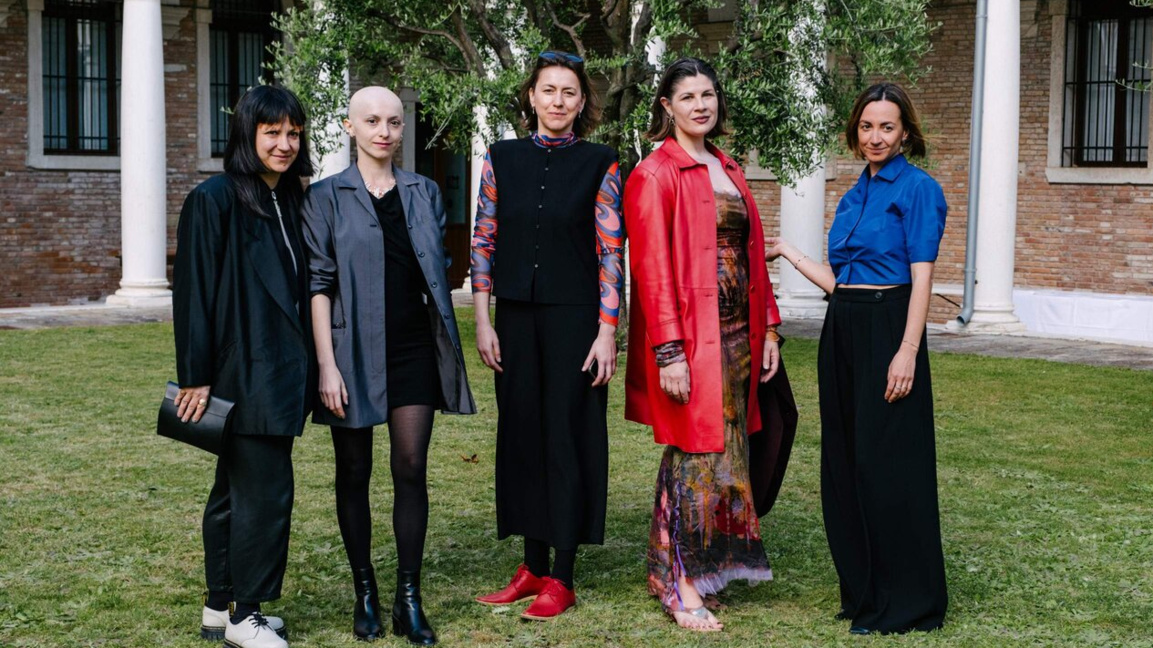
PHOTO bulgarianpavilionvenice.art
Font size
Bulgaria’s participation in the 61st Venice Biennale is making its mark on the history of contemporary art, both in Bulgaria and at the prestigious international event itself. For the first time, a project occupying a national pavilion at the Biennale is being presented abroad, outside Italy, in a parallel exhibition that preserves the conceptual integrity of the original.
From 6 to 20 October 2026, Federation of Minor Practices, a project by Bulgarian artists Veneta Androva, Gery Georgieva, Maria Nalbantova and Rayna Teneva, curated by Martina Yordanova and commissioned by Desislava Dimova, is on display at the NOUA cultural venue in Bodø, Norway. The exhibition is part of Arts of Democracy, a new cultural and civic programme exploring the relationship between art, freedom of expression and democracy.
“This is an initiative conceived as a festival week of accompanying events, continuing the legacy of Bodø’s tenure as European Capital of Culture in 2024,” Martina Yordanova told Radio Bulgaria.
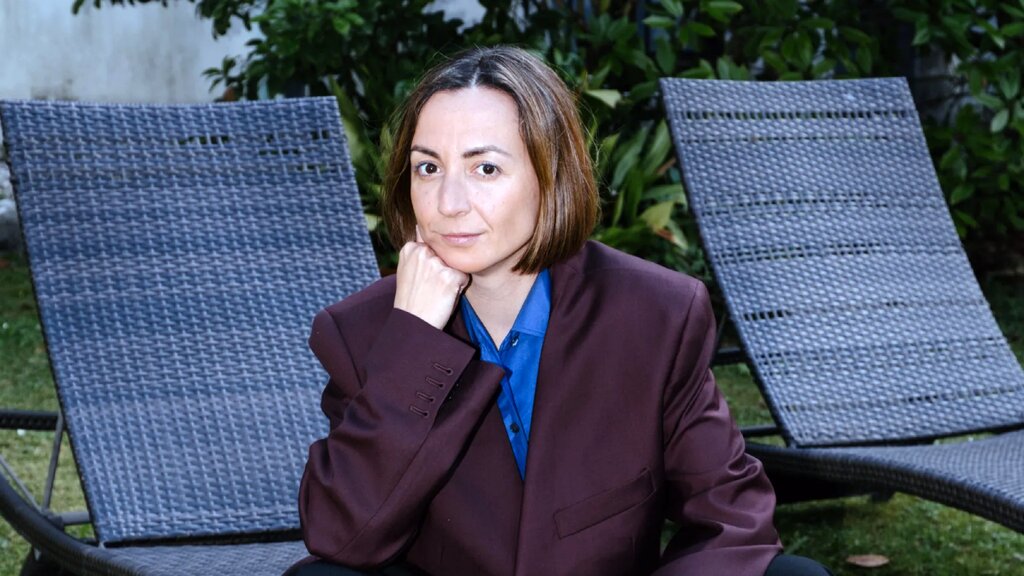
Martina Yordanova
PHOTO Mihail Novakov
The curator, together with two of the artists, Veneta Androva and Maria Nalbantova, attended the opening in Norway on 6 October. The Bulgarian Pavilion is the only official exhibition featured in the Arts of Democracy programme.
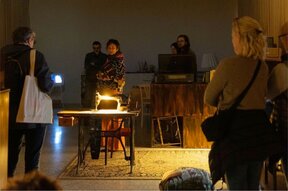
“Beyond the Arctic Circle, we are presenting a reconstruction of our pavilion, as the original exhibition will remain in Venice until 22 November. In Norway, we are showing the four films by the artists featured in the main exhibition: Spray and Pray, UWU Channel Radiance, Swamp Song and Geography Is Destiny. They are projected on a large screen, just as they are at the Biennale.
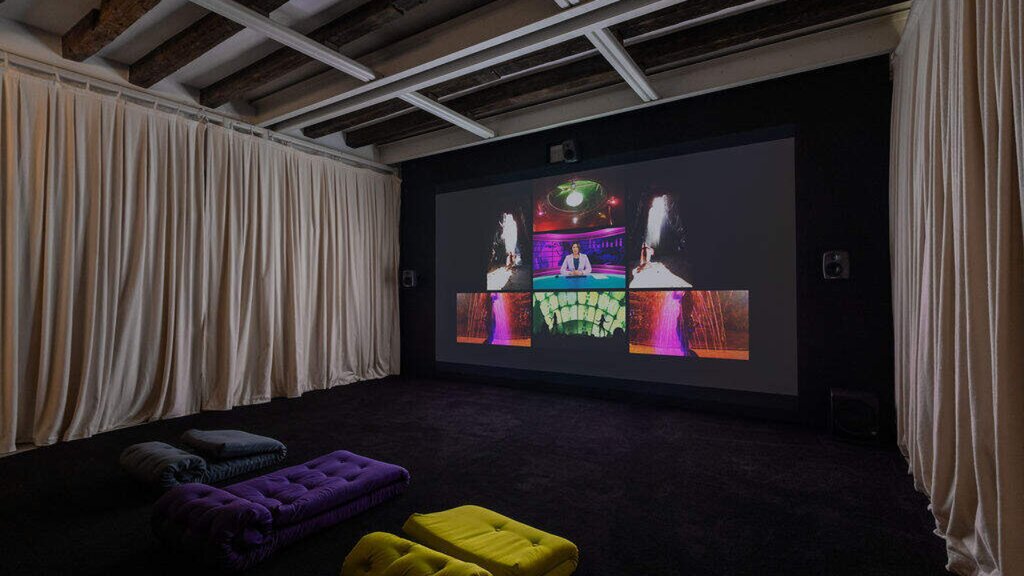
PHOTO Bulgarian Pavillion at the 61st Venice Biennale
The other interactive element, created jointly by the artists, is the video game Kazana, presented here on a smaller scale.
“The conceptual framework of Bulgaria’s pavilion in Venice this year moves between the past, the present and the future. What we are showing in Norway is a reconstruction that brings together the project’s key elements, the pavilion’s central message and the themes that intersect throughout the exhibition,” Martina Yordanova explains.
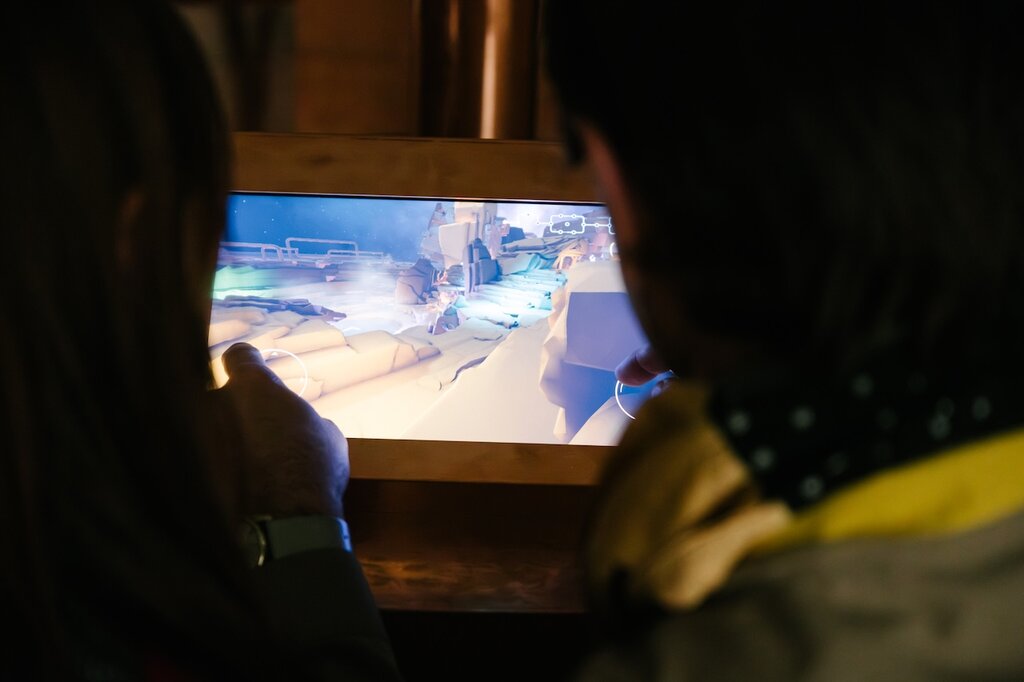
PHOTO Mihail Novakov
Presenting the Bulgarian project in a third country is particularly important for its continued artistic life and its encounter with an even wider international audience. Most national pavilion projects in Venice effectively disappear once the Biennale ends, or are rarely exhibited again in their entirety. The themes explored by the Bulgarian artists, including disinformation and collective care, are especially relevant to the programme in Norway.
It is no coincidence that negotiations for the Bulgarian artists’ participation began as early as March 2025, before the official opening of the Venice Biennale. The invitation came from another Bulgarian curator, Svetlana Kuyumdzhieva.
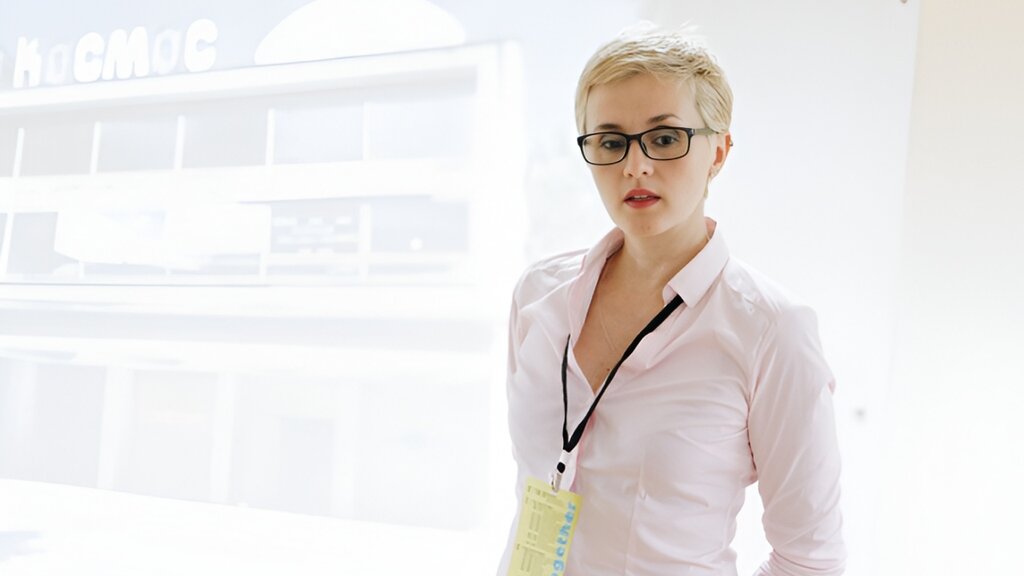
Svetlana Kuyumdzhieva
PHOTO openartfiles.bg
“She has been working with the Bodø European Capital of Culture 2024 initiative for several years and served as an adviser to its team. As you may know, Svetlana Kuyumdzhieva was the artistic director of Plovdiv European Capital of Culture 2019 and also chaired the jury that selected our project to represent Bulgaria at this year’s Venice Biennale.
“When the Norwegian organisers settled on the theme Arts of Democracy, they asked her whether there were Bulgarian artists and projects that would fit this cultural context. Kuyumdzhieva recommended Federation of Minor Practices.
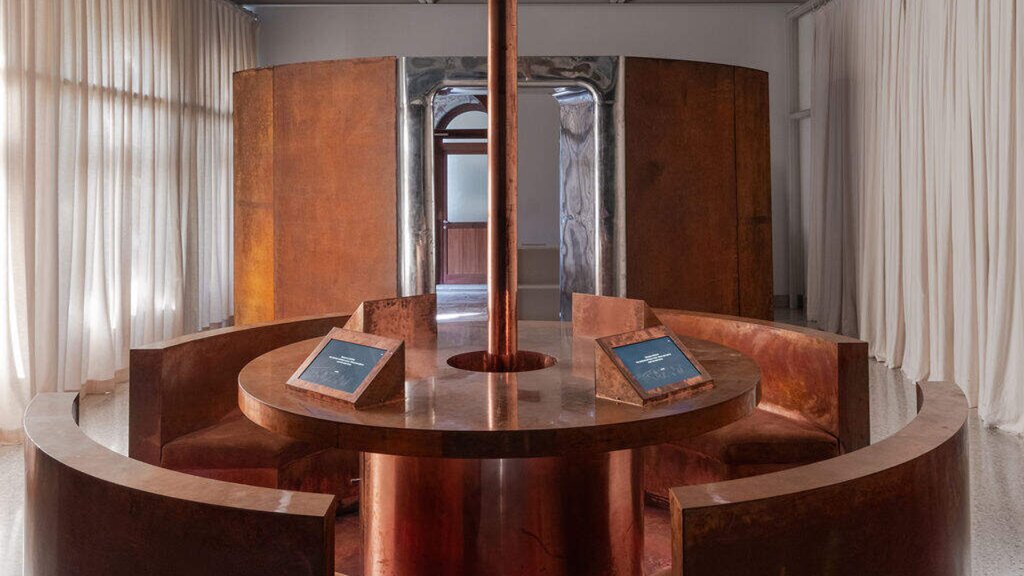
PHOTO Bulgarian Pavillion at the 61st Venice Biennale
“Protracted negotiations followed. The organisers travelled to Italy specifically to assess whether our pavilion could be presented in Norway, and if so, how. We invested considerable effort in making this possible.
There is also an interesting detail worth mentioning. The table on which visitors play the game Kazana is made of copper. Near Panagyurishte in Bulgaria lies the largest copper mine on the Balkan Peninsula. Here, too, just 30 kilometres from Bodø, there is a copper mine, and the table used in the Norwegian presentation of the project has been made locally from the same material.
Copper is fundamental to the ways we communicate with one another in the modern world. All our technologies are deeply connected to this metal, and communication through them would be impossible without it. Yet copper is also a material of antiquity. In this way, layers of the past, present and future come together in the exhibition, providing a context for our shared experience through art", says Martina Yordanova.
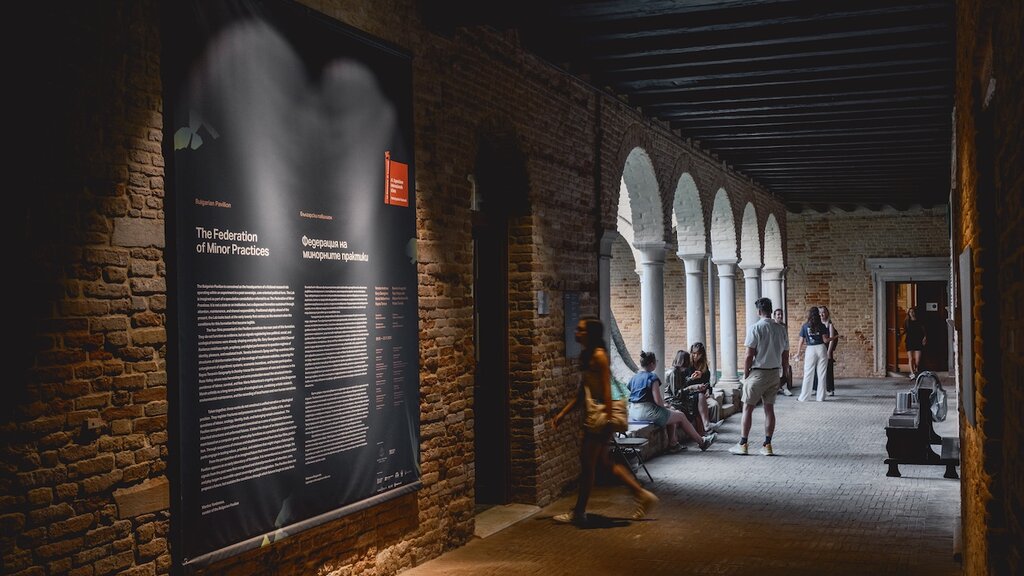
PHOTO Mihail Novakov
Growing interest in Bulgaria’s pavilion at the 61st Venice Biennale
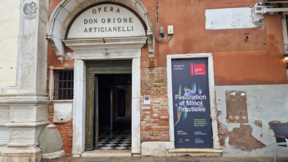
This is Bulgaria’s 12th participation in the prestigious art event, and the response so far has been overwhelmingly positive, Martina Yordanova told Radio Bulgaria. More than 30,000 people have visited the Bulgarian Pavilion in the Sala Tiziano at the Don Orione Artigianelli Cultural Centre, which, she says, is evidence of considerable public interest.
“Bulgaria’s participation has received extensive coverage, not only in the Bulgarian media but also internationally. I would like to stress that this is no easy feat, given the enormous competition. There are 99 national pavilions, including those of countries with a strong and long-established presence at the Biennale,” the curator notes.
Looking back at the history of the event, which dates back to 1895, Bulgaria first participated in 1910, when it was one of only four foreign countries represented. For political and economic reasons, that remained the country’s sole participation until 1942. Bulgaria subsequently took part in 1948, 1964, 1993, 1999, 2007, 2011 and 2019.
In 2022, Bulgaria was represented by Here You Are, a project by Mihail Mihaylov curated by Irina Batkova. In 2024, The Neighbours, by Lilia Topouzova, Krasimira Butseva and Julian Chehirian, gave voice to the victims of political repression.
This year, the all-female team behind Federation of Minor Practices has created an imaginary research laboratory exploring possible forms of political imagination grounded in care and collectivity. The project comprises four films addressing digital identity, disinformation, the relationship between labour and violence, and care for the natural environment. They are linked through an interactive environment designed as a computer game, in which visitors become active participants.
The exhibition is shaped by the theme of this year’s Biennale, In Minor Keys, conceived by its curator, Koyo Kouoh.
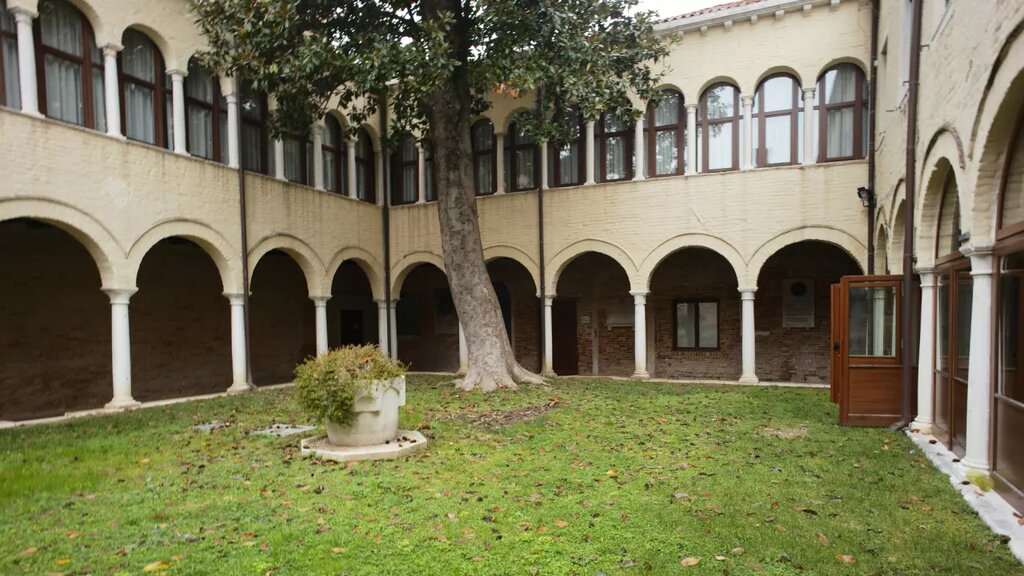
Tizian Hall
PHOTO bulgarianpavilionvenice.art
On 8 October, the Bulgarian Pavilion team met the public for the last time in the exhibition space before the Biennale closes on 22 November.
The following week, on 14 October, the entire team will meet Bulgarian audiences for the first time. The event will take place at 2:30 p.m. in the Conference Hall of Sofia University’s Cultural Centre in Sofia. Desislava Dimova and Martina Yordanova will introduce the pavilion, after which each artist will discuss her work.
The meeting will conclude with an open discussion moderated by Daniel Nenchev, Bulgarian National Radio journalist and head of the public broadcaster’s Strategic Development Department. Art historians Vesela Nozharova and Snezhana Kresteva will also take part. Admission is free.
Read also:
Bulgarian pavilion opens at the 61st Venice Biennale
Photos: Mihail Novakov, Bulgarian Pavillion at the 61st Venice Biennale
English version: R. Petkova
This publication was created by: Rositsa Petkova