


Author
Gergana Mancheva
News
Euro introduced smoothly in Bulgaria, citizens struggle with rising prices
Tuesday 13 October 2026 13:28
Tuesday, 13 October 2026, 13:28
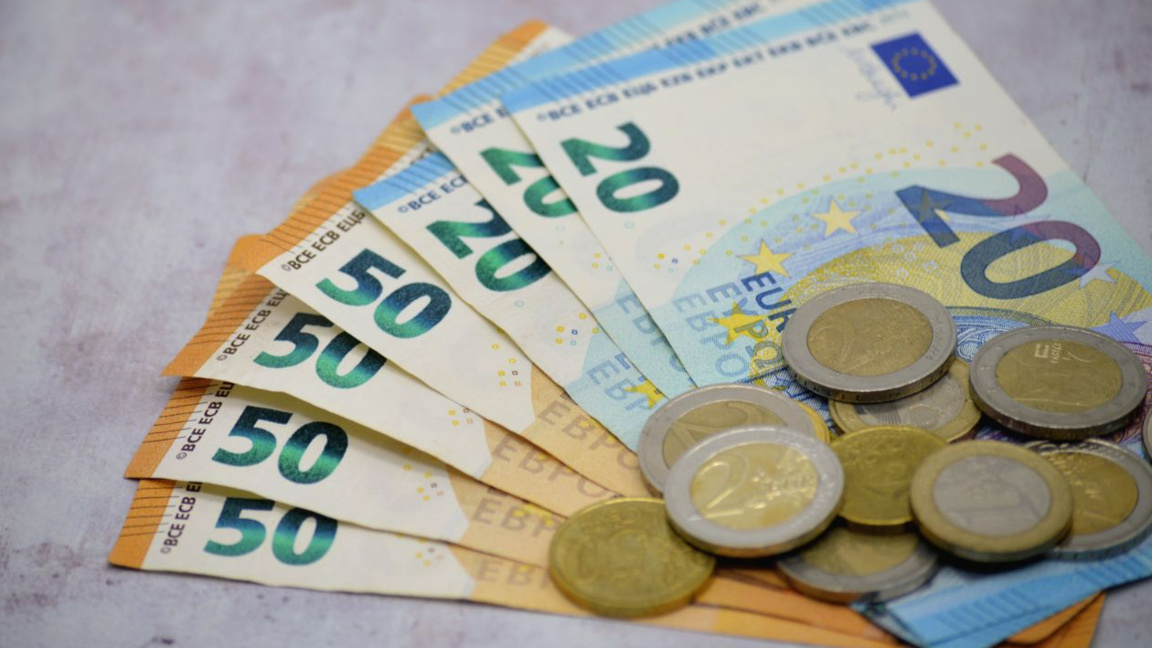
PHOTO Pixabay
Font size
Bulgaria joined the eurozone on 1 January 2026, and the technical transition from the lev to the euro was considered smooth and free of disruption. ''Payments continued without interruption, accounts were converted, sufficient cash was made available, and customers received the necessary service. The process was completed without any systemic disruptions. We have every reason to be satisfied, but not complacent'', Bulgarian National Bank Governor Dimitar Radev said.
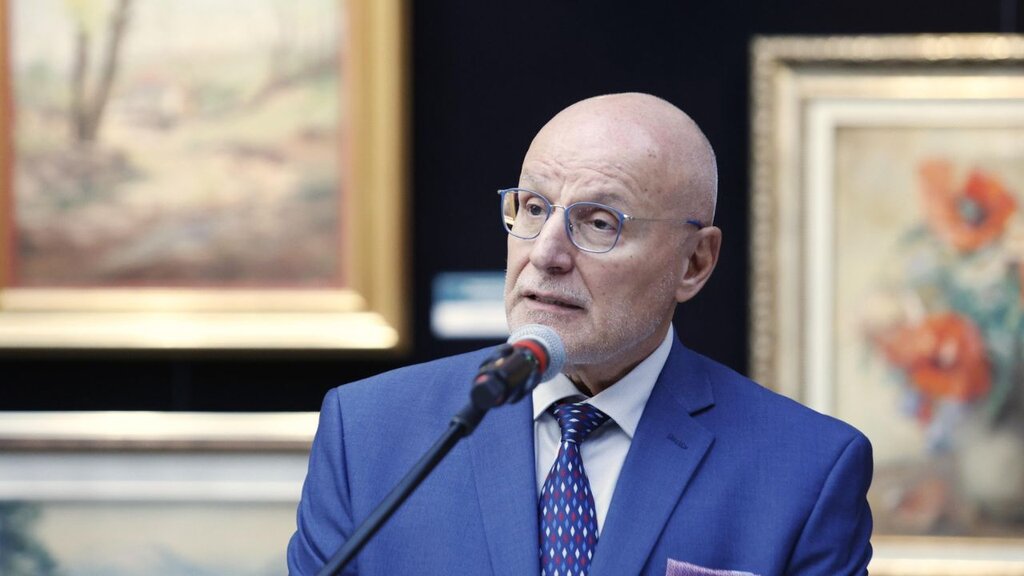
BNB Governor Dimitar Radev
PHOTO BGNES
Public opinion, however, is more divided. It has been 10 months since we started paying with euro banknotes, and we have almost forgotten the lev-to-euro exchange rate, which was nearly 2:1. Most people say their incomes, now denominated in euros, are proving even less sufficient, forcing them to cut back on everyday spending. Rents and property prices have seen the steepest increases, alongside the cost of services and fuel. Inflation in August 2026 stood at 4.5% compared with the same month last year.

PHOTO Pexels
''We are once again witnessing an external price shock linked to geopolitical tensions and instability in energy markets'', said Bulgarian National Bank Governor Dimitar Radev, comparing the current situation with the inflation peak in 2022, when Bulgaria’s annual inflation rate reached 15.6% in certain months. Inflation in Bulgaria is now significantly lower than in 2022, but remains above the eurozone average of 3%.
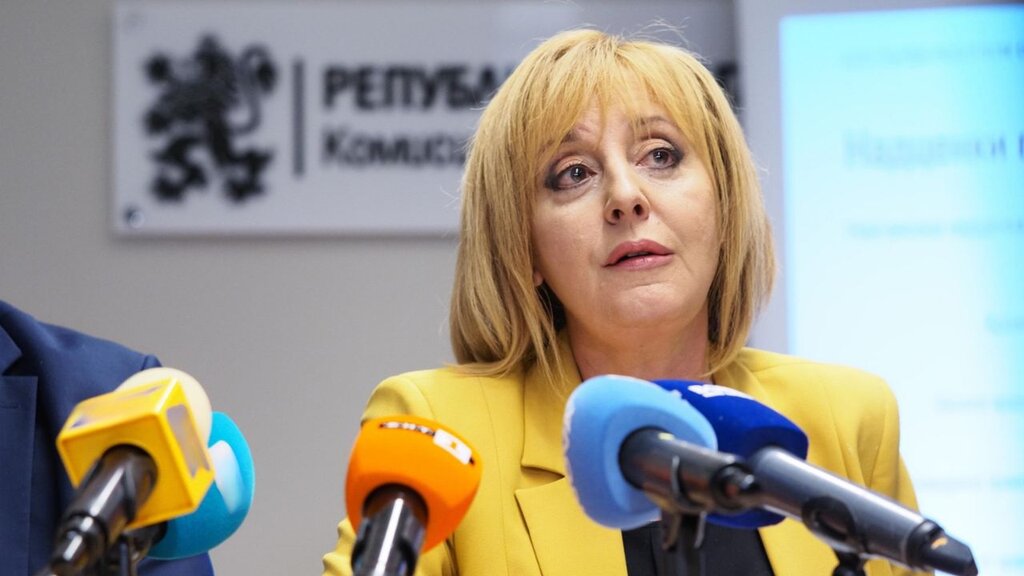
Maya Manolova
PHOTO BGNES
Consumers, however, insist that since Bulgaria joined the eurozone, the prices of many goods and services have almost doubled. These observations were also backed by Maya Manolova, Chairperson of the Commission for Consumer Protection, who announced the results of inspections carried out at major retail chains in Bulgaria. Markups on a number of food products at major retail chains exceed 100%, with those on some dairy products reaching more than 140%, Manolova said. According to her, markups of 100% or more have accumulated over the past year, during the period immediately before and throughout the introduction of the euro.
To what extent has the introduction of the euro in Bulgaria contributed to inflation in the country?
According to economist Rumen Galabinov, the euro is likely to account for only a small part of the price increases. This was mainly due to rounding the exchange rate that had been set. Most businesses applied the official exchange rate correctly, but some rounded prices as if one euro were worth two leva. There were also speculators who decided they could simply sell their goods at double the price, which also contributed to inflation”, the analyst told Radio Bulgaria.
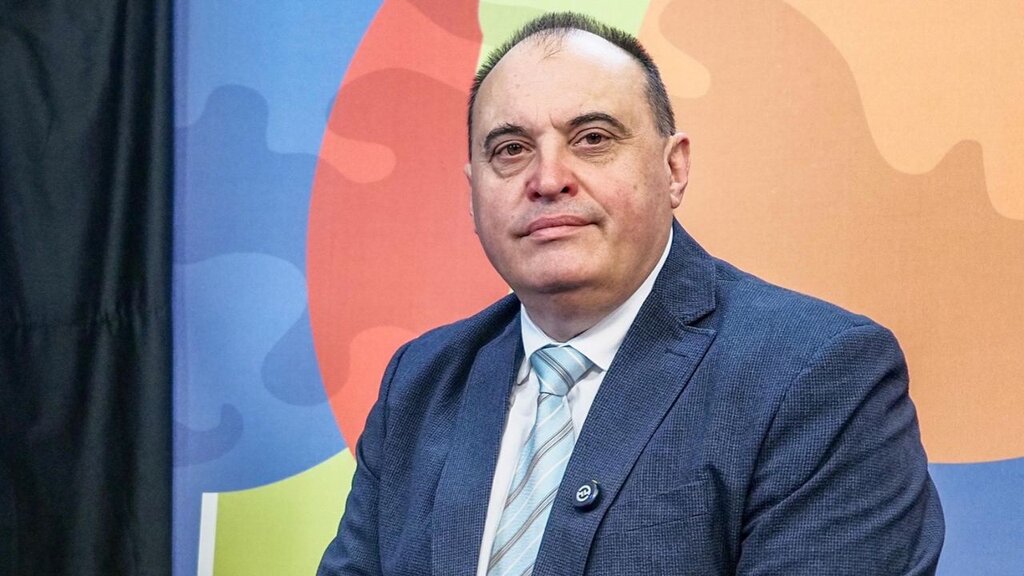
Rumen Galabinov
PHOTO BGNES
“A meeting of the European Stability Mechanism was held in Sofia, where it was noted that Bulgaria had successfully adopted the euro on 1 January 2026, that payments and currency exchange had proceeded smoothly, and that only a small part of inflation was attributable to the adoption of the new currency. Of course, the government should have intervened more decisively through the regulatory authorities’ monitoring and supervisory powers, and there is probably still room for improvement in this regard. Meanwhile, the International Monetary Fund forecasts average annual inflation of 3.8% in Bulgaria. This suggests that inflation could ease by the end of the year. We could probably achieve an average annual inflation rate close to 4%.”

PHOTO Pexels
“More importantly, however, our economy is performing well”, Rumen Galabinov adds, referring to IMF projections that Bulgaria could surpass Greece in GDP per capita by 2028. In 2026, Bulgaria has already outpaced several other Balkan economies in terms of economic growth, including Montenegro, Serbia, North Macedonia, Albania, Bosnia and Herzegovina and Kosovo.
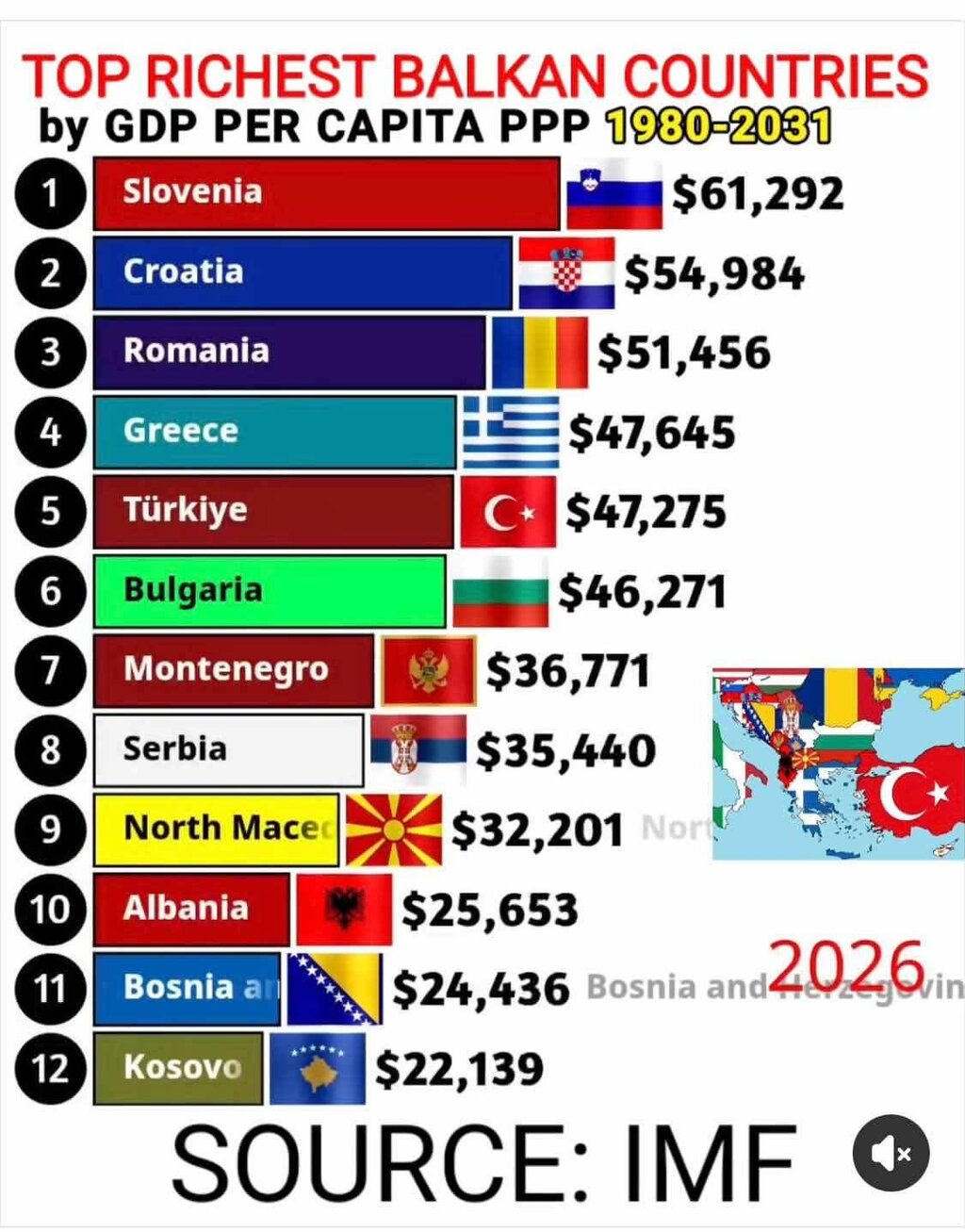
PHOTO Courtesy of Rumen Galabinov
Economist Rumen Galabinov expects another increase in incomes. He forecasts that the minimum wage will likely rise by around 8% in 2027, from its current gross monthly level of EUR 620.20. “That would mean an increase of about EUR 50”, he says. According to him, however, one of the main reasons for high inflation in the country is the rise in fuel prices, particularly petrol and diesel. ''Diesel is the most widely used fuel in Bulgaria. In addition to freight transport, a large proportion of private cars in the country also run on diesel'', Galabinov notes.

PHOTO BGNES
''Over the past two to three months, rising fuel prices have also driven up prices across the entire value chain. The government should have acted earlier to address high fuel prices. Possible measures include cutting fuel excise duties, temporarily reducing VAT on fuel, or offering state-funded discounts to people filling up their private cars.
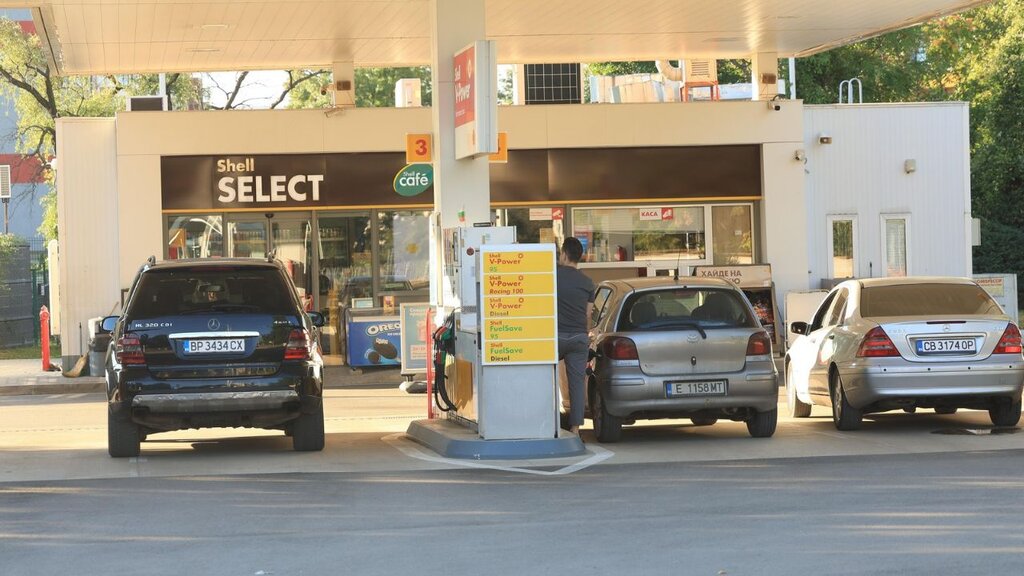
PHOTO BGNES
We will see whether the recently introduced EUR 50 assistance payment for people in need will have the desired effect. In my view, the government should continue with a broader support programme to help people cope with rising prices'', said Rumen Galabinov.
Besides fuel prices, there is another issue that should be on the government’s agenda: reducing the size of the shadow economy. Bulgaria has considerable untapped potential to collect more tax and social security revenue, economist Rumen Galabinov pointed out in an interview with Radio Bulgaria.
Translated by Kostadin Atanasov
This publication was created by: Kostadin Atanasov