


Author
Tsvetana Toncheva
News
Mandolin orchestras: A 120-year cultural tradition in Bulgaria’s capital
Sunday 18 October 2026 09:00
Sunday, 18 October 2026, 09:00
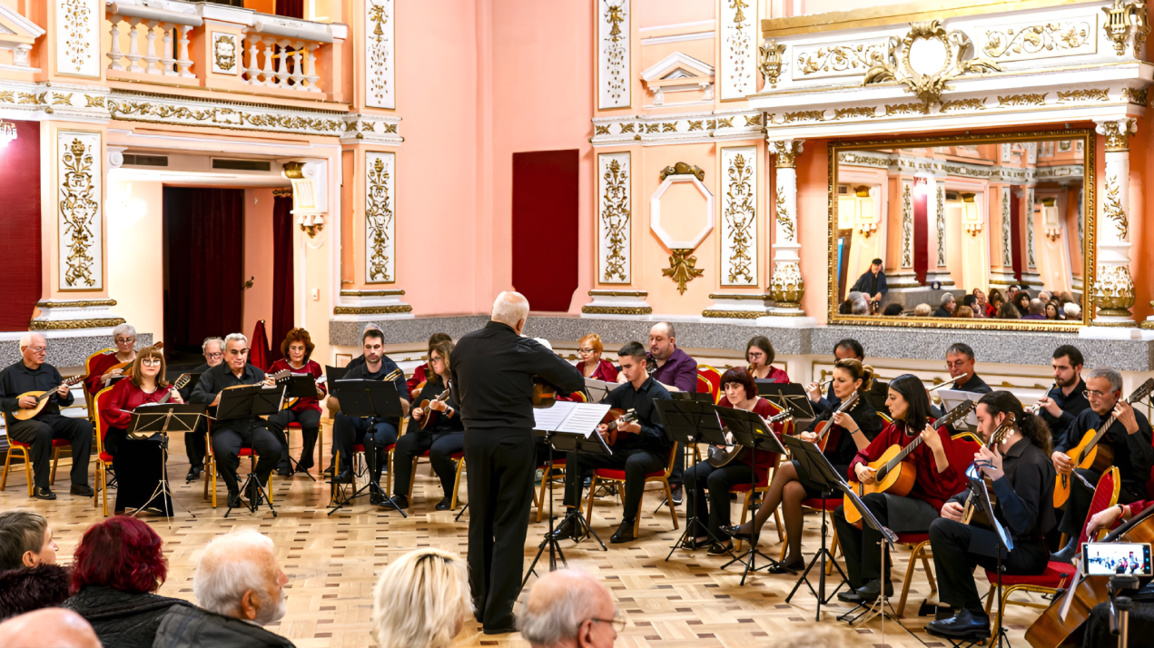
PHOTO Facebook/ Mandolin ensembles conducted by Plamen Maslev
Font size
The mandolin- an almond shaped music instrument that replaces the bow’s warm tones with the sparkling plucks of a plectrum- originated in Renaissance Italy, where it was already the most beloved folk instrument in the 16th century. By the late 19th and early 20th centuries, it had gained enormous popularity worldwide.
In Bulgaria, the tradition of mandolin orchestras dates back more than a century. The instrument was introduced to Bulgarian lands as early as the mid-19th century, and the first ensembles emerged towards the end of that century. The first mandolin orchestra in the capital city was founded in 1906, and the first mandolin textbook was published in 1907.
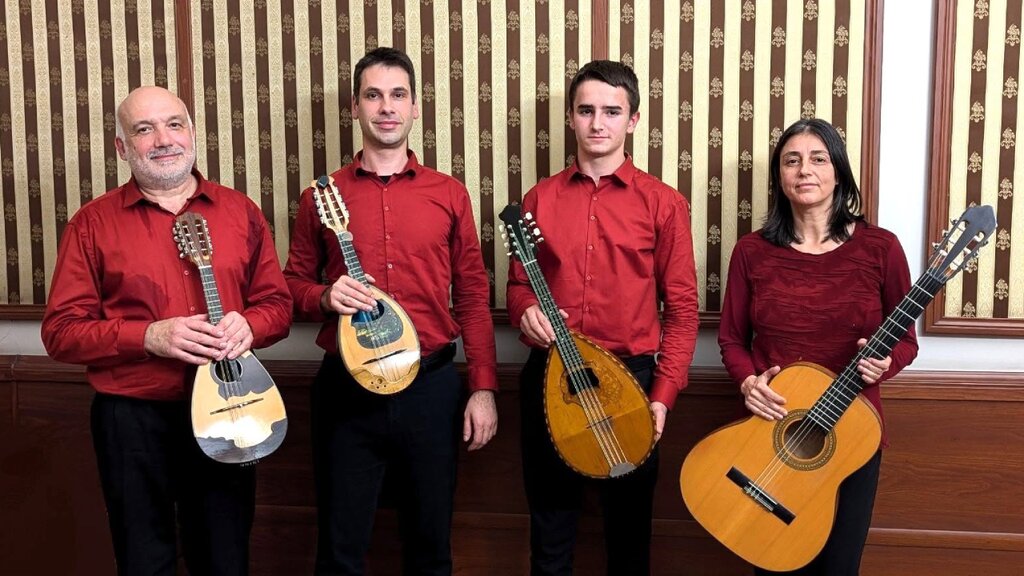
PHOTO Facebook/ Golden Strings Quartet
In October 2026, Culture Centre Struni is organizing a series of events to mark the 120th anniversary of Sofia’s first mandolin ensemble. The project includes the publication of a monograph by Lora Nedyalkova, a lecture by conductor, mandolinist and luthier Plamen Maslev, and a series of concerts.
The celebrations will culminate in a concert by the Prima Visione Orchestra at Sofia’s Central Military Club on 24 October.
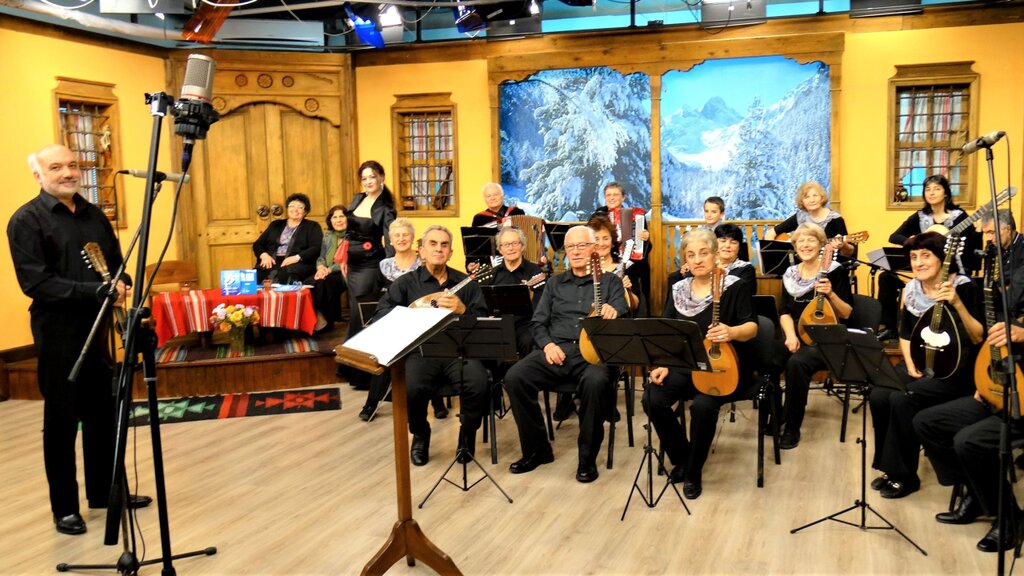
Prima Visione Orchestra
PHOTO Facebook/ Iskra – 1964 Community Cultural Centre in Sofia
In an interview with Radio Bulgaria, Lora Nedyalkova, author of the monograph 120 Years of Mandolin Orchestras in Sofia, said that preparations for the anniversary and research into the history of the ensembles began as early as 2020. Information available in periodicals and books is scarce, so she has also conducted interviews with people who were directly involved in the ensembles.
“Many members of our Prima Visione Orchestra are quite elderly. As children, they began playing in some of the earlier mandolin orchestras. Thanks to them, we were able to gather a wealth of material. I continued collecting information over the years. Interestingly, some orchestras are known to us only through the people who took part in them. For instance, the father of the renowned tenor Boyko Tsvetanov played in a mandolin orchestra affiliated with TABSO. (TABSO was a Bulgarian airline that operated from 1948 to 1968 and was the predecessor of Balkan Airlines — author’s note.)
There were other orchestras that we learned about exclusively through these interviews. When I began compiling and organising the material, I suddenly realized how much information I had accumulated. As I started putting it all together, it grew into a book. We will publish the full version, because there is no time to lose — this information is being lost.”
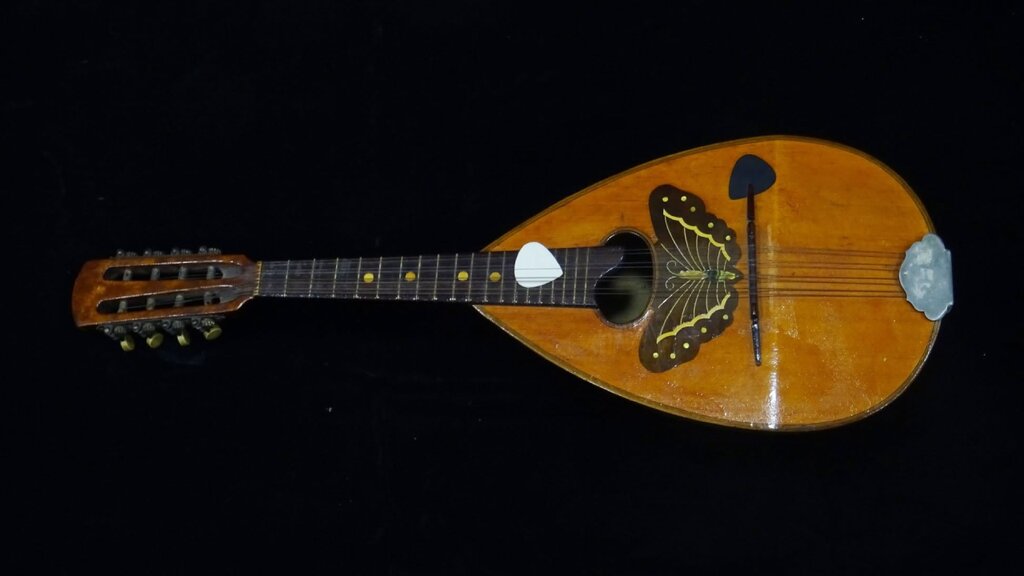
PHOTO National Polytechnic Museum
Lora Nedyalkova recounts how Atanas Kovachev, born in Plovdiv in 1882, moved to Sofia at the beginning of the 20th century to study. Unable to finish secondary school due to financial difficulties, he began working as a printer. However, when the Sofia School of Music officially opened in 1905, he enrolled there.
Several sources now cite 1906 as the year the first mandolin orchestra was founded, with Kovachev as its conductor. In 1908, he left for Odesa to continue his musical education. After graduating and qualifying as a bandmaster, he returned to Sofia and spent several months conducting the local tambura orchestra in 1911. The Balkan Wars then broke out, and he left for the front.
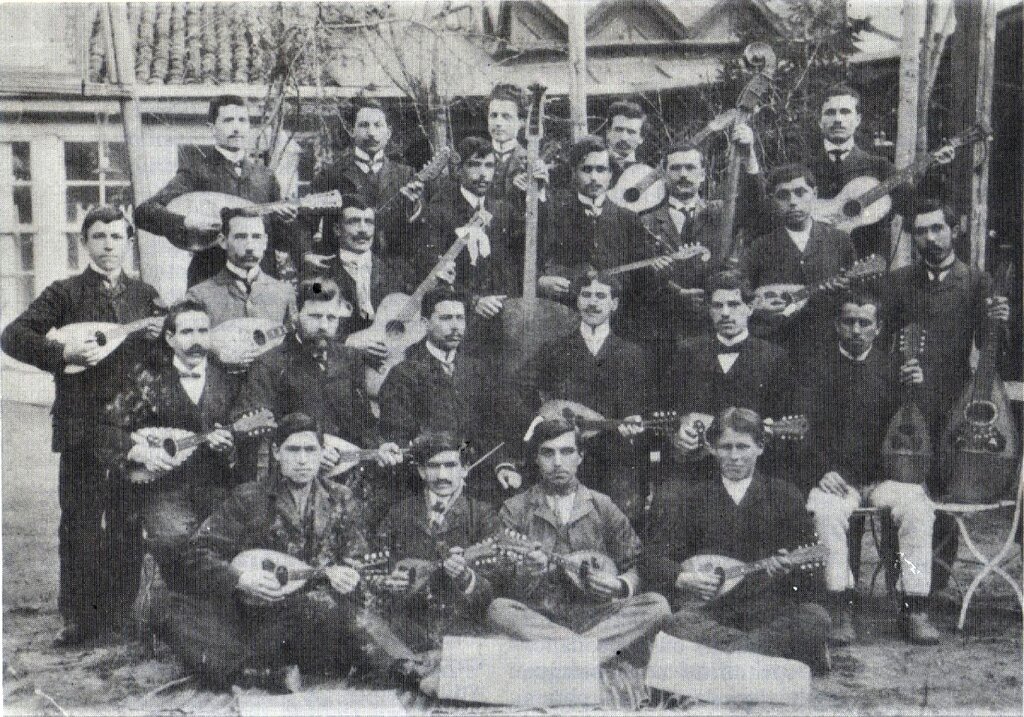
PHOTO archive
The mandolin ensembles established in Sofia in later years were short-lived. In the 1930s and 1940s, the Sofia Mandolin Quartet regularly delighted listeners with live performances broadcast on Radio Sofia.
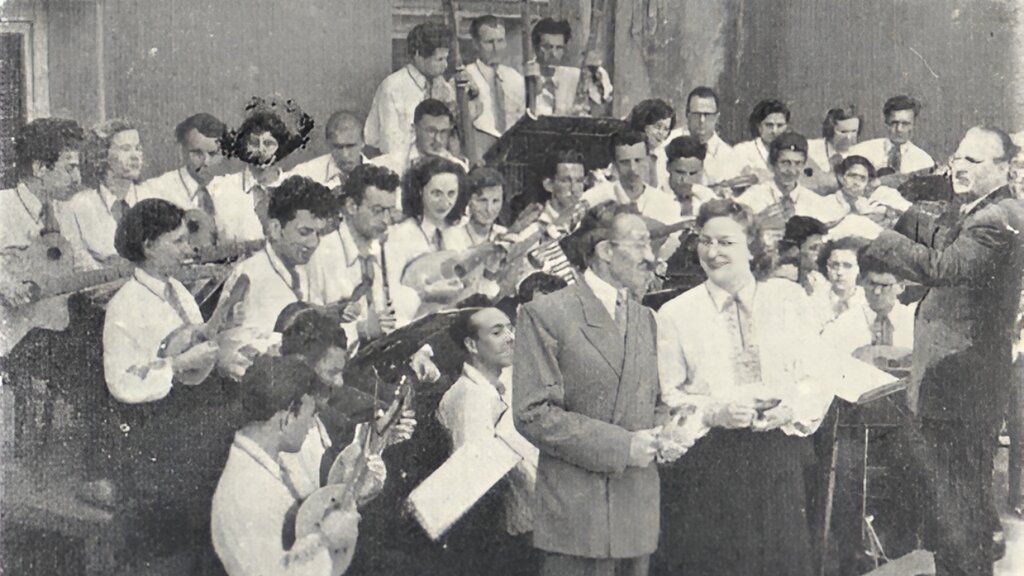
PHOTO Facebook/ Iskra – 1964 Community Cultural Centre in Sofia
The largest mandolin orchestra in the capital was based at the Trade Union House of Culture, whose membership grew to more than 70 over the years. It was founded in 1940 by Assen Arsov, who conducted it until 1985. The orchestra played an active role in Bulgaria’s cultural life, performing at national festivals and competitions and touring abroad. In the 1970s, it won gold medals at competitions in the Netherlands and West Germany.
Several other successful amateur mandolin orchestras also existed in Sofia during the 20th century.
Ivan Maslev played an important role in raising these ensembles to a professional standard. He began playing the guitar and mandolin as a child. After graduating from the Music Academy with a degree in oboe, he joined the Sofia Opera Orchestra. In the 1960s, he founded the Sofia Mandolinists to provide professional accompaniment for singers recording for Balkanton and the Bulgarian National Radio.
Speaking to Radio Bulgaria, Ivan Maslev’s son, Plamen Maslev, recalls:
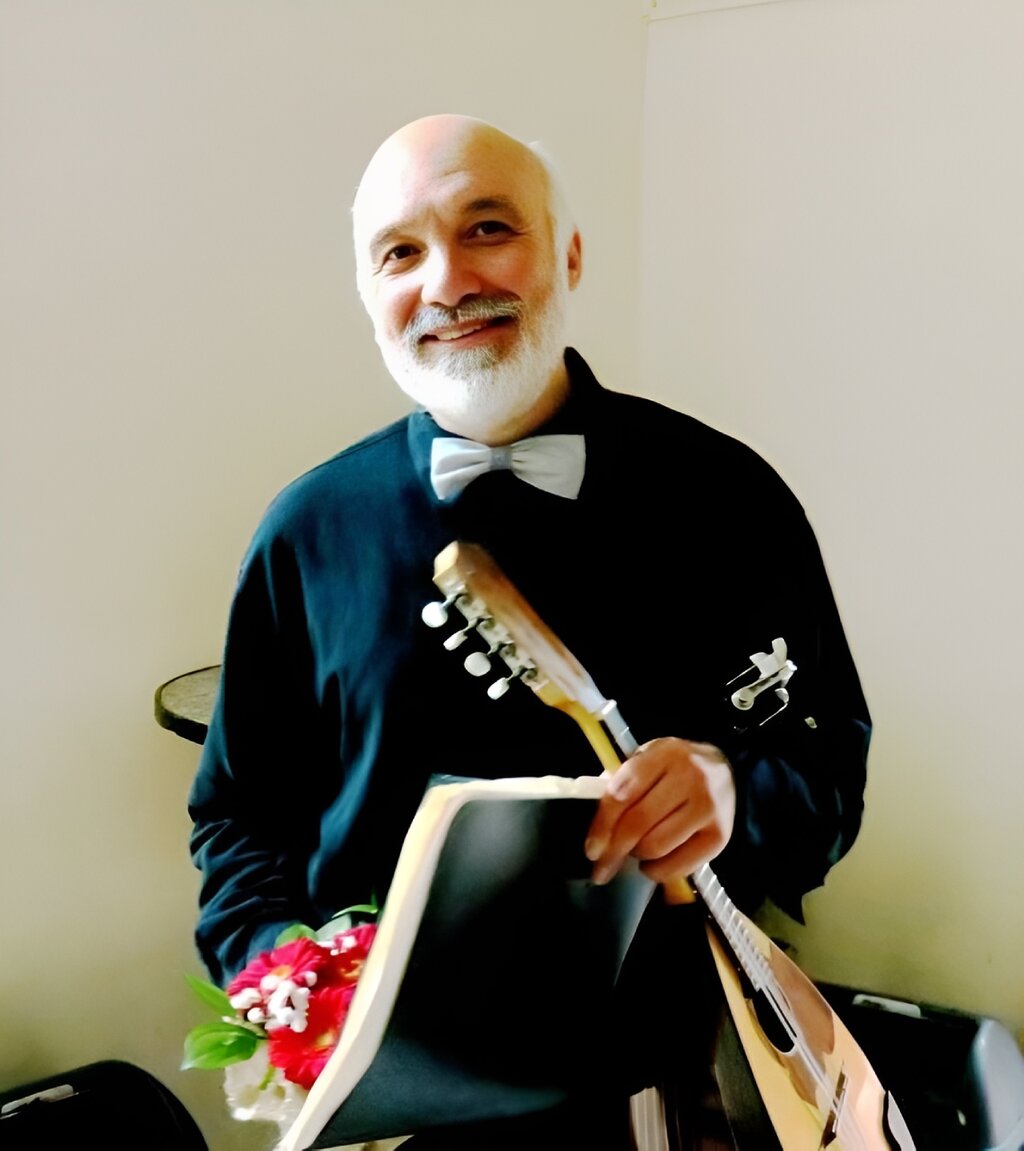
Plamen Maslev
PHOTO Facebook/ Mandolin ensembles conducted by Plamen Maslev
“I was still a child when, in the 1970s, he made recordings with Nicolai Ghiaurov in Vienna for the British record label Decca Records. Later, in the early 1980s, he released a double album with tenor Rumen Doykov entitled Italian Canzonettas. We also had a very interesting project with Boris Christoff. Unfortunately, he fell ill in the final years of his life, and we eventually completed the project with baritone Sabin Markov instead. There has always been interest among leading singers in Bulgaria and around the world in this type of instrument, because it offers something different.”
Translated by Kostadin Atanasov
This publication was created by: Kostadin Atanasov