


Author
Krasimir Martinov
Report
Bratislava marks 100 years of academic study of Bulgarian
The Bulgarian National Radio is a media partner of the celebration
Friday 16 October 2026 21:35
Friday, 16 October 2026, 21:35
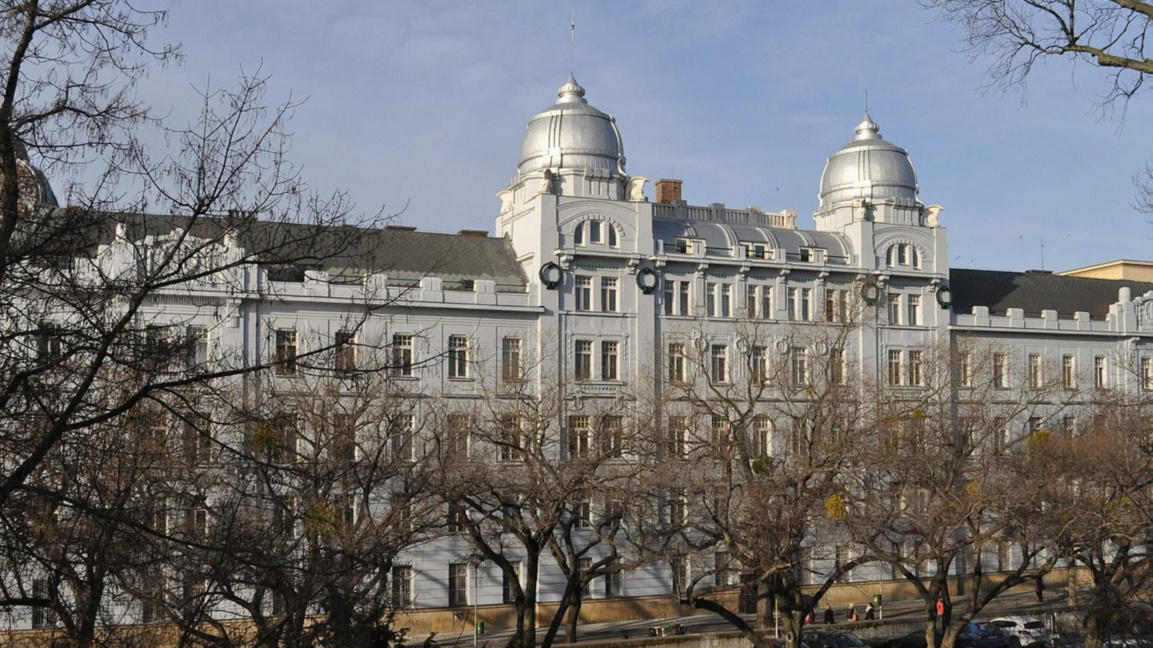
The building of the Philosophy Faculty of Comenius University in Bratislava
PHOTO facebook.com/fphil.uniba
Font size
A scientific conference on Bulgarian-Slovak intercultural dialoguewas held at Comenius University, Slovakia’s largest and oldest higher education institution. The university’s Moyzes Hall also hosted a celebratory concert entitled The Mystery of Bulgarian Polyphony, performed by the Bulgarian vocal quartet Svetoglas. The occasion is the centenary of the beginning of academic studies of the Bulgarian language in Bratislava.
The two-day academic forum is held under the patronage of H.E. Snezhana Yoveva-Dimitrova, Ambassador Extraordinary and Plenipotentiary of the Republic of Bulgaria to the Slovak Republic, and Prof. Dr Marian Zouhar, Dean of the Faculty of Arts at Comenius University. Bulgarian is taught within the university’s Department of Slavic Philologies.
“Marking this impressive anniversary is important for the development of Bulgarian studies worldwide as a whole,” Bulgaria’s ambassador to the Slovak Republic, Snezhana Yoveva-Dimitrova, told Radio Bulgaria in an interview.
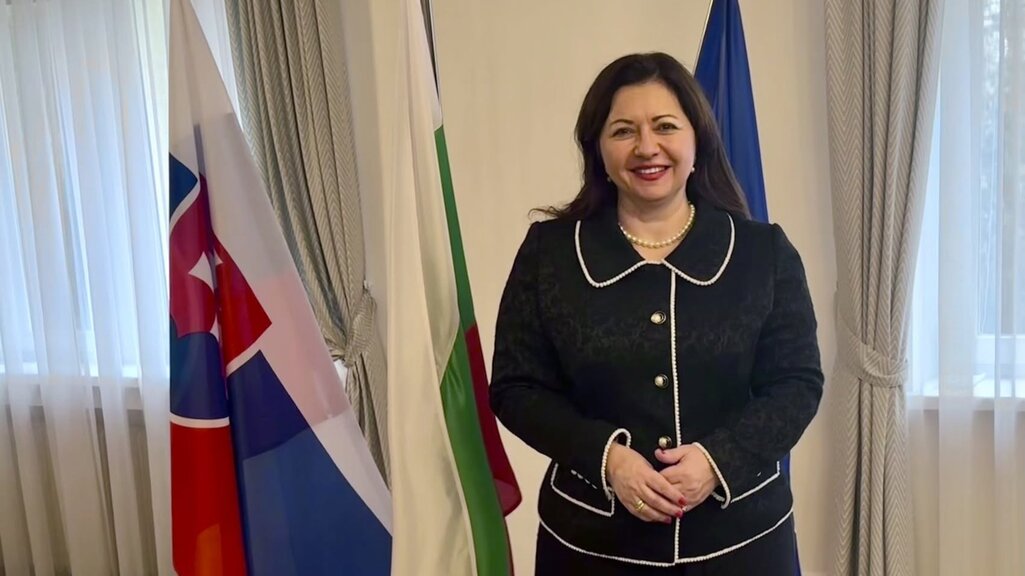
H.E. Snezhana Yoveva-Dimitrova
PHOTO facebook.com/Bulgarian.Embassy.Slovakia
“The Bulgarian Embassy in Bratislava has been actively involved in preparing and organising both the celebratory concert by the Svetoglas quartet and the logistics of the international academic conference and its accompanying events at Comenius University. These include presentations of specially prepared documentary and facsimile exhibitions dedicated to Bulgaria’s cultural and historical heritage, the country’s ancient treasures and its monuments inscribed on the UNESCO World Heritage List. We are implementing these projects in cooperation with partners such as the Institute of Balkan Studies with the Centre of Thracology at the Bulgarian Academy of Sciences, the State Institute for Culture at the Ministry of Foreign Affairs, Bulgarian National Radio and others.
We believe that this celebration will help strengthen interest in Bulgarian studies. That is why we are also encouraging pupils from the Hristo Botev Bulgarian Secondary School to take a more active part in various accompanying initiatives. They are among the potential future students of the university’s Faculty of Arts,” Ambassador Yoveva-Dimitrova said shortly before the opening of the academic forum Bulgarian-Slovak Intercultural Dialogue at Comenius University.
The major academic event marking 100 years of Bulgarian studies in Slovakia features a series of lectures and discussion sessions held simultaneously in different halls of the university’s Faculty of Arts.
Topics under discussion include the history, development and future of academic Bulgarian-language studies abroad, as well as literary interactions between Bulgaria, Slovakia and the wider Slavic world. Ethnological research on the Bulgarian community in Slovakia is also presented, alongside other issues of bilateral and international academic interest.
Asked how ties between Bulgarian and Slovak scholars influence relations between the two countries, HE Snezhana Yoveva-Dimitrova said that the Bulgarian and Slovak Academies of Sciences had maintained an excellent partnership for many years.
“This cooperation is based on inter-academic agreements, which are due to be updated very soon,” the Bulgarian ambassador continued. “Just a few months ago, the President of the Slovak Academy of Sciences, Prof. Martin Venhart, paid an official visit to Sofia, where he met with Prof. Evelina Slavcheva. Updating the agreement between the two academies was one of the topics discussed. They also addressed the exchange of expertise and the links between science and business.
We should point out that Bulgarian scholars are well recognised within Slovakia’s academic community and take part in various projects under European and other programmes. Students, too, participate actively in initiatives such as the Erasmus programme. All of this helps strengthen ties between Slovak and Bulgarian researchers, students and academic communities.”
In her interview with Radio Bulgaria, H.E. Snezhana Yoveva-Dimitrova also spoke about the untapped potential of bilateral relations between Bulgaria and Slovakia, the Bulgarian Embassy’s role in raising Bulgaria’s profile in Slovakia, and the development of the Bulgarian Cultural Institute in Bratislava, which will mark the 55th anniversary of its establishment in November.
The full interview with Bulgaria’s ambassador to the Slovak Republic will be broadcast in the coming days on the Bulgarian National Radio and Radio Bulgaria.
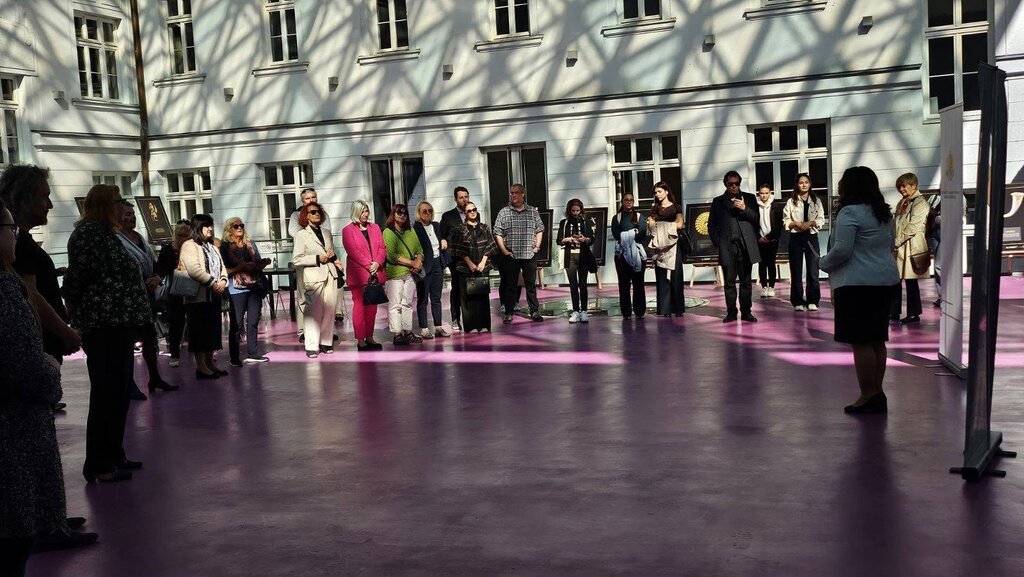
Opening of thet two facsimile exhibitions in the Atrium of Comenius University
PHOTO facebook.com/fphil.uniba
This publication was created by: Rositsa Petkova