


Author
Vessela Krasteva
Article
What does returning to Bulgaria look like today?
Bulgarians who want to return prefer to settle outside the capital Sofia
Monday 19 October 2026 07:05
Monday, 19 October 2026, 07:05
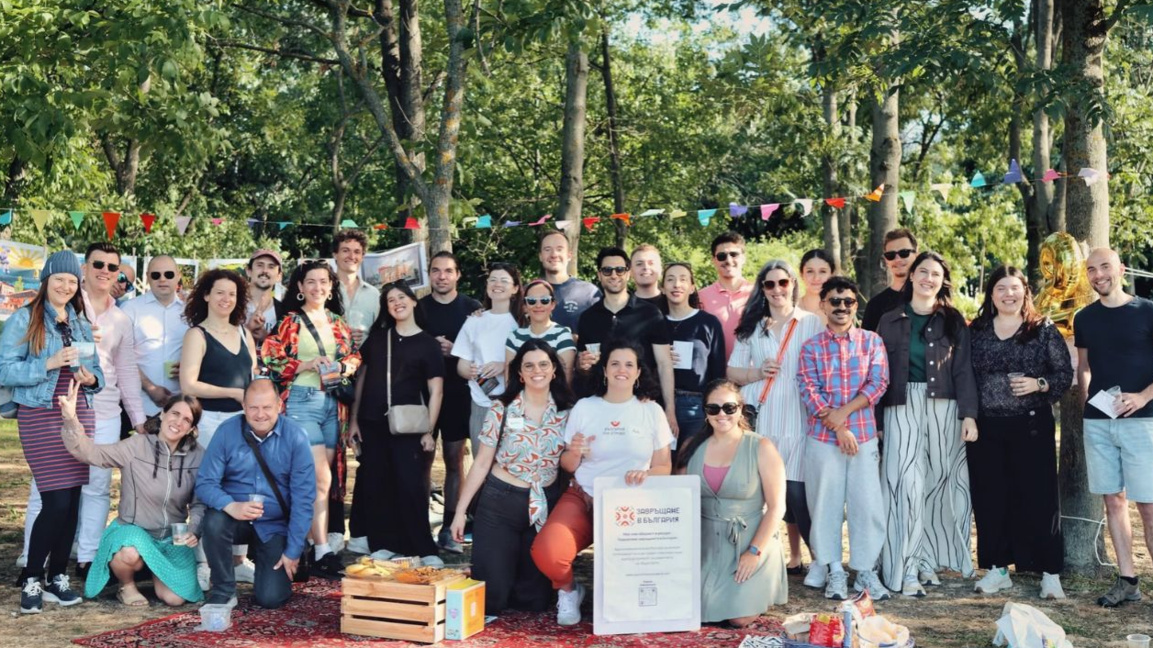
PHOTO Facebook /ЗаВръщане в България
Font size
What prompts Bulgarians living abroad to return home? What holds them back, and how do those who have already made the move feel about their decision? The answers to these questions are provided by the first in-depth survey conducted by the information platform ZaVrashtane v Bulgaria (Returning to Bulgaria).
On 20 October at 6:30 p.m., the organisation’s team, represented by sisters Anna-Maria Andreeva and Katerina Andreeva, will present its first report, The State of Returning to Bulgaria, at an open, free-admission event at the Creativity Hall of Barter Community Hub in Sofia.
The survey involved 2,286 Bulgarians from 51 countries across six continents. It examines the practical, emotional and civic dimensions of returning home and offers specific recommendations for businesses, civil society organisations and institutions.
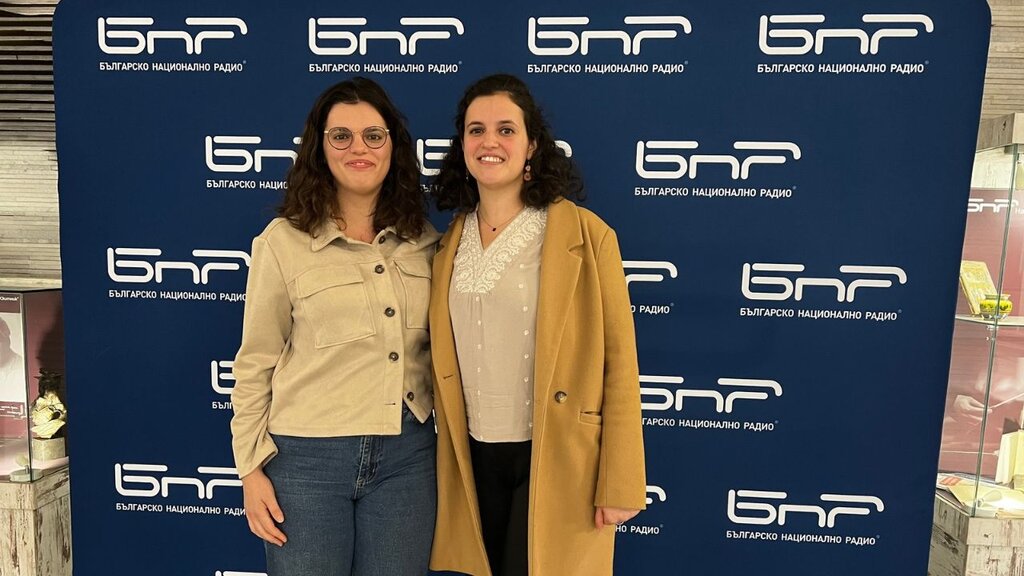
Katerina (left) and Anna-Maria Adreeva in the Bulgarian National Radio
PHOTO Vessela Krasteva
“The aim of the survey is to inform about the next steps we, as an organisation, will take. So far, we have developed a podcast featuring the stories of Bulgarians who have returned to their homeland, organised numerous events, conducted this survey, and launched a newsletter for Bulgarians living abroad and those who have returned. Our second objective is to make the report publicly accessible and share its findings with the public, institutions, businesses and civil society organisations. We want people to gain a better understanding of what the return process looks like and whether there really are Bulgarians living abroad who wish to return,” Anna-Maria Andreeva tells Radio Bulgaria.
And there are indeed such Bulgarians, and their numbers are growing. According to the organisation’s survey, 69% of Bulgarians living abroad either plan (38%) or are considering (31%) returning to Bulgaria.
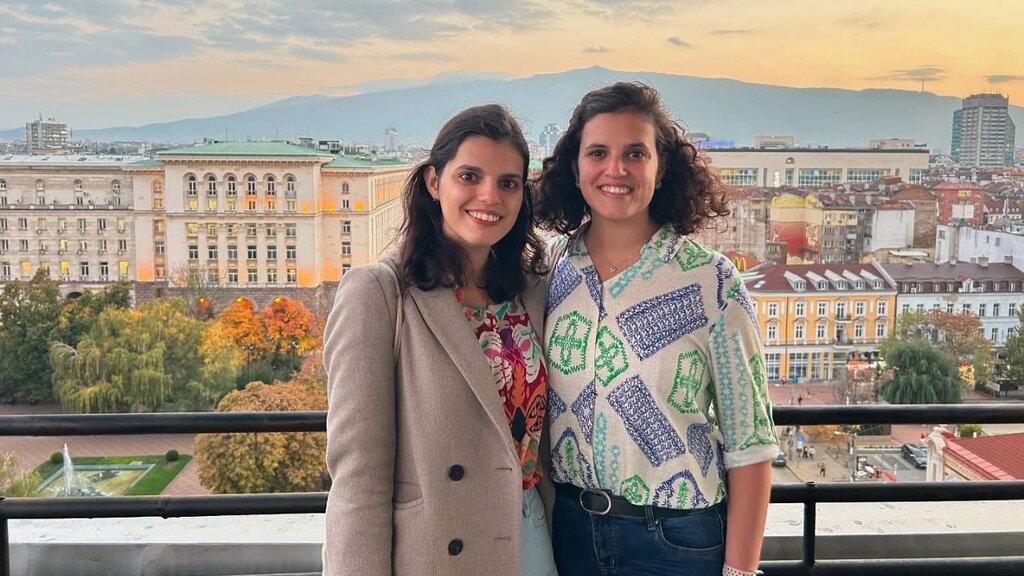
PHOTO Facebook /ЗаВръщане в България
Sisters Anna-Maria and Katerina have experienced this journey themselves, and they will share their stories with participants at the event in Sofia. Born and raised in the United States to a family of Bulgarian emigrants, they chose Bulgaria as their home despite all the opportunities for a good life in the land of unlimited possibilities.
Katerina first returned to Bulgaria as a student in Burgas, then continued her education in the Netherlands. After living there for nearly eight years, she finally fulfilled her dream and settled in Sofia. She says that even today, many fellow Bulgarians tell her about the reactions of their families and friends when they announce their decision to return.
“The reaction is never very positive. With arms folded, they say, ‘Welcome back,’” Katya tells us.
This is precisely why she hopes that the survey they have conducted will shed light on the reasons why people choose to make the journey back home.
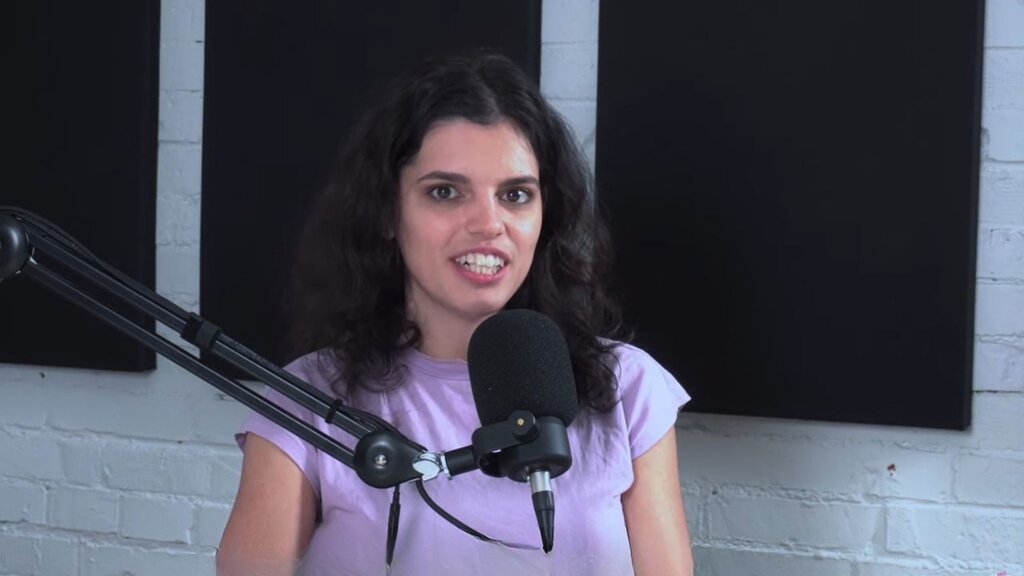
Katerina Andreeva
PHOTO YouTube / Back2Bulgaria podcast
“Almost every Bulgarian knows someone, or has at least one close friend or relative, living abroad. We hope that those who have never lived abroad will gain a better understanding of the outlook of those of us who wish to return here,” Katerina says.
The survey, entitled The State of Returning to Bulgaria, was conducted online in Bulgarian and English between April 2025 and February 2026, with the support of 13 partner organisations of ZaVrashtane v Bulgaria (Returning to Bulgaria). The data were analysed by the research agency Nasoka.
A total of 1,810 Bulgarians living abroad and 476 fellow nationals who had already returned to Bulgaria took part in the survey. More than half of the respondents (54%) were aged between 25 and 44, while 69% held a university degree.
The largest numbers of participants lived in the United Kingdom (466), Germany (378), the United States (250), the Netherlands (212) and Spain (124).
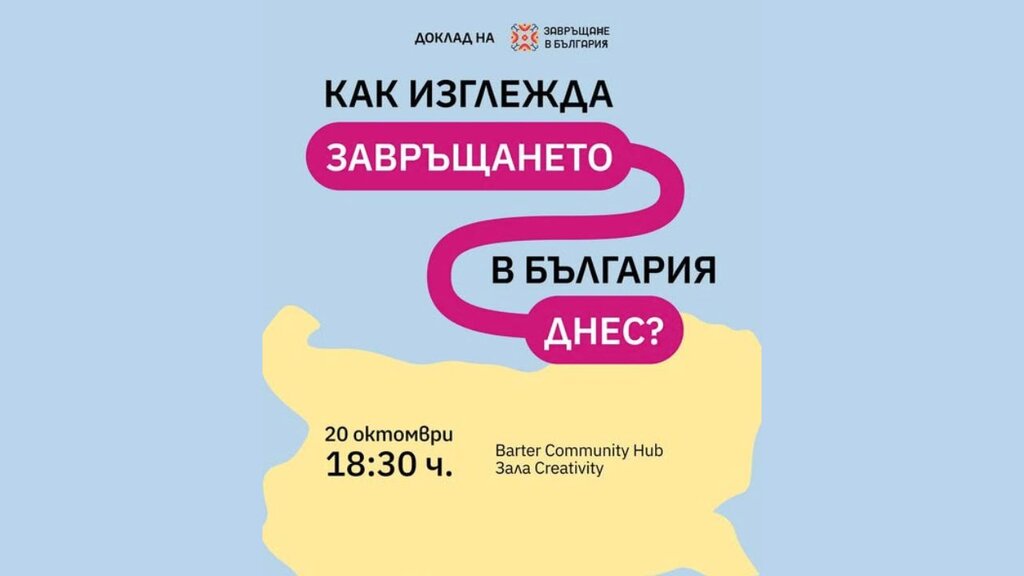
PHOTO Facebook /ЗаВръщане в България
What do the results show?
Family is the leading motivation for Bulgarians to return home. As many as 64% of Bulgarians living abroad cite being close to their families as a personal reason for returning, while 80% of those who have already returned identify family relationships and support as one of the things they value most about life in Bulgaria.
“We also asked respondents how connected they felt to Bulgaria. We found a difference in percentages between those living abroad and those living in Bulgaria, but most respondents said they felt ‘moderately connected’ or ‘very connected’, which is interesting. Perhaps this is Bulgaria’s strength: despite the large number of Bulgarians living outside the country, they still feel connected to it, which motivates them to take an interest in the country and what is happening here,” Anna-Maria Andreeva explains.
As many as 88% of those who have returned encountered difficulties along the way, yet 59% are satisfied with their decision and would recommend it to others.
“For those who have returned, the positive aspects seem to outweigh the difficulties,” Katerina concludes.
The most common challenges cited by respondents were the political environment and the justice system (73%), bureaucracy (44%) and healthcare (42%).
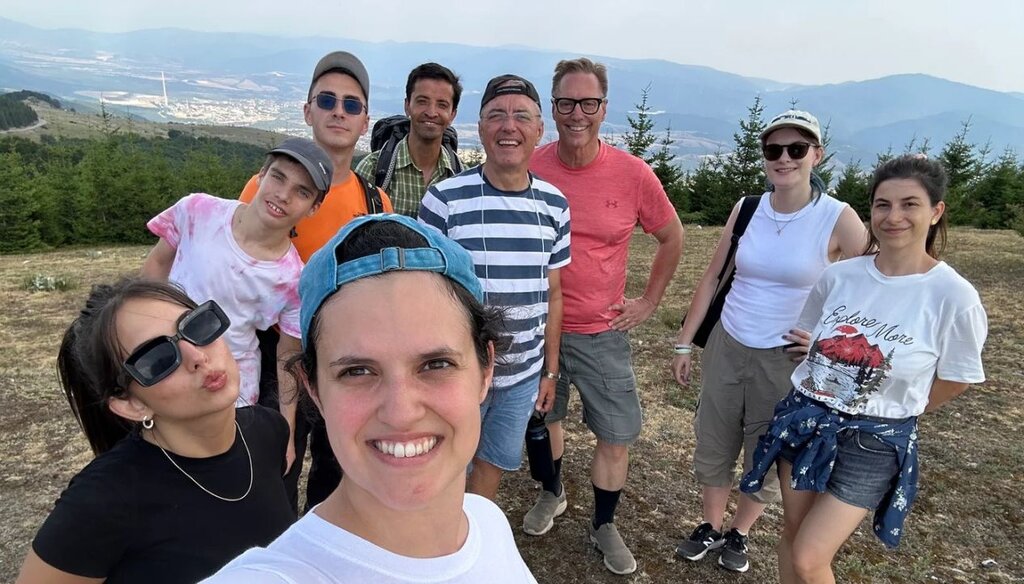
PHOTO zavrushtanevbulgaria.com
It turns out that only 11% of respondents seek information from Bulgarian institutions on how to go about returning to the country. As many as 76% rely on social media, while 11% have no specific source of information or find it difficult to obtain the information they need. The lack of systematic, accurate and clear information, even on the administrative procedures involved in making such a decision, is one of the biggest obstacles to returning to Bulgaria.
“My first recommendation to our institutions would be to reach out to non-governmental organisations such as ours. There are examples in other countries where institutions work directly with similar NGOs, as we are increasingly developing expertise on this target group,” Katerina Andreeva says.
“One interesting finding is that most of our compatriots who wish to return prefer to live outside the capital, Sofia. Among both parents and respondents without children, at least half of those surveyed would like to settle outside the capital. People return to the towns and cities they feel connected to, where they want to build their family lives, work and contribute to the community. This means that municipal authorities and institutions also have an important role to play in helping people make a meaningful contribution to society.
“About 50% of those who have returned say they see value in building something here. They intend to volunteer, take part in community life where they live and set up their own businesses. They want to make a positive contribution,” Katerina Andreeva explains.
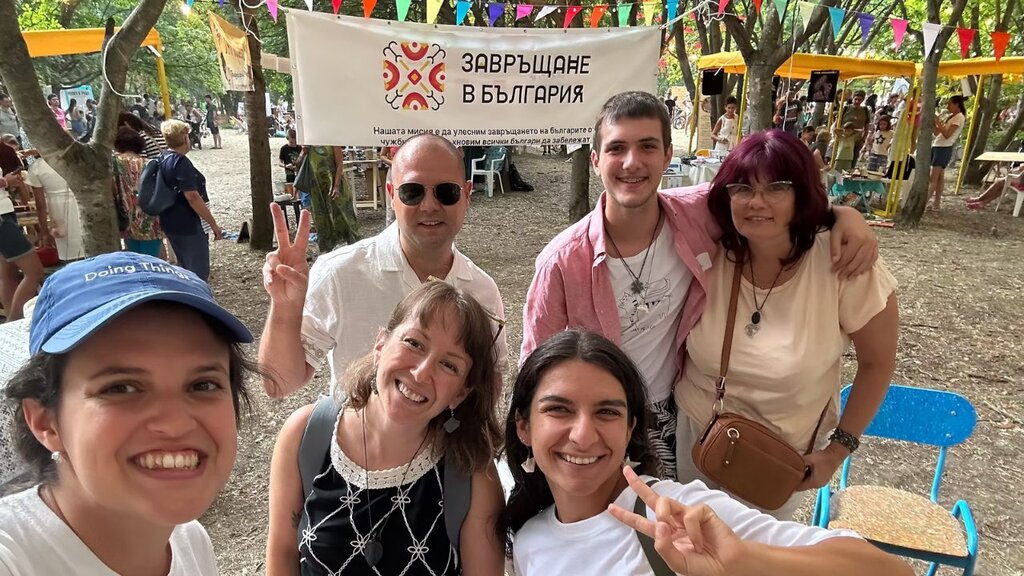
PHOTO zavrushtanevbulgaria.com
The most common concerns about Bulgaria expressed by respondents living abroad relate to political instability (59%), whether they will be able to maintain a good standard of living on local salaries (58%), and healthcare (42%). Anna-Maria and Katya say that Bulgarians abroad tend to base their fears about life back home more on stories they hear from family and friends than on actual risks.
What would make the decision to return easier? According to the report, the answers lie in better working conditions (67%), tangible change and more opportunities in Bulgaria (65%), and a fairer and safer society (65%).
Why are more and more Bulgarians choosing to live here? Has Bulgaria become a better place to live, or is life abroad not as good as we imagine?
“We did not ask respondents this exact question in the survey. Rather, we explored what motivates them to choose Bulgaria. The main reasons we have already mentioned are family, nature, the way of life and the opportunity to contribute to the country in one way or another. Lately, more and more people have been telling me that they feel they are needed in Bulgaria,” says Anna-Maria Andreeva.
“Perhaps this is also what motivates me. I can see that here in Bulgaria, there is a need for what I do. Perhaps because the scale is smaller, it is easier to connect with people who can help you along the way or to build a community. For the time being, I see this as an advantage of living in Bulgaria. There are many niches here, areas that have not yet been fully developed, and room to create, experiment and build.”
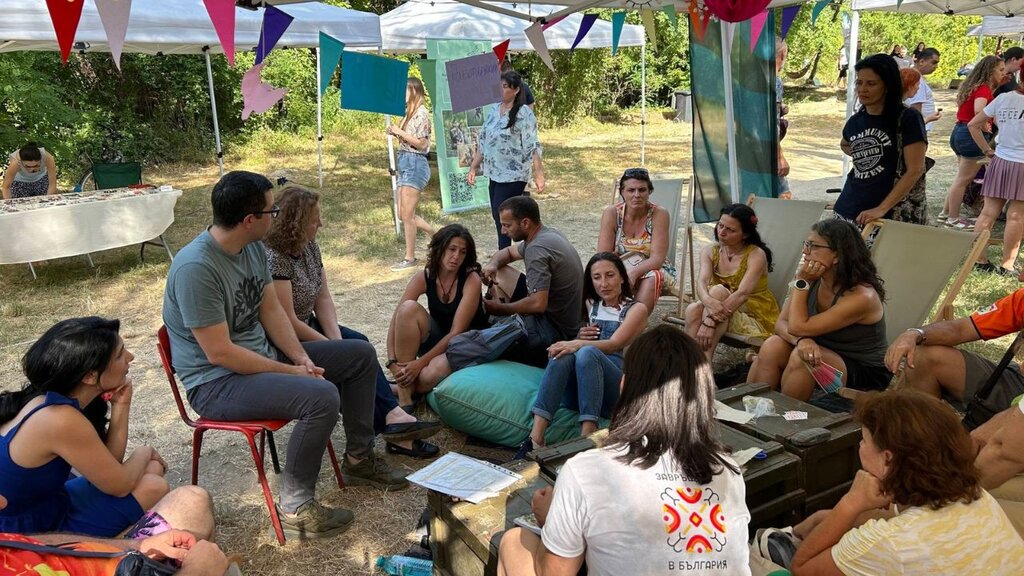
PHOTO Facebook /ЗаВръщане в България
Since 2023, ZaVrashtane v Bulgaria (Returning to Bulgaria) has been working to build a community of like-minded people and make the process of returning home better informed, better supported and more connected.
“Bulgarians living abroad feel that they are part of their homeland. They want to be heard and they want to help,” Katya says emphatically.
Annie adds that their mission is to help fellow Bulgarians make informed decisions, ensure they receive support throughout the process and, once they return, make it easier for them to reintegrate, find their place and discover how they can contribute to society.
Because support always matters, and there is never just one direction to take. The survey bears this out: only 25% of those who have returned rule out leaving Bulgaria again, while 34% would consider living abroad for family reasons and 31% would consider it if a better professional opportunity arose abroad.
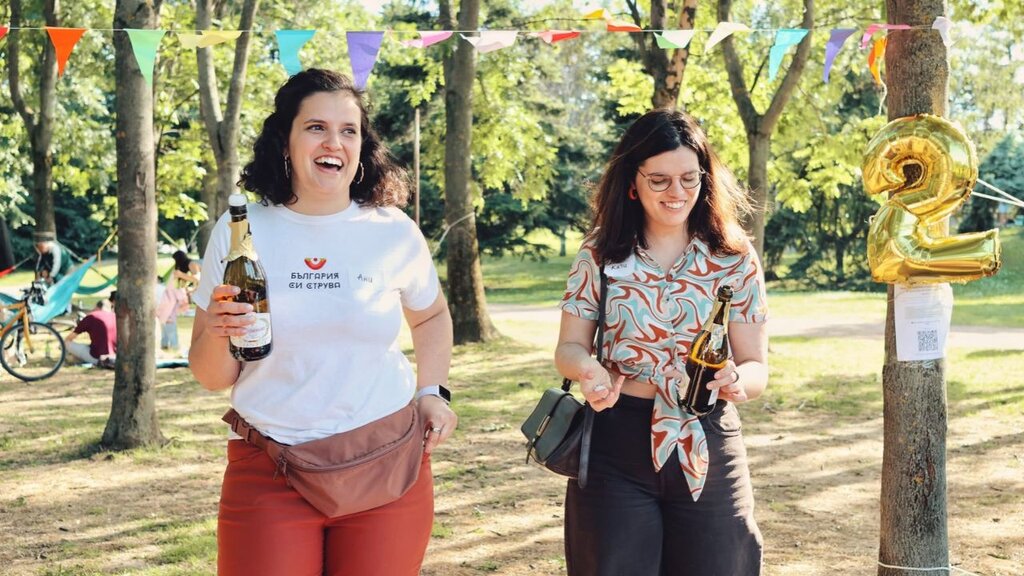
PHOTO Facebook /ЗаВръщане в България
More about the personal story of Katerina and Anna-Maria Andreeva and about the inspiration behind their Returning to Bulgaria initiative, coming soon to the Radio Bulgaria website.
English: R. Petkova
This publication was created by: Rositsa Petkova