


News
148 years since the birth of the distinguished scientist
Dr Stamen Grigorov and the bacterium that made Bulgarian yoghurt a legend
A 1905 discovery captures the scientific community’s attention and puts Bulgaria on the map of global microbiology
Tuesday 27 October 2026 09:10
Tuesday, 27 October 2026, 09:10
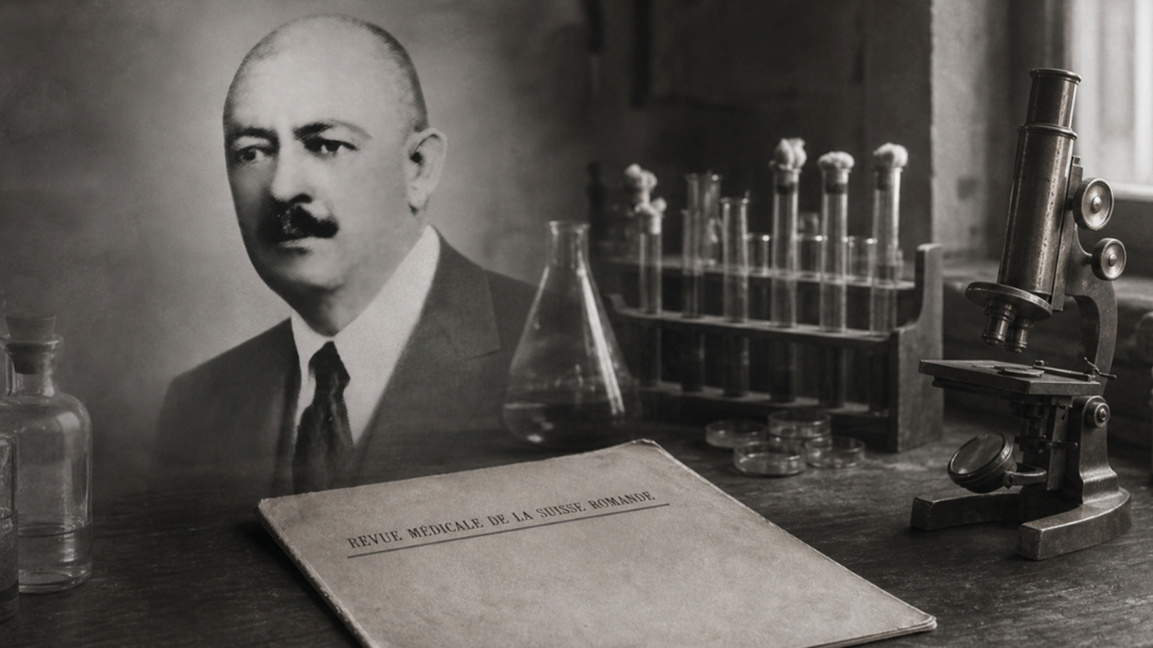
Dr Stamen Grigorov (1878–1945)
PHOTO nauka.bg
Font size
Bulgarian yoghurt is more than just a food; it is a symbol of tradition, health and distinctive flavour. It is popular worldwide for its exceptional nutritional value and health benefits, attributed to the specific lactic acid bacteria Lactobacillus bulgaricus and Streptococcus thermophilus.
Authentic Bulgarian yoghurt has a thick, uniform and creamy texture, with a delicate, fresh aroma. Its taste is well-balanced, tangy and refreshing, without any bitterness or artificial notes. The quality of Bulgarian yoghurt is guaranteed by a national standard known as “Bulgarian State Standard Yoghurt” (BDS). It sets out the requirements for the product: it must be made from cow’s, sheep’s, buffalo’s or goat’s milk, or a mixture of these, and fermented with the symbiotic cultures Lactobacillus delbrueckii subsp. bulgaricus and Streptococcus thermophilus, isolated in Bulgaria and free from genetic modification. Since the summer of 2023, Bulgarian yoghurt has been registered in the EU register of Protected Designations of Origin (PDO).
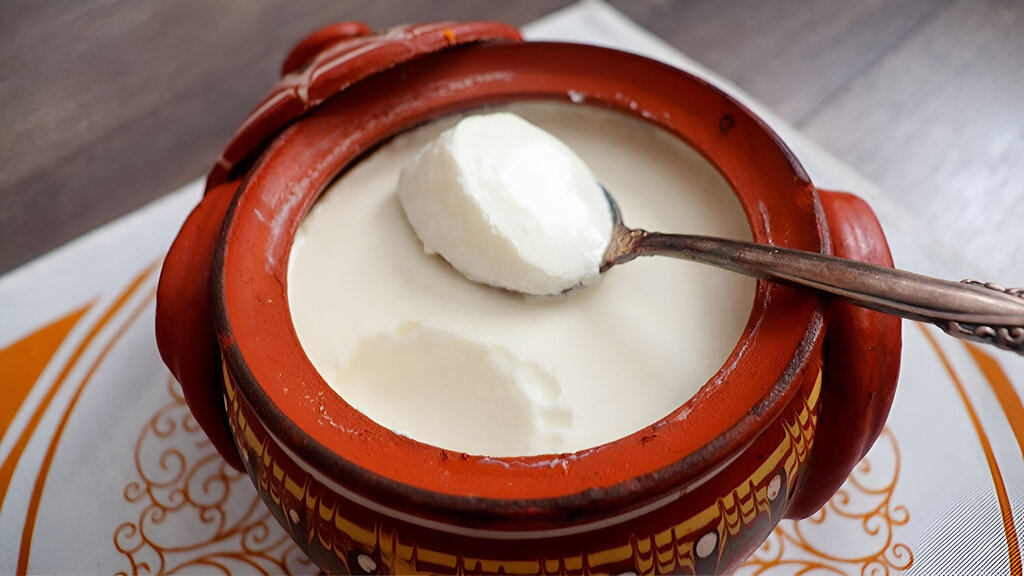
PHOTO nivabg.com
The history of Bulgarian yoghurt is inextricably linked to the name of the distinguished Bulgarian scientist Dr Stamen Grigorov (27 October 1878 – 27 October 1945), a microbiologist who left a lasting mark on science by discovering the bacterium characteristic of Bulgarian yoghurt and conducting research into a vaccine against tuberculosis.
In 1905, at just 27 years of age, Dr. Stamen Grigorov described the lactic acid microorganism Lactobacillus bulgaricus which causes milk to ferment.
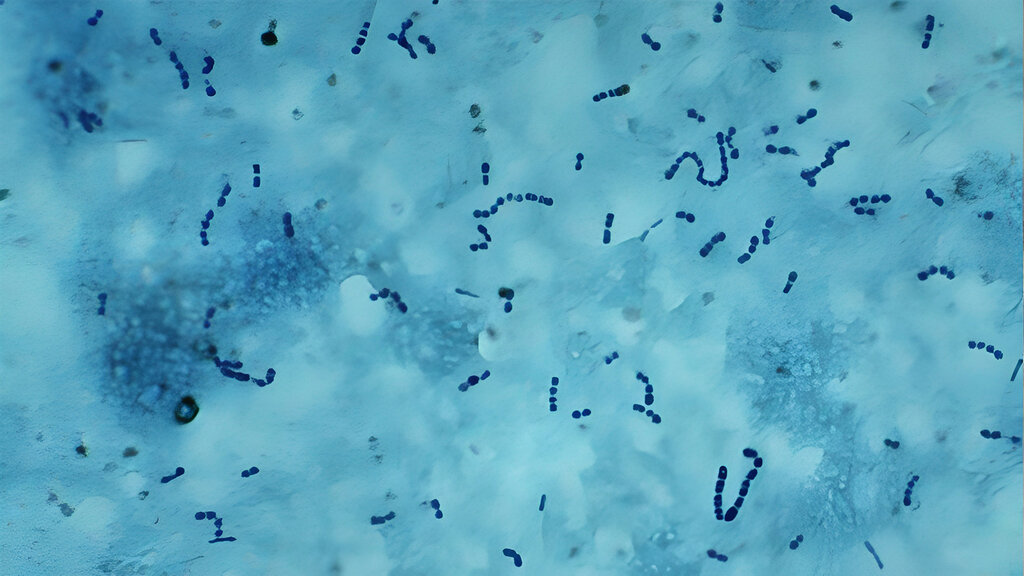
Lactobacillus delbrueckii subsp. bulgaricus
PHOTO gbif.org
Born and raised in the country, the ninth of twelve children in the family – who would have thought that the little boy from Studen Izvor village would end up in Montpellier and graduate science at the university there with honours? With the support of patriotically-minded Bulgarians he went to study in Geneva where his perspicacity was noticed by foremost bacteriologist Prof. Léon Massol. It was he who assigned Stamen Grigorov the task of studying the flora of Bulgarian yoghurt. At that same time, Nobel prize winner Prof. Ilya Mechnikov was looking into the causes of ageing and ascertained that the greatest number of centenarians were to be found in Bulgaria. Regrettably, this is no longer so. But can one of the reasons for this phenomenon be found in Bulgarian yoghurt?
“Many manufacturers prefer to use cheaper starter cultures of lower quality“, says Yulia Grigorova, the scientist’s granddaughterin an interview preserved in Radio Bulgaria’s archives. Of course it tastes different, because they have to make it marketable, more durable and give it a certain thickness. Whereas homemade yoghurt does not have the same density or consistency but it is this kind of yoghurt that has an excellent effect on the body’s microflora. As to longevity, the drop in consumption of real yoghurt is not the only reason. Many Bulgarians opt to live in the country when they retire and with good reason – the air there is very different.”
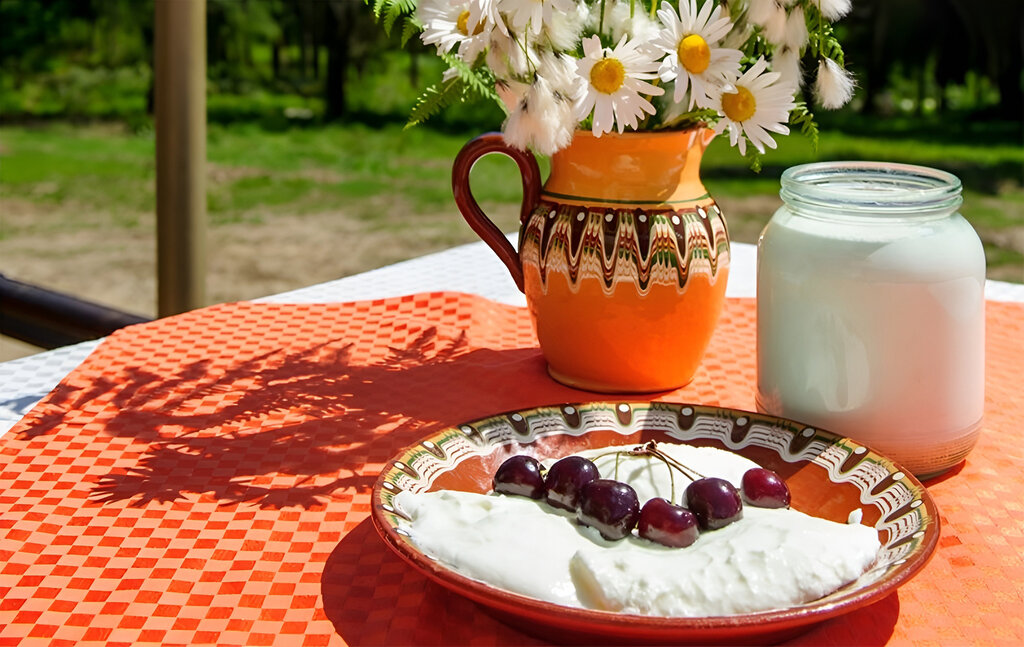
PHOTO culinarytourism.bg
And one interesting fact from Dr. Grigorov’s biography – by an odd confluence of events, his name has not gone down in history as the father of the tuberculosis vaccine. So, it was Albert Calmette and Camille Guerin who put their names down as the men who discovered it.
“Before his return to Bulgaria, Dr. Grigorov started work on tubercular cells and continued his research as head physician of the hospital in Trun”, his relative Yulia Grigorova told Radio Bulgaria reporter Diana Tsankova in an interview more than a decade ago. “In 1906 - three months before the two Frenchmen made their discovery – he created the vaccine but there was no institution in Bulgaria powerful enough to back him, so it was the other vaccine that gained popularity. What is more, senior medical staff in this country paid no heed to his research or the excellent results he obtained. That is the reason why he left for Milan where he hoped to have the vaccine approved. As a matter of fact, his vaccine is not just for prevention but also for treatment. Nowadays, researchers base their work on it.”
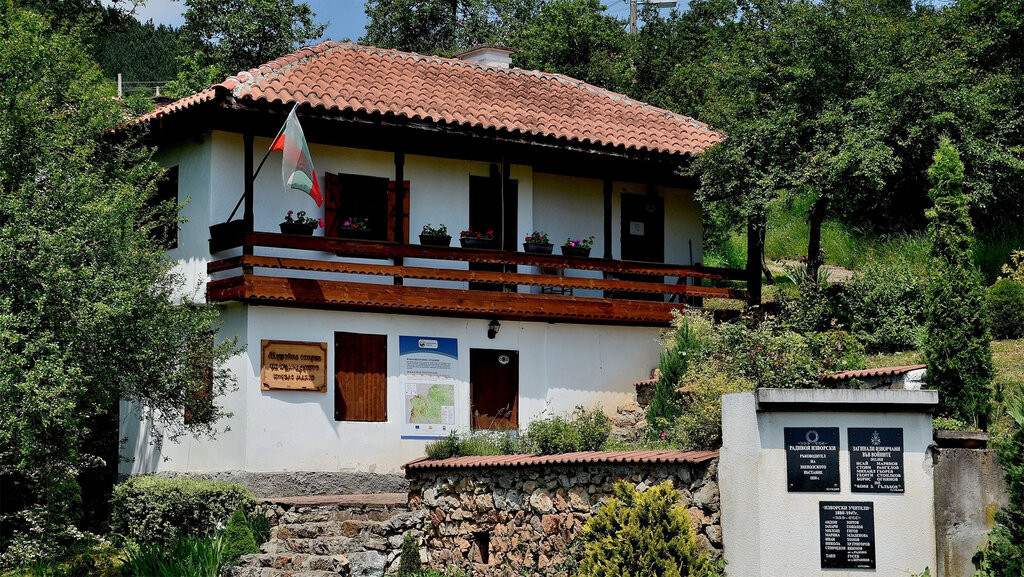
The Yoghurt Museum in the village of Studen Izvor
PHOTO transkotd.org
Today, a dedicated Yoghurt Museum stands in Studen Izvor, the birthplace of Dr Stamen Grigorov, located 7.5 km southwest of the town of Tran in western Bulgaria. A central place in the museum is devoted to the scientist’s contribution. Visitors learn about the fermentation process and the origins of the distinctive flavour of Bulgarian yoghurt.
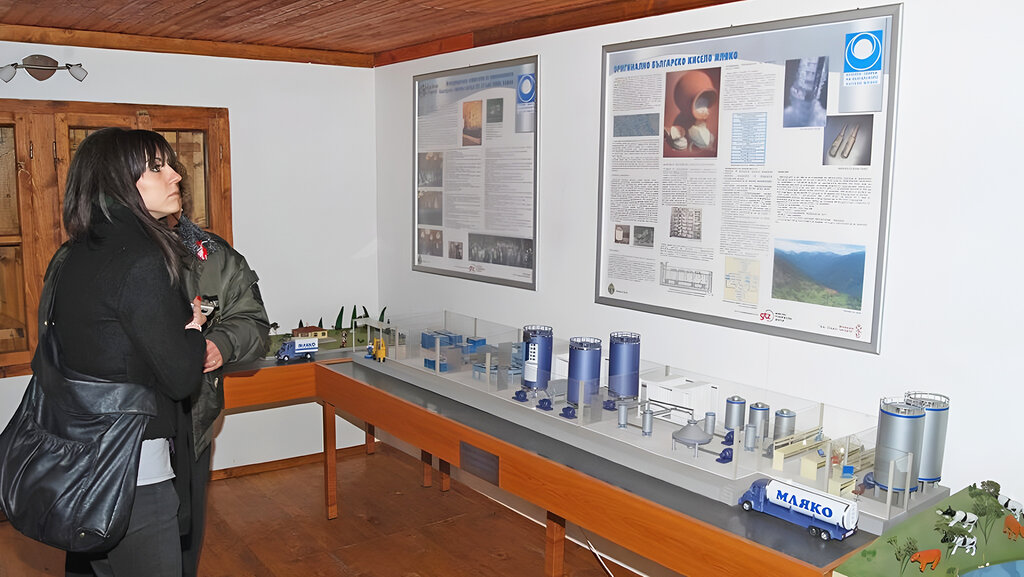
PHOTO bulgariatravel.org
The exhibits include household utensils once used to prepare and store yoghurt and other dairy products, as well as models and objects illustrating industrial yoghurt production, from preparation to the delivery of the finished product to consumers. And those consumers are found all over the world: the name bulgaricus appears on yoghurt packaging everywhere from Europe and the United States to Japan.
Edited by Elena Karkalanova
Translated by Kostadin Atanasov
This publication was created by: Kostadin Atanasov