


Author
Tsvetana Toncheva
News
Kremena Stancheva: A voice that popularised the folk music of the Shoppe region
21 October marks the 85th anniversary of the birth of Kremena Stancheva, the “Nightingale of Shopi Folk Music”
Wednesday 21 October 2026 09:05
Wednesday, 21 October 2026, 09:05
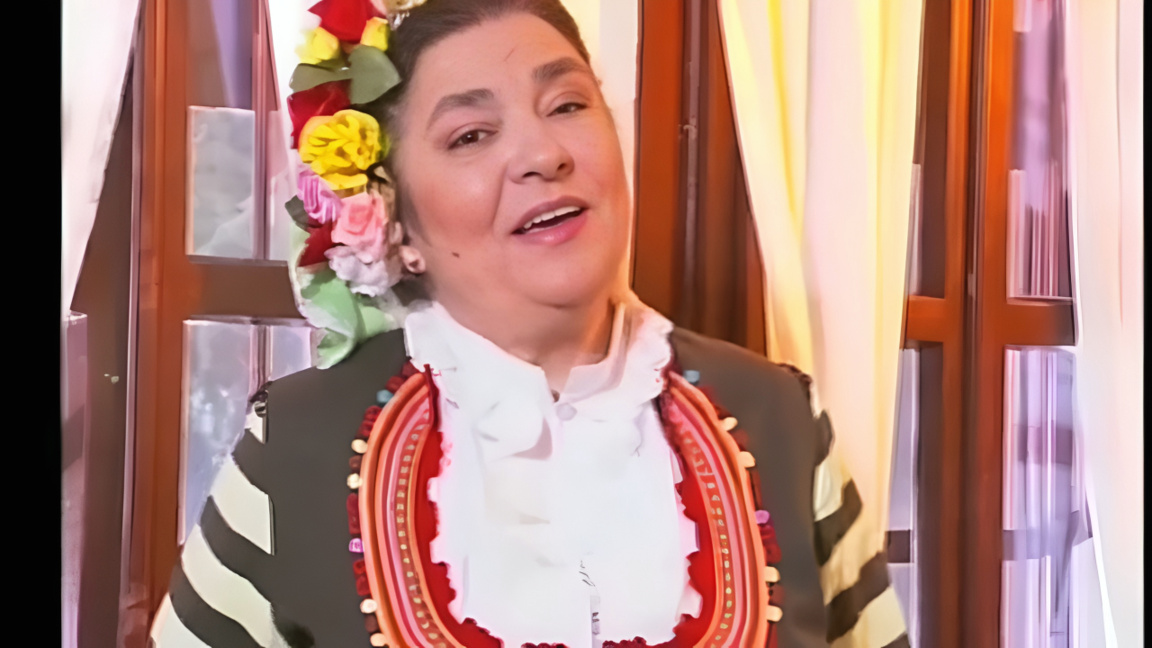
Kremena Stancheva
PHOTO YouTube
Font size
Folk singer Kremena Stancheva (21 October 1941 – 8 March 2013) was one of the outstanding figures in the Bulgarian National Radio Folk Song Ensemble, which later became world-famous as The Mystery of the Bulgarian Voices.
During her lifetime, she was described as “a unique talent”, “a voice from another dimension” and “a divine gift.” She was admired for her bright, warm and tender vocal timbre, her extraordinary mastery of shaping slow melodies, and her flawless command of the distinctive and richly varied ornamentation characteristic of Bulgarian folk singing. She was known for her cheerful personality, warmth and deep love for people. Although she was a remarkable soloist, Kremena Stancheva is best remembered for her legendary duet with Vasilka Andonova, another singer from The Mystery of the Bulgarian Voices.
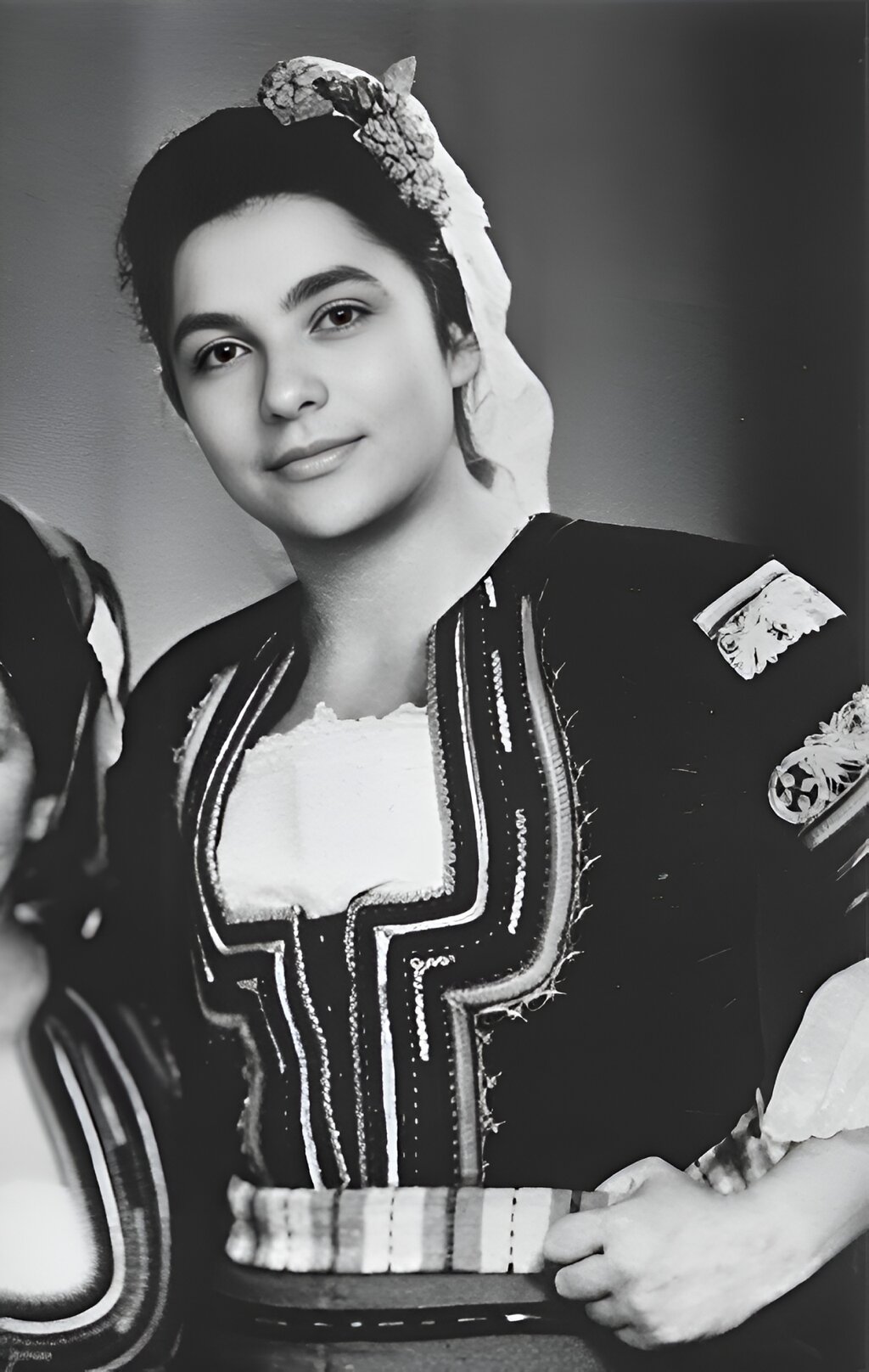
PHOTO archive
The two talented singers from western Bulgaria became the benchmark for interpreting the renowned two-part singing from the Shoppe region - a remarkable and almost otherworldly vocal style that is raw and archaic, sharp and resonant, intensely dissonant and extraordinarily powerful.
Born in a small village near the capital city, Kremena had a passion for singing from an early age. After completing her secondary education, she enrolled at the Higher Institute of Economics (now the University of National and World Economy). She graduated with honours and and became a favourite of the renowned political economist and economic historian Academician Zhak Natan, who offered her a position as an assistant lecturer at the institute.
She turned down the offer because, at the age of 19, while still in the early stages of her studies, she had been accepted into the Bulgarian National Radio’s Folk Song Ensemble. Singing was her true passion.
In a 2009 interview preserved in the Bulgarian National Radio’s Golden Archive, Kremena Stancheva noted that she and Vasilka Andonova had recorded more than 100 Shoppe two-part songs for the broadcaster. She proudly stated: “I remained faithful to Shoppe two-part singing.”
The two singers proved to be a perfect team, demonstrating extraordinary mastery in their authentic renditions of Shoppe folk songs.
Kremena was exceptional at performing slow folk songs, with harvest songs among her favourites. She had performed on the stages of some of the world’s largest and most prestigious concert halls, yet she sang with the same dedication for schoolchildren and audiences at local community centres.
In her personal life, she was strong, cheerful and full of life, a devoted mother and wife. Then tragedy struck: her 17-year-old daughter, Nadia, died in a car accident. The shock was devastating. The great singer stopped performing and later gave birth to another son. Caring for him, and later immersing herself in her work, helped her cope with her grief.
She continued singing with The Mystery of the Bulgarian Voices, taught at New Bulgarian University, released a CD and led masterclasses in Bulgaria and the United States. Her old family house in her native village of Kovachevtsi became a school for aspiring singers, both Bulgarian and foreign, to whom she generously passed on her knowledge and expertise. She devoted herself to teaching children, leading children’s folk groups and supporting local community centres. In the 2009 interview, she admitted:
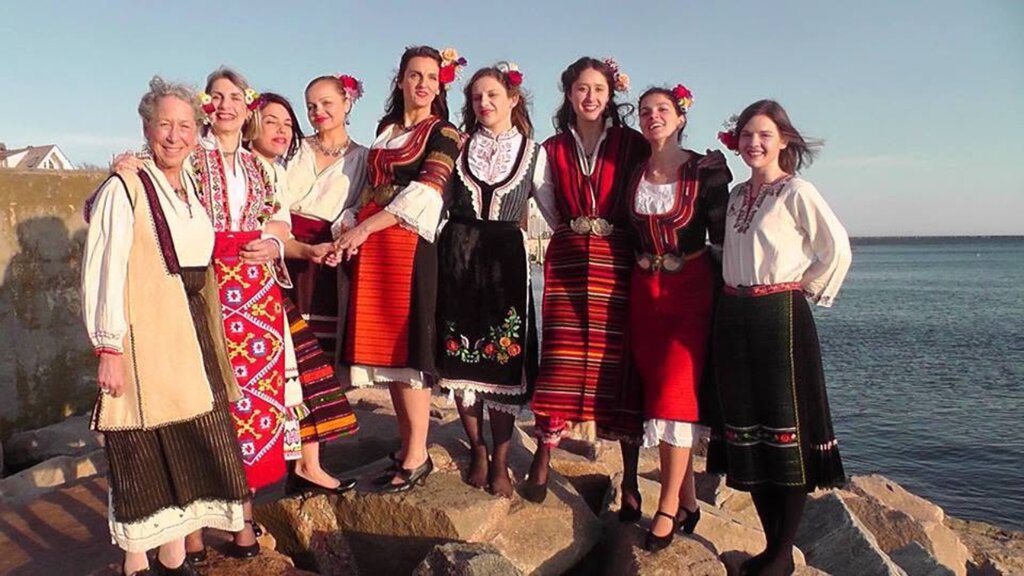
PHOTO Facebook/Yasna Voices
“I went through many difficult times in my life. I experienced the worst thing imaginable, but when you talk about hardship, you go out on stage and have to escape, if only for a little while, from what has happened to you. If I had another job, it would still follow me. But once you step onto the stage, you have no right to show it! Those 1,000, 2,000 or 3,000 people in the audience are not interested in your pain. You are there to perform, and you smile-that’s it! Perhaps that is what saved me during the difficult times. And above all, my work with children.”
Kremena Stancheva taught Bulgarian folk music at some of the most prestigious universities in the United States, including Yale University and the University of Rochester. She also spoke proudly of the masterclasses she had led in the Netherlands and of her students from Norway and France.
Among her most enthusiastic pupils were the singers of Yasna Voices, the first Bulgarian women’s choir in New York, founded by Bulgarian-born vocalist and composer Vlada Tomova. In a special interview with Radio Bulgaria, Tomova described Kremena Stancheva as a close friend and an important mentor, whom she had met through Martha Forsyth.
At the time, the newly formed Yasna Voices choir applied for a grant to travel to Bulgaria and spend more than a week learning Bulgarian folk songs in Kremena Stancheva’s native village.

Vlada Tomova
PHOTO Facebook /Vlada Tomova
“She was a very emotional, warm-hearted person. She loved to laugh and joke around, and she was very caring. She never made a show of it, but she was also able to talk about the immense sorrow that was part of her life… She used to say that her younger son had come into her life as a prescription for life, hope and happiness. After her daughter died in a car accident, she fell into a deep depression, and a doctor told her she needed to have another child right away. That brought her back to life… Part of our grant was actually intended to fund a joint concert in New York, which was a tremendous honour for us.”
According to Vlada Tomova, Bulgarians should remember Kremena Stancheva:
“People should remember her for her voice, her love of Shoppe folk music and the kindness and modesty that defined her as a person. She loved connecting with people and passing on her songs to them. She also taught young children at the community cultural centre in Kovachevtsi. People should remember how much she loved connecting with others, singing to them and teaching them what she herself had learned.”
Translated by Kostadin Atanasov
This publication was created by: Kostadin Atanasov