


Author
Krasimir Martinov
News
Bulgarian Cultural Institute in Bratislava seeks new ways to reach the public
An interview with Denica Sekoulitchka-Ruseva, Director of the Bulgarian Cultural Institute in Bratislava
Wednesday 21 October 2026 12:31
Wednesday, 21 October 2026, 12:31
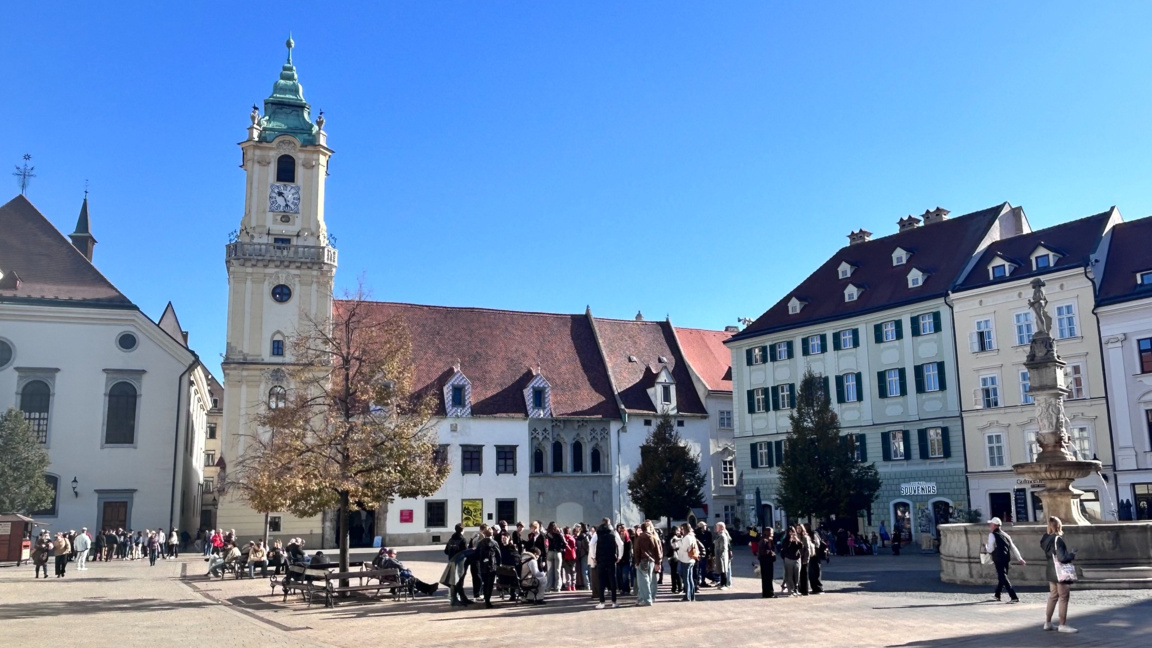
Bratislava’s Old Town square
PHOTO BNR
Font size
Being recognised within your own community is one thing, but reaching the wider public in the country where you promote Bulgarian culture is an entirely different challenge. This is the goal behind the new approach of the Bulgarian Cultural Institute in Bratislava.
Since May 15 this year, the institute has been headed by Denica Sekoulitchka-Ruseva, who, after ten years leading the Bulgarian Cultural Union in Slovakia, sees her new role as a natural continuation of her previous work, but also as a greater responsibility.
In an interview with Radio Bulgaria, conducted during celebrations marking 100 years of Bulgarian Studies at Comenius University in Bratislava, Denica Sekoulitchka said her main goal is to expand the presence of Bulgarian culture in the Slovak capital.
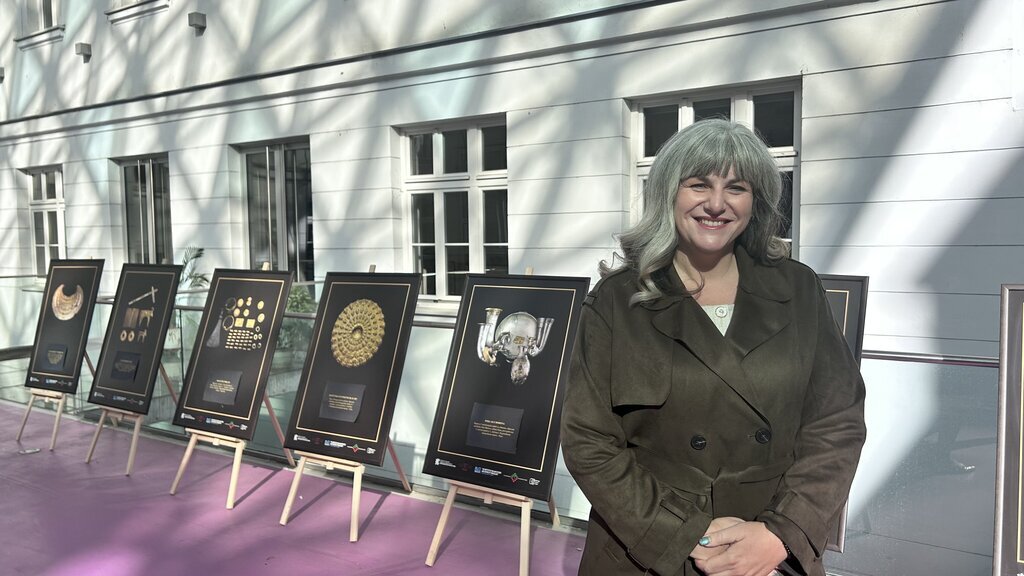
Denica Sekoulitchka in front of one of the exhibitions marking 100 years of Bulgarian Studies in Slovakia
PHOTO BNR
''My vision was to turn the Bulgarian Cultural Institute in Bratislava into a vibrant place-not just a space where we open an exhibition and close it a month later, but a place that draws people in, where everyone can find their own kind of art'', the director explains.
One of the key priorities of the new director of the Bulgarian Cultural Institute in Bratislava is to reach a wider local audience.That is why she aims to take a significant part of the institute’s programme beyond its own walls, through partnerships with Slovak cultural organisations and participation in major city events.
''My priority is to be where the public is, rather than simply expecting people to come to us. I plan to make the institute part of the city’s major festivals. One example is the large carnival held as part of the Bratislava Cultural Summer festival. We have never participated in it before, but we aim to change that next year. I also want the institute to play an active role in the city’s Christmas programme.''
The Bulgarian Cultural Institute in Bratislava also relies on close cooperation with the Embassy of the Republic of Bulgaria in Slovakia to bring its future plans to fruition. The new ambassador, Snezhana Yoveva-Dimitrova, who also has professional ties to the cultural sector, is a natural partner for the institute in implementing larger-scale initiatives, says Denica Sekoulitchka.
The institute’s busy schedule over the past six months suggests that this strategy is working. “Bulgarian cultural events are held in Bratislava two or three times a week”, the institute’s director says.
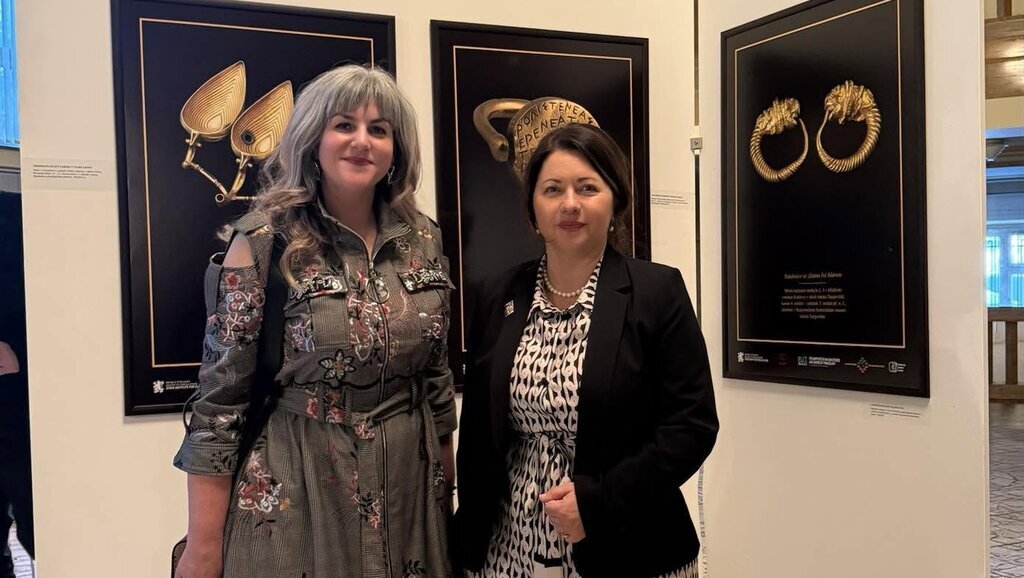
Denica Sekoulitchka and Ambassador Snezhana Yoveva-Dimitrova
PHOTO facebook.com/BKISBA
We ask what Slovaks associate Bulgaria with and how their perception of the country could be broadened.
“Slovaks really like Bulgaria and our Black Sea coast. They know about the Bulgarian gardeners who were among the first to settle in these lands. They are already familiar with much of Bulgarian culture, but I hope we can reach further into their cultural space. I believe we can achieve this through partnerships with local cultural institutions and venues, as well as joint events involving Slovakia and Bulgaria.
For me, it is extremely important not to focus solely on tradition and history, but to show that Bulgaria is a modern European country with achievements in contemporary art, performance art and other fields—areas that have rarely featured in the institute’s programme until now.”
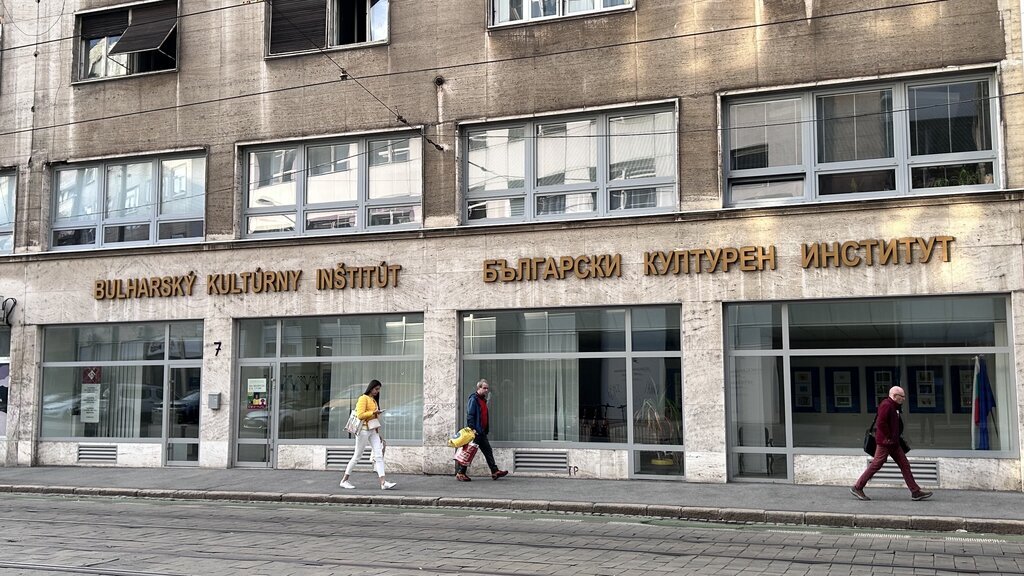
The Bulgarian Cultural Institute in Bratislava
PHOTO BNR
In November, the Bulgarian Cultural Institute in Bratislava marks the 55th anniversary of its founding. The anniversary is an opportunity not only to reflect on the past but also to look ahead to the future. According to Denica Sekoulitchka, the institute’s history reflects both the changes within the Bulgarian community in Slovakia and the development of Bulgaria’s cultural presence in the country.
“I want the anniversary to be a reflection on the past, while also considering what the institute’s vision for the future should be”, Denica Sekoulitchka says in conclusion.
Translated by Kostadin Atanasov
This publication was created by: Kostadin Atanasov