


Author
Tsvetana Toncheva
News
Highlights of Bulgarian musical culture
“The World Is for Two” – A song of love that transcends time
Friday 23 October 2026 20:30
Friday, 23 October 2026, 20:30
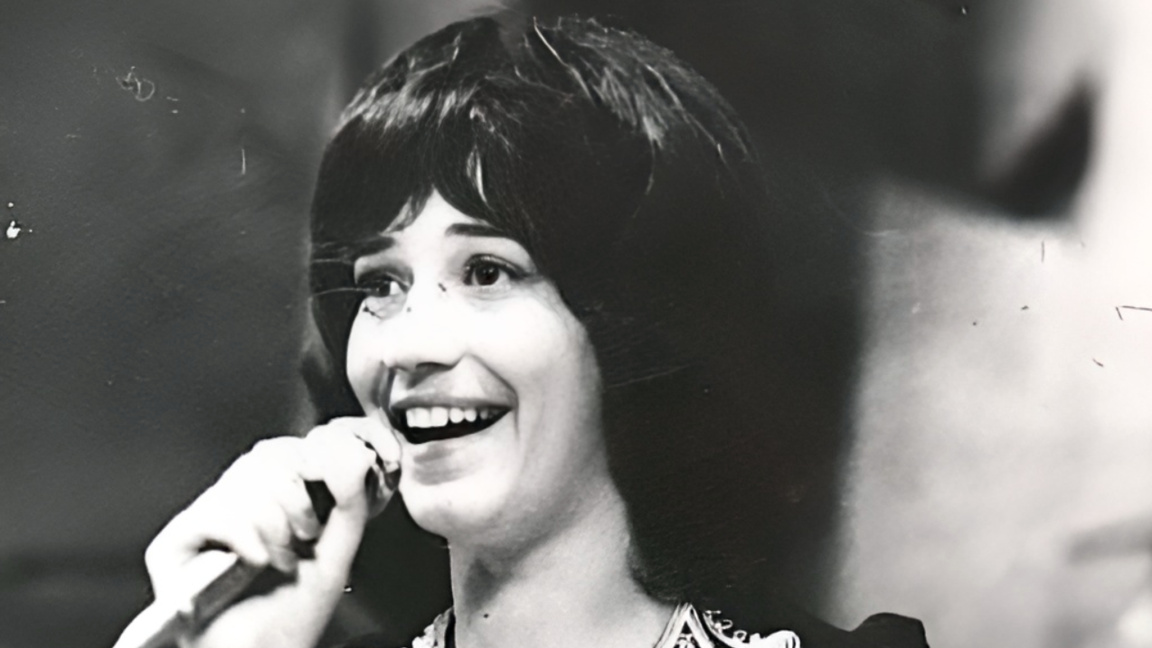
Maria Neykova
PHOTO archive
Font size
Maria Neykova was one of the most talented and genuine figures in Bulgarian popular music. A captivating singer and an original composer with a distinctive style, she was also a modest, gentle and sensitive person. In interviews, she described herself as unconventional, said she disliked restrictions and was glad she had never succumbed to the “star syndrome.”
Her career took off on her 23rd birthday, on December 21, 1968, when she made her debut at Bulgaria Hall in Sofia. Three years later, on the same date, Neykova survived a tragic plane crash at Sofia Airport that claimed 30 lives. Among the victims were many talented artists and musicians, including her close friend Pasha Hristova. Maria Neykova sustained severe injuries and spent months recovering. After December 21, 1971, she never celebrated her birthday again. 1972, however, proved to be a highly successful year for her.
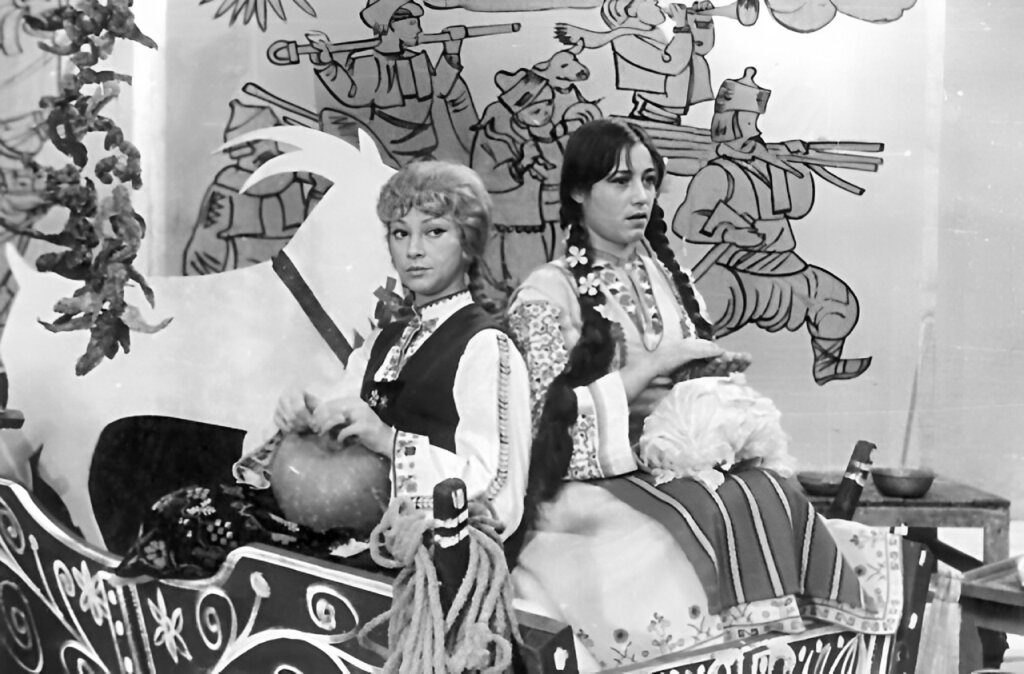
Maria Neykova and Pasha Hristova in the New Year’s Eve programme Kozya Pateka (“Goat Path”) at the end of 1971
PHOTO dir.bg
Her original song Good Evening, Good Night (Dobar vecher, leka nosht) received the Special Award of the Union of Bulgarian Composers at the prestigious Golden Orpheus festival, in recognition of “creating a new national style in Bulgarian pop music.”
On October 5 that year, the drama film The Goat Horn (Koziyat Rog) premiered. To this day, it is regarded as one of the greatest achievements of Bulgarian cinema. The film’s music became a defining part of Maria Neykova’s legacy as a composer and performer, most notably through the unforgettable song Dvama (Two of Us). The footage filmed by director Metodi Andonov affected Neykova so deeply that it literally made her ill. Nevertheless, within a week, she managed to sketch out several musical ideas for the film.
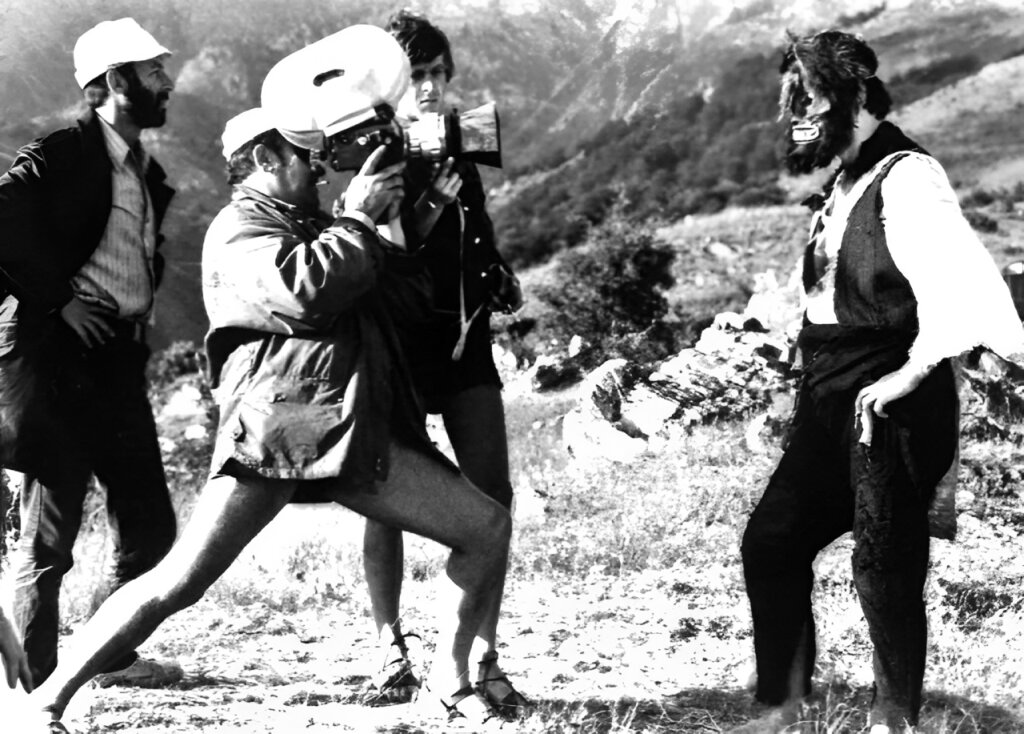
Director Metodi Andonov and cinematographer Dimo Kolarov during the filming of The Goat Horn
PHOTO arcnive
The melody of “Varvyat li dvama” (“When Two People Walk Together”) moved Andonov to tears, and he was adamant: this is the music for The Goat Horn. Later, poet Bogomil Gudev wrote the lyrics for the song, which became known as “Dvama”.
Maria Neykova composed another magnificent melody for what many consider “the greatest Bulgarian feature film of all time”, The Goat Horn. Today, the song “Svetat e za dvama” (“The World Is for Two”) holds a special place in the hearts and memories of several generations of Bulgarians, with its deeply human message of believing that separation cannot erase true love. The melody is set to lyrics by the distinguished poet, writer and journalist Dimitar Tochev. Rejected by Metodi Andonov for his legendary film, “Svetat e za dvama” went on to forge its own path, becoming one of the most recognisable Bulgarian pop hits.
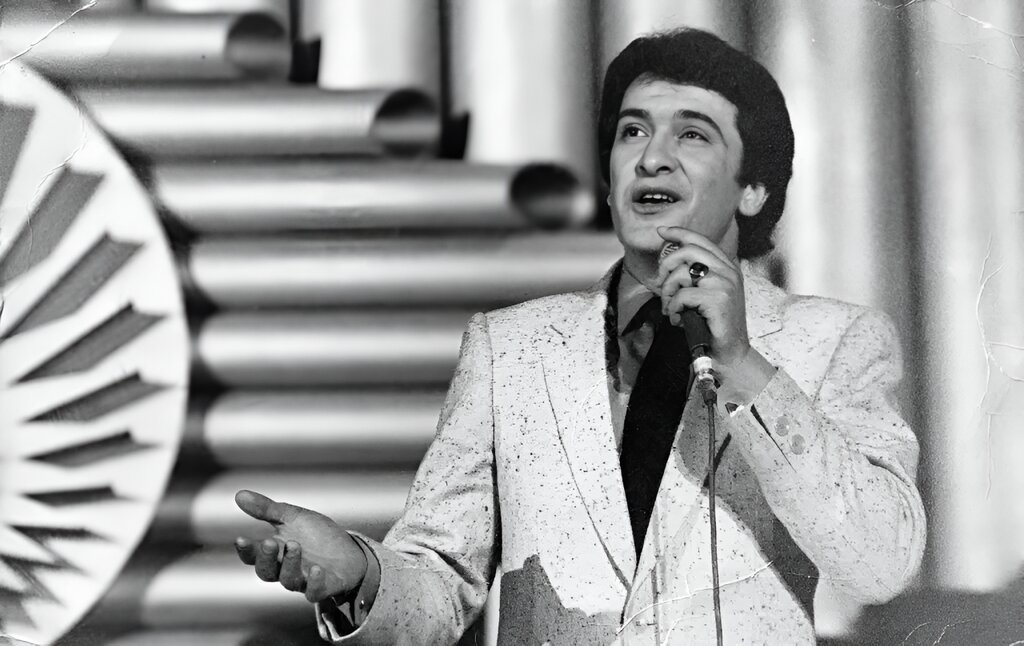
“The World Is for Two”- Orlin Goranov
PHOTO personal archive
Almost a decade after recording “Varvyat li dvama”, Maria Neykova wanted another singer to perform her other song inspired by The Goat Horn. Panayot Slavchev, who created the song’s deeply moving arrangement, proposed the young, charismatic Orlin Goranov, whose voice boasts an extraordinary velvety timbre. The combination of the melody, lyrics and the singer’s distinctive voice proved to be a perfect match. Years later, Orlin Goranov recalled in a television interview how the song was recorded at Bulgarian National Radio’s Studio One in just 55 minutes.
Moving and genuine, the song has remained, from the early 1980s to the present day, a symbol of the timeless bond between two people in love, transcending time and distance. One of the most evocative images in the lyrics is that of a spring blossom, where love must be sought. The feeling becomes part of nature itself-it is reborn, takes on new forms and continues to exist even after loss.
“The World Is for Two” captures the idea that life finds its meaning in being shared, and that love leaves traces that time cannot erase. Sometimes, a single song is enough to bring us back to what matters most-the person without whom the world seems different.
Translated by Kostadin Atanasov
This publication was created by: Kostadin Atanasov