


Author
Diana Tsankova
News
Swimmer Tsanko Tsankov prepares for his final Oceans Seven challenge
In August, the swimmer crossed the English Channel between Britain and France
Saturday 24 October 2026 11:40
Saturday, 24 October 2026, 11:40
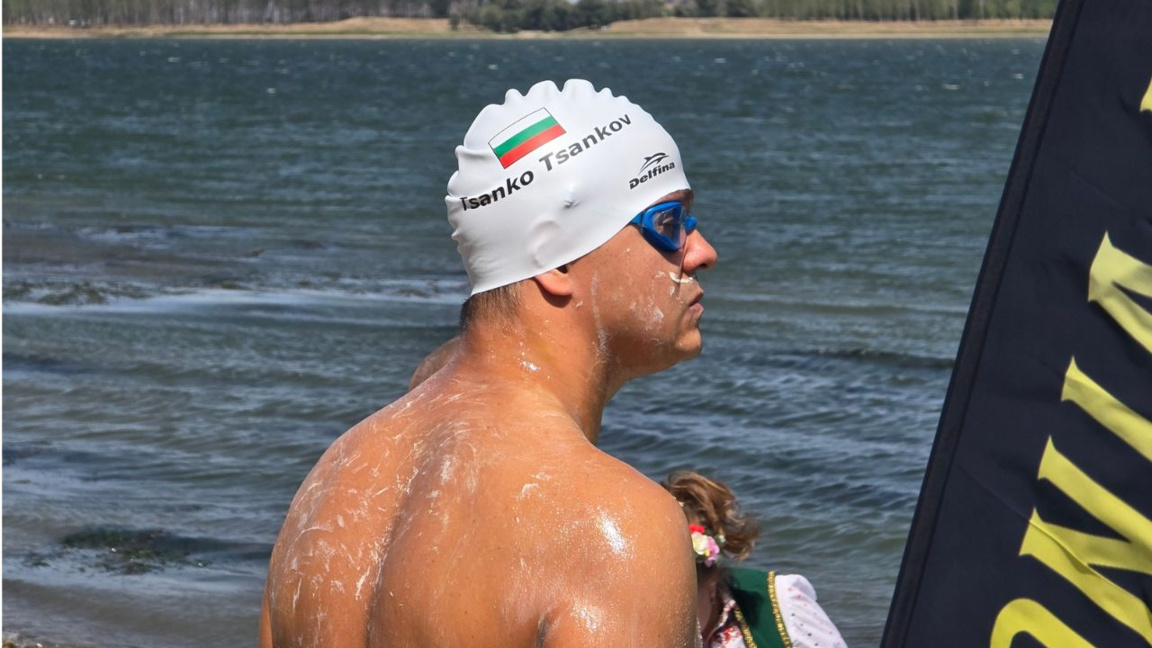
PHOTO BTA
Font size
Goals that test the limits of human endurance, and the satisfaction of overcoming the fears and doubts that stand between you and a cherished dream – these are at the heart of the story of an athlete who has completed six of the seven toughest swimming marathons on the planet. Driven by a desire to conquer ever higher and seemingly unattainable peaks, he is already preparing for his final challenge in the Oceans Seven.
In 2020, Tsanko Tsankov dreamt of becoming the first Bulgarian to swim across the Strait of Gibraltar, with its strong currents, fierce winds, high waves and sharp temperature changes. Two years later, he fulfilled that ambition by swimming from Europe to Africa, going on to add five more major feats to his impressive record.
“Behind me now are the Strait of Gibraltar, the Cook Strait in New Zealand, the Catalina Channel in the United States, the Molokai Channel in the Hawaiian Islands – the longest marathon in the world, the North Channel – the Everest of swimming, and a month ago I also swam across the English Channel”, Tsanko Tsankov told Radio Bulgaria.
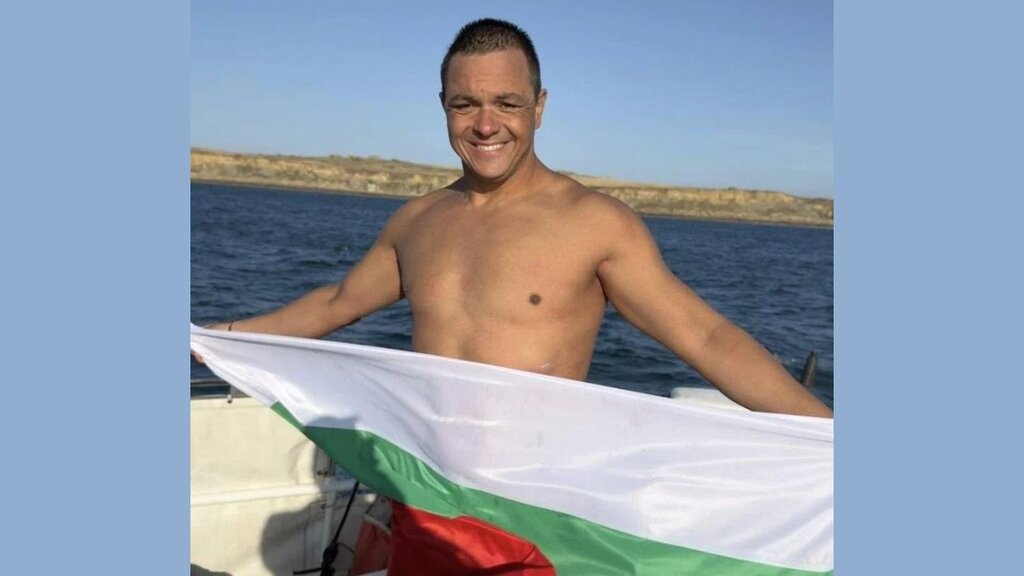
PHOTO Burgas municipality
For his latest 35-kilometre marathon, the swimmer had a twelve-hour window to attempt the crossing. Over the course of a week, he had to be ready at any time of day or night to enter the water, as the exact day and time were determined by a local team.
“This marathon swim has the longest history – 151 years – and is considered the birthplace of open-water swimming”, Tsanko Tsankov says. “I swam for hours through vast fields of venomous jellyfish that stung me the entire time. The channel has extremely strong currents, especially during the final few kilometres, when they usually flow against you and require immense effort to overcome.”
He was injured during one of the toughest stages – the final kilometres, when he was exhausted and at risk of hypothermia after long hours in the water in a horizontal position. As he tried to leave the water and climb onto the large rocks at Cap Gris-Nez, he lost his balance, fell and suffered cuts to his left arm and lower legs.
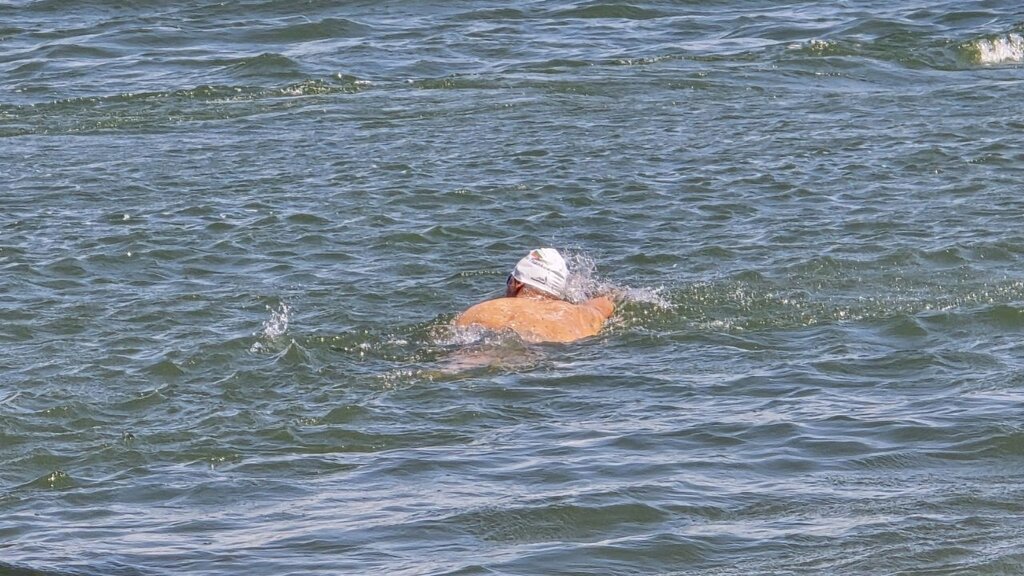
PHOTO BTA
Tsanko Tsankov knew the freedom of gliding through the waves before he could even walk.
“I was born and raised in Burgas, and since childhood I have had a strong bond with the sea”, he recalls. “Back then, I used to spend hours on end in the water during the summer, and that is where my love for open-water swimming was born. It gives me an extra sense of freedom, and I feel the sea is my second home.”
In addition to conquering almost all of the toughest swimming marathons on the planet, he holds world records in winter swimming, set in extreme conditions with water temperatures just below zero degrees Celsius. These include records over 1,000 metres, the longest distance, and in the 450-metre freestyle.
Before each challenge, the champion thoroughly researches the location where he will spend hours swimming. “I try to leave as few unknowns as possible”, he states. Success, however, depends above all on mental resilience – the ability to endure pain and discomfort for hours on end. That is why, in marathon swimming and elite sport in general, 70 per cent of an athlete’s performance comes down to mental attitude.
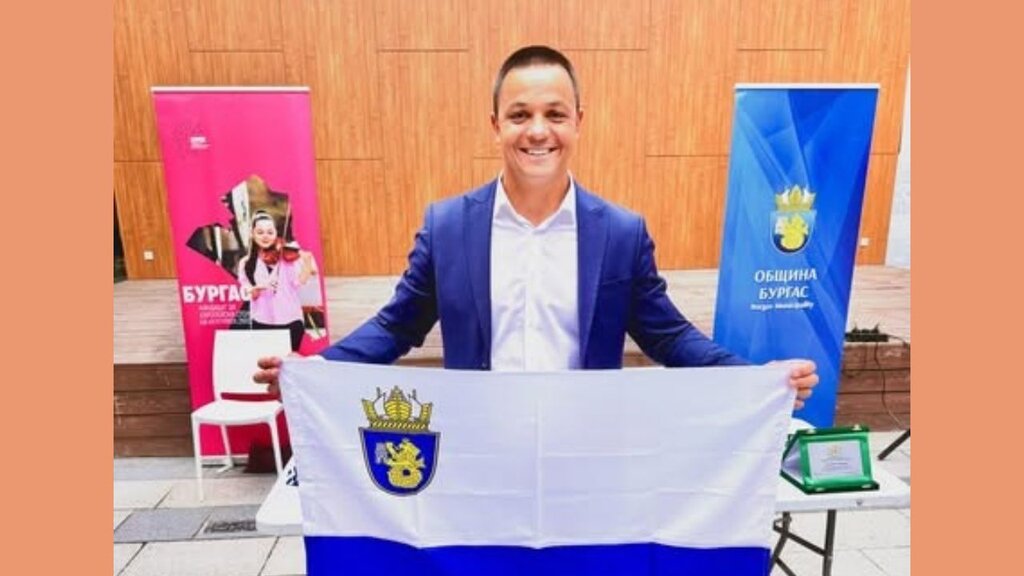
PHOTO Instagram /tsanko.tsankov1
“I try to do a large part of my preparation in conditions similar to those I will face. For example, for the English Channel crossing, I did 90 per cent of my training in the Black Sea in my hometown. Twenty-five of those sessions took place after 10 p.m. in pitch darkness, to prepare for swimming alone at night far out at sea, which many people fear. Another fear when swimming over deep water is the presence of marine life – including stingrays, sharks, whales, killer whales, venomous jellyfish and other dangerous creatures. So you have to visualise the experience in advance to know what awaits you.”
While he chooses open water over the safer environment of the swimming pool and faces the unknown every time, on dry land Tsanko Tsankov prefers peace and quiet: “I love the peaceful moments when I have the opportunity to reflect, plan my schedule and spend time with my family.”
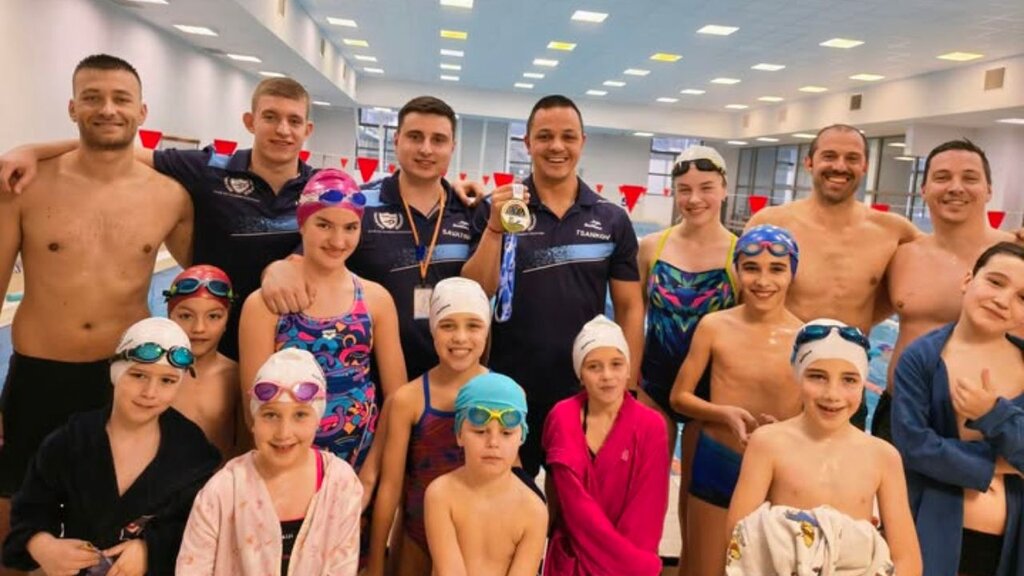
PHOTO Facebook /Tsanko Tsankov
He also devotes time to around 400 young swimmers at the sports club he chairs. He motivates those who have chosen to follow in his footsteps through personal example as well as words – encouraging them to dream, turn their dreams into goals and never give up when things get difficult. And when the swimmer himself is on the verge of exhaustion, with miles of open water still ahead, he pictures the places where he feels best, his loved ones and the sun shining over his hometown.
One day, once he has fulfilled his goals, Tsanko Tsankov will retire from marathon swimming and ice swimming. Before that, however, next summer he plans to conquer his seventh “peak” by swimming across the Tsugaru Strait in Japan. And in early 2027, he will compete in the European Ice Swimming Championships and the World Cup.
Tsanko Tsankov has now swum more than 57,000 kilometres in training and competition – more than the circumference of the Earth at the equator. “I don’t know how far my strength will take me – the results will show”, he says, adding with a smile: “One thing is certain – I have swum much more than I have walked in my life.”
Editor: Elena Karkalanova
Translated by Yoana Avramova
This publication was created by: Elizabeth Radkova