


Friday 23 October 2026 10:37
Friday, 23 October 2026, 10:37
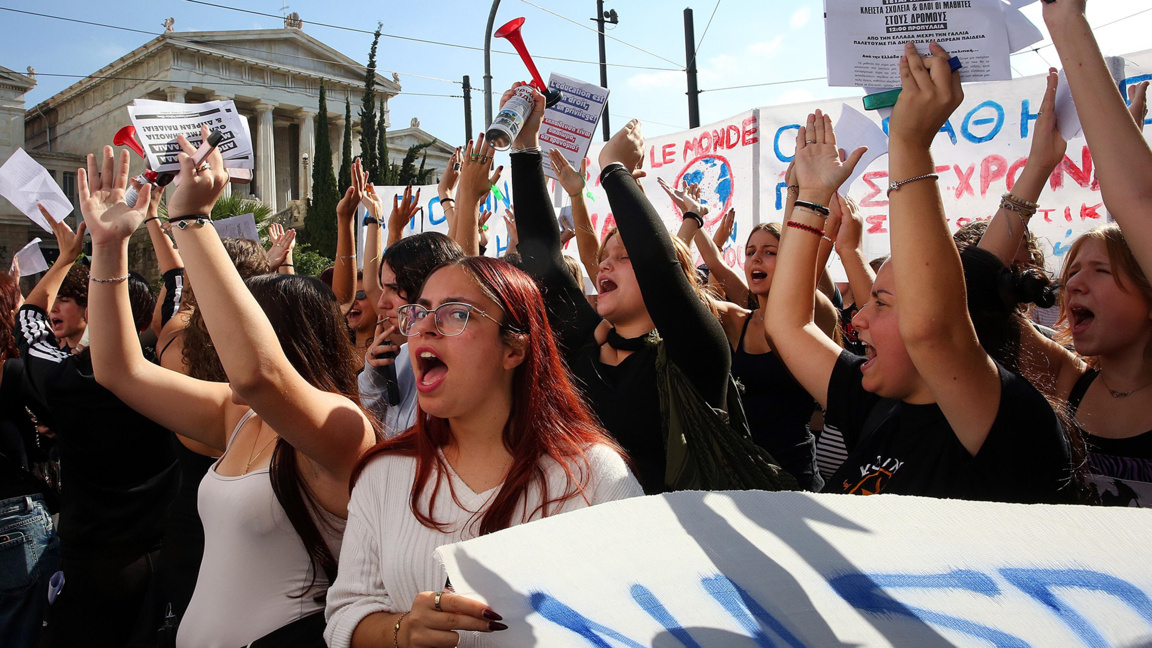
PHOTO EPA/BGNES
Font size
Students protest in Greece over high cost of living and education
Students and teachers staged mass peaceful protests in 50 Greek cities against the high cost of living, expensive education and the government’s social policies, BNR correspondent Katya Peeva reported. Tent camps were set up in university centers, and school pupils and parents also joined the demonstrations.
In Patras, protesters demanded housing allowances and scholarships for all students, noting that hundreds of high-achieving students are being forced to suspend their studies for financial reasons. Students in Thessaloniki also urged the government to address their concerns and expressed solidarity with young protesters in France.
Opposition MPs and numerous mayors also joined the rallies, voicing support for the students’ demands.
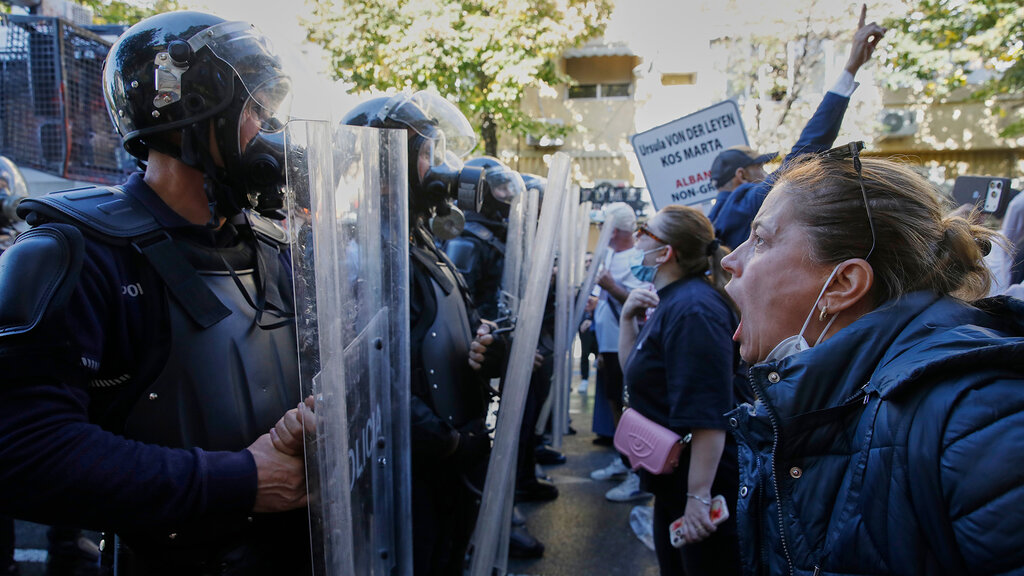
PHOTO AP/BTA
Protests in Tirana intensify, increasing pressure on Edi Rama
Student protests in Albania over high tuition fees and insufficient education funding have continued for ten days. The demonstrations have grown into wider anti-government rallies, with protesters demanding the resignation of Prime Minister Edi Rama. Tensions have also reached Parliament, where opposition MPs blocked the podium.
In recent days, the protests have been accompanied by clashes with police. Demonstrators threw stones and Molotov cocktails at security forces, who responded with water cannons and tear gas.
University lecturers have joined the protests, announcing a teaching boycott in support of the students’ demands, Euronews Albania reported. Rama called for dialogue, but the students rejected the proposal. A nationwide protest is scheduled for October 24 in Tirana, with organisers also urging Albanians living abroad to take part, Balkanweb reported.
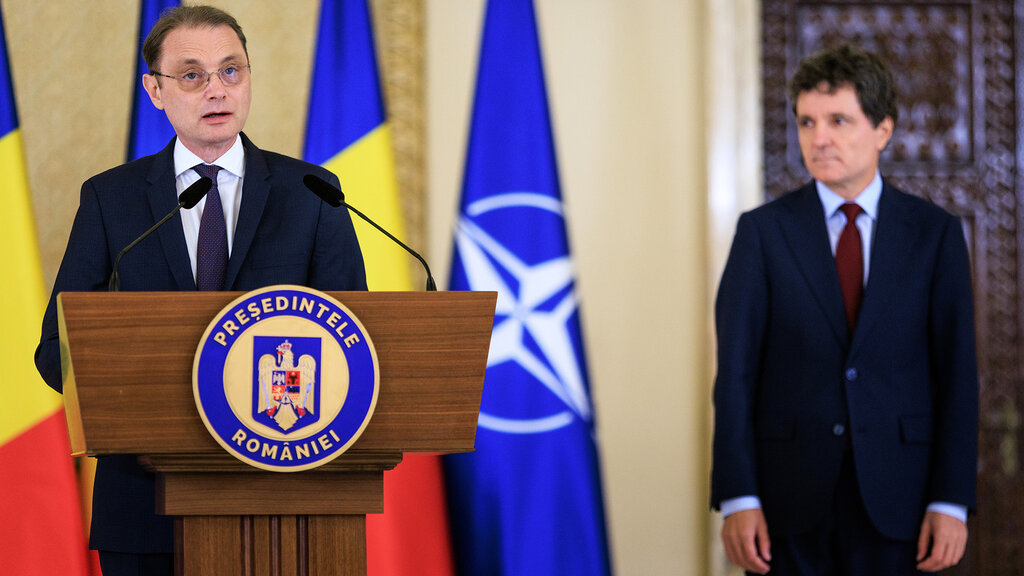
Romania’s new prime minister Luca Niculescu
PHOTO AP/BTA
Romania forms new government after six months of political crisis
Romania has a new government after nearly six months of political crisis. On October 20, Parliament approved the cabinet of independent Prime Minister Luca Niculescu with 280 votes, well above the 233 needed for a majority, digi24.ro reported. The government includes Social Democrats and independent ministers. It also received support from the National Liberal Party of outgoing Prime Minister Ilie Bolojan, which remains in opposition, in an effort to overcome the country’s political deadlock.
The new government takes office following a crisis that began when the Social Democratic Party withdrew from the governing coalition, followed by a successful no-confidence vote against Bolojan’s government in May. Its main priorities include curbing the budget deficit, preparing the 2027 budget and improving living standards.
According to Reuters, Romania faces the risk of a credit rating downgrade if it fails to adopt a budget that includes measures to reduce the deficit.
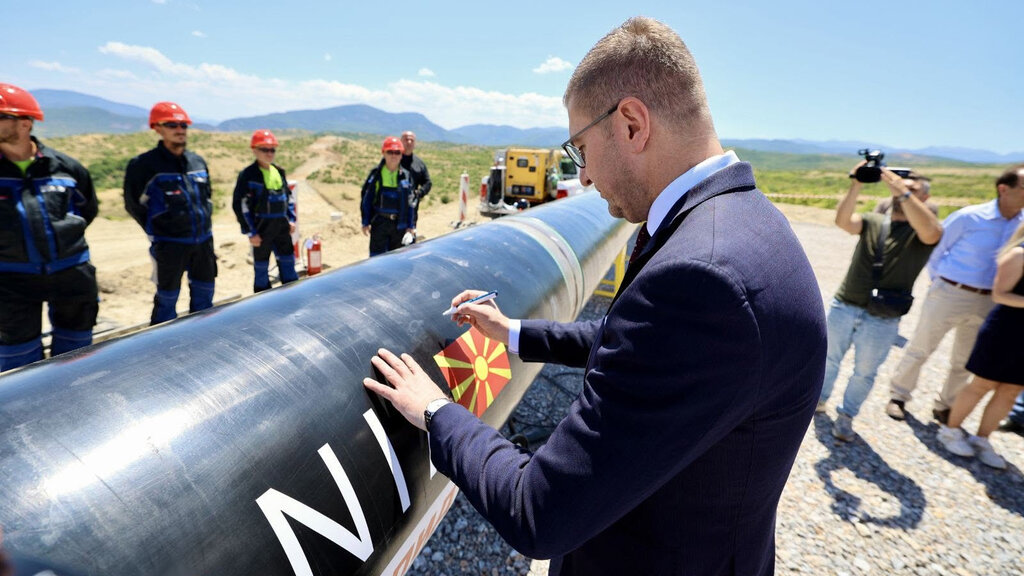
Hristijan Mickoski
PHOTO 360stepeni.mk
New gas pipelines with Greece and Serbia to boost North Macedonia’s strategic importance
North Macedonia is actively working on building two gas interconnectors with Greece and Serbia. Prime Minister Hristijan Mickoski said this will significantly boost the country’s geostrategic importance. On October 16, he said the connection with Greece is expected to become operational by mid-2027, while the one with Serbia is scheduled to be completed by the end of 2028, 360stepeni.mk reported.
The two gas pipelines will improve connectivity with the regional gas network and create opportunities for investment in electricity generation. According to Mickoski, they will also enable coal-fired power plants to be modernised by switching to natural gas while preserving jobs. The state-owned energy company is already in talks with the World Bank about such a project
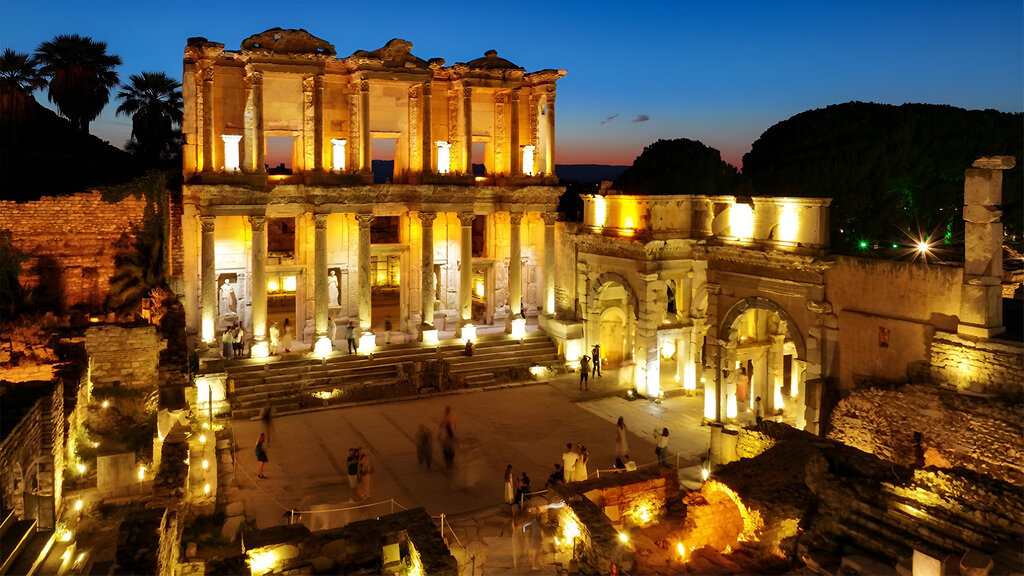
PHOTO trthaber.com
Over 1 million tourists visit Türkiye’s museums and ancient sites at night
More than 1.3 million people visited museums and archaeological sites in Türkiye at night between June 1 and October 1 as part of the 2026 “Night Museums” programme. Visitor numbers rose by 32% compared with the previous year, TRT Haber reported, citing Culture and Tourism Minister Mehmet Nuri Ersoy. The initiative allows tourists to visit 22 museums and illuminated archaeological sites after sunset, with opening hours extending until 10 or 11 p.m.
The ancient city of Ephesus, near Izmir, topped the list with more than 501,000 visitors. Galata Tower in Istanbul ranked second with nearly 278,000, followed by the ancient city of Hierapolis near Pamukkale, which attracted around 191,000 visitors.
Due to strong demand, night-time visits to Göreme in Cappadocia will continue until October 31, while Galata Tower will remain open for night visits throughout the year.
Edited by Miglena Ivanova
Translated by Kostadin Atanasov
This publication was created by: Kostadin Atanasov