


Author
Gergana Mancheva
“Have peace among yourselves”
St John of Rila’s call for peace is motto of Bulgarian-Greek forum in Athens
Friday 23 October 2026 14:04
Friday, 23 October 2026, 14:04
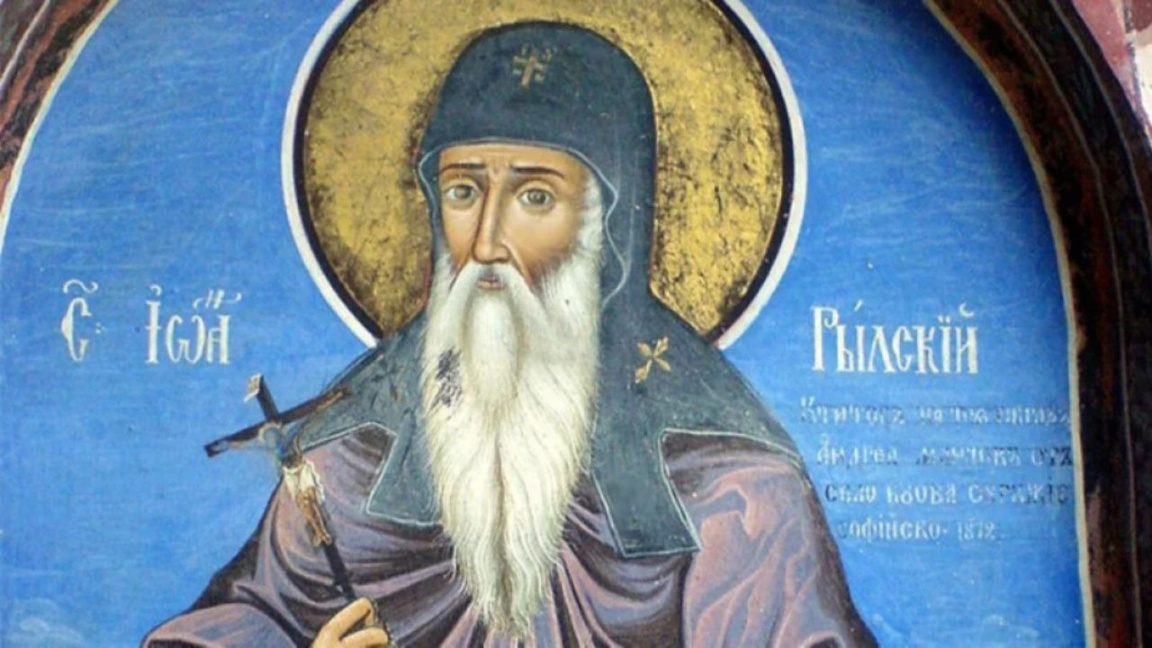
PHOTO BNR
Font size
The relic of St John of Rila’s right hand, kept on the Greek island of Tinos, is a little-known link between Bulgaria and Greece, says forum coordinator Gencho Banev.
An academic forum taking place in Athens from 22 to 25 October marks the 1,150th anniversary of the birth of St John of Rila the Wonderworker, celebrated this year.
Historians and Slavic scholars from the universities of Thessaloniki and Athens, alongside representatives of Bulgaria’s academic community, have been invited to take part in “Days of St John of Rila in Athens – Spiritual Heritage Beyond Borders”. The initiative has also attracted interest from Greek students and dozens of families whose children attend Bulgarian Sunday schools in Greece.
The forum explores the saint’s spiritual legacy across several disciplines, showing how it brings cultures together. The earliest accounts of his life in Bulgarian and Greek bear witness to this, as does his image on Bulgaria’s one-euro coin today — a symbol of a shared European spiritual tradition. The academic round table in Athens will explore questions of theology, hagiology, history, literature and contemporary social developments.
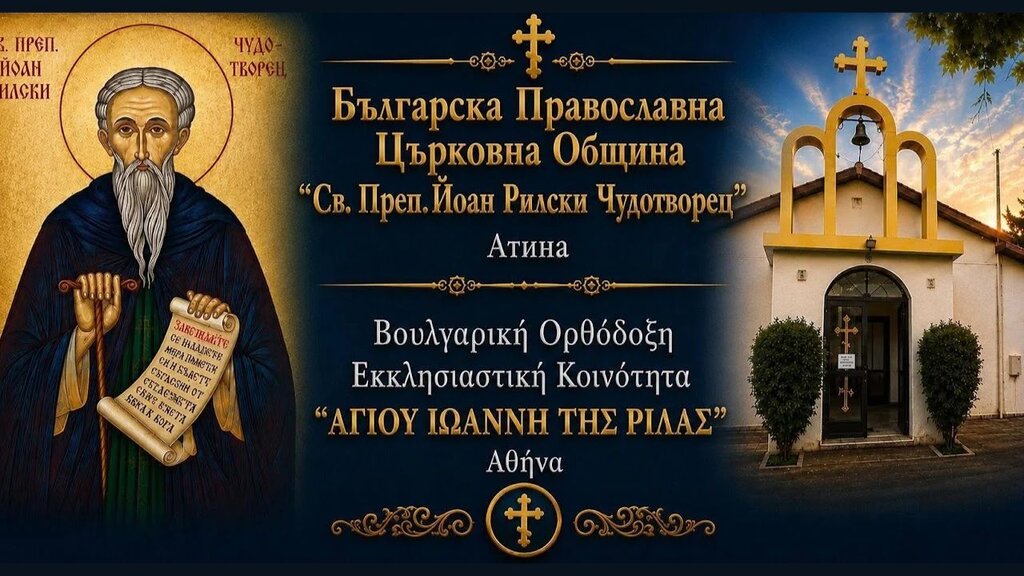
PHOTO graecobulgarica.gr
The second part of the forum focuses on the Bulgarian diaspora, good practices from Bulgarian Sunday schools abroad and educational projects aimed at building a network of cooperation beyond Bulgaria’s borders. The programme is headed by a simple message from the life of St John of Rila: “Have peace among yourselves.”
That message, passed down a millennium ago, seems to shine through the children’s drawings dedicated to the patron saint of all Bulgarians. The exhibition, which accompanies the academic programme, features work by pupils at Bulgarian schools in Greece, Bulgaria, Spain, Germany, Italy, the United Kingdom and elsewhere.
“This is an encounter between Bulgaria’s spiritual heritage and the world of children’s imagination,” says Maya Lungolova, chair of the board of the Ivan Seliminski Centre.
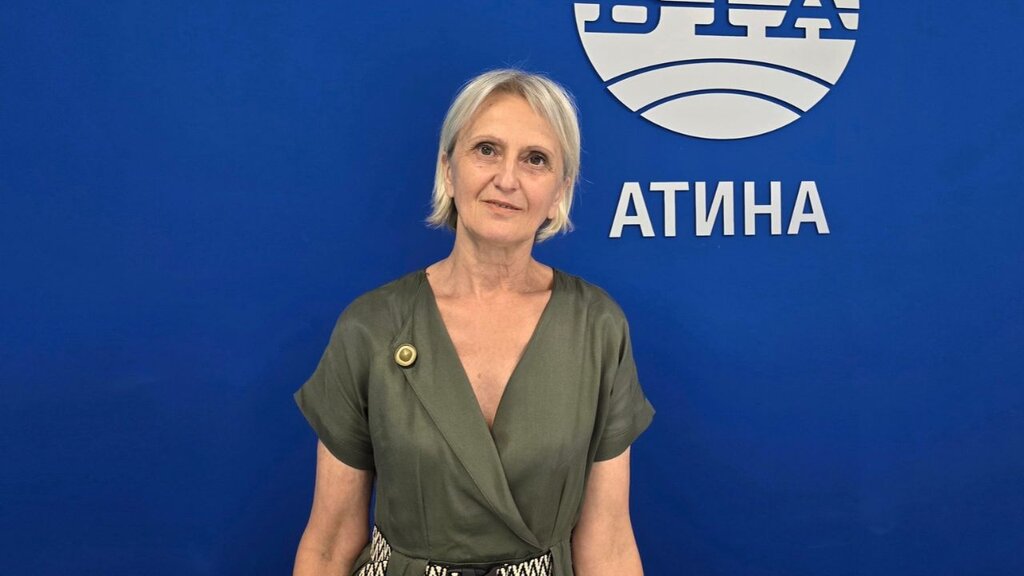
Maya Lungolova
PHOTO BTA
“Our idea was to see how the spiritual example of our holy father, St John of Rila the Wonderworker, could come to life through colour, imagination and our children’s talents. When I say ‘our children’, I mean all of them, both in Bulgaria and abroad. They simply exceeded our expectations. They did not just depict the saint’s daily life and his likeness, but told little stories, taking us back to the legends of the little shepherd of the Rila Mountains and his meeting with Tsar Peter. All this can be seen in the drawings. The drawing competition is not about competing with one another; the best drawings are simply selected for the exhibition.
“The Bulgarian church in Athens, which bears the saint’s name, is the focal point of the anniversary celebrations, bringing together Bulgarian scholars, students and Sunday school teachers in the Greek capital. Everyone will gather there again this Sunday, 25 October, for a Divine Liturgy at 9 a.m. in thanksgiving and praise of St John of Rila. A representative of the Bulgarian Orthodox Church, sent by the Holy Synod in Sofia, will also take part in the service.”
“Preparations began two years ago, when we put together a small booklet about the church made available to the Bulgarian community in Athens,” explains Gencho Banev, a lecturer in Bulgarian at the University of Athens and coordinator of the forum.
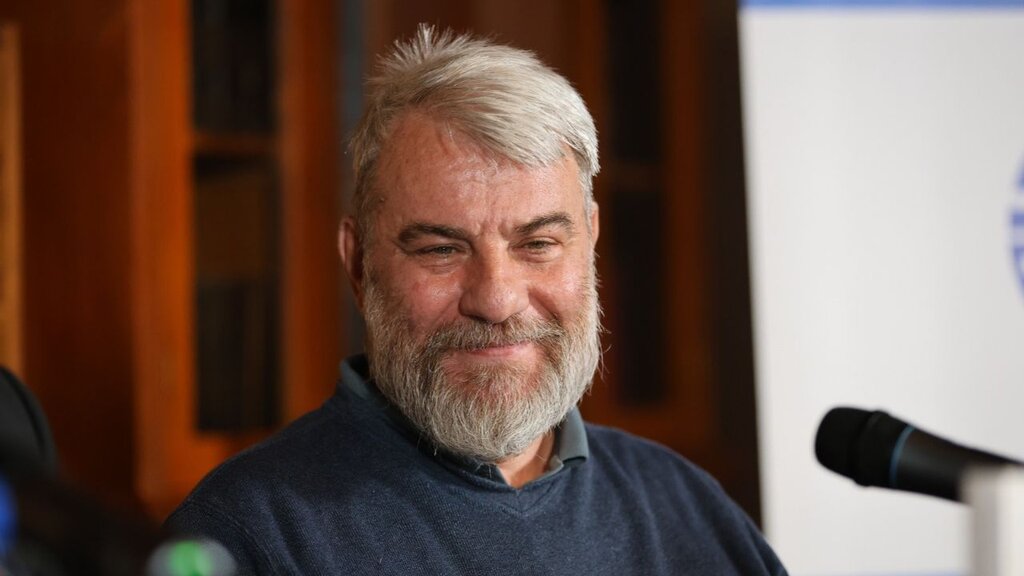
Gencho Banev
PHOTO BTA
“Bulgaria and Greece are linked through the memory of St John of Rila in a very unusual way that few people know about. The saint’s right hand is in Greece, on the island of Tinos. We visited the monastery where the relic is kept and spoke to the people there. That was how the idea of bringing the celebrations together in Athens came about. And so our celebration of the Bulgarian saint begins right beneath the Acropolis, where the club hosting the exhibition of children’s drawings is located.
“The celebrations are on a larger scale, with many students from different countries taking part in translating literary works. There is considerable interest. Distinguished lecturers and researchers from the universities of Athens and Thessaloniki are coming especially for the event. One of the speakers will present his research into the relic of the saint’s right hand and how it came to Greece. Scholars believe it reached the Aegean islands in the late 18th century and came to Tinos in the early 20th century. The saint is deeply revered in Greece as well as in Bulgaria. In the early 20th century, a prominent Greek writer composed a liturgical service in his honour. The text explicitly identifies the relic as the hand of St John of Rila, from the Rila Mountains in Bulgaria,” says Gencho Banev.
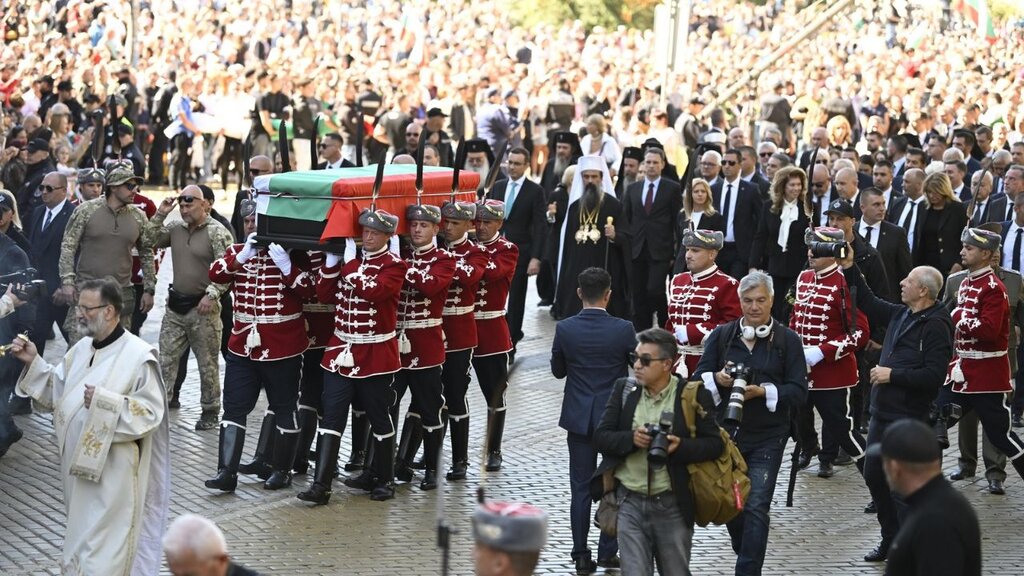
Ceremony welcoming the remains of Tsar Samuel to Bulgaria (3 October 2026).
PHOTO BGNES
History shows how closely connected we are here in the Balkans. One example is the return from Greece of the remains of the medieval Bulgarian Tsar Samuel and their ceremonial interment in St Sophia Church, an act affirming the good-neighbourly relations between the two countries. Scholars attending the Bulgarian-Greek academic forum in Athens say there is much more of interest concerning the written records and relics of the Rila hermit that has yet to be substantiated through research and published.
Editor: Elena Karkalanova
This publication was created by: Elizabeth Radkova