


Author
Yoan Kolev
Legal expert Toncho Kraevski tells Radio Bulgaria:
National unity is the purpose of the presidency
Sunday 25 October 2026 06:55
Sunday, 25 October 2026, 06:55
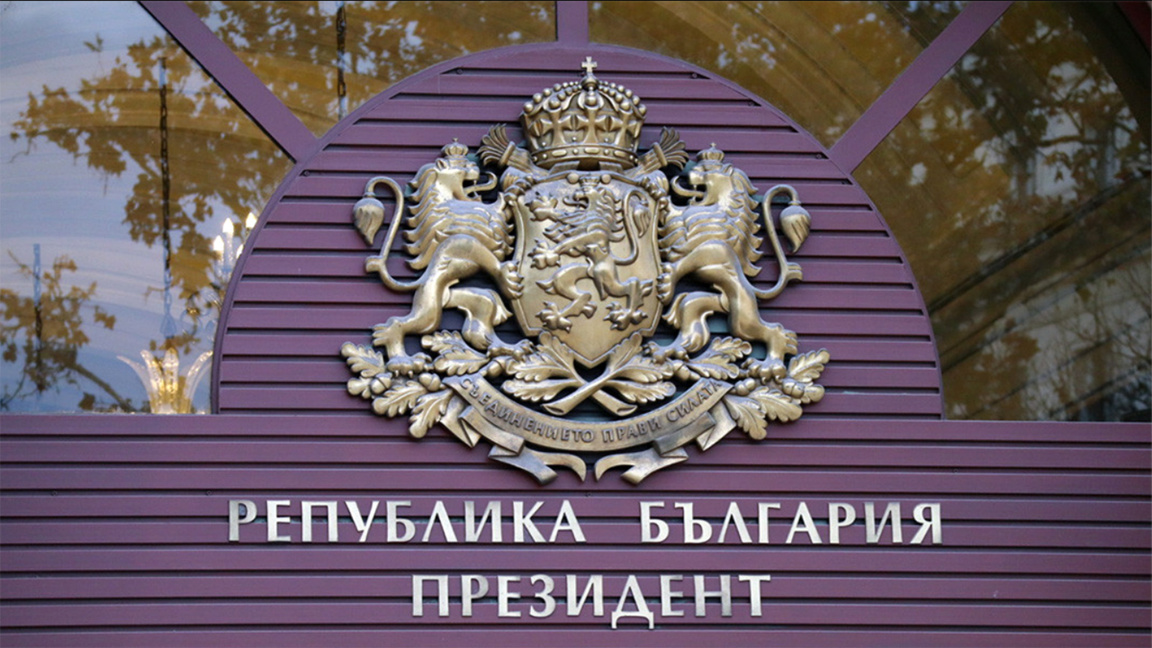
PHOTO BGNES
Font size
With just hours to go before Bulgaria elects its seventh president, it is worth recalling the office’s powers and its place in the country’s system of government. Bulgaria is a parliamentary republic, and many people see the head of state’s role as purely ceremonial. Yet the president is directly elected by the Bulgarian people for a five-year term, serves as commander-in-chief of the Bulgarian Armed Forces and represents the country in international relations.
Parliament calls the presidential election. The president-elect and vice-president-elect take their oath before MPs three days before the incumbent president and vice-president’s term expires.
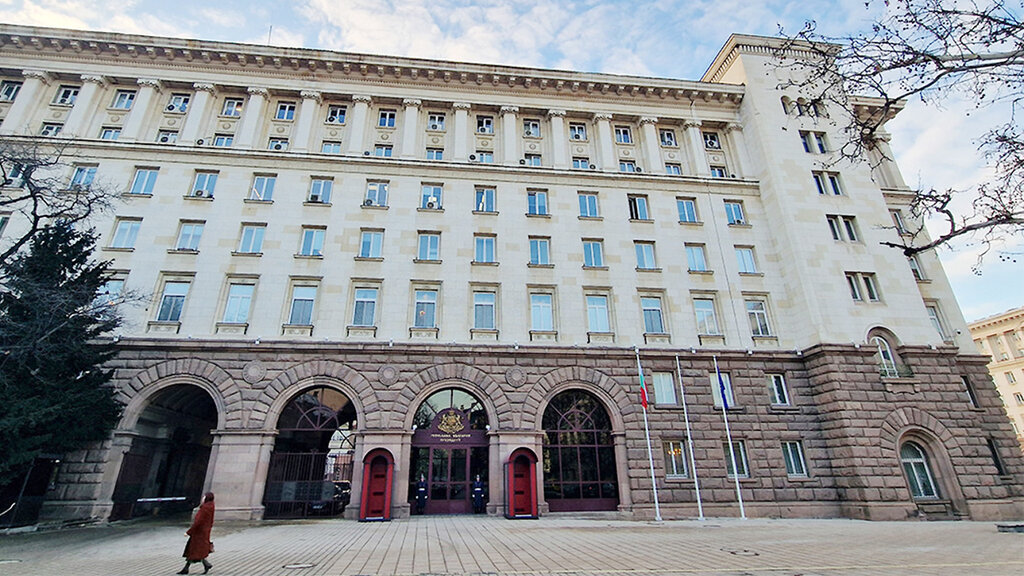
PHOTO BTA
The president’s main powers are set out in the Constitution. They include:
- Calling parliamentary and local elections;
- Setting the date of a national referendum following a parliamentary decision;
- Addressing the nation and parliament;
- Promulgating laws or vetoing them and returning them to parliament for further consideration;
- Taking part in the process of forming a government;
- Appointing diplomatic representatives and state officials;
- Granting citizenship, asylum and pardons, and cancelling uncollectible debts owed to the state;
- Concluding international treaties in the cases provided for by law and on the proposal of the Council of Ministers;
- Making appointments to several public bodies: two of the five members of the Council for Electronic Media, four of the nine members of the Commission for Protection against Discrimination, and three members of the Bulgarian National Bank’s Governing Council. The president also issues the decree appointing the Central Election Commission, following mandatory consultations with the political parties represented in parliament;
- Awarding orders and medals and exercising other powers expressly conferred by the Constitution and the law.
The president plays a key role in the promulgation of legislation. Laws are debated and passed by parliament, after which the president signs the decree for their publication in the State Gazette.
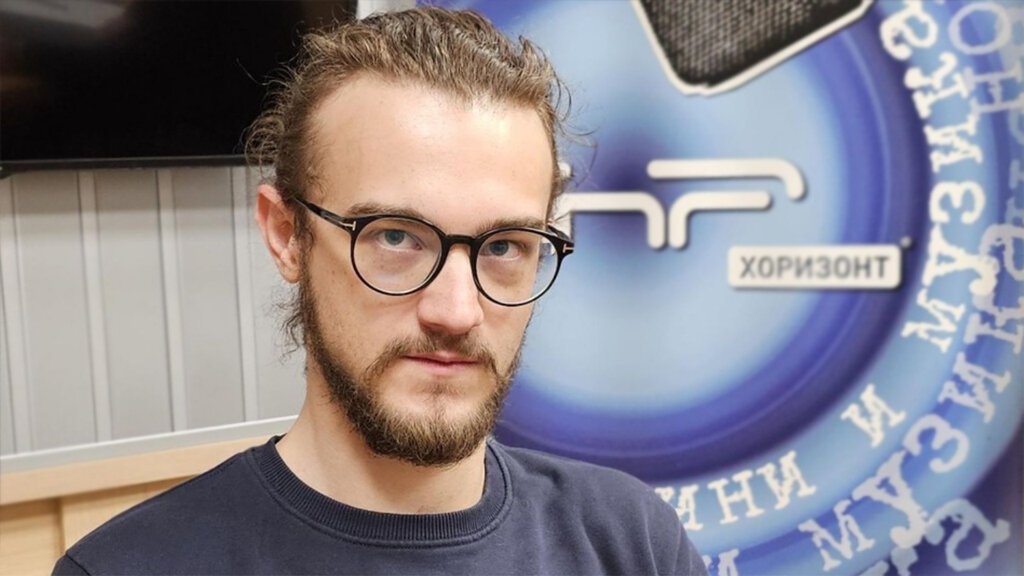
Toncho Kraevski
PHOTO Ivan Ruslanov
“In such cases, the president can be quite a powerful political figure. If the president chooses to act politically, a number of the most important appointments in the country, including that of the prosecutor general or the government, cannot take effect without the head of state’s signature, because they must be signed before they can be published in the State Gazette,” legal expert Toncho Kraevski explained in an interview with Radio Bulgaria. “This makes the president’s power both symbolic and complete, because nothing can happen without publication.”
One important aspect of the president’s role receives too little attention: embodying the unity of the nation. Understanding this idea is essential to understanding the purpose of the presidency, Kraevski stresses.
“National unity is not an aesthetic concept or merely symbolic. It is a premise on which Bulgaria’s Constitution rests. For a constitution to exist, someone must have adopted it. We must assume that there is an entity that adopted it, and that is the Bulgarian people. The people give expression to their unity through their institutions – the Grand National Assembly, the ordinary National Assembly and the president. Most of the time, it is an ordinary National Assembly that is in session, divided into parties that very often cannot reach a consensus, as has happened repeatedly in recent years. This prevents them from upholding the unity presupposed by the Constitution. So parliament cannot always guarantee national unity, which is why it matters that one person should embody it. This does not mean dictatorship or authoritarianism.”
Kraevski described the constitutional amendments adopted in 2023 as politically expedient and aimed at a particular president. The changes restricted the head of state’s choice of caretaker prime minister to the holders of ten specified public offices. Before the amendments, the president was free to choose any Bulgarian citizen who met the eligibility requirements for an MP. In Kraevski’s view, the changes “delegitimise both the process and its outcome and are in thoroughly poor taste”.
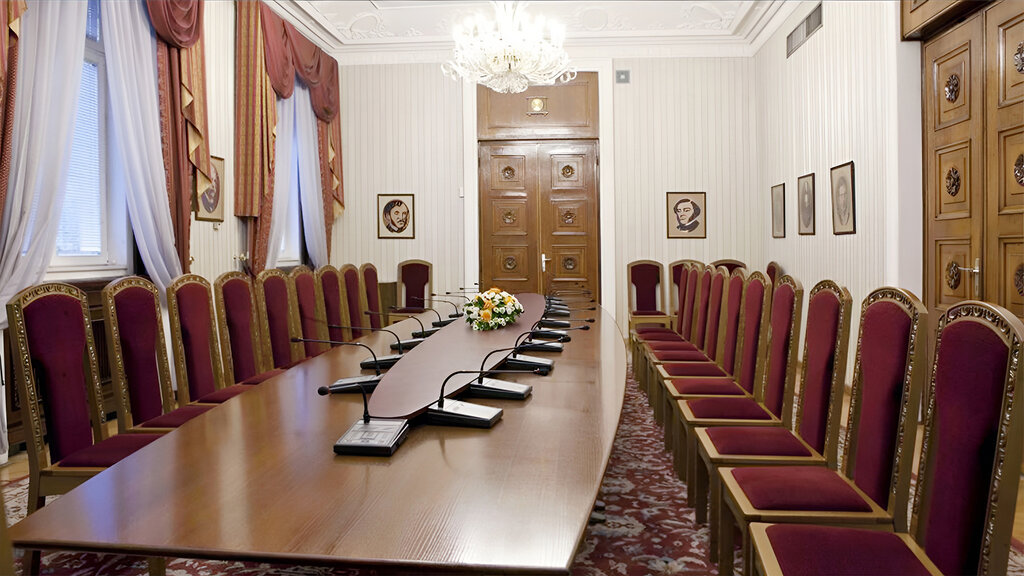
PHOTO president.bg
The powers to grant citizenship and pardons also stem from the idea of national unity, he says.
“Let’s take the more obvious of the two – granting citizenship. This is the power to decide who belongs to Bulgarian society, to the Bulgarian political community, and who does not, because citizenship carries political rights. In other words, we determine who is one of us, who can decide our fate alongside us, and who remains outside. Like granting pardons, this is one of the old powers of the monarch. These powers are now exercised by the head of state, even though we have adopted a democratic, republican system of government.”
The president often delegates some of these powers to the vice-president, who assists with duties such as granting citizenship and pardons, Kraevski notes. He says the vice-president’s role is essential to ensuring continuity if the president is unable to remain in office. The vice-president stands ready to take over and complete the presidential term should anything happen to the head of state.
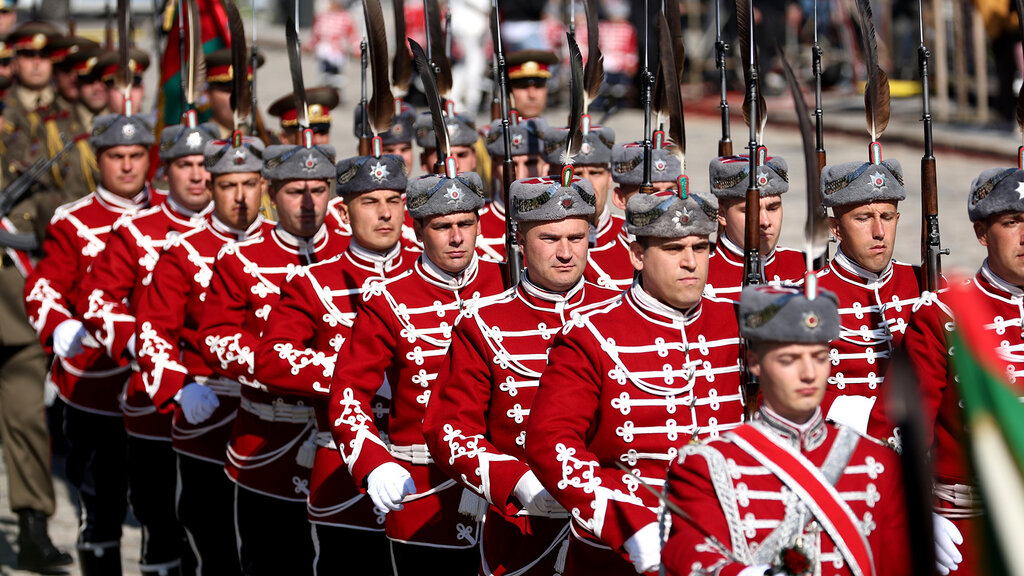
PHOTO BTA
Bulgaria’s president is also commander-in-chief. What does that mean?
“It means that, in a republic, the final say on appointing officers, making decisions in wartime, and indeed determining whether a situation constitutes war – the most important power of all – must rest with civilians. Parliament can decide whether Bulgaria is at war, but it cannot take direct control of military operations. The head of state is therefore the guarantee of civilian, democratic authority over military action, ensuring that it does not remain entirely in military hands. The president is a safeguard against militarist rule: the final say rests with a civilian. And the more knowledgeable that civilian is about warfare, the better, because they will not become an instrument of the generals’ will,” Kraevski says.
Editor: E. Karkalanova
This publication was created by: Elizabeth Radkova