


Author
Albena Bezovska
Tuesday 27 October 2026 08:25
Tuesday, 27 October 2026, 08:25
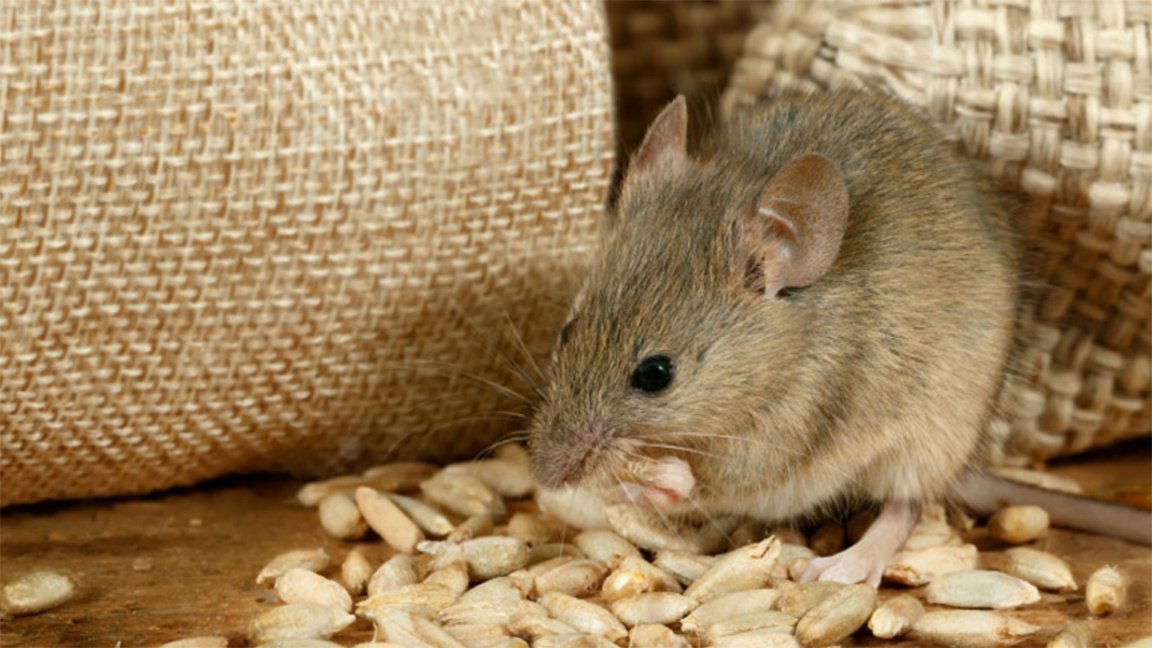
PHOTO Pixabay
Font size
It is an established fact that before converting to Christianity, proto-Bulgarians used a 12-year East Asian calendar cycle in which every year was named after a given animal. Studies of the so-called Nominalia of the Bulgarian khans have found that the calendar of the proto-Bulgarians coincides fully with the Chinese calendar we know today. The months are even named after the same animals – the first year is samor (mouse), the second – shegor (ox) and so on. The Bulgarian folk calendar includes special days dedicated to appeasing this cunning and troublesome little creature. One of them falls on October 27, a day traditionally known by our ancestors as Mouse Day (Mishinden).
In the folklore of our ancestors, the mouse was seen as a symbol of impure chthonic forces. There is even a legend that mice can be inhabited by unclean spirits and demonic creatures. This applied to both house mice and field mice, which damaged crops, roamed through barns and cupboards, ate stored food, and gnawed on fabrics and clothing.
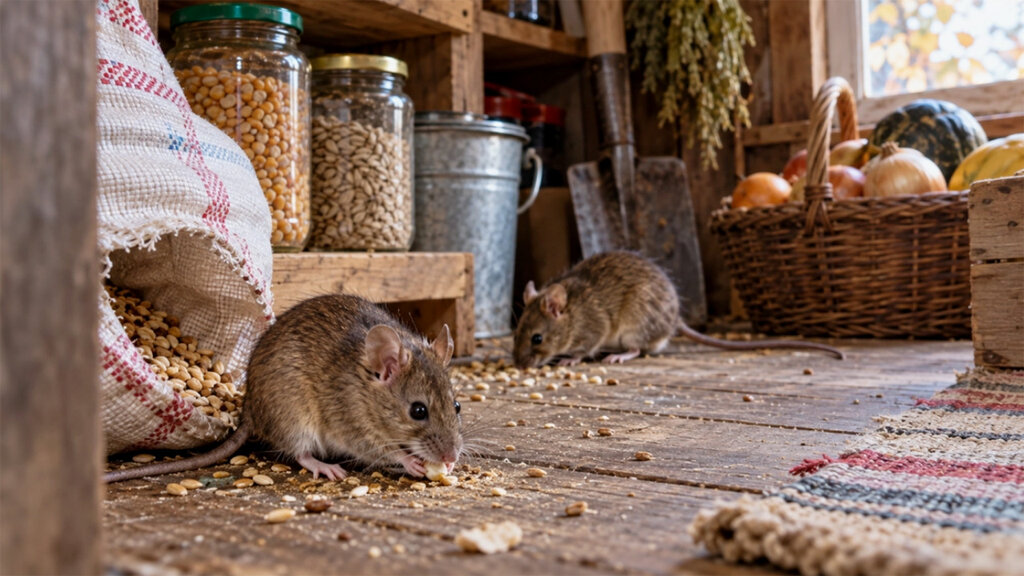
PHOTO Pixabay
Not being able to find any way to fight this mischievous animal, peasants turned their attention to the spiritual sphere, writes renowned Bulgarian ethnographer Dimitar Marinov and adds that it was believed the mouse was a “tiny spirit which cannot be vanquished except by supplication and appeasement”. In honour of mice, people once organized so-called Mouse Days, lasting one, three or, more rarely, seven days. Most often the Mouse Days are around 27 October, the day of St. Nestor, or in some parts of the country the 24 November, the day of St. Catherine, who is, according to popular belief, the patron saint of rats.
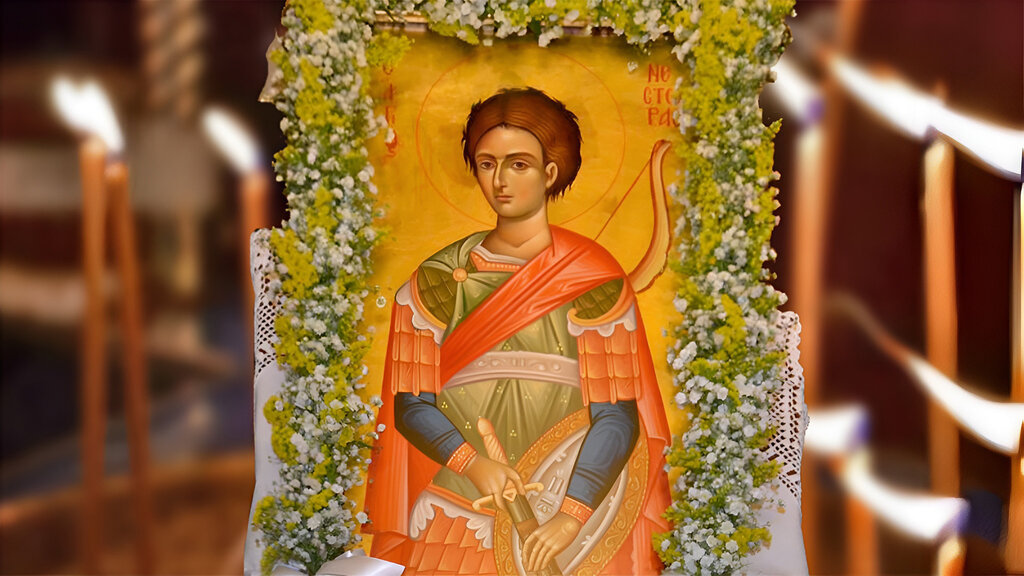
Saint Martyr Nestor of Thessalonica
PHOTO pronewsdobrich.bg
For the ruptsi ethnographic group in Strandzha and the Rhodopes, as well as the migrants coming to Dobroudzha, the mouse days fall on Trifuntsi (1,2 and 3 February), in some towns and villages of the same regions – on Dog Monday (the first day of Lent and St. Todor’s day week). The rituals performed on these days are intended to ward off and drive away harmful rodents. With their eyes closed, women smear mud over the floor around the hearth, the mice’s holes, and the four corners of the room, symbolically “sealing the mice’s eyes.”
To “sew up” the lips of the vermin, people in Eastern Thrace would make stitches on a piece of cloth and then throw it into the fire. On Mouse Days no animal names should be said out loud, people would call them “lads”, “grouse” etc. There are other prohibitions as well – working with wool or sharp objects is not allowed, nor is opening chests of clothes, the lard keg or the flour box. “Mouse weddings” were once put on during Mouse Days or at another time of the year. Two women with the same name would catch a male and a female mouse, “dress them up” as bride and groom, tie them to one another and put them inside a basket or wooden bowl. The whole village would follow the “newlyweds” to the sound of wedding music. They would go to the forest, next to a river or up a hill and would let the mice loose. It was believed all other mice would follow and the homes and the village would be rid of them. After that the villagers would all sit down to a festive dinner.
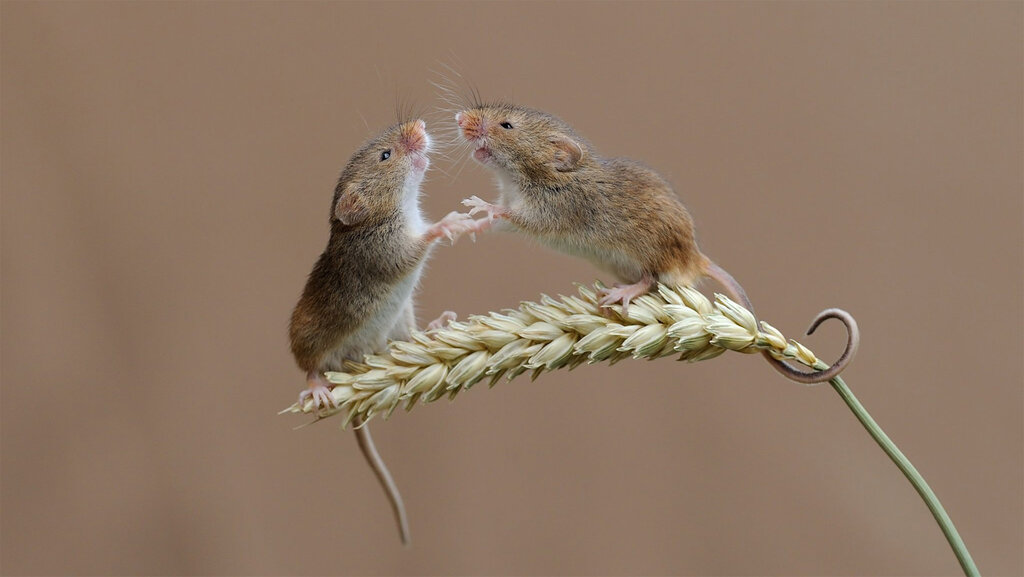
PHOTO Pixabay
It was once said that mice would never infest a home where Mouse Days were observed. If mice did appear, it was taken as a sign that someone in the family was stealing or secretly taking things out of the house, that daughters-in-law were disobeying their mothers-in-law, sons were defying their fathers, or that there was discord among family members.
In folk tales, the mouse is often brave and cunning, but also overconfident. The expression "as poor as a church mouse" refers to someone who is extremely poor. We use the phrase "blinking like a mouse in bran" to describe a person who has been unpleasantly surprised and does not know how to react.
According to the folklore dream book if you dream of a mouse you shall have worries, friends will leave you… If you dream you are chasing a mouse – good things shall enter your life, and if you catch it – some kind of gain awaits you.
Translated by Kostadin Atanasov
This publication was created by: Kostadin Atanasov