


News
BG contribution
Surgical oncologist Polina Marinova teaches at leading centre in Strasbourg
“When people are sad and under stress, it gives cancer a chance to develop,” says the specialist in an interview with Radio Bulgaria
Wednesday 28 October 2026 15:04
Wednesday, 28 October 2026, 15:04
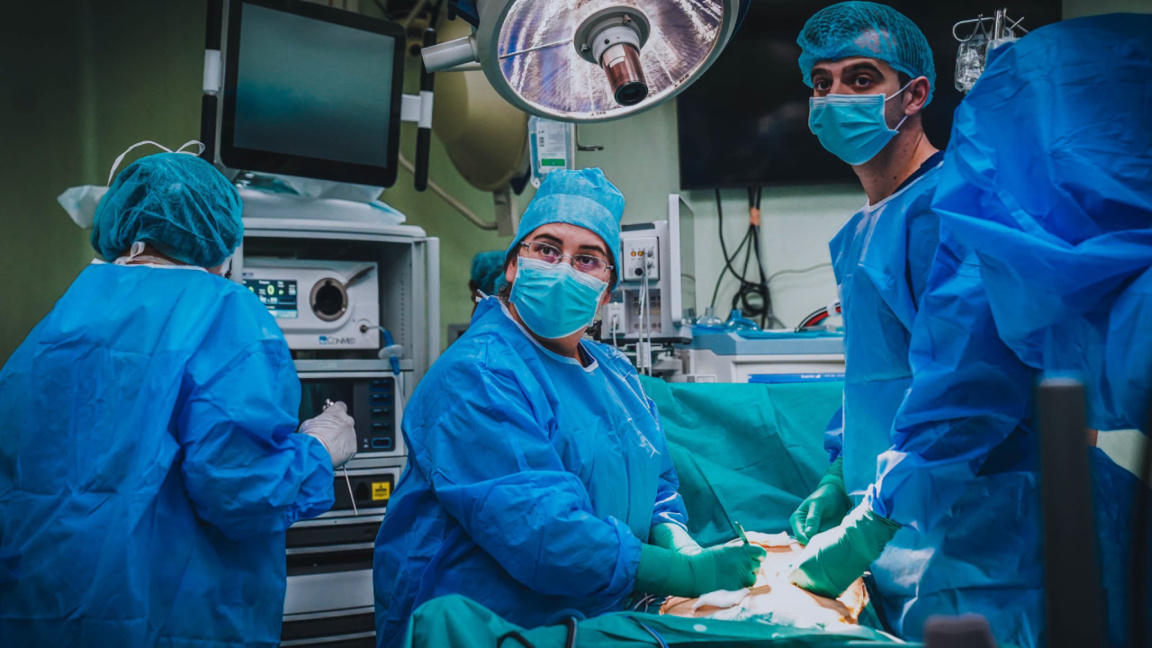
PHOTO Medical University–Pleven
Font size
Assoc. Prof. Dr Polina Marinova is the first Bulgarian surgeon invited to teach on an international course at IRCAD in Strasbourg, one of the world’s most prestigious centres for training and innovation in minimally invasive and robotic surgery. At the Institut de recherche contre les cancers de l’appareil digestif, they value not only her surgical expertise in oncology but also her ability to pass on knowledge and experience. She takes a patient approach to training, repeating particular steps as often as necessary until the surgeon being trained has mastered the stages of the operation.
“I had the opportunity to train younger surgeons at Medical University–Pleven,” says Dr Polina Marinova. “Apparently, they could tell straight away that I had experience training younger surgeons, and that helped IRCAD decide to keep me on. This opened the way for Bulgarian surgery in the West.”
Dr Marinova learns something from every training course and encounter with leading specialists, adding to the experience she draws on in her work. “In an international setting, you can learn both from your students and from professors and mentors, including about different cultures and traditions,” she adds.
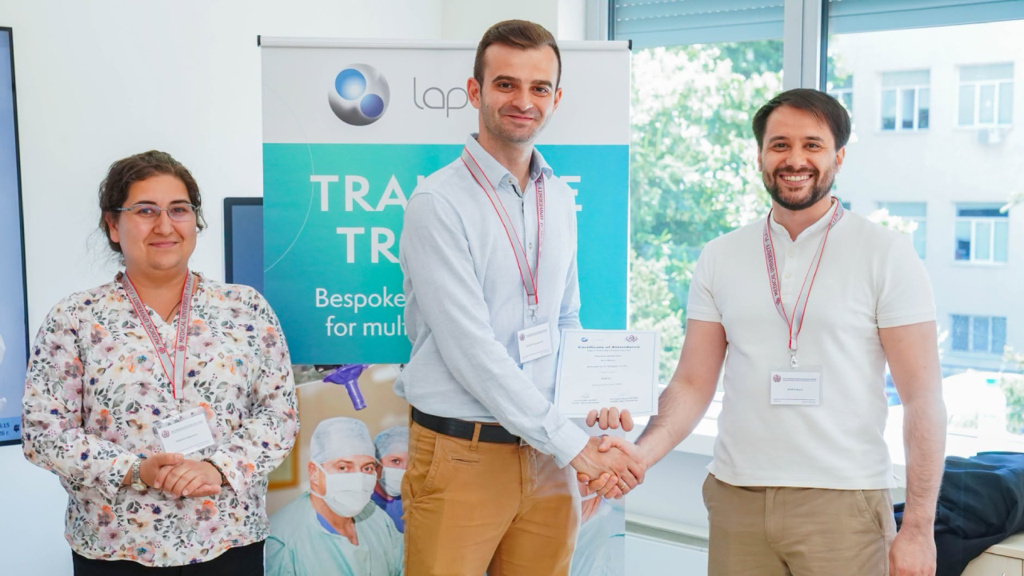
PHOTO Medical University–Pleven
“Surgical oncology chose me,” says Dr Marinova.
She is the first doctor in her family, although her mother used to work as a nurse. From an early age, she dreamed of being part of an operating team. She initially practised surgery of the liver, pancreas and bile ducts. Three years ago, Prof. Dobromir Dimitrov, head of the Clinic of Surgical Oncology, brought her into his team.
“Surgical oncology is a branch of surgery that is advancing rapidly as it adopts robotic technology,” says Dr Marinova. “We have achieved a great deal in introducing these technologies in Eastern Europe. Academician Grigor Gorchev is the pioneer, and Prof. Dimitrov is continuing his work. As surgeons he has trained, we are embracing innovations in the treatment of cancer patients. With robotic systems, we see not only technical progress but also faster recovery, less scarring and bleeding, and greater psychological and physical comfort for patients.”
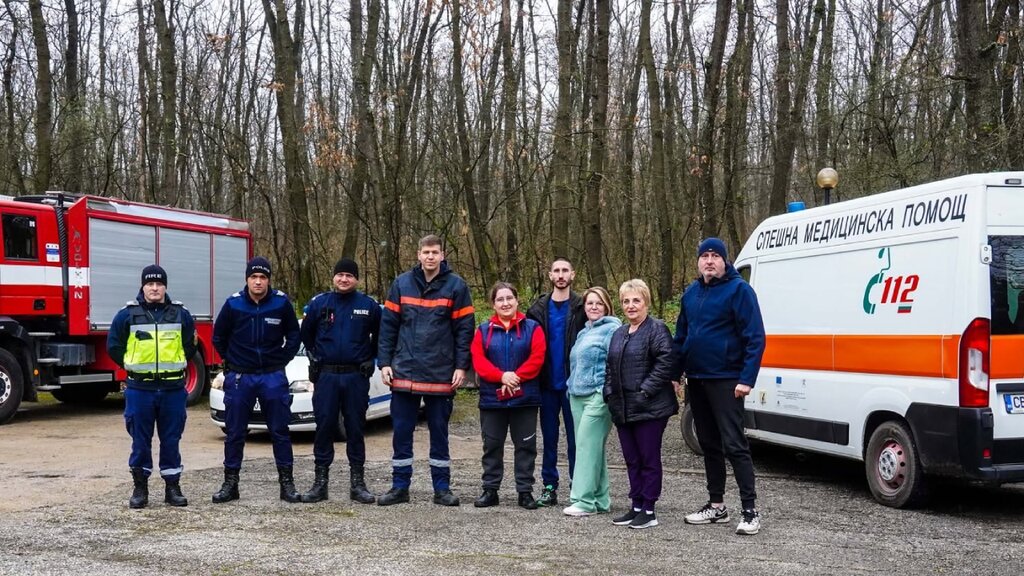
PHOTO Medical University–Pleven
Despite scientific advances and their application in clinical practice, we are still a long way from being able to cure all cancers. Can a doctor leave behind at the hospital the emotional impact of what happens in the operating theatre and the weight of the words they sometimes have to say to their patients?
“A day in surgery is certainly exhausting, but we also carry an emotional burden that is difficult to cope with,” says Dr Marinova. “We cannot be morally and emotionally indifferent and tell ourselves: ‘Everything stays at work, and once the working day is over, I am a different person.’ Every surgeon is emotionally affected by what their patients go through, especially in more difficult cases. Our profession is about helping, showing compassion, understanding people’s needs and supporting them through this critical period.”
The doctor draws strength from her family to keep going. “I can see that my child sees me as a kind of superhero, helping people and saving lives,” she says. She also sees being a woman as an asset in her work: it makes her more attentive and sensitive, able to recognise her patients’ emotions, take a motherly approach to their care and even bring balance to a male world. Alongside surgery, she teaches at Medical University–Pleven and works as part of an ambulance crew, providing first aid to local residents.
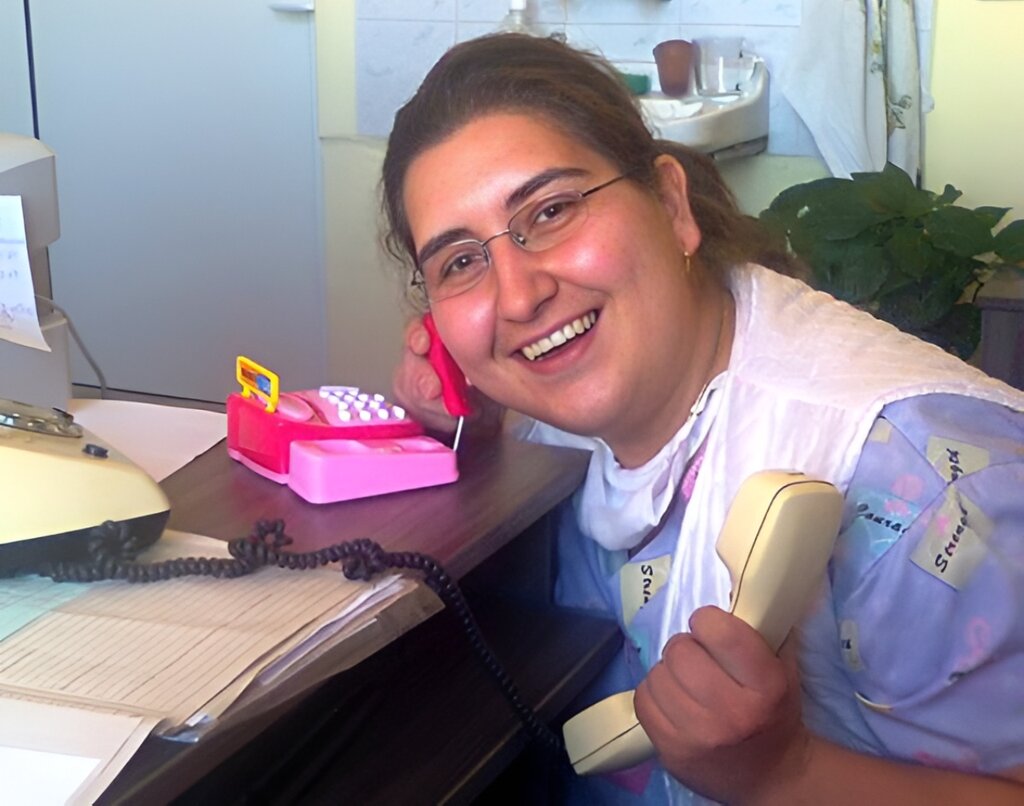
PHOTO Exacta medica medical centre
“Pleven means a great deal to me,” says Dr Marinova. “What keeps me here is my family, followed by the Medical University. This is the only place where I ever wanted to study medicine. I am proud to be a graduate, and now, as a lecturer, I find fulfilment in passing on my knowledge and experience to future generations. There must be people who stay, keep traditions alive and, at the same time, encourage young people to be innovative and creative and to advance medical science.”
Dr Marinova is optimistic about the future of cancer treatment.
“Looking at the latest scientific advances, I think surgery will increasingly be replaced by treatment at the molecular and genetic level,” she says. “Why shouldn’t cancer become curable with a pill or a vaccine, just as treatments once thought unimaginable have become possible for other diseases? I think we are already moving in that direction. Perhaps in 20 to 30 years, our children will see a time when surgery is no longer the main method of treatment.”
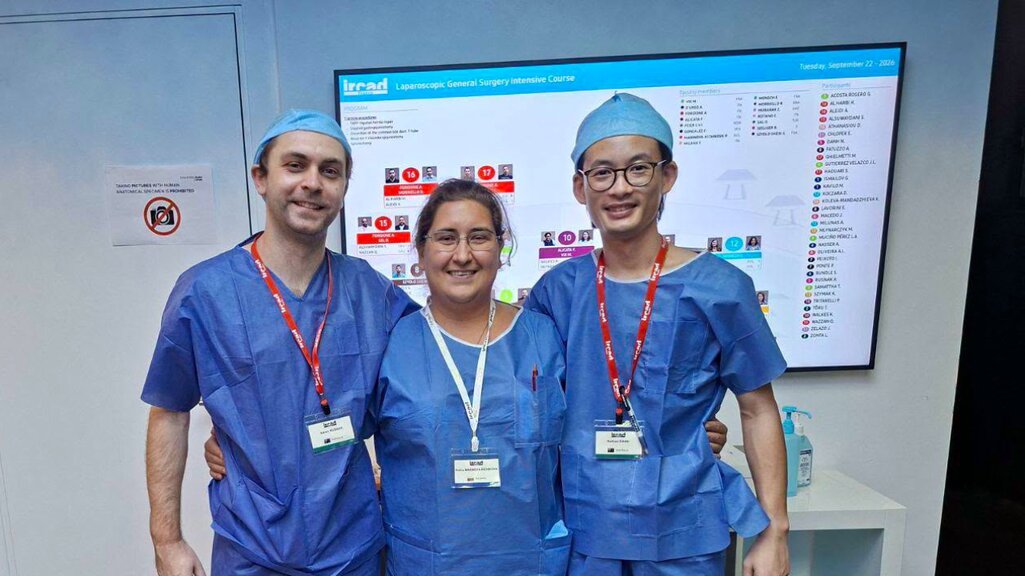
PHOTO Medical University–Pleven
But how can we protect ourselves against cancer, and what role does our state of mind play in its development?
“Of course, our state of mind plays a crucial role in the development of cancer,” says Dr Marinova. “When people are constantly under stress, feel sad or have problems, it affects the way the whole body functions, weakens its defences and gives the disease a chance to develop. That is why I say Bulgarians should smile, feel good and make room for positive emotions. Perhaps what is missing from our busy daily lives is a smile, a kind word and a sense of ease both at home and at work.”
There is a simple message that can have a positive ripple effect: “Be kind!” Perhaps it can help us feel healthier, too. Dr Marinova says it to her child, but her message is for all of us: “Let kindness be the virus that spreads through our society!”
Editor: E. Karkalanova
Translated by Danaya Krasimirova
English editor: E. Radkova
This publication was created by: Elizabeth Radkova