


Author
Gergana Mancheva
Saturday 31 October 2026 11:25
Saturday, 31 October 2026, 11:25
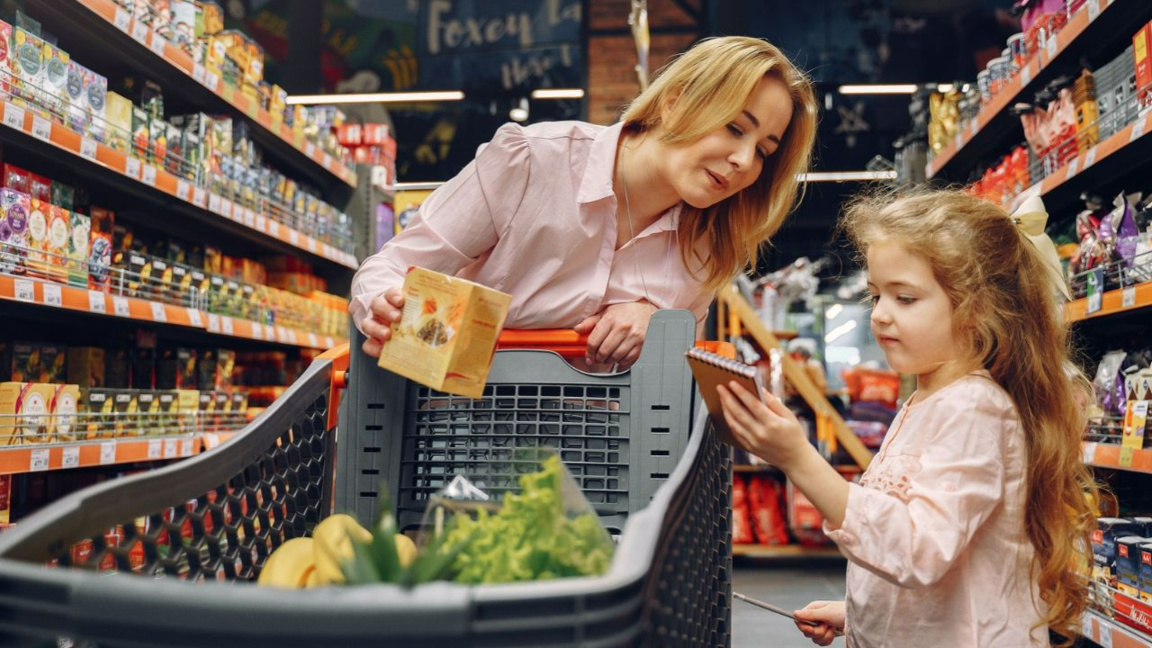
PHOTO Pexels
Font size
The expansion of major supermarket chains into Bulgaria has pushed small grocery stores out of the market dealing a severe blow to small family-run businesses. Shopkeepers welcomed customers personally, knew their neighbors by name, and often saw people stopping by to enjoy their morning coffee and read the newspaper. Times have changed, however, and small neighborhood stores are now facing growing challenges from competition and pressure from large retail chains, which have reshaped the shopping habits of Bulgarians.
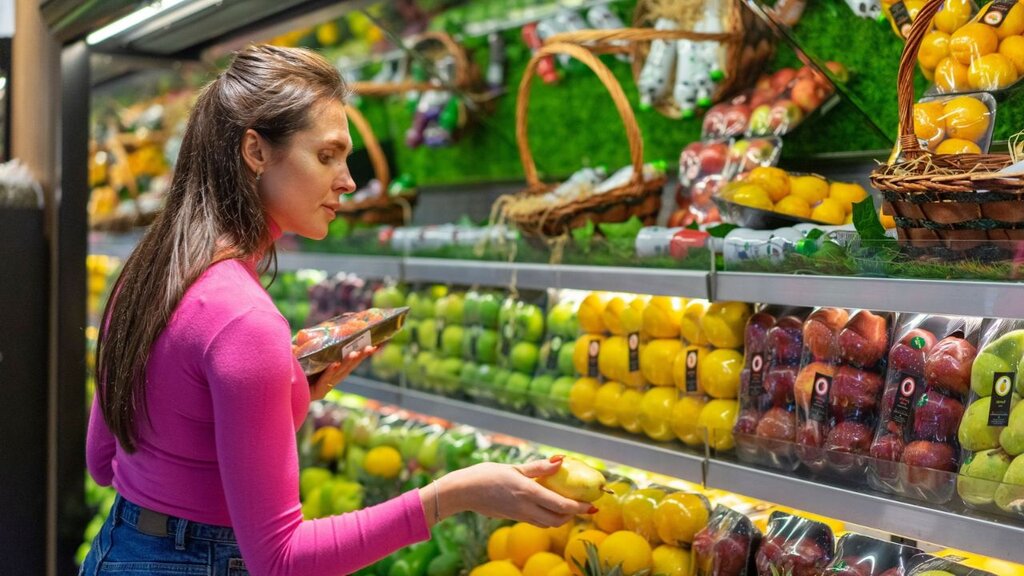
PHOTO Pexels
Large hypermarkets offer everything customers need under one roof. They use social media marketing and reach consumers directly in their homes through advertising leaflets and television commercials. Major retail chains are also expanding deeper into residential neighborhoods and are able to offer lower prices because of their economies of scale. Small shops, by contrast, purchase goods from distributors at higher prices.
It turns out that small retailers’ greatest competitive advantage lies in offering fresh, traditional Bulgarian produce.
Staff shortages are another major challenge. Labour is in short supply everywhere, while wage and social security costs are simply unaffordable for the smallest businesses. This is why every member of the family runs the small fruit and vegetable shop owned by Yuliana and Atanas Donchevi in their neighborhood. They handle every aspect of the business, from deliveries and stocking shelves to processing sales documentation and dealing with customers. The shop is open seven days a week, yet the family sees little room for growth or future prospects in the sector.
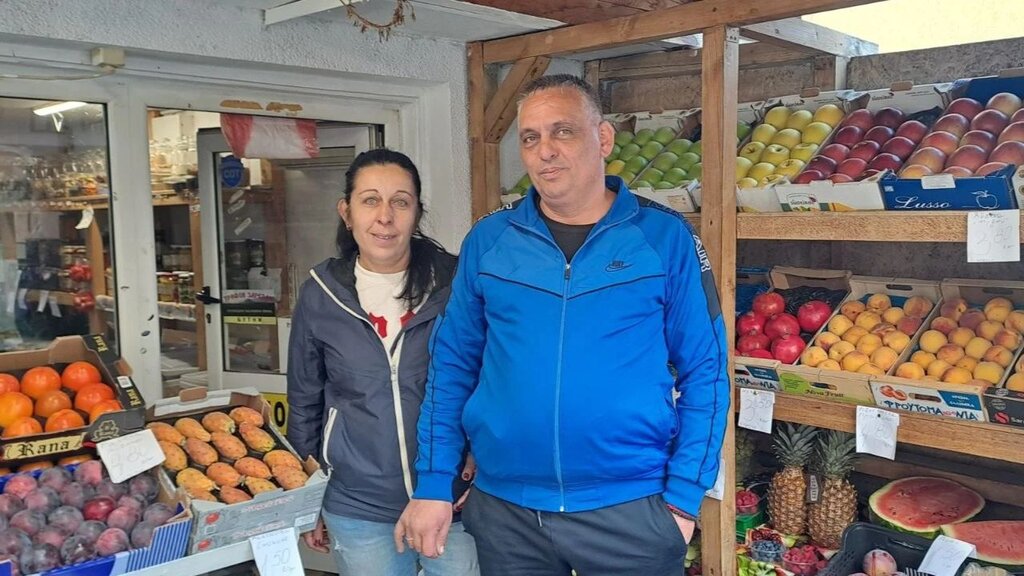
PHOTO personal archive
“It takes a lot of effort,” Atanas Donchev explains. “We focus on quality, but our prices are higher than those at the big supermarket chains. We don’t have a steady clientele; everyone shops wherever it’s most convenient for them. Since the major grocery chains entered the market, things have become much harder for us. We have children and a family to support. We have to work to make a living, but it’s getting increasingly difficult.”
Atanas’s wife, Yuliana, shares his concerns. She also works in the family shop every day, which sells produce supplied by another relative who is a farmer. This leads the conversation to the challenges facing Bulgarian agricultural producers.
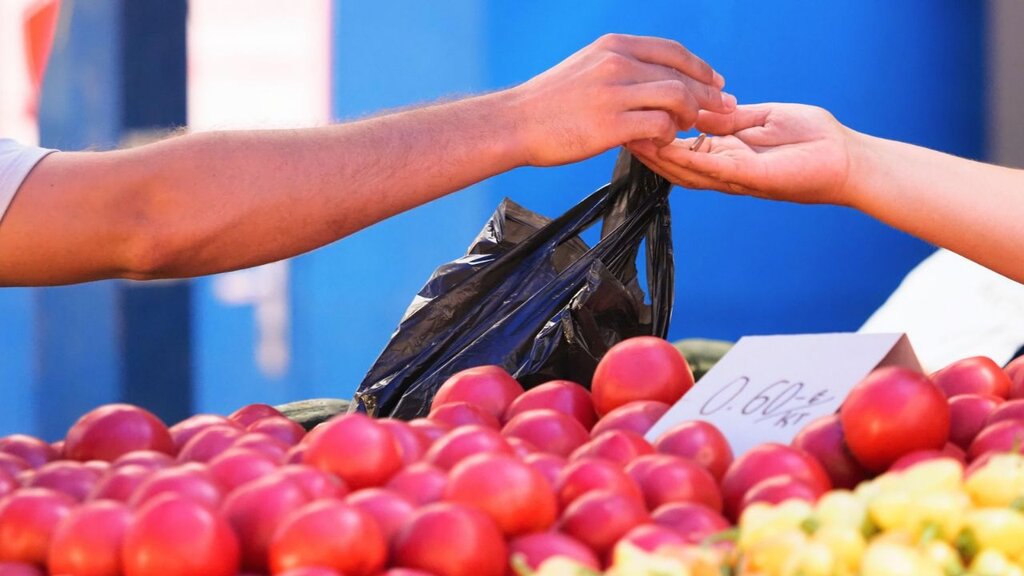
PHOTO BGNES
“Atanas’s brother is a farmer, and we also sell his produce - peppers and tomatoes. The seeds of our tomatoes come from an old Bulgarian variety that my mother-in-law has preserved. People love their taste and keep coming back to us throughout the summer looking specifically for these tomatoes. We also buy plums, pears and peaches from other local growers. Bulgarian fruit tastes much better than imported produce. Inspectors constantly check our shop and always find something to pick on. They are always looking for problems, even though we comply with all the requirements. We are trying to support local producers by offering their products as well. But small farmers are disappearing too. They are being overwhelmed with bureaucracy and unnecessary requirements. My son-in-law cultivates a small plot of land in Pazardzhik. This year, officials from the Food Safety Agency visited the fields and required all the farmers to complete a training course on irrigation systems. The certificate is expensive, costing between EUR 350 and EUR 500, but it has now become compulsory. Anyone who has not completed the course faces a fine of more than EUR 1,000.”

PHOTO BGNES
Customers appreciate the efforts of small businesses to survive in a fiercely competitive market, even if they cannot always afford to shop at these stores.
“I prefer shopping at small local shops. They feel more welcoming and cozy, but there are none left in the area where I live”, Sofia resident Diana Vasileva told us in our survey.
“I used to shop at smaller stores because the people who run them depend on them to support their families. What’s more, these little shops also source goods directly from producers, including Bulgarian-grown vegetables. We need to support Bulgarian farmers. At supermarkets, I’ve noticed that the products often aren’t Bulgarian.”
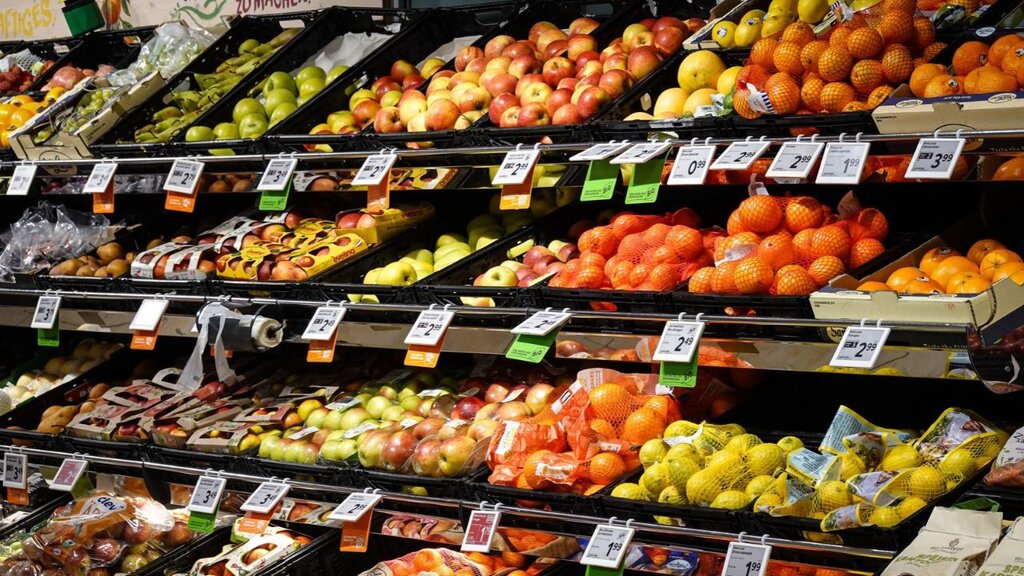
PHOTO Pexels
“Even with a market share of 50–60% (the proportion of food sales in Bulgaria accounted for by major retail chains - editor’s note), the sector is still far from being a monopoly. In more developed Western European countries, this share has long exceeded 80%. Small shops tend to specialize in specific product categories or find a niche by offering different opening hours during the week. In Western Europe, major retail chains generally operate for far fewer hours than they do in Bulgaria. They close much earlier, and most do not open on Sundays at all. Over time, this has led to a certain balance in the market”, Bogomil Nikolov, Executive Director of the Bulgarian National Association Active Consumers, told Radio Bulgaria.

Bogomil Nikolov
PHOTO BNR
“Bulgaria has yet to achieve this. We are still in a transition, and what we are missing most is direct sales. Alongside small shops, consumers also need farmers’ markets where they can buy directly from producers. We have yet to achieve this essential diversity of retail formats. Beyond that, it is simple: consumers vote with their wallets when they shop. But the truth is that Bulgarian produce is becoming less available, and there are many reasons for this. Flawed agricultural policies over the past two decades have led to a sustained decline in fruit, vegetable, milk and meat production in Bulgaria. No matter how closely we examine different retail formats, we will not find the solution to increasing the supply of Bulgarian produce. Small retailers’ prospects lie not so much in their prices as in the quality of their products, the personal service they offer and the trust they can build with their customers.”
Translated by Kostadin Atanasov
This publication was created by: Kostadin Atanasov