


Author
Tsvetana Toncheva
Article
Bulgaria's National Music Academy: 105 years of artistic excellence and spirit
Sunday 1 November 2026 07:05
Sunday, 1 November 2026, 07:05

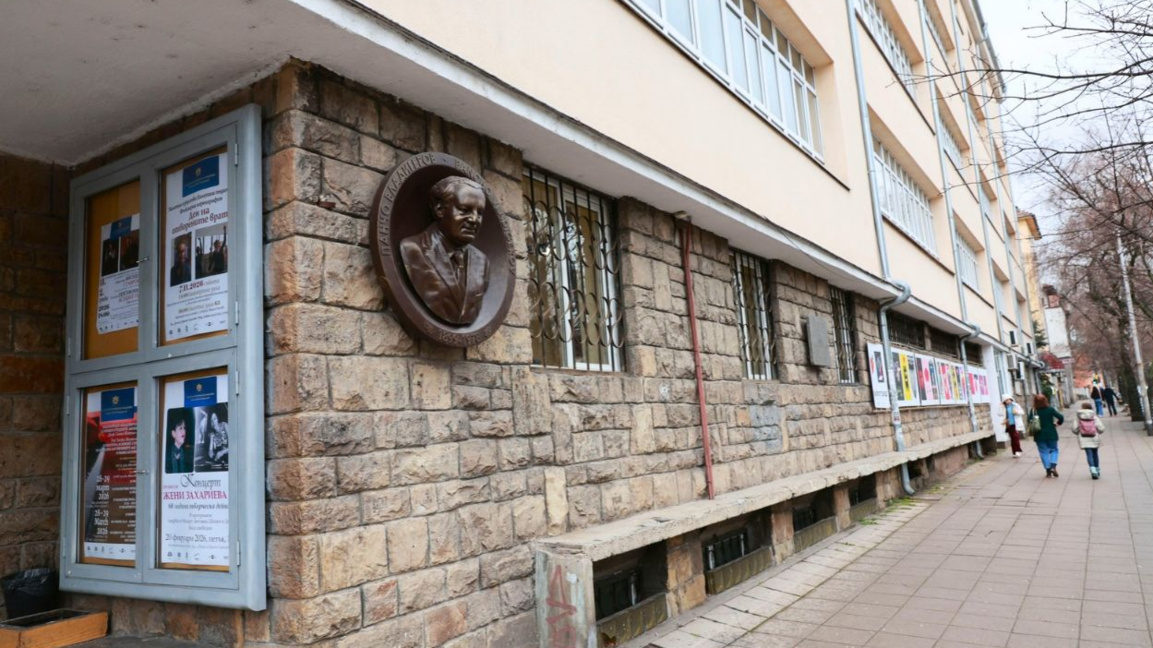
PHOTO BTA
Font size
In 2026, the National Academy of Music “Prof. Pancho Vladigerov”, Bulgaria’s first institution of higher music education, marks its 105th anniversary with an extensive programme of concerts, academic forums and cultural initiatives. The institution was established under the name State Academy of Music by a decree of Tsar Boris III on 21 July 1921, in response to the pressing need for trained singing teachers in Bulgarian schools and highly qualified musicians for the country’s concert and operatic stages.
The Academy’s first rector was Dimitar Hadjigeorgiev, a composer and educator who had graduated from the Prague Conservatory. As early as 1904, he had been among the founders of Sofia’s first secondary music school, becoming its director in 1912.
Bringing secondary and higher music education together under one roof in two separate divisions, the newly established Academy soon attracted an ever-growing number of pupils and students. Its teaching staff included some of Bulgaria’s most distinguished musicians: the eminent opera singer Ivan Vulpe; virtuoso flautist Nikola Stefanov; the celebrated brothers Todor and Ivan Torchanov, a violinist and pianist respectively; the great composer and pioneer of Bulgarian music Dobri Hristov; Nikola Atanasov, composer of Bulgaria’s first symphony; the legendary folklorist Vasil Stoin; and the distinguished Czech musicians Henrich Wisner, pianist and conductor, and Ivan Cibulka, cellist.
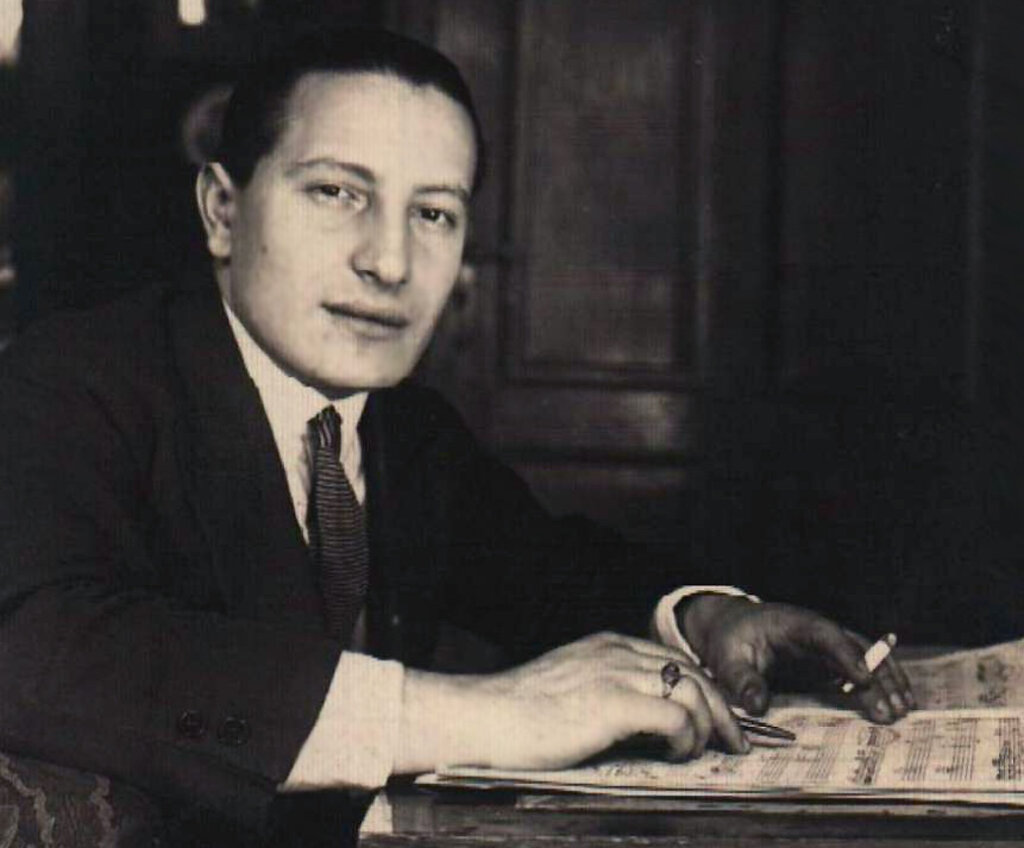
Composer Pancho Vladigerov
PHOTO Archives State Agency
“The Academy has become a platform for presenting outstanding, high-quality cultural content, of the kind that only the country’s most distinguished institutions can boast,” Rector Prof. Dr Sava Dimitrov recently told the media on the occasion of the anniversary. In a special interview with Radio Bulgaria, he described the significance of these 105 years:
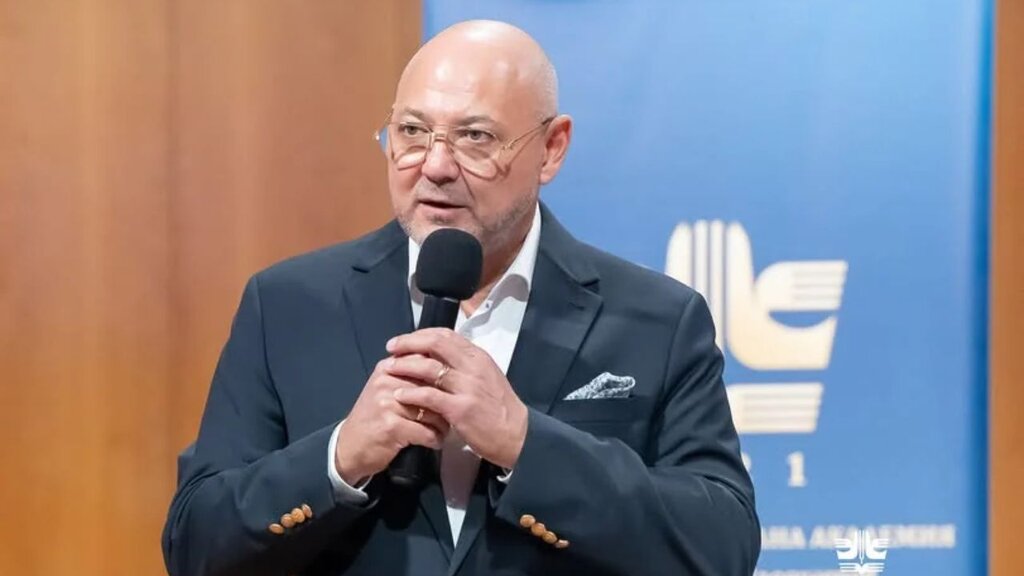
Prof. Sava Dimitrov, rector of the National Music Academy
PHOTO Facebook /National Music Academy "Prof. Pancho Vladigerov"
“105 years of tradition, 105 years of statehood, I would say! The establishment of the Academy as an institution of higher music education in 1921 was a deliberate act of state policy. It gives us every reason to look back at the generations who came before us and to recognise the enthusiasm and energy with which they built what is now one of the most highly respected institutions, not only in Bulgaria and much of Europe, but, I can confidently say, throughout the world.
Our educational offering stands out in the academic landscape as a product of considerable substance and value. That is the fashionable way of putting it nowadays, although we know that education is, in fact, a mission of much broader significance. In many respects, it is education that safeguards our national tradition, strength and spirituality. It is through education that we are able to recognise progress and understand the skills required for life in the modern world.
In this sense, 105 years is both a long time and a short one. I would venture to say that these are the first five years of the Academy’s new century, marking the beginning of a new and different era. Just five years ago, the devastating COVID-19 pandemic brought the world to a standstill, and this is precisely how the first five years of the Academy’s new century began. I hope that all the years ahead will prove far more fruitful for its development than the period of stagnation we experienced. With considerable optimism, I would say that new generations and emerging trends in education are setting new standards, standards that the Academy both follows and helps to shape through its educational process.”
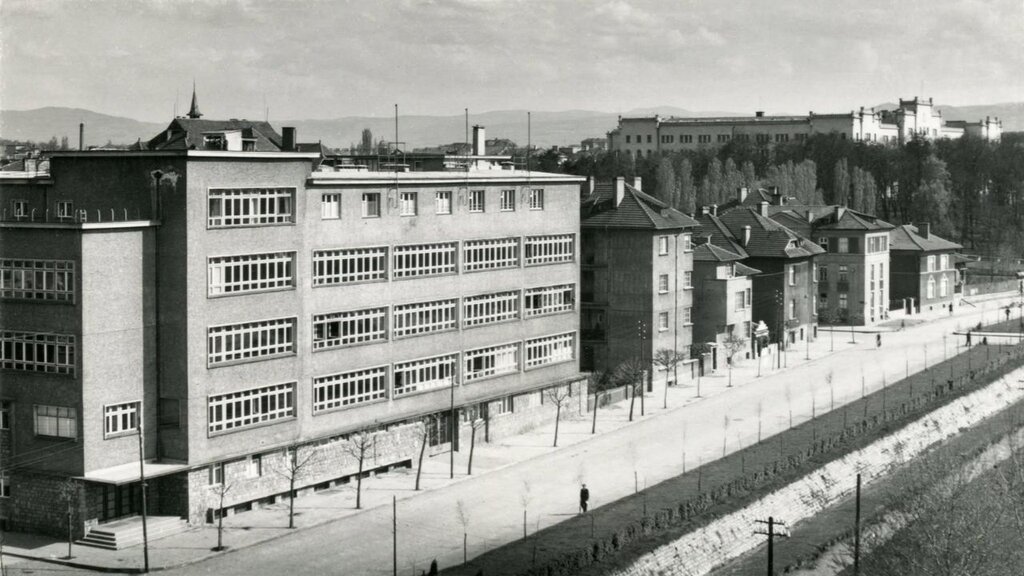
PHOTO Facebook /National Music Academy "Prof. Pancho Vladigerov"
Among the Academy’s earliest graduates were some of Bulgaria’s most renowned composers: Lyubomir Pipkov, Asen Karastoyanov, Veselin Stoyanov, Svetoslav Obretenov, Philip Koutev, Marin Goleminov and Georgi Zlatev-Cherkin. Its alumni also include legendary pianists and piano pedagogues such as Dimitar Nenov, Panka Pelishek, Lyuba Encheva and Tamara Yankova, as well as violinists Vasil Lolov and Vasil Chernaev.
From the outset, alongside the classical musical heritage, the Academy made Bulgarian musical creativity one of its priorities. At the end of its first academic year, its leadership issued an appeal to Bulgarian composers to submit their works for performance at public concerts. The first scholarly studies also began to emerge at this time, primarily in the field of musical folklore research.
In the 1930s, an exceptional generation of musicians joined the Academy’s teaching staff. They included composers Pancho Vladigerov, Veselin Stoyanov, Marin Goleminov and Asen Karastoyanov; violinists Nikola Abadzhiev, Vladimir Avramov and Hristo Obreshkov; pianists Dimitar Nenov, Panka Pelishek and Tamara Yankova; cellists Konstantin Popov and Konstantin Kugijski; oboist Vasil Spasov; bassoonist Atanas Gardev; singers Hristo Brambarov and Lyudmila Prokopova; and musicologists Stoyan Brashovanov and Stoyan Dzhudzhev.
In 1936, the higher education programme was extended from three to four years and divided into two streams: one for the training of music teachers and the other for instrumentalists and singers.
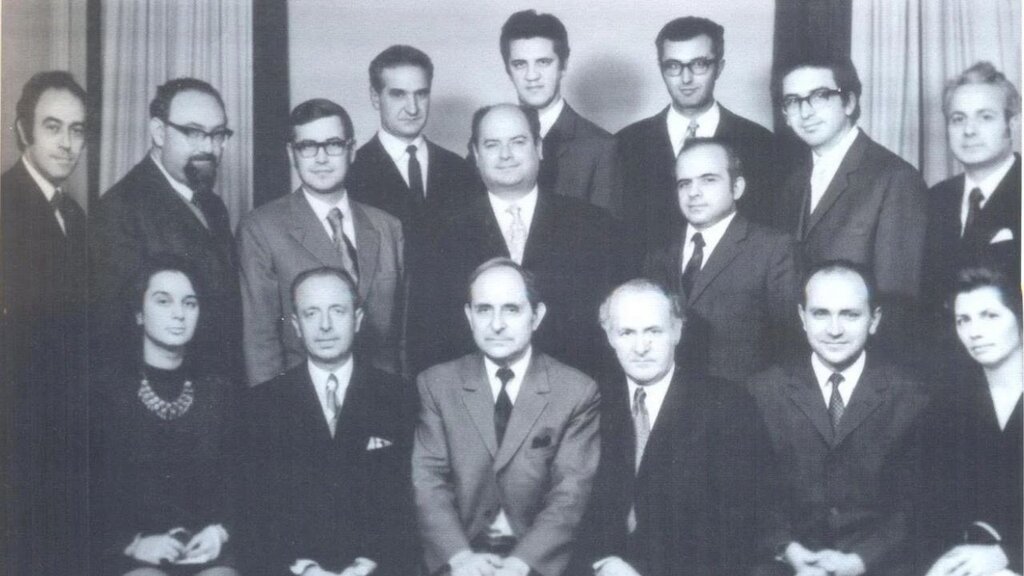
Professors from the theoretical, composers' and conducting faculty
PHOTO Facebook /Museum for the History of Radio in Bulgaria "Prof. D-r Veselin Dimitrov"
In 1954, the State Academy of Music was renamed the Bulgarian State Conservatoire and restructured into three faculties: Theory, Composition and Conducting; Instrumental Music; and Vocal Music. Shortly afterwards, a permanent choir and symphony orchestra were established to support conducting studies.
An Opera Studio was also founded within the Faculty of Vocal Music, becoming the Educational Opera Theatre in 1964.
In 1995, the Conservatoire regained its status as the State Academy of Music and was named after the eminent Bulgarian composer Prof. Pancho Vladigerov. In 2006, it became the National Academy of Music.
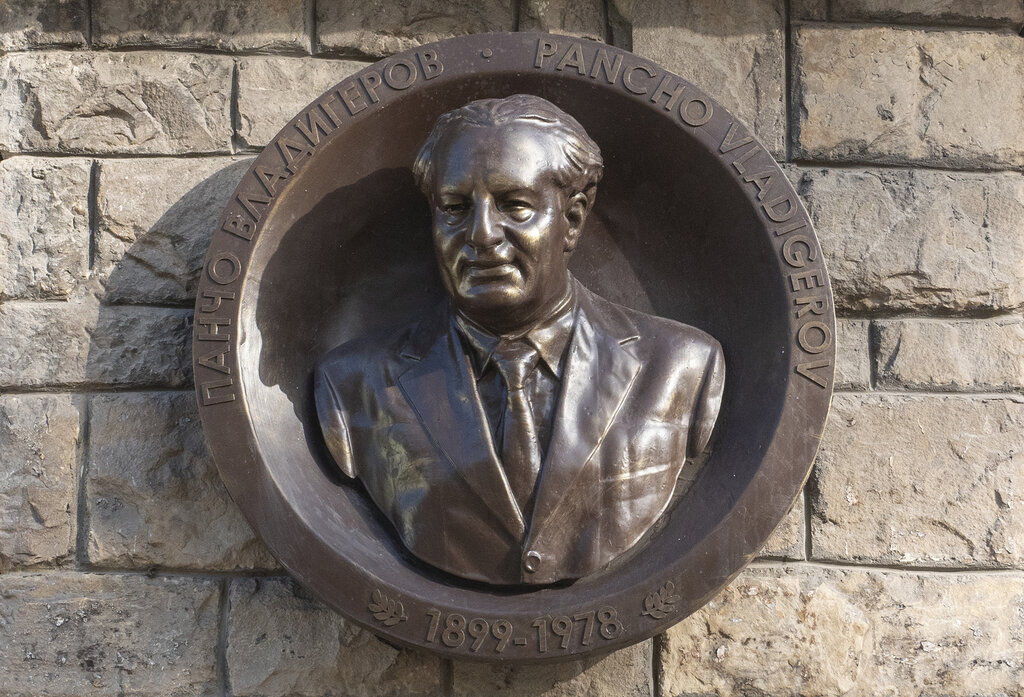
PHOTO Facebook /National Music Academy "Prof. Pancho Vladigerov"
Speaking to Radio Bulgaria, Prof. Sava Dimitrov emphasised that the 105th anniversary would be a true celebration of music, reflecting the full breadth of activity across the musical community. The Academy’s major ensembles will take to its stage, including its professional Academic Symphony Orchestra, which has been part of the institution since 1928, its Chamber Choir and its student ensembles.
The National Academy of Music works in partnership with all of Bulgaria’s major musical institutions, from the Sofia Philharmonic and the Sofia Soloists Chamber Ensemble to the orchestras in Ruse, Varna and Burgas, the Vratsa and Vidin Symphony Orchestras, and the ensembles of the country’s opera houses.
The Music Academy is a comprehensive higher education institution offering the full range of specialisations in music and music education, including the essential theoretical disciplines that develop the body of scholarly knowledge relating to Bulgaria’s musical heritage. This is why the anniversary programme also features numerous conferences and academic events, many of them open to the public.
The rector also highlighted the wide range of support available to doctoral students, who represent the third cycle of higher education and are being prepared to become the next generation of academic colleagues and teachers.
“As you know, the law has made a doctoral degree a prerequisite for advancement within the academic hierarchy. I therefore firmly believe that, in this respect, the Academy is exceptionally vibrant and currently ranks among the strongest higher education institutions in the country. I would confidently extend that assessment to Europe as well.”
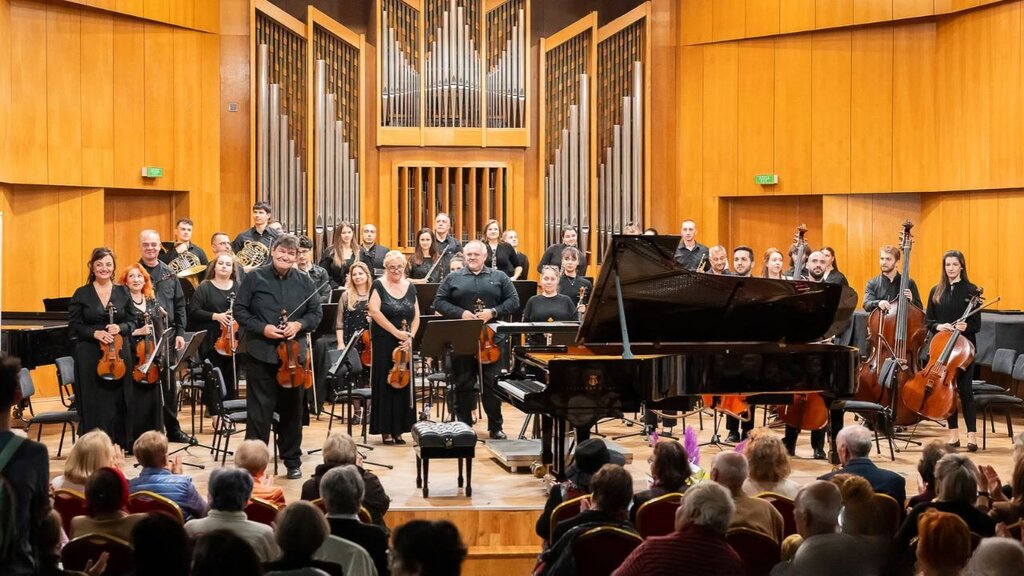
PHOTO Facebook /National Music Academy "Prof. Pancho Vladigerov"
Today, the Academy’s teaching staff comprises distinguished musicians and researchers whose professional standing is reflected in their presence on the international stage and their active participation in scholarly exchange. Students are given regular opportunities to perform in concerts and stage productions, take part in academic forums and publish their work in the Academy’s print and online publications. Alongside the regular curriculum, numerous masterclasses and special lecture series are organised, led by prominent Bulgarian and international musicians and musicologists.
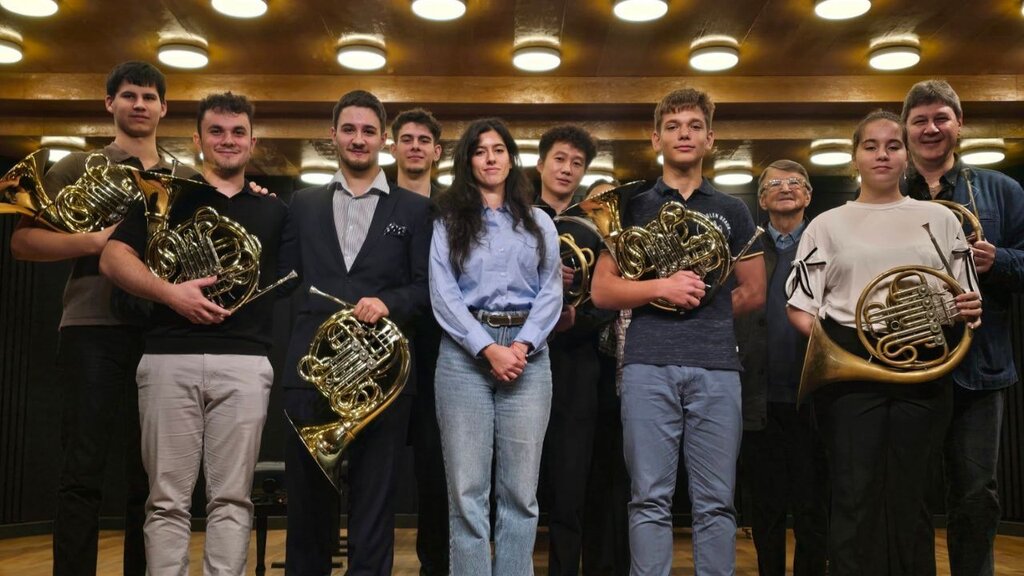
PHOTO Facebook /National Music Academy "Prof. Pancho Vladigerov"
Asked whether he considers the Academy competitive with other European institutions of higher music education, Prof. Dimitrov replies:
“I believe that we often set an example and offer innovation, combining traditional and modern approaches to education. Naturally, the Music Academy meets all the requirements laid down, first and foremost, by our national legislation. The fact that this legislation is harmonised with European standards is further proof that we operate at the highest standards available.”
Prof. Dimitrov has no doubts about the high quality of education provided by the National Academy of Music:
“You know, we have been talking quite a lot lately about Bulgaria’s concertmasters. A respected colleague of mine, a professor and conductor, took the trouble to calculate that there are as many as 72 Bulgarian concertmasters working in orchestras in the so-called ‘Category A’ group, regarded as the world’s leading professional ensembles. This is not an assessment we are making of ourselves; it is one made by the world. So I can say that, at present, we offer an exceptionally high standard of education, one whose quality is firmly established.”
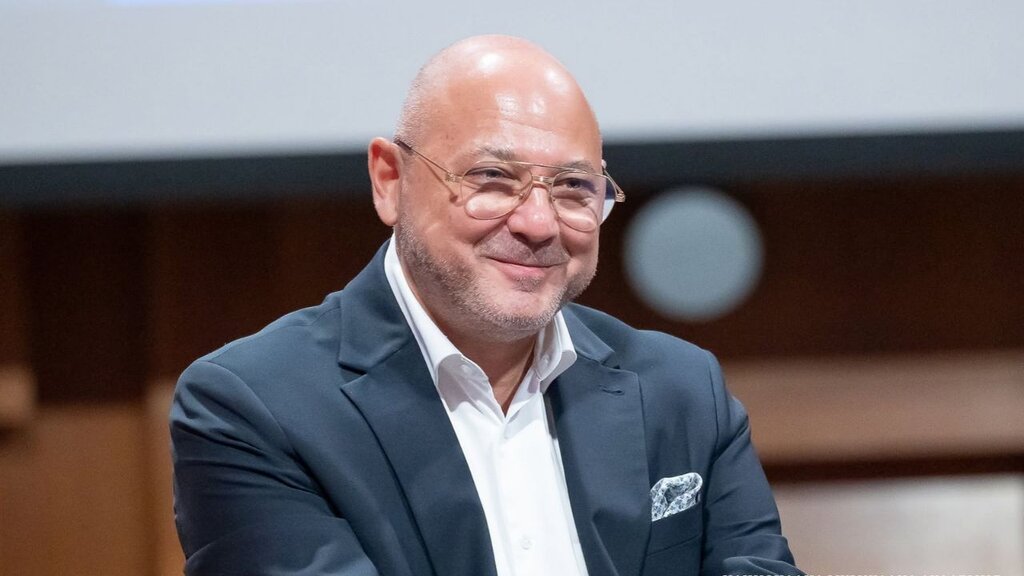
PHOTO Facebook /National Music Academy "Prof. Pancho Vladigerov"
Today, the Academy’s reputation is carried around the world by musicians such as Pavel Balev, Vesko Eschkenazy, Penka Kouneva and Plamena Mangova. In earlier decades, Bulgaria’s most prestigious higher music institution introduced the world to brilliant opera stars including Todor Mazarov, Hristo Brambarov, Dimitar Uzunov, Nicolai Ghiaurov, Lyubomir Bodurov, Yulia Wiener, Ghena Dimitrova, Raina Kabaivanska, Anna Tomowa-Sintow, Stefka Evstatieva, Kaludi Kaludov, Valeri Popova and Kamen Chanev.
The Academy has also educated generation after generation of Bulgarian composers, among them Filip Kutev, Marin Goleminov, Veselin Stoyanov, Svetoslav Obretenov, Parashkev Hadzhiev, Konstantin Iliev, Lazar Nikolov, Krasimir Kyurkchiyski, Vasil Kazandjiev, Todor Popov, Aleksandar Raichev, Aleksandar Yosifov, Nikolai Kaufman, Aleksandar Vladigerov, Stefan Dragostinov, Simeon Pironkov and Georgi Arnaoudov.
Its distinguished alumni also include conductors Atanas Margaritov, Ivan Marinov, Georgi Robev, Vasil Arnaudov, Georgi Dimitrov, Georgi Notev and Emil Tabakov. Among the leading Bulgarian pianists who graduated from the Academy are Anton Dikov, Nikolai Evrov and Ludmil Angelov, while its outstanding violinist alumni include Petar Hristoskov, Boyan Lechev, Georgi Badev and Mincho Minchev.
We are bringing you our interview with Prof. Sava Dimitrov on 1 November, the Day of the National Enlighteners. What message would the rector of the National Academy of Music like to share with Bulgarians at home and around the world?
“My wish is that they listen to the national spirit as expressed through music, and work to strengthen and promote our national identity around the world.”
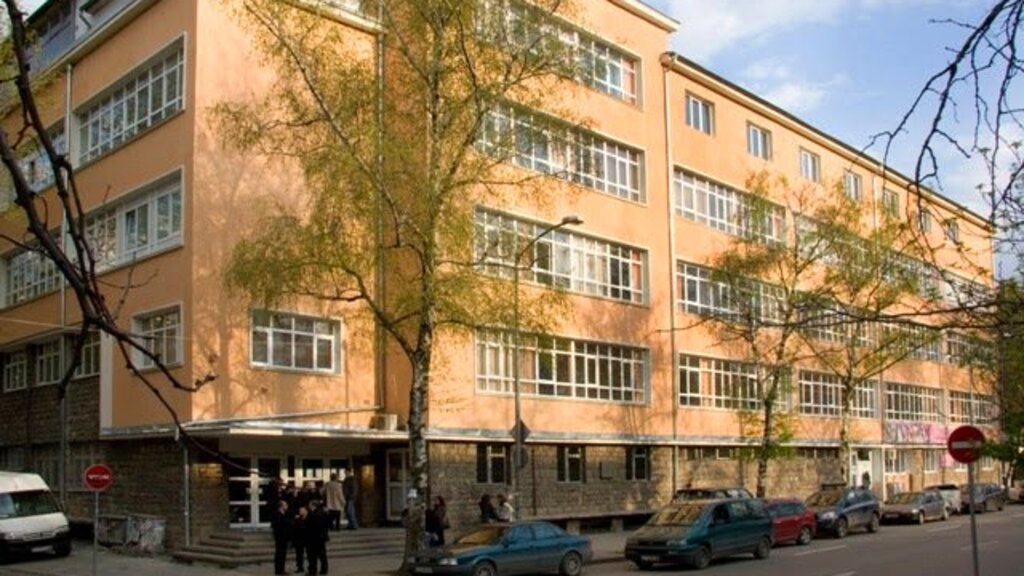
PHOTO BNR
Editor: Elena Karkalanova
Photos: BTA, Facebook National Music Academy "Prof. Pancho Vladigerov", Facebook /Museum for the History of Radio in Bulgaria "Prof. D-r Veselin Dimitrov"
English version: R. Petkova
This publication was created by: Rositsa Petkova