


Author
Hristina Taseva
Samuil’s Fortress keeps the memory of Tsar Samuil and his blinded soldiers alive
The fortress is a symbol of power and statehood and part of the collective memory of people in the Petrich region, says tour guide Silviya Velcheva
Saturday 31 October 2026 20:14
Saturday, 31 October 2026, 20:14
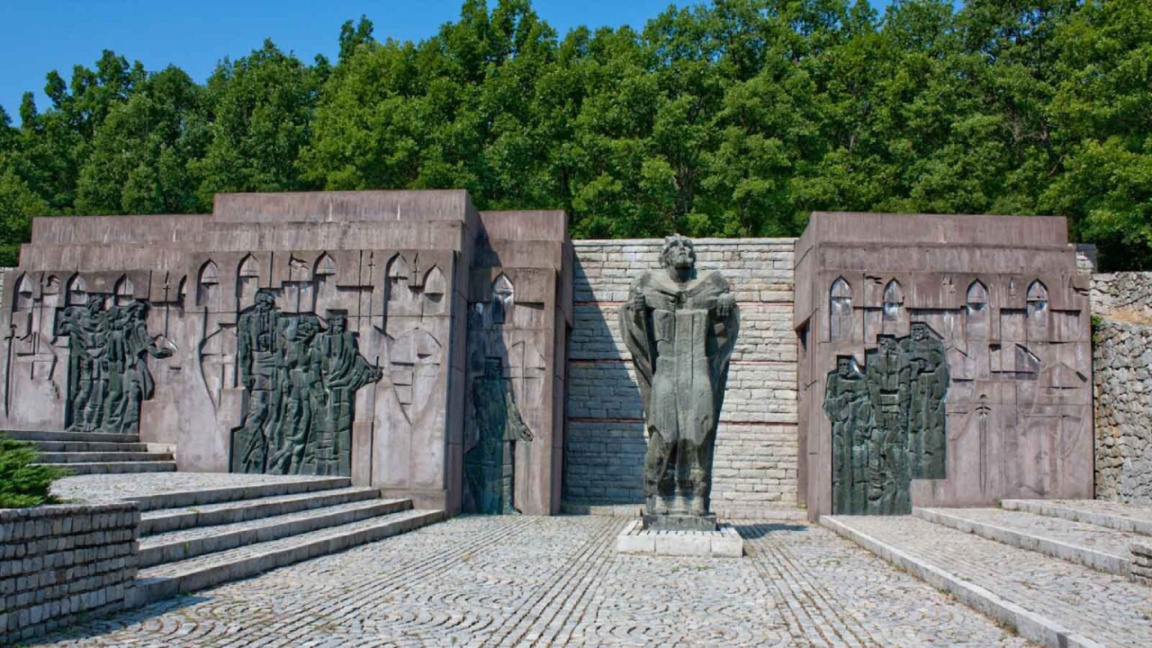
PHOTO History Museum - Petrich
Font size
On 3 October this year, Bulgaria solemnly welcomed the mortal remains of one of the most significant figures in the final period of the First Bulgarian Kingdom – Tsar Samuil (997–1014) – with a 21-gun salute. Greece handed over the remains to Bulgaria at a ceremony at the Museum of Byzantine Culture in Thessaloniki, attended by both countries’ prime ministers. This important event inspired many Bulgarians to look back in time and connect with this influential ruler. Today, we tell the story of Samuil’s Fortress in south-western Bulgaria, where the memory of his greatness and tragic fate lives on.
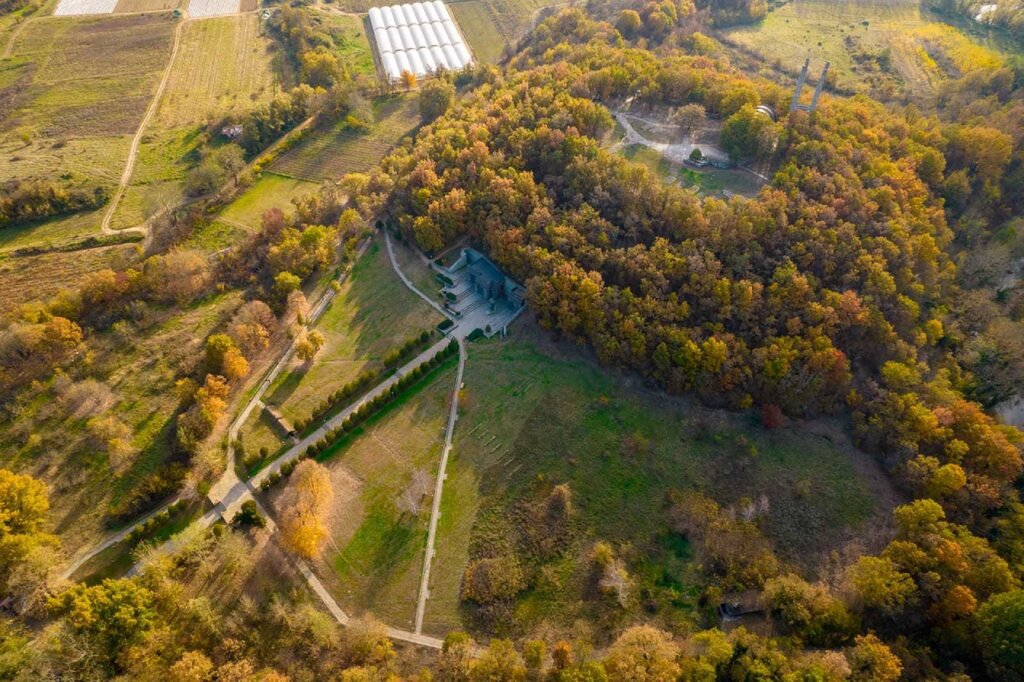
PHOTO Facebook/ "Самуилова крепост"
Samuil’s Fortress National Park-Museum is located 16 kilometres from Petrich and three kilometres from the border with North Macedonia, at the site where, more than 1,000 years ago, Tsar Samuil’s army was defeated by Byzantine forces led by Basil II. Kufalnitsa Hill, from which the tsar once controlled the Klyuch gorge, preserves the legend of the ruler who died of grief at the sight of the column of his blinded soldiers.
The Battle of Belasitsa, also known as the Battle of Klyuch, in July 1014 was a key moment in Bulgarian history, when the army led by Tsar Samuil tried to halt the Byzantine advance. To strengthen his defences, Samuil built a system of fortifications stretching more than eight kilometres from high on the slopes of Belasitsa, south of the village of Klyuch, to Ograzhden Mountain. On the hill, the tsar built an earthen fortification protected by three ramparts and two ditches.
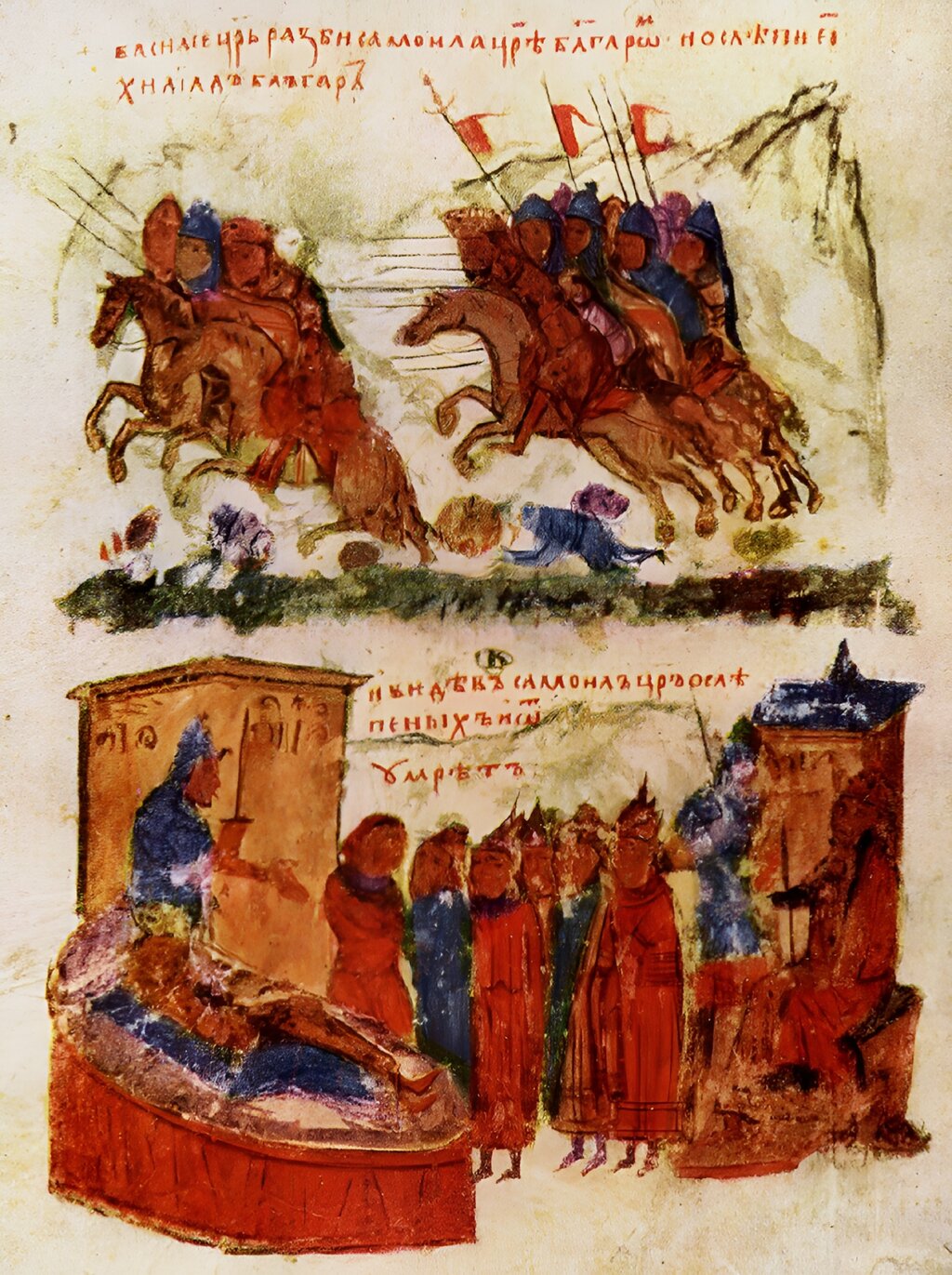
The battle at Belasitsa and the death of Tsar Samuil – a miniature from the Manasses Chronicle.
PHOTO nationalgeographic.bg
There were 43 dugouts that served as quarters for Samuil’s soldiers. The location of the fortress enabled control of the whole gorge, and the fortress served as the command centre for the entire defensive system. This was also where the tragic battle took place, after which Byzantine Emperor Basil II, who would go down in history as the Bulgar-Slayer, blinded more than 14,000 of Samuil’s men. The sight pierced the Bulgarian ruler’s heart, and he died. Today, the memorial near Petrich serves as a reminder of this disastrous moment in the history of the First Bulgarian Kingdom.
“Samuil’s Fortress Museum officially opened in 1982. The idea behind its design is to depict a medieval Bulgarian fortress, with bronze bas-reliefs on its wall showing Samuil’s blinded soldiers stretching out their arms as if asking their tsar for help,” says Silviya Velcheva, head tour guide and administrative secretary at the museum.
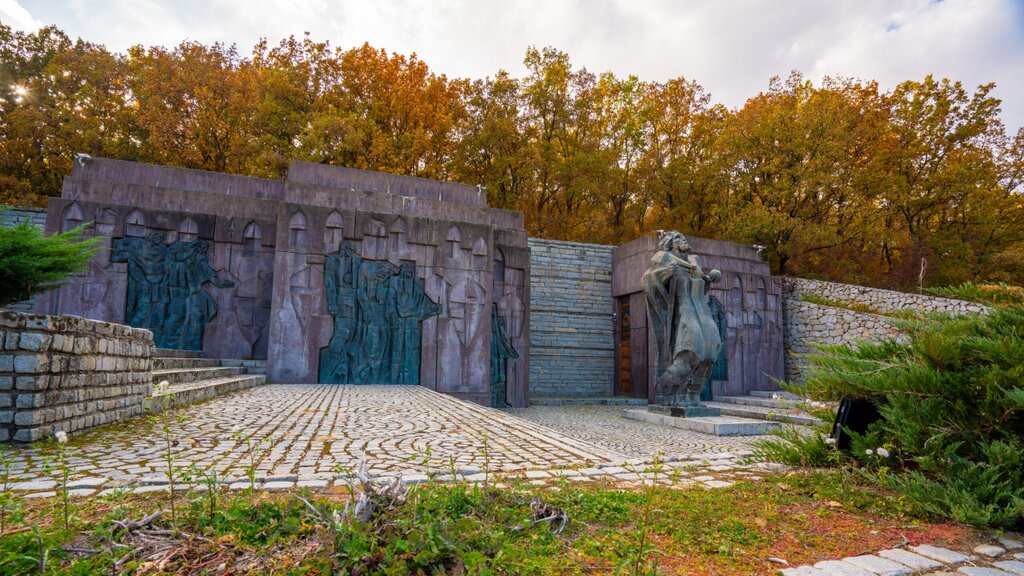
PHOTO History Museum - Petrich
“A sculpture of Tsar Samuil by Prof. Boris Gondov towers in the centre. The monument is five metres tall, cast in bronze, and depicts the moment when the Bulgarian ruler sees the long column of his blinded men. His knees are bent, as though he is about to collapse. In one hand, the tsar holds a sword – a reminder that Samuil was Bulgaria’s chief military commander for more than 40 years. In the other, he holds a sceptre, a symbol of royal power.
“His head is tilted slightly upwards because he believes Bulgaria will endure through the centuries. Prof. Boris Gondov conveys the tremendous grief the tsar feels at the sight of his blinded army. Everywhere, we see monuments honouring victories and heroes, whereas here we see a monument commemorating a tragedy.”
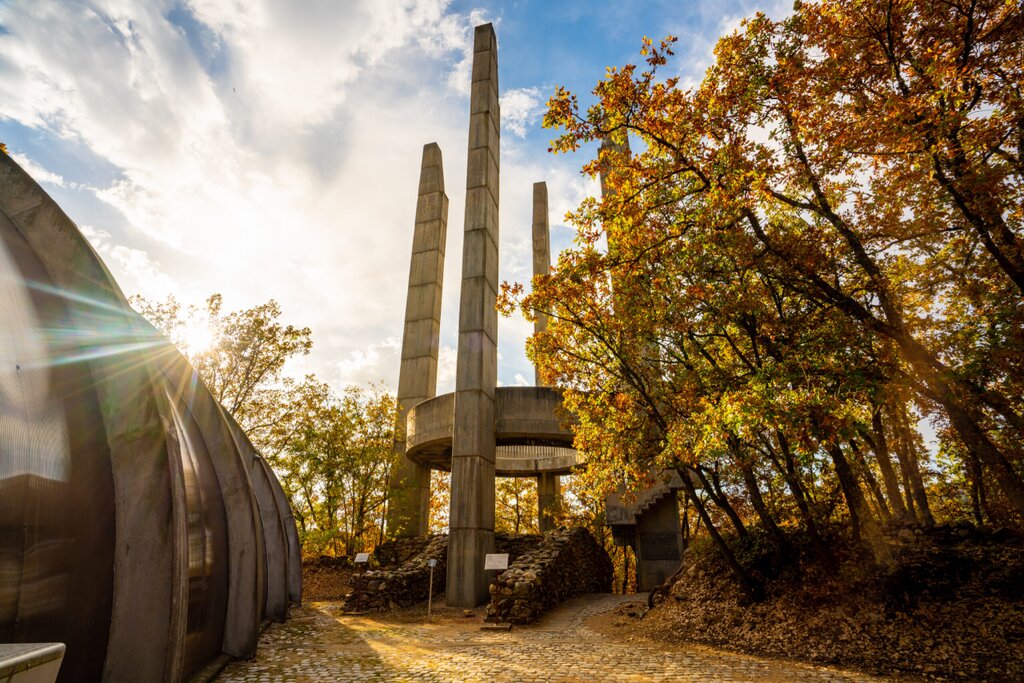
PHOTO History Museum - Petrich
Samuil’s Fortress is associated with one of the greatest tragedies in Bulgarian history, Silviya Velcheva adds, recounting the historical events:
“On 29 July 1014, Byzantine troops entered Bulgarian territory, commanded by Emperor Basil II himself. He sent two commanders to find paths through the impassable terrain. One was Nikephoros Xiphias, who had been involved in the conflict from the outset. His detachment headed south towards Belasitsa Mountain. The other commander was Theophylact Botaneiates. He led the northern detachment towards Ograzhden Mountain.
“This led to the battle in the Klyuch gorge, where the Bulgarian soldiers were attacked on two fronts. They were unprepared and had not expected it. Tsar Samuil was saved by his son Gavrail Radomir, who put him on a horse and took him to the fortress at Prilep. Many soldiers were killed, but most were captured – more than 14,000 men, who were blinded shortly afterwards. One man in every hundred was left with one eye to guide the others. The blinded men were allowed to return to their tsar. On 6 October 1014, shaken by the sight of his soldiers, Samuil suffered a heart attack and died. That was how a great ruler, who had succeeded in preserving the Bulgarian state’s independence for decades, met his end.”
Today, many pupils visit the park-museum on school trips, and Tsar Samuil features in their history textbooks, Silviya Velcheva adds. Samuil’s Fortress continues to develop through new international projects.
“In 2026, Petrich Municipality and the town’s History Museum are implementing two major projects. One is a cross-border project to renovate Samuil’s Fortress National Park-Museum and improve access for visitors under the INTERREG Bulgaria–North Macedonia programme. Plans include a digital reconstruction, visual communication and an activity centre.
“The second project concerns the restoration and conservation of the large dugout, one of the fortress’s most recognisable features, which is believed to have been used by the tsar himself. For Petrich Municipality, this is an investment in history, culture and the tourism potential of the entire region. For us at the museum, it is important that visitors feel the significance of the place and connect with the story of Tsar Samuil and his soldiers. Samuil’s Fortress should not simply be preserved: its story should be told to future generations.”
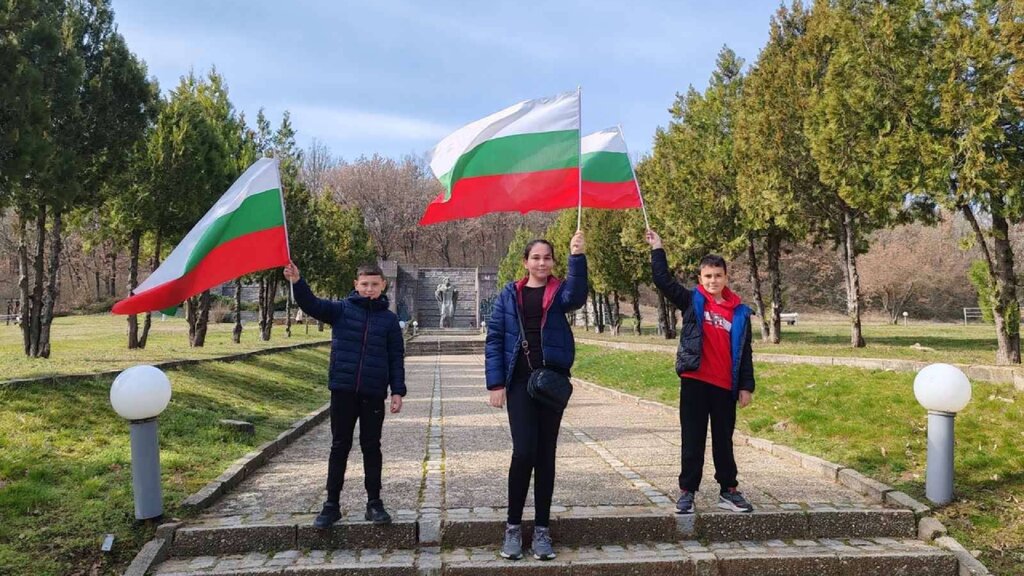
PHOTO Facebook/ "Самуилова крепост"
How do the residents of Petrich perceive this Bulgarian ruler? Does he hold a special place in their lives?
“For local people, Tsar Samuil is more than a figure in the history books: he is part of the identity of the town and the region. For them, the fortress is a symbol of power and statehood. When we talk about Samuil, we are really talking about our local collective memory. That is why Samuil’s Fortress National Park-Museum plays such an important role today.”
Samuil’s Fortress National Park-Museum is included in the Bulgarian Tourist Union’s list of 100 National Tourist Sites.
“The site was declared a cultural monument of national significance as early as 1965. The first archaeological excavations began in 1968, led by Dimka Serafimova, then head of the Archaeology Department in Blagoevgrad,” explains Silviya Velcheva.
The memorial complex is one of the major historic monuments in the “collection” of the Regional History Museum in Petrich. The museum also encompasses the ancient city of Heraclea Sintica and the house-museum of the famous Bulgarian prophetess Vanga.
“The History Museum dates back to 1966, when it began as a museum collection in a private house. In 1974, it moved to the ground floor of the Bratya Miladinovi community centre. In 2022, it took a significant step forward with the opening of its new home in an extensively renovated former military building. The project was carried out in partnership with Serres Municipality in Greece. Visitors can see archaeological, historical and ethnographic exhibits,” Silviya Velcheva, head tour guide and administrative secretary at the museum, tells Radio Bulgaria.
Editor: E. Karkalanova
Translated by Danaya Krasimirova
This publication was created by: Elizabeth Radkova